Personal Care Management for Parkinson’s Disease
Essential strategies for maintaining independence in daily hygiene routines
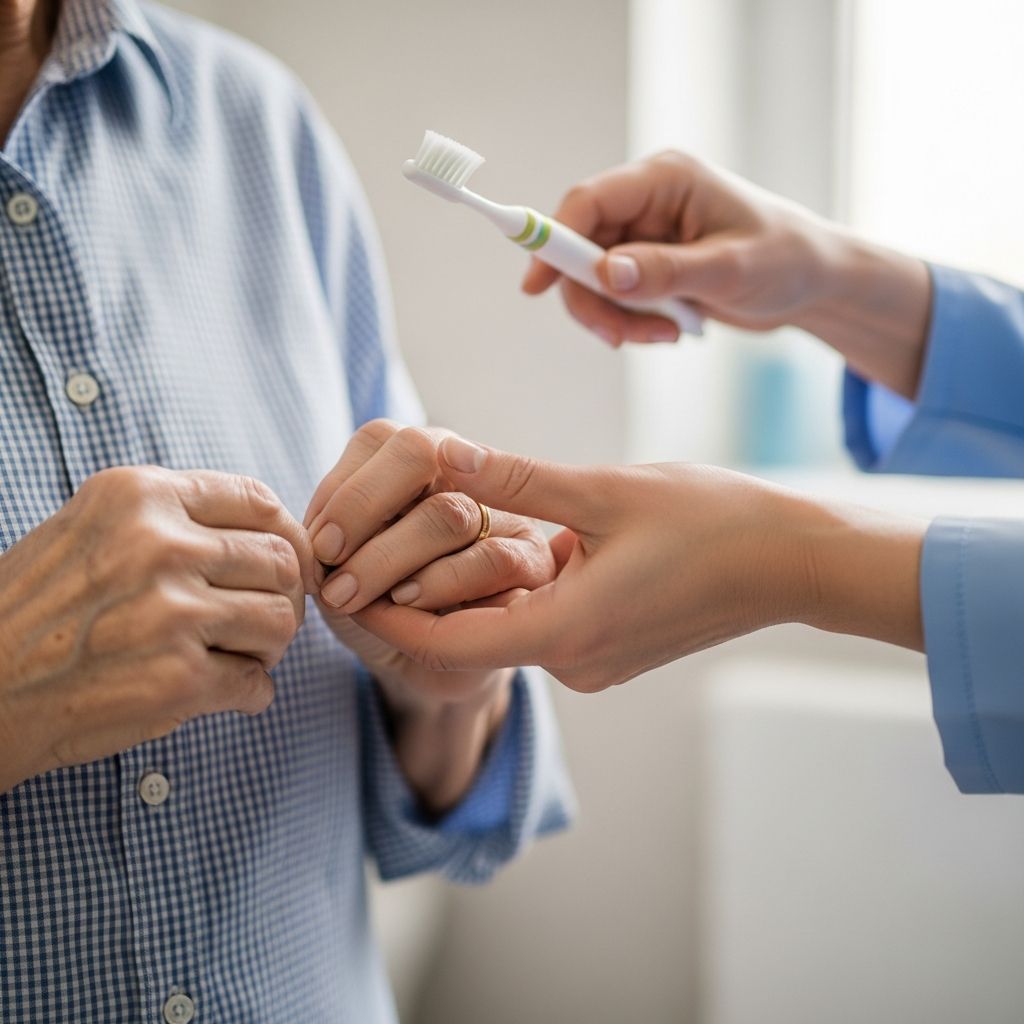
Parkinson’s disease presents significant challenges to performing everyday self-care activities, with research indicating that approximately 69% of individuals with the condition experience difficulties during bathing and showering, while 59% report complications with grooming and personal hygiene tasks. The progressive nature of this neurodegenerative condition—characterized by tremor, muscular rigidity, and impaired motor control—transforms routine personal care into complex undertakings that require thoughtful adaptation and strategic planning. Understanding how to modify your environment, select appropriate assistive tools, and develop compensatory techniques can substantially preserve your independence and dignity during these essential daily activities.
Understanding How Parkinson’s Affects Daily Self-Care
The motor symptoms associated with Parkinson’s disease create multiple barriers to routine hygiene maintenance. Tremors make grasping small objects difficult, while muscle rigidity reduces flexibility and range of motion. Additionally, balance disturbances and postural instability increase the risk of falls during activities that require standing in potentially slippery environments. Beyond physical limitations, individuals may experience slowness in movement and cognitive processing, necessitating extended time periods to complete what were previously quick tasks. Recognizing these specific challenges allows you to develop targeted solutions rather than attempting to power through activities unchanged.
Creating a Safer Bathing Environment
The bathroom environment presents unique hazards for individuals with Parkinson’s disease. Water creates slippery surfaces, and wet conditions combined with tremor and balance difficulties substantially elevate fall risk. Systematic modifications to this space can dramatically improve safety while maintaining your ability to bathe with minimal assistance.
Floor and Traction Safety
Non-slip surfaces form the foundation of bathroom safety. Install anti-slip rubber mats both inside the bathtub or shower and on the surrounding floor area. These mats provide crucial traction that prevents sliding and falling. Select kitchen-style rugs rather than thin bathtub-specific rugs, as the former offer superior grip and durability. Additionally, ensure that water temperature remains below 120 degrees Fahrenheit to prevent accidental burns, particularly important when tremor makes temperature regulation challenging.
Structural Support and Accessibility
Installing at least two grab bars in bathing areas provides essential support for entering, exiting, and moving within the shower or tub. Professional installation ensures proper anchoring and weight-bearing capacity. Never attempt to use towel bars, soap dishes, or faucets as makeshift handrails, as these cannot safely support your body weight during vulnerable moments. For individuals who struggle with standing endurance or balance, a shower chair or bathtub transfer bench enables sitting while washing, reducing fatigue and fall risk. When using a transfer bench or chair, employ a handheld shower nozzle to direct water without requiring you to stand or maintain balance.
Access and Convenience Considerations
Consider installing shelving within the shower or bathing area positioned between knee and shoulder height. This placement eliminates excessive bending or stretching to reach soap, shampoo, and other bathing essentials, reducing loss of balance and conserving energy. For those with more advanced mobility limitations, specialized bathroom adaptations become valuable. Level-access showers and wet room conversions provide seamless transitions that eliminate barriers to entry and exit, accommodating future disease progression.
Selecting Tools That Accommodate Motor Symptoms
Standard bathing and grooming implements often become problematic when tremor and grip strength decline. Thoughtful tool selection can transform activities from frustrating struggles into manageable tasks.
Related Stories



Soap and Cleansing Products
Bar soap presents multiple challenges: it requires firm gripping, slips easily from hands, and creates dangerous residue on wet surfaces. Pump dispensers containing liquid soap eliminate these complications. Simply position the dispenser within easy reach and activate with minimal hand coordination. An alternative approach involves placing bar soap within a full-length nylon stocking tied to a faucet or shower fixture, preventing loss while maintaining accessibility.
Grooming Implements and Hygiene Tools
Electric devices substantially outperform manual alternatives for individuals experiencing tremor and grip difficulties. Battery-operated electric toothbrushes reduce the fine motor control required for effective cleaning. Electric razors prevent cuts that often occur when tremor makes blade control unpredictable, improving both safety and shaving quality. Hair dryers designed for hands-free operation—either wall-mounted or standing units—eliminate the need to hold and position tools, which becomes increasingly challenging as coordination declines.
Dressing and Personal Presentation
Clothing modifications expand your ability to dress independently. Select garments with elastic waistbands and loose-fitting designs that accommodate reduced flexibility and tremor. Button hooks designed for individuals with limited dexterity enable fastening clothing without excessive fine motor control. For those with shoulder weakness or limited range of motion, dressing sticks facilitate removing and donning coats and shirts without requiring overhead arm movements.
Maintaining Nail and Skin Health
Personal grooming extends beyond bathing to include nail and skin maintenance. Time your nail cutting immediately after bathing, when nails have softened and become less brittle, making them easier and safer to trim. This simple timing adjustment prevents nail breakage and reduces injury risk. Establish a regular bathroom schedule, ideally every two hours, to prevent accidents and maintain consistent hygiene practices. Regular schedules create predictable rhythms that reduce the urgency and associated falls from hurried movements.
Addressing Bathroom Accessibility Challenges
Beyond equipment and tools, environmental design substantially impacts your ability to function safely in bathrooms. Strategic adaptations transform spaces into fully accessible environments that support independence despite disease progression.
Lighting and Visibility
Adequate lighting reduces fall risk by improving visibility of potential hazards. Ensure bathroom lighting is bright and positioned to eliminate shadows, particularly in shower and tub areas. Motion-activated lighting can help if balance difficulties make reaching light switches challenging.
Emergency Communication
Place a cordless telephone in the bathroom so you can summon assistance immediately if you fall or experience difficulty. Medical alert devices provide another communication option for those living alone. Some individuals find it helpful to install a bell or buzzer that alerts caregivers or household members when assistance is needed.
Toilet Accessibility and Management
Bathroom trips present falls risk when balance and mobility are compromised. Implementing a scheduled bathroom routine every two hours helps prevent urgent, hurried trips that elevate accident risk. If nighttime bathroom visits disrupt sleep, consider limiting fluid intake two hours before bedtime. For individuals with severe mobility limitations, portable urinals or bedpans positioned beside the bed can reduce nighttime falls and bathroom-related injuries. Some find bidets with integrated warm water spray and drying functions valuable, as these features reduce the need for extensive reaching and balance-demanding movements.
Practical Strategies for Daily Grooming Tasks
Beyond bathing, daily grooming activities require adapted approaches that maintain hygiene while preventing injury and excessive fatigue.
Seated Grooming Techniques
Sitting while brushing teeth, shaving, applying makeup, or drying hair eliminates balance concerns and allows you to focus entirely on the grooming task. Resting elbows on the sink or vanity provides upper body support, stabilizing hands during fine motor activities and reducing tremor visibility. This supported positioning often improves grooming precision while reducing fatigue-related frustration.
Electric Grooming Devices
As previously discussed, electric toothbrushes and razors provide safer, more effective alternatives to manual implements. These devices often produce superior results because tremor becomes less visible and disruptive when devices manage the repetitive mechanical motion.
When to Seek Professional Support
While maintaining independence remains important, recognizing when professional assistance becomes necessary demonstrates wisdom rather than defeat. Professional caregivers can provide support with personal grooming tasks including shaving, bathing, and nail care when your abilities become limited. Occupational therapists specializing in adaptive techniques can assess your specific situation and recommend individualized modifications and assistive devices tailored to your particular motor limitations and home environment.
Adapting as Disease Progresses
Parkinson’s disease progresses differently in each individual, and adaptation strategies must evolve accordingly. Modifications that work initially may require enhancement or replacement as symptoms advance. Regular reassessment of your bathroom safety, grooming abilities, and assistive device effectiveness ensures that your environment and tools continue meeting your actual needs rather than remaining static. Professional assessment at various disease stages can identify when more substantial renovations—such as level-access showers or complete bathroom remodeling—become worthwhile investments in maintaining independence and dignity.
Emotional Dimensions of Personal Care
Research indicates that anxiety, worry, and frustration represent common emotional responses to increasing self-care difficulties, with 93% of individuals reporting anxiety-related impacts and 69% describing frustration. Acknowledging these emotional responses normalizes your experience and validates the real challenges you face. Engaging with support groups, whether in-person or online, connects you with others navigating identical difficulties, providing both practical advice and emotional validation. Many individuals find that accepting assistance with personal care, while emotionally challenging initially, ultimately reduces stress and preserves energy for activities that bring greater meaning and satisfaction.
Creating Your Personal Care Action Plan
Effective personal care management involves more than knowing available strategies; it requires intentional planning that addresses your specific situation. Begin by identifying which aspects of bathing and grooming currently present difficulties. Prioritize modifications that address your most significant challenges first. Consider consulting with healthcare providers, occupational therapists, or home care specialists who understand both Parkinson’s disease and adaptive solutions. Implement changes gradually, allowing time to adjust and evaluate effectiveness before adding additional modifications. Regularly review and update your approach as your needs evolve, recognizing that effective management remains dynamic rather than static.
References
- Grooming Tips for Patients with Parkinson Disease — Neurological Surgery. https://neurologicalsurgery.in/blog/grooming-tips-for-patients-with-parkinson-disease/
- Grooming Tips for Seniors with Parkinson’s Disease — Bethesda Lutheran Homes & Services. https://www.blhc.org/grooming-tips-for-seniors-with-parkinsons-disease/
- 21 Tips for Washing, Grooming and Going to the Bathroom With Parkinson’s Disease — Parkinson’s News Today. https://parkinsonsnewstoday.com/social-clips/21-tips-washing-grooming-going-bathroom-parkinsons-disease/
- Hygiene Tips for Seniors with Parkinson’s Disease — Bethesda Health. https://bethesdahealth.org/blog/hygiene-tips-for-seniors-with-parkinsons-disease/
- How To Improve Bathing Experience With Parkinson’s — Absolute Mobility. https://www.absolutemobility.co.uk/blog/how-to-improve-the-bathing-experience-for-someone-with-parkinsons-disease/
- The Parkinson’s Disease Activities of Daily Living, Interference, and Lifestyle Impact Scale — National Center for Biotechnology Information. 2019. https://pmc.ncbi.nlm.nih.gov/articles/PMC6856450/
- In the Bathroom: Assistive Devices for People with Parkinson’s Disease — Michael J. Fox Foundation. https://www.michaeljfox.org/news/bathroom-assistive-devices-people-parkinsons-disease
Similar Articles








Read full bio of medha deb