Parkinsonism: What It Is, Causes & Types
Understanding parkinsonism: A comprehensive guide to causes, symptoms, types, and treatment options.
What is Parkinsonism?
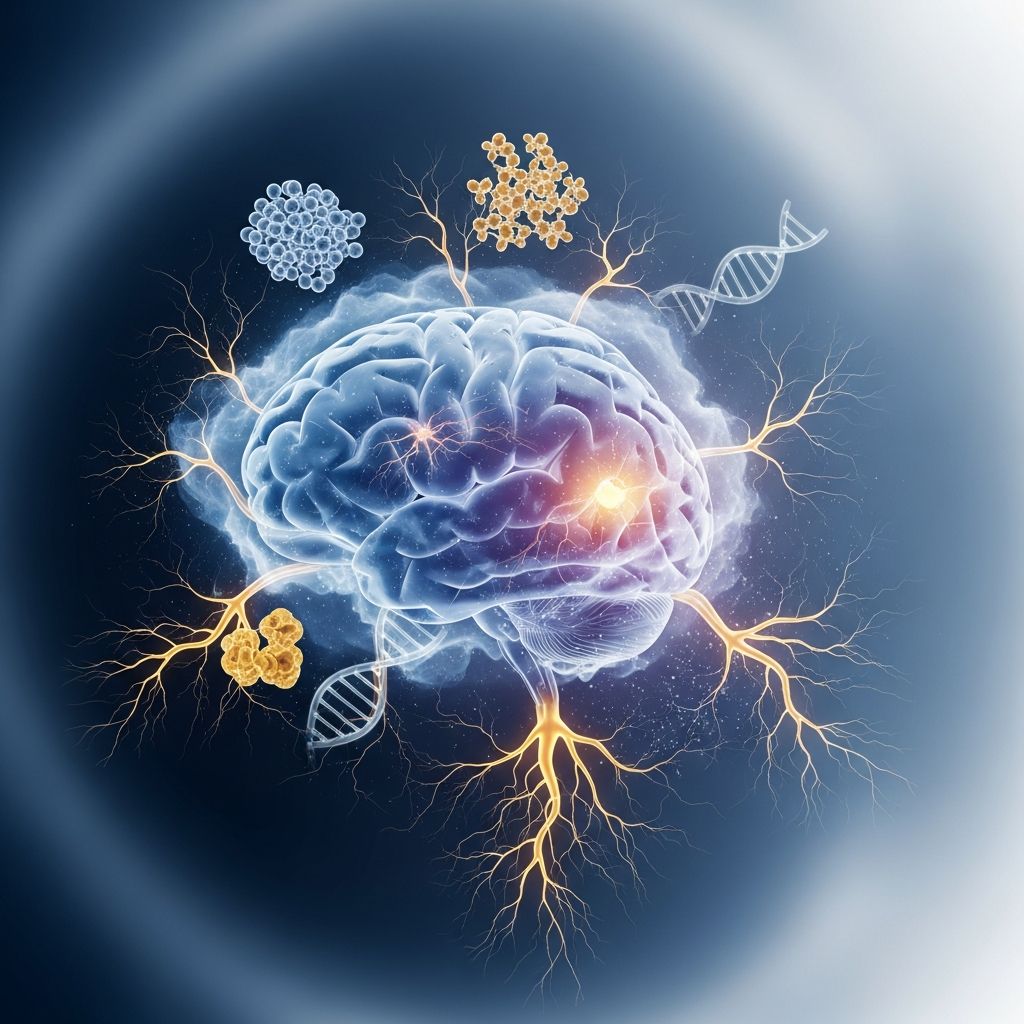
Parkinsonism is an umbrella term that refers to a group of brain conditions characterized by slowed movements, rigidity (stiffness), and tremors. Unlike Parkinson’s disease, which is a specific neurodegenerative disorder, parkinsonism encompasses several different conditions that produce similar movement-related symptoms. This broader classification helps healthcare providers recognize and diagnose various neurological disorders that share common motor symptoms.
The hallmark symptoms of parkinsonism include difficulty initiating movement, involuntary muscle stiffness, and rhythmic shaking. These symptoms can significantly impact daily activities and quality of life, making proper diagnosis and treatment essential for managing the condition effectively.
Understanding Movement Disorders
Movement disorders are neurological conditions that affect your ability to control your movements. They may cause slow movements, increased movements, involuntary movements, or problems with voluntary movements. These conditions require specialized expertise for accurate diagnosis and effective treatment. A multidisciplinary approach involving neurologists with specific training in movement disorders, along with various therapeutic specialists, provides the most comprehensive care.
Proper evaluation of movement disorders involves sophisticated diagnostic tools and careful clinical assessment. Advanced neuroimaging, specialized laboratory tests, and clinical examinations help pinpoint the specific type of movement disorder and guide appropriate treatment planning.
Types of Parkinsonism
Parkinsonism encompasses several distinct conditions, each with unique characteristics and progression patterns. Understanding these different types is crucial for proper diagnosis and treatment selection.
Parkinson’s Disease
Parkinson’s disease is the most common form of parkinsonism. It is a progressive neurodegenerative disorder that develops gradually, with symptoms that may be barely noticeable in early stages. Early detection is key to managing the disease effectively and maintaining a high quality of life. While there is no cure for Parkinson’s disease, many treatment options are available that can help manage symptoms effectively. Medication can improve movement symptoms, particularly when supported by a holistic approach including physical therapy, speech therapy, and occupational therapy.
Atypical Parkinsonian Disorders
Atypical parkinsonian disorders, also known as Parkinson-plus syndromes, include several conditions that present with parkinsonian symptoms but have distinct features and progression patterns. These include Multiple System Atrophy (MSA), Progressive Supranuclear Palsy (PSP), Corticobasal Degeneration (CBD), and Dementia with Lewy Bodies (DLB).
Multiple System Atrophy (MSA)
Multiple System Atrophy is a rare, progressive neurodegenerative disorder that combines features of Parkinson’s disease with symptoms of autonomic dysfunction and cerebellar ataxia. MSA presents with distinctive characteristics that help differentiate it from classic Parkinson’s disease.
Key features of MSA include:
- Lightheadedness when standing up or experiencing wide swings in blood pressure
- Difficulty controlling the bladder and other autonomic functions
- Progressive movement difficulties combined with autonomic symptoms
- Rapid progression and more severe disability earlier in the disease course
Progressive Supranuclear Palsy (PSP)
Progressive Supranuclear Palsy is a rare atypical parkinsonian disorder characterized by progressive neurodegeneration affecting eye movements, balance, and cognitive function. The name reflects the distinctive eye movement problems that occur as a result of damage to nerve pathways located above the brainstem.
Characteristic symptoms of PSP include:
- Slow or limited eye movements, affecting both upward and downward gaze
- Serious balance problems and frequent falls that often occur early in the disease
- Early changes in thinking and behavior, including cognitive decline
- Slurred or hoarse speech due to involvement of speech muscles
- Rapid progression leading to significant disability
Related Stories



The eye movement problems in PSP are termed “supranuclear” because they result from damage above the brainstem nuclei that control eye movements. When patients attempt to follow a finger up or down vertically, they cannot make these movements voluntarily. However, these movements can be overcome by moving the head while looking at a stationary object, indicating the problem is in the neural pathways rather than the eye muscles themselves.
Corticobasal Degeneration (CBD)
Corticobasal Degeneration is a rare neurodegenerative disorder involving progressive loss of nerve cells in multiple areas of the brain and brainstem. This condition produces a distinctive combination of motor and cognitive symptoms.
Defining features of CBD include:
- Muscle tightness and involuntary jerking movements
- Abnormal hand and feet postures, known as dystonia
- Difficulty with coordination and fine motor control
- Cognitive decline and behavioral changes
- Asymmetrical symptoms, often affecting one side of the body more than the other
CBD can present with corticobasal syndrome, characterized by dementia, apraxia (difficulty performing purposeful movements), and one-sided dystonia. However, similar symptoms can occur with other conditions such as PSP or Alzheimer’s disease, making precise diagnosis challenging and requiring comprehensive clinical evaluation.
Causes of Parkinsonism
Parkinsonism can result from various causes, which influence the specific type of condition and its progression. Understanding the underlying cause is essential for determining appropriate treatment strategies and predicting disease course.
Primary causes of parkinsonism include:
- Neurodegenerative diseases affecting the brain’s motor control centers
- Genetic factors and inherited mutations
- Environmental toxins and exposure to specific chemicals
- Medications that affect dopamine levels or motor control
- Head trauma and brain injuries
- Metabolic disorders and systemic diseases
- Infections affecting the central nervous system
In Parkinson’s disease specifically, the primary pathology involves degeneration of dopamine-producing neurons in the substantia nigra region of the brain. This depletion of dopamine, a critical neurotransmitter for movement control, leads to the characteristic motor symptoms of the disease.
Symptoms of Parkinsonism
The symptoms of parkinsonism can vary depending on the specific type of condition and the stage of disease progression. Early recognition of these symptoms enables prompt diagnosis and treatment initiation.
Motor Symptoms
Motor symptoms are the hallmark features of parkinsonism:
- Tremor: A tremor or slight shaking often starting in the fingers, hands, or chin represents one of the first noticeable symptoms. This resting tremor typically occurs when muscles are relaxed and diminishes with purposeful movement.
- Rigidity: Increased muscle tone and stiffness throughout the body, even at rest. This rigidity can cause muscle pain and limit mobility.
- Bradykinesia: Slowness of movement, making routine activities take longer and requiring greater effort.
- Postural Instability: Problems with balance and body posture, increasing the risk of falls.
- Gait Disturbances: Changes in walking pattern, including shuffling steps and difficulty initiating movement.
Non-Motor Symptoms
Beyond movement-related symptoms, parkinsonism can produce various non-motor symptoms that significantly impact quality of life. These symptoms can result from the disease itself, its treatment, or fluctuations in motor symptoms.
Common non-motor symptoms include:
- Cognitive decline and memory problems
- Sleep disturbances and insomnia
- Depression and anxiety
- Autonomic dysfunction affecting blood pressure and bladder control
- Pain and sensory changes
- Constipation and gastrointestinal issues
Diagnosis of Parkinsonism
Accurate diagnosis of parkinsonism requires comprehensive clinical evaluation combined with specialized diagnostic tools. Our experts use state-of-the-art technology to diagnose and evaluate movement disorders accurately.
Diagnostic Tools and Tests
Several advanced diagnostic methods help identify the specific type of parkinsonism:
- DaTSCAN (Dopamine Transporter Scan): A specialized type of SPECT scan that assesses dopamine levels in the brain to help diagnose Parkinson’s disease. This imaging technique provides valuable information about dopamine-producing neurons.
- MRI and CT Scans: Neuroimaging studies to examine the brain and spinal cord structure, helping rule out other conditions and identify characteristic changes associated with specific types of parkinsonism.
- Blood Tests: Laboratory studies to rule out metabolic, infectious, or other systemic causes of parkinsonian symptoms.
- Electroencephalograms (EEGs): Tests to assess electrical activity in the brain, helping identify abnormal patterns associated with certain movement disorders.
- Electromyograms (EMGs): Tests that analyze electrical signals and responses of muscles and nerves, providing information about neuromuscular function.
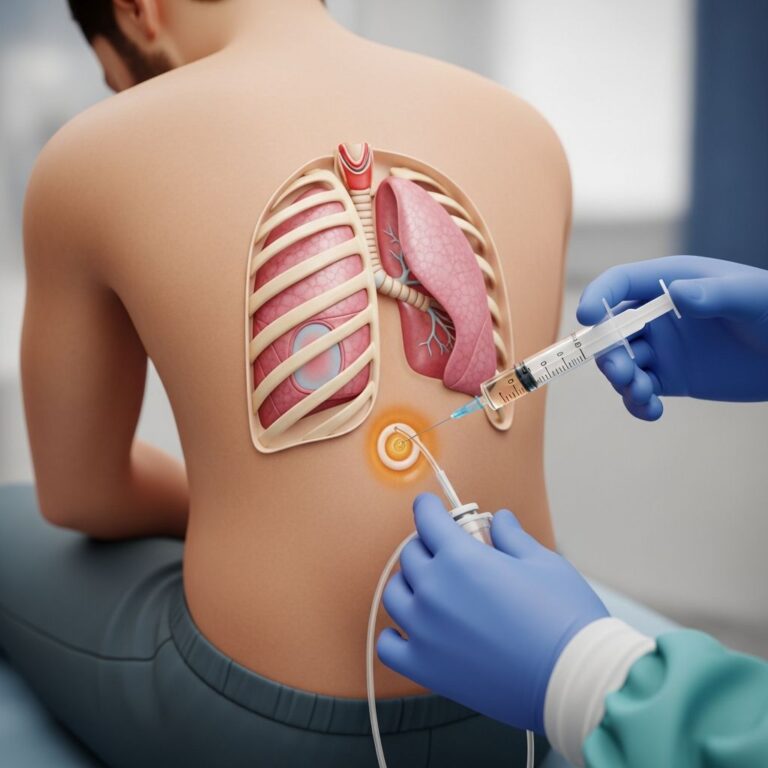
- Spinal Taps (Lumbar Puncture): Procedure to examine cerebrospinal fluid for abnormalities that could explain parkinsonian symptoms.
- Autonomic Testing: Specialized evaluation to assess for movement disorders such as Multiple System Atrophy that involve autonomic nervous system dysfunction.
Treatment Options for Parkinsonism
Treatment plans for parkinsonism are personalized based on individual symptoms, disease severity, and overall health status. A comprehensive approach combining medication, rehabilitation, and advanced therapies optimizes outcomes.
Medication Management
Multiple medications can effectively treat parkinsonism and its related conditions. Neurologists prescribe medications tailored to individual needs, monitoring and adjusting prescriptions as necessary. Common medication classes include dopamine replacement agents, dopamine agonists, MAO inhibitors, and COMT inhibitors that enhance dopamine availability in the brain.
Neurorehabilitation Therapies
Rehabilitation services play a crucial role in managing parkinsonism and maintaining function:
- Physical Therapy: Helps build strength, improve balance, and enhance overall mobility.
- Occupational Therapy: Assists with adapting daily activities and maintaining independence in self-care tasks.
- Speech Therapy: Addresses communication difficulties and swallowing problems. Specialized programs like Lee Silverman Voice Treatment (LSVT) are specifically designed for Parkinson’s disease patients to improve voice projection and communication clarity.
Botulinum Toxin Injections
Botulinum toxin (Botox) injections can be administered during outpatient visits to treat specific movement symptoms, particularly dystonia and certain types of tremor. The neurologist delivers injections directly into affected muscles, providing targeted symptom relief.
Deep Brain Stimulation (DBS)
For people with advanced parkinsonism, Deep Brain Stimulation offers significant benefits. This surgical procedure involves implanting electrodes within specific brain regions to modulate abnormal electrical activity. Neurosurgeons with extensive DBS experience place these wires with millimeter precision. DBS can provide substantial symptom relief when medications become less effective, particularly improving motor symptoms and reducing medication requirements.
Continuous Subcutaneous Infusion Therapy
Cutting-edge treatments such as continuous subcutaneous infusion therapy can offer additional symptom relief for people with advanced parkinsonism, particularly those experiencing medication fluctuations.
Living with Parkinsonism
Successfully managing parkinsonism requires a multidisciplinary approach combining medical treatment with lifestyle modifications and support services. Comprehensive care coordinating all necessary subspecialty services in convenient locations optimizes patient outcomes and quality of life.
A multidisciplinary team typically includes neurologists specializing in movement disorders, neurosurgeons, neuropsychologists, physical therapists, occupational therapists, speech therapists, and social workers. This coordinated approach ensures patients receive all necessary care efficiently.
Virtual follow-up visits provide convenient access to care when appropriate, allowing patients to receive monitoring and treatment adjustments from home. This accessibility ensures consistent disease management and early intervention for emerging issues.
Frequently Asked Questions
Q: What is the difference between Parkinson’s disease and parkinsonism?
A: Parkinson’s disease is a specific neurodegenerative condition, while parkinsonism is an umbrella term describing any condition that produces tremor, rigidity, and slowed movements. Parkinsonism includes Parkinson’s disease and several atypical parkinsonian disorders such as MSA, PSP, and CBD.
Q: Is parkinsonism curable?
A: Currently, parkinsonism is not curable. However, various treatments can effectively manage symptoms and maintain quality of life. Early detection and comprehensive treatment approaches provide the best outcomes.
Q: What are the early signs of parkinsonism?
A: Early signs often include tremor or slight shaking in the fingers, hands, or chin, along with subtle slowing of movements and mild stiffness. These early symptoms may be barely noticeable, making regular medical evaluation important for those with risk factors.
Q: How is parkinsonism diagnosed?
A: Diagnosis involves clinical evaluation by a neurologist, patient history, physical examination, and specialized diagnostic tests such as DaTSCAN imaging, MRI, blood tests, and autonomic testing to rule out other conditions and confirm the specific type of parkinsonism.
Q: What treatment options are available for parkinsonism?
A: Treatment options include medications, physical therapy, occupational therapy, speech therapy, botulinum toxin injections, and for advanced cases, deep brain stimulation or continuous infusion therapy. Treatment plans are personalized based on individual symptoms and disease severity.
Q: How do atypical parkinsonian disorders differ from Parkinson’s disease?
A: Atypical parkinsonian disorders like MSA, PSP, and CBD present with parkinsonian symptoms but have distinctive additional features. They typically progress more rapidly, involve different brain regions, and may include unique symptoms such as severe eye movement problems in PSP or autonomic dysfunction in MSA.
References
- Parkinson’s Disease: What It Is, Causes, Symptoms & Treatment — Cleveland Clinic. 2022-04-15. https://my.clevelandclinic.org/health/diseases/8525-parkinsons-disease-an-overview
- Understanding Parkinson’s Disease: What Are the Early Symptoms? — Cleveland Clinic Abu Dhabi. https://www.clevelandclinicabudhabi.ae/en/health-byte/health/understanding-parkinsons-disease
- Parkinson disease: Not just a movement disorder — Cleveland Clinic Journal of Medicine, 2008. https://www.ccjm.org/content/ccjom/75/12/856.full.pdf
- Understanding Parkinsonism — The Parkinson’s Foundation. https://www.parkinson.org/library/fact-sheets/parkinsonism
- Atypical Parkinsonian Disorders — Cleveland Clinic Neuro Pathways Podcast. https://my.clevelandclinic.org/podcasts/neuro-pathways/atypical-parkinsonian-disorders
- Parkinson’s Disease and Movement Disorders – Cleveland Clinic — Cleveland Clinic Florida. https://my.clevelandclinic.org/florida/departments/neurological/depts/parkinsons-movement-disorders
Similar Articles








Read full bio of medha deb