Bladder and Bowel Control Issues in Parkinson’s
Understanding incontinence symptoms and management strategies for Parkinson's disease patients
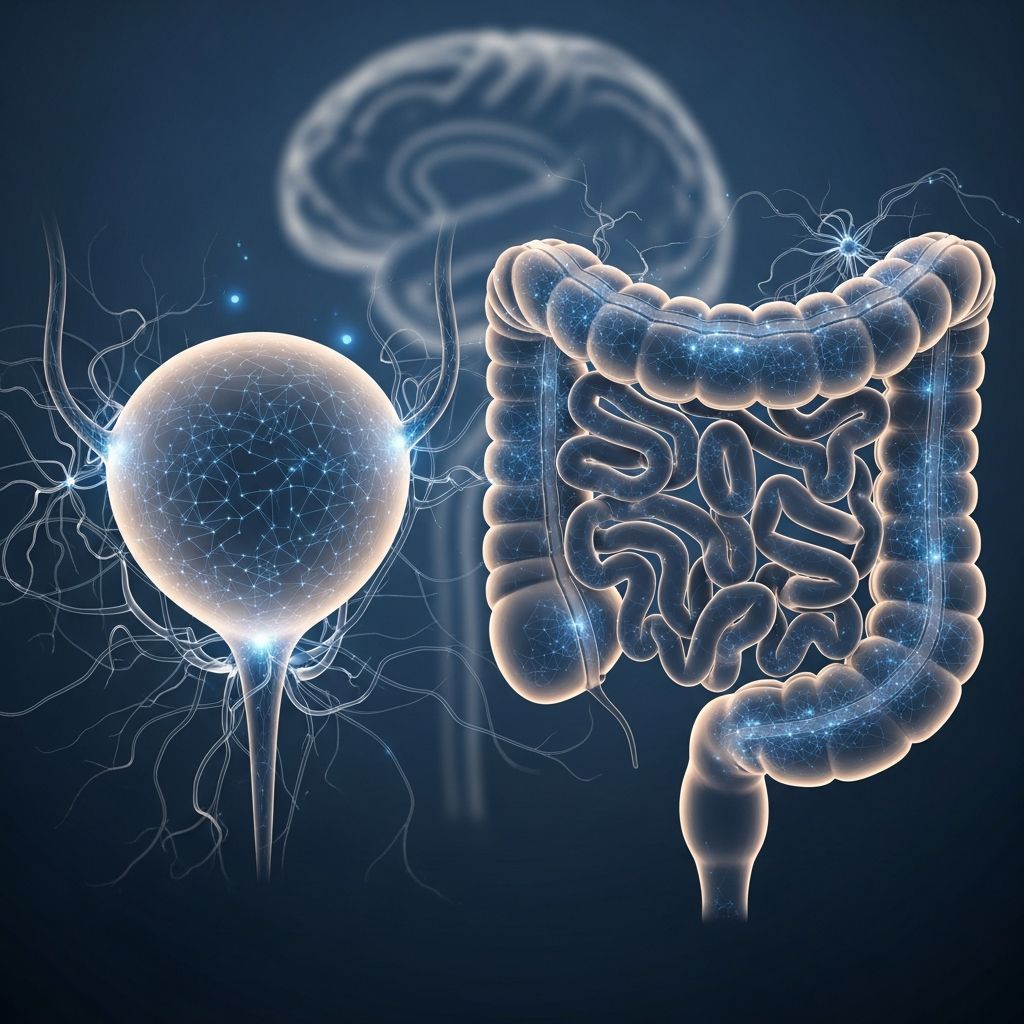
Parkinson’s disease extends far beyond the movement difficulties most people associate with the condition. Among the most challenging non-motor symptoms are problems affecting bladder and bowel function. These autonomic nervous system complications can significantly impact daily life and quality of living, yet they remain frequently overlooked in discussions about disease management. Understanding the mechanisms behind these symptoms and learning effective strategies to manage them is essential for individuals living with Parkinson’s and their caregivers.
The Role of the Autonomic Nervous System in Parkinson’s
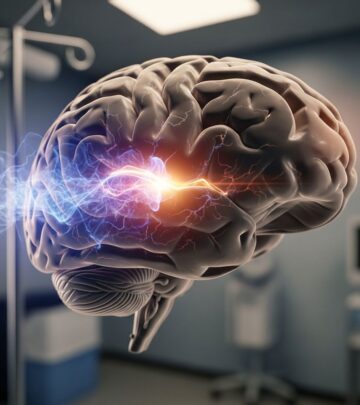
The autonomic nervous system controls essential bodily functions that occur automatically without conscious effort, including heart rate regulation, blood pressure control, perspiration, sexual function, and both digestive and urinary processes. In Parkinson’s disease, the degeneration of dopamine-producing nerve cells disrupts the normal signaling patterns within this system. Dopamine is a critical neurotransmitter that facilitates coordinated movement and proper functioning of organ systems throughout the body. As dopamine levels decline progressively throughout the disease course, communication between the brain and bladder, as well as between the brain and bowel, becomes compromised. This breakdown in neural messaging creates the foundation for incontinence and related urinary and bowel dysfunction.
Unlike bowel problems such as constipation, which frequently appear early in Parkinson’s disease development, urinary dysfunction typically emerges during later disease stages. However, the exact timing and severity of symptoms vary considerably among individuals, making personalized assessment and management essential.
Prevalence of Bladder and Bowel Symptoms
The scope of bladder complications in Parkinson’s disease is substantial. Research indicates that between 30 to 40 percent of individuals with Parkinson’s experience some degree of urinary difficulty. When examining specific populations, studies reveal that up to 75 percent of people with Parkinson’s may encounter bladder issues at various points throughout their illness. Despite this high prevalence of urinary symptoms, actual incontinence—the involuntary loss of urine control—develops in approximately 15 percent of the affected population. This distinction is important, as many people experience bothersome symptoms without complete loss of bladder control.
Bowel complications are equally common. Constipation affects a significant proportion of individuals with Parkinson’s and can create cascading effects that worsen other symptoms, including bladder dysfunction. The high prevalence of these symptoms underscores their importance as legitimate treatment targets rather than inevitable consequences of aging.
Understanding Bladder Dysfunction Mechanisms
The bladder serves two primary physiological functions: storing urine as it accumulates and then emptying completely when appropriate. Parkinson’s disease can disrupt both processes through multiple pathways.
Overactive Bladder and Urgency
The most frequently encountered bladder problem in Parkinson’s disease involves an overactive or hyperactive bladder. In this condition, the bladder sends false signals to the brain indicating fullness even when relatively little urine has accumulated. This creates an urgent need to urinate that provides little warning and allows minimal control. The underlying mechanism involves dopaminergic dysfunction, as dopamine plays a profound role in normal bladder control. When dopamine levels fluctuate due to medication timing, symptoms may temporarily worsen—a phenomenon known as “wearing off.”
Overactive bladder manifests through several characteristic symptoms:
- Urinary frequency: The need to pass urine repeatedly throughout the day, sometimes more than seven times daily, with only small volumes expelled each time
- Urinary urgency: A compelling need to urinate immediately upon sensing the urge, with minimal ability to delay
- Nocturia: Waking one or more times during primary nighttime sleep to urinate, which disrupts sleep quality and overall daytime functioning
These symptoms often reflect impaired communication between the bladder and the brain’s control centers, as well as changes in the motor areas affected by Parkinson’s disease and higher-level urination control mechanisms.
Impaired Bladder Emptying
Related Stories



A less common but still troublesome form of bladder dysfunction involves difficulty emptying the bladder completely. This may occur when the urethral sphincter muscles—which must relax to allow urine flow—experience delayed or incomplete relaxation. Individuals with this presentation may experience hesitancy when initiating urination, difficulty generating an adequate stream, and sensation of incomplete emptying even after attempting to void. In some cases, involuntary muscle contractions affecting the urethral sphincter contribute to this problem.
Incomplete bladder emptying carries additional health risks, as retained urine creates an environment conducive to bacterial overgrowth and urinary tract infections.
Contributing Factors Beyond Parkinson’s Disease
While Parkinson’s disease itself causes significant bladder dysfunction, additional factors may contribute to or exacerbate symptoms in affected individuals. Weakness in the pelvic floor muscles—the muscular support structures for the bladder—can worsen urgency and frequency. In men, an enlarged prostate gland may cause or intensify nocturia and other lower urinary tract symptoms, and these prostate-related changes occur commonly in older men regardless of Parkinson’s status.
Constipation and hard, compacted stool in the rectum can stimulate nearby nerves that also serve the bladder, increasing urinary frequency and urgency. This relationship between bowel and bladder function highlights the importance of addressing constipation as part of comprehensive incontinence management.
Additionally, urinary tract infections can irritate the bladder and trigger urgency and incontinence symptoms, even in individuals whose baseline bladder control is adequate. Certain medications used to treat Parkinson’s symptoms or other conditions may influence bladder behavior, making medication review an important component of symptom assessment.
Bowel Dysfunction in Parkinson’s Disease
Bowel complications in Parkinson’s disease arise through multiple mechanisms. The muscles of the gastrointestinal tract may weaken, altering normal food movement through the system. Parkinson’s medications themselves can slow bowel function as a side effect. Difficulties with chewing and swallowing may prevent adequate dietary intake and fluid consumption, both essential for normal bowel function. Finally, reduced physical activity—often resulting from movement difficulties characteristic of Parkinson’s—directly decreases the bowel stimulation needed for regular evacuation.
Constipation represents the most common bowel problem and can lead to overflow incontinence when stool accumulates in the rectum and liquid material leaks around the blockage. More advanced disease may result in fecal incontinence, the involuntary loss of stool, which can be particularly distressing and require specialized management approaches.
Medication Fluctuations and Symptom Patterns
Levodopa and other Parkinson’s medications influence dopamine availability in the brain and body. Because dopamine plays a central role in bladder control, medication levels directly affect urinary symptoms. When doses wear off between medication administrations, dopamine levels decline and bladder symptoms may worsen significantly. Maintaining consistent medication schedules—taking doses on time and as prescribed—helps minimize these fluctuations and reduces associated bladder symptom exacerbation.
Practical Management Strategies
Several evidence-based approaches can effectively manage or prevent bladder and bowel symptoms in Parkinson’s disease:
Conservative Management Techniques
- Scheduled voiding: Establishing regular times to use the toilet, regardless of urge sensation, helps train bladder patterns and improve control
- Fluid management: Adjusting timing and volume of fluid intake, particularly reducing evening consumption, can minimize nighttime bathroom visits
- Pelvic floor exercises: Strengthening the muscles supporting the bladder through targeted exercises improves continence and reduces symptom severity
- Constipation prevention: Maintaining regular bowel movements through adequate fiber intake, fluid consumption, and physical activity directly reduces bladder pressure and symptoms
- Physical activity: Regular exercise, tailored to individual abilities, stimulates both bowel and bladder function and improves overall symptom control
Professional Assessment and Treatment
A urologist experienced in managing Parkinson’s patients can provide specialized evaluation and develop individualized treatment plans addressing specific symptom patterns. It is essential that any urologist treating bladder symptoms in Parkinson’s patients understands the disease context, as treatments appropriate for prostate-related incontinence may not address Parkinson’s-related dysfunction. Similarly, healthcare providers should assess whether symptoms reflect true Parkinson’s-related bladder dysfunction or alternative explanations requiring different approaches.
Medication review by the neurologist or primary care physician may identify drugs—whether Parkinson’s medications or other medications—that contribute to symptoms and could potentially be adjusted. In many cases, incontinence can be prevented, better managed, or even reversed through appropriate intervention.
Frequency of Symptoms: What to Expect
| Symptom Type | Prevalence Rate | Typical Presentation |
|---|---|---|
| Any urinary difficulty | 30-40% | Various combinations of frequency, urgency, or retention |
| Overactive bladder | Most common | Frequent urination, urgency, nocturia |
| Clinical incontinence | 15% | Involuntary urine loss before reaching toilet |
| Bladder emptying difficulty | Less common | Hesitancy, weak stream, incomplete emptying |
| Constipation | Common | Infrequent, difficult bowel movements |
| Fecal incontinence | Advanced disease | Involuntary stool loss, usually later stages |
Frequently Asked Questions
Are bladder problems inevitable in Parkinson’s disease?
No. While bladder symptoms are common, not everyone with Parkinson’s develops incontinence issues. Symptoms vary widely in onset, severity, and progression among individuals.
Can Parkinson’s medications cause urinary symptoms?
Parkinson’s medications influence dopamine levels, which directly affect bladder control. Additionally, some medications may slow bowel function, indirectly affecting bladder symptoms through constipation. Consistent medication timing helps minimize symptom fluctuations.
Is nocturia always related to Parkinson’s disease?
While nocturia is common in Parkinson’s, other factors—particularly enlarged prostate in men—can cause or worsen this symptom independently of the disease. Professional evaluation helps identify the underlying cause.
Can bladder symptoms improve with treatment?
Yes. In many cases, incontinence can be prevented, better managed, or even cured through appropriate interventions including conservative strategies and professional treatment.
How does constipation affect bladder function?
Hard stool in the rectum stimulates nerves that also serve the bladder, increasing urinary frequency and urgency. Managing constipation effectively helps reduce associated bladder symptoms.
Conclusion: Taking Action
Bladder and bowel dysfunction represent significant non-motor symptoms in Parkinson’s disease that deserve attention and proper management. Understanding the mechanisms underlying these symptoms, recognizing their prevalence, and implementing evidence-based management strategies can substantially improve quality of life. Whether through conservative techniques such as scheduled voiding and constipation management, or through professional medical intervention, effective solutions exist for most individuals experiencing these symptoms. Open communication with healthcare providers about incontinence and related symptoms is essential, as these problems often respond well to treatment when properly addressed.
References
- Parkinson’s and Incontinence — Continence Health Australia. 2024. https://www.continence.org.au/who-it-affects/medical-conditions/parkinsons
- Urinary Problems in Parkinson’s Disease — The Parkinson’s Foundation. 2024. https://www.parkinson.org/library/fact-sheets/urinary-problems
- Bladder dysfunction in Parkinsonism: mechanisms, prevalence, and treatment — Winge K, Fowler CJ. Neurourology and Urodynamics. 2006. https://pubmed.ncbi.nlm.nih.gov/16570299/
- Parkinson’s Disease and Incontinence — Bladder & Bowel Community. 2024. https://www.bladderandbowel.org/associated-illness/parkinsons/
- Bladder Issues in Parkinson’s Disease — Parkinson Society British Columbia. 2024. https://parkinson.bc.ca/resources-support/resource-centre/help-sheet-bladder-issues
- Incontinence in Parkinson’s: Causes, Tools & Webinars — Stanford School of Medicine Parkinson’s Disease Center. 2024. https://med.stanford.edu/parkinsons/symptoms-PD/incontinence.html
- Urinary Incontinence — Symptoms and causes — Mayo Clinic. 2024. https://www.mayoclinic.org/diseases-conditions/urinary-incontinence/symptoms-causes/syc-20352808
Similar Articles








Read full bio of Sneha Tete