Parkinson’s and COVID-19: Essential Guidance
Navigate COVID-19 challenges with Parkinson's: vaccines, precautions, telemedicine, and recovery strategies for optimal health.
Individuals living with Parkinson’s disease (PD) face unique hurdles when confronting COVID-19, as the condition can complicate recovery without elevating initial infection risk. This guide outlines prevention tactics, care adaptations, treatment approaches, and vaccination imperatives to support sustained well-being.
Understanding Vulnerabilities in Parkinson’s Patients
Parkinson’s disease primarily affects movement through dopamine deficiency in the brain, leading to symptoms like tremors, rigidity, and bradykinesia. While PD itself does not heighten the likelihood of contracting SARS-CoV-2, it intensifies recovery challenges due to factors such as weakened respiratory muscles, swallowing difficulties, and mobility limitations. Seniors with PD, often in advanced stages, are particularly susceptible to severe outcomes like pneumonia, amplifying hospitalization risks.
Non-motor symptoms overlap with COVID-19 manifestations, including fatigue, loss of smell (anosmia), and cognitive fog, potentially delaying diagnosis. Acute worsening of motor symptoms may signal infection onset, necessitating prompt vigilance. Studies emphasize that without vaccination, hospitalized PD patients encounter elevated complication and mortality rates.
Prevention Strategies Tailored for PD
Core prevention mirrors public health directives but requires PD-specific adjustments. Maintain physical distance of at least six feet from others, practice meticulous hand hygiene with soap for 20 seconds or 60% alcohol sanitizer, and minimize outings to crowded areas. Homebound routines help evade exposure while countering PD-related inactivity that worsens symptoms.
- Wash hands thoroughly, covering palms, fingers, thumbs, and backs, equivalent to singing ‘Happy Birthday’ twice.
- Prioritize immune-boosting nutrition: fruits, vegetables, whole foods, adequate sleep, and rest.
- Engage in daily home exercises to preserve motor function and mood stability.
Face masks, especially for seniors and PD individuals, provide crucial protection alongside vaccination. Stockpile medications to avert supply disruptions from lockdowns or delivery delays.
Leveraging Telemedicine for Ongoing PD Care
Telemedicine emerges as a cornerstone for PD management during pandemics, endorsed by the CDC for deferring non-essential in-person visits. Validated studies confirm its efficacy in evaluating motor symptoms, optimizing therapies, and addressing non-motor issues remotely. Virtual consultations facilitate medication tweaks for side effects without infection risks.
Telerehabilitation extends physiotherapy via online sessions, virtual reality games, or home equipment, sustaining physical therapy benefits. Caregivers can participate, ensuring comprehensive assessments. This shift fosters flexible, patient-centered models, mitigating isolation and inactivity.
| Telemedicine Benefit | PD Application |
|---|---|
| Reduced Exposure | Avoids hospital visits, curbing COVID-19 transmission. |
| Symptom Monitoring | Assesses tremors, gait via video; adjusts levodopa dosing. |
| Rehab Access | Guided exercises prevent deconditioning. |
| Psychosocial Support | Addresses mood, anxiety through virtual therapy. |
Recognizing and Responding to COVID-19 Symptoms
Monitor for fever, cough, shortness of breath, or sudden PD symptom exacerbation. Isolate immediately upon suspicion: designate separate living spaces, utensils, and bathrooms if cohabiting. Self-quarantine persists until seven days post-symptom onset and three days fever-free without antipyretics, with respiratory improvement.
High suspicion is vital for acute motor decline, which may precede fever in advanced PD, risking rapid deterioration. Continue all PD medications uninterrupted to avert rigidity or breathing issues. Consult professionals before over-the-counter remedies; avoid dextromethorphan with MAO-B inhibitors like rasagiline or safinamide.
Treatment Protocols for Infected PD Patients
Mild-moderate cases warrant home management, escalating to hospital if respiratory distress intensifies. In hospitals, prioritize anti-PD therapy continuity via fractionated levodopa doses every 2-3 hours through nasogastric tubes for dysphagic patients. Apomorphine infusions serve as alternatives if feasible; shun abrupt stops to prevent withdrawal syndromes.
For infection-induced psychosis or delirium, sequentially taper anticholinergics, MAO-B inhibitors, and COMT inhibitors. Paxlovid, an oral antiviral slashing hospitalization risks, requires medication interaction checks with providers, as FDA-authorized pharmacists can prescribe it. Discuss all therapies with neurologists and pharmacists.
Related Stories



Vaccination: A Critical Safeguard
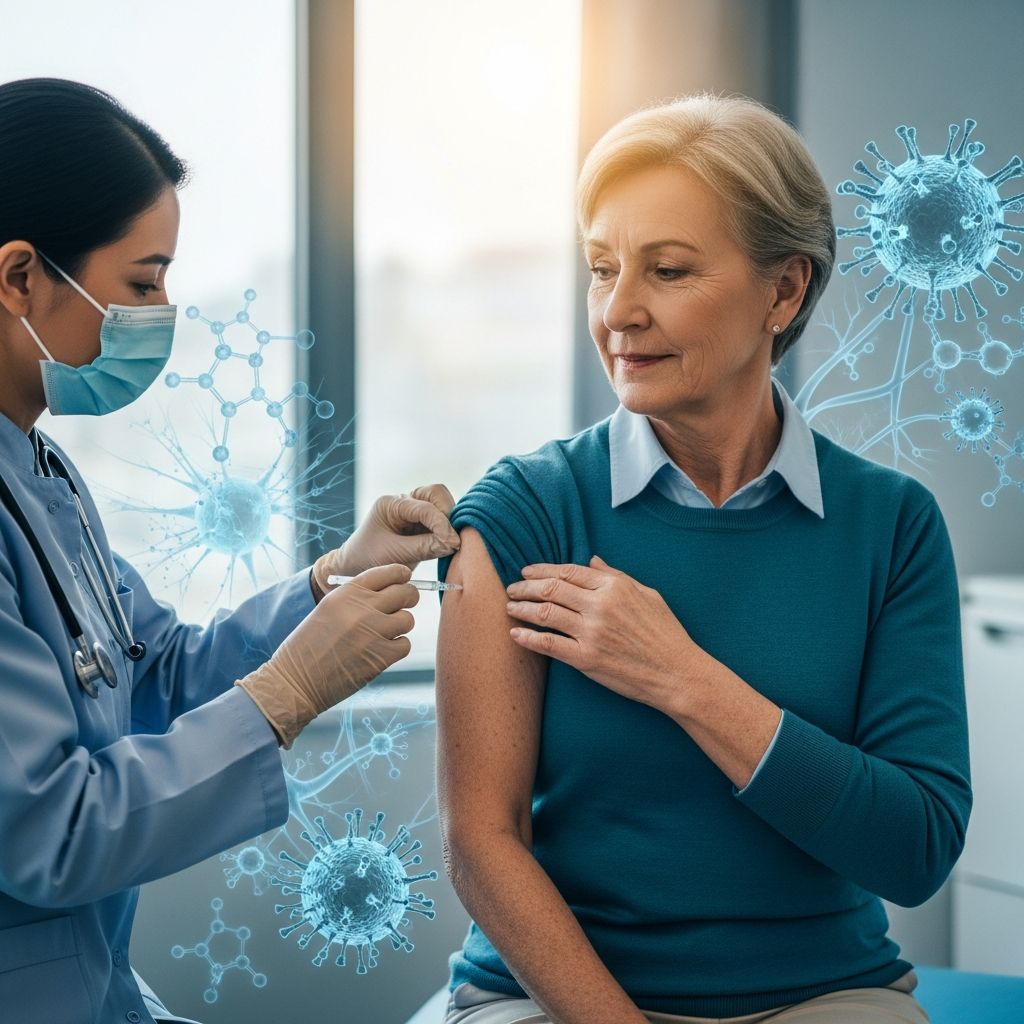
Vaccines are safe and strongly recommended for PD patients, mirroring general population benefits without unique contraindications. The International Parkinson’s and Movement Disorder Society (MDS) urges uptake to shield against severe disease. Side effects may transiently mimic or exacerbate PD symptoms, but boosters remain essential.
Fully vaccinated seniors face lower pneumonia risks; pair with annual flu and pneumococcal shots. Long-term monitoring via registries tracks potential parkinsonism links, including neurofilament light chain tests.
Maintaining Overall Health Amid Restrictions
Pandemics exacerbate PD through isolation, reduced activity, and disrupted services. Counter with structured home exercise regimens, healthy diets, and virtual social engagements. Healthcare teams should evaluate vulnerability to inactivity, loneliness, and telehealth comfort, promoting hybrid care models.
PD does not inherently heighten COVID-19 acquisition but demands proactive recovery planning. Regular check-ins ensure medication access and symptom control.
Frequently Asked Questions (FAQs)
Does Parkinson’s increase COVID-19 infection risk?
No, but it complicates recovery due to motor and respiratory impairments.
Are COVID-19 vaccines safe for PD patients?
Yes, recommended unless contraindicated; benefits outweigh risks.
Can I use telemedicine for PD appointments?
Absolutely, it’s effective for assessments and rehab.
What if I get COVID-19 symptoms?
Isolate, continue PD meds, seek advice on symptom relief.
Should I avoid certain over-the-counter drugs?
Yes, consult on cough meds with MAO-B inhibitors.
Long-Term Outlook and Preparedness
Post-pandemic, integrate telemedicine permanently for resilient PD care. Registries for COVID-19 survivors monitor neurodegeneration risks. Stay vigilant with boosters, precautions, and health routines to thrive.
References
- Management of Parkinson’s Disease in the COVID-19 Pandemic — PMC/NCBI. 2021-09-28. https://pmc.ncbi.nlm.nih.gov/articles/PMC8490198/
- Parkinson’s Disease: Patient Guide to COVID-19 — Pacific Neuroscience Institute. 2020. https://www.pacificneuroscienceinstitute.org/blog/parkinsons-disease/parkinsons-disease-patient-guide-to-covid-19/
- COVID-19 – Parkinson’s Foundation — Parkinson’s Foundation. 2023 (updated). https://www.parkinson.org/living-with-parkinsons/management/covid
- Managing Parkinson’s during the COVID‐19 pandemic — Wiley Online Library. 2021-05-12. https://onlinelibrary.wiley.com/doi/10.1111/jocn.16367
- Ask the MD: Coronavirus and Parkinson’s — Michael J. Fox Foundation. 2020. https://www.michaeljfox.org/news/ask-md-coronavirus-and-parkinsons
Similar Articles








Read full bio of medha deb