Undefined: Navigating COVID-19 With Parkinson’s 2026 Update
Essential insights on managing COVID-19 risks, vaccines, symptoms, and recovery for Parkinson's patients in 2026.
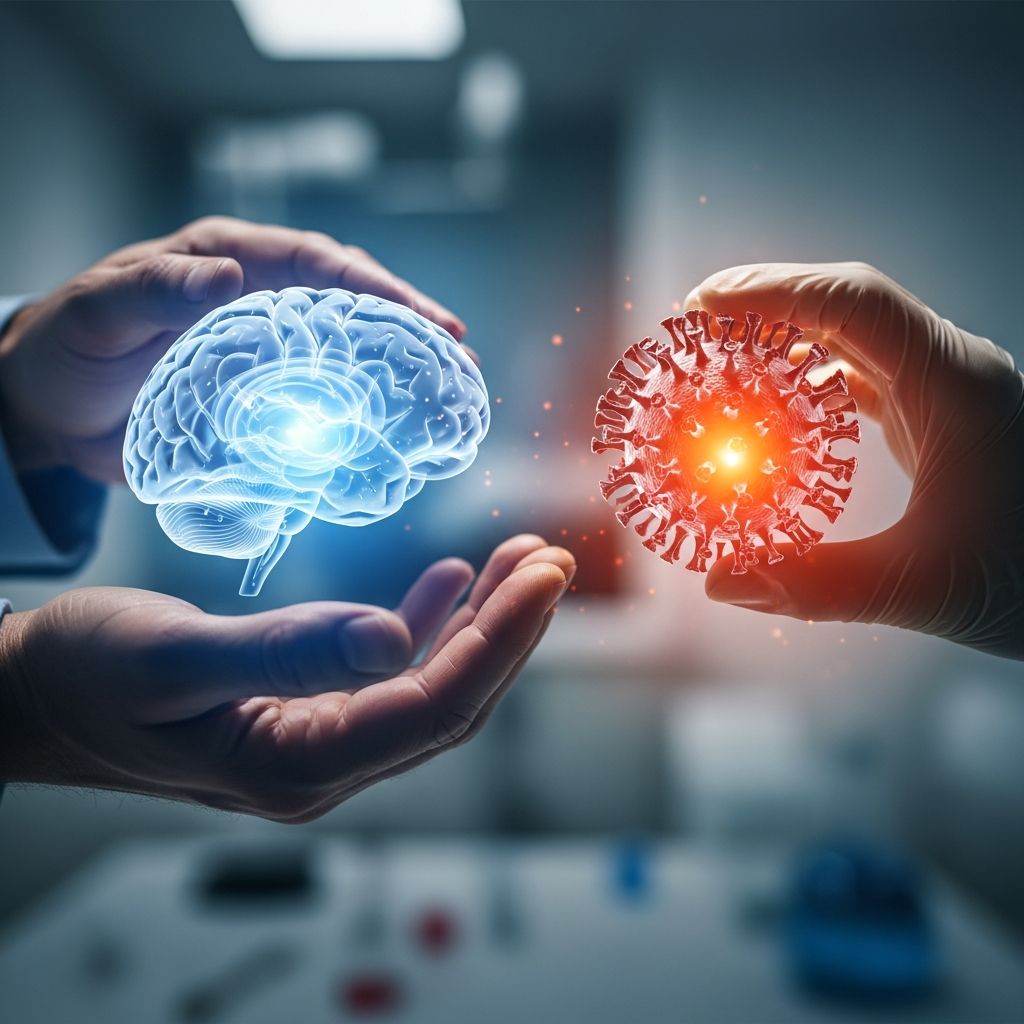
Parkinson’s disease (PD) patients face unique challenges when encountering COVID-19, as the virus can complicate motor symptoms, non-motor issues, and overall recovery. While PD does not inherently increase the likelihood of contracting SARS-CoV-2, it heightens vulnerability to severe outcomes and prolonged effects post-infection. This guide synthesizes recent research to offer practical strategies for risk reduction, vaccination, symptom monitoring, and long-term care.
Understanding Infection Risks for PD Patients
Individuals with PD are not more prone to initial SARS-CoV-2 infection compared to the general population, but recovery proves more arduous due to pre-existing motor impairments and comorbidities. Studies indicate that PD patients who contract COVID-19 experience elevated rates of hospitalization and complications, particularly if unvaccinated. Seniors with PD, often compounded by age-related frailty, show heightened susceptibility to pneumonia-like symptoms triggered by the virus.
Key factors amplifying risks include advanced disease stage, dysphagia leading to aspiration, and autonomic dysfunction affecting breathing. A retrospective analysis of over 3,500 PD patients found those with COVID-19 had higher incidences of major adverse cardiovascular events (MACE) and mortality up to 3.5 years later. Maintaining hygiene, masking in crowds, and limiting exposure remain foundational precautions.
- Transmission Basics: Symptoms emerge 2-14 days post-exposure, including fever, cough, and dyspnea.
- PD-Specific Vulnerabilities: Immobility increases clot risk; cognitive fluctuations mimic viral encephalopathy.
- Variant Awareness: Even vaccinated individuals can spread highly transmissible strains like Omicron descendants.
Vaccination Strategies: Safety and Recommendations
Vaccines are unequivocally safe and recommended for PD patients, offering robust protection against severe illness. Common mRNA vaccines (Pfizer, Moderna) require primary series plus boosters, while single-dose options like Johnson & Johnson provide alternatives. Side effects such as fever or myalgia may transiently exacerbate PD tremors or rigidity, but these resolve quickly without long-term PD progression.
Recent data affirm no causal link between vaccination and sustained PD worsening; rare dyskinesia reports lack confirmation in larger cohorts. Pharmacists can now prescribe antivirals like Paxlovid, but PD patients must review levodopa interactions with providers. Boosters tailored to emerging variants are crucial, especially for those over 65 or with comorbidities.
| Vaccine Type | Doses Needed | PD Considerations |
|---|---|---|
| mRNA (Pfizer/Moderna) | 2 initial + boosters | Temporary symptom flare possible; high efficacy. |
| Johnson & Johnson | 1 + booster | Convenient; monitor for rare side effects. |
| Updated Boosters | Annual as advised | Targets new variants; essential for seniors. |
How COVID-19 Alters PD Symptoms During Acute Phase
Acute COVID-19 often intensifies PD motor features like bradykinesia and gait instability, driven by fever, dehydration, or inflammation. Non-motor symptoms (NMS) such as cognitive fog, anxiety, and fatigue surge, with surveys reporting up to 50% of PD patients noting intellectual declines. Dysautonomia worsens, manifesting as orthostatic hypotension or incontinence.
Evidence is mixed: some case-control studies show no significant motor differences between infected and non-infected PD groups, while others document necessary levodopa adjustments. Imaging like DaT scans occasionally reveals subclinical dopaminergic deficits unmasked by infection. Management involves hydration, fever control, and timely dopaminergic tweaks to avert decompensation.
Related Stories



Long-Term Consequences: Long COVID in PD
Survivors face heightened long-term risks, including mortality (aHR 1.58), MACE (aHR 1.57), falls, dyspnea, and fatigue. A Bronx cohort study highlighted persistent issues like altered mental status and increased levodopa needs up to 3.5 years post-infection. Long COVID prevalence in PD reaches 52% for motor worsening and 41% for fatigue, independent of acute severity.
Cognitive impairments, including brain fog, affect 22% of cases, alongside sleep disturbances. New-onset parkinsonism post-mild infection suggests immune-mediated mechanisms, responsive to steroids in select reports. Proactive monitoring for dysphagia, psychosis, and depression is vital to preserve quality of life.
Critical Long-Term Risks Table
| Outcome | Adjusted Hazard Ratio (COVID+ vs. COVID- PD) | Implications |
|---|---|---|
| Mortality | 1.58 (1.03-2.41) | Intensified follow-up needed. |
| MACE | 1.57 (1.19-2.07) | Cardiac screening essential. |
| Falls/Dyspnea | Elevated | Rehab and PT prioritized. |
Practical Management During and After Infection
Prompt antiviral initiation, like Paxlovid, curbs severity if prescribed early. PD care teams should adjust medications virtually if mobility limits clinic visits. Telehealth expands access for symptom titration and mental health support. Pneumonia and flu vaccines complement COVID protection for seniors.
Post-acute rehab focuses on balance training to counter falls, cognitive exercises for fog, and multidisciplinary input for NMS. Levodopa dose escalations post-COVID necessitate vigilant dyskinesia surveillance. Caregivers play pivotal roles in adherence and early detection.
- Hydration Protocols: Frequent small sips to combat dysphagia.
- Activity Plans: Seated exercises during bed rest.
- Mental Health: Screen for anxiety/depression spikes.
Frequently Asked Questions (FAQs)
Is COVID-19 risk higher for PD patients?
No, infection risk matches the general population, but recovery is tougher.
Do vaccines worsen PD symptoms?
Temporary flares occur but no permanent changes; boosters advised.
Can COVID trigger new parkinsonism?
Rare cases post-infection suggest unmasking or immune effects.
How to handle symptom worsening?
Contact providers for levodopa adjustments and hydration.
What about long COVID in PD?
Common; monitor motor, cognitive, and fatigue issues long-term.
Are antivirals safe with PD meds?
Discuss with prescribers; Paxlovid viable for many.
Future Outlook and Preparedness
As variants evolve, PD communities must prioritize vaccination equity and research into virus-PD intersections. Heightened surveillance post-infection improves trajectories. Integrating PD expertise with infectious disease protocols optimizes outcomes. Stay proactive: vaccinate, isolate when ill, and leverage support networks for resilience.
This 2026 update underscores evolving evidence—PD patients surviving COVID benefit from tailored, vigilant care to mitigate progression and enhance vitality.
References
- Impact of COVID-19 on long-term outcomes in Parkinson’s disease — European Journal of Neurology. 2025. https://pubmed.ncbi.nlm.nih.gov/40329907/
- SARS-CoV-2 and Parkinson’s Disease: A Review of Where We Are — PMC. 2023-10-01. https://pmc.ncbi.nlm.nih.gov/articles/PMC10526287/
- COVID-19 – Parkinson’s Foundation — Parkinson’s Foundation. 2023. https://www.parkinson.org/living-with-parkinsons/management/covid
- Impact of COVID‐19 on long‐term outcomes in Parkinson’s disease — European Journal of Neurology (Wiley). 2025. https://onlinelibrary.wiley.com/doi/10.1111/ene.70013
Similar Articles








Read full bio of medha deb