Parkinson’s Dementia: 5 Key Risk Factors And Early Signs
Understand cognitive decline in Parkinson's: causes, symptoms, risks, diagnosis, and management strategies for better quality of life.
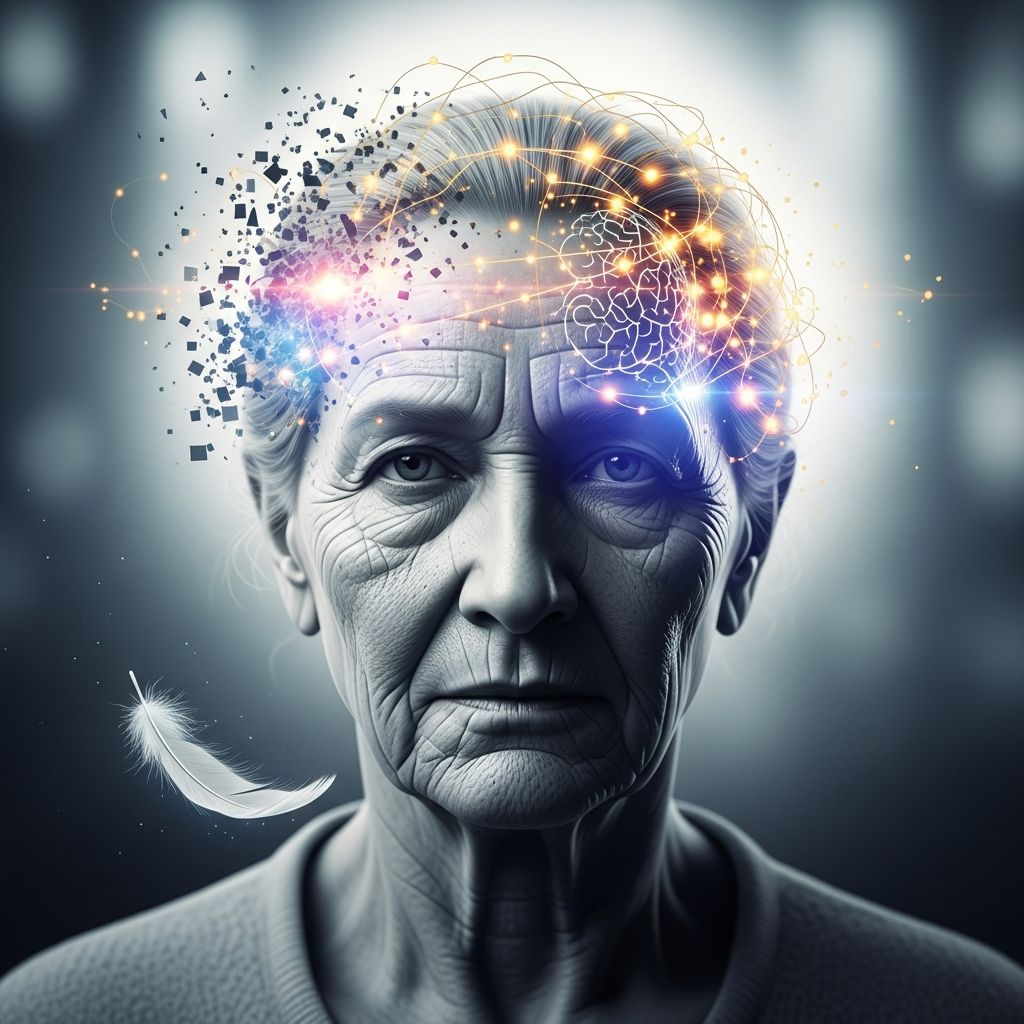
Parkinson’s disease dementia (PDD) represents a significant cognitive complication that arises in many individuals after years of managing the motor aspects of Parkinson’s disease. It involves progressive declines in thinking, memory, and reasoning abilities, often emerging at least one year following the initial motor diagnosis.
The Neurological Foundations of Parkinson’s and Dementia
At its core, Parkinson’s disease stems from the degeneration of neurons in the substantia nigra, a brain region critical for producing dopamine, the neurotransmitter essential for smooth, coordinated movements. This loss leads to hallmark motor symptoms like tremors, rigidity, bradykinesia, and postural instability. As the pathology advances, abnormal protein aggregates known as Lewy bodies—composed primarily of alpha-synuclein—spread to cortical areas responsible for cognition, attention, and executive function. This diffusion transforms the condition from primarily motor to one encompassing profound cognitive impairment.
The relationship between Parkinson’s and dementia is underscored by shared neuropathology with dementia with Lewy bodies (DLB). The primary distinction lies in timing: PDD develops after prolonged motor symptoms (typically over a year), whereas DLB presents cognitive issues concurrently or prior to significant motor deficits. Both fall under the Lewy body dementia spectrum, characterized by fluctuating cognition, visual hallucinations, and parkinsonian features.
Recognizing the Spectrum of Cognitive Changes
Cognitive alterations in Parkinson’s exist on a continuum. Approximately half of patients experience mild cognitive impairment (MCI), involving noticeable yet non-disabling deficits in memory, attention, or planning that do not yet interfere with independence. Progression to full dementia occurs in 40% or more, particularly after 20 years of disease duration, with higher rates linked to advanced age and severe motor involvement.
Core Cognitive Symptoms
- Memory deficits: Short- and long-term recall problems, difficulty learning new information, and forgetting routine tasks like preparing meals.
- Attention and executive dysfunction: Challenges with concentration, multitasking, problem-solving, and sequential planning, often manifesting as slowed processing speed.
- Visuospatial and perceptual issues: Trouble interpreting visual cues, judging distances, or navigating familiar spaces, compounded by color discrimination losses signaling posterior brain degeneration.
Behavioral and Psychiatric Manifestations
Beyond cognition, PDD frequently involves neuropsychiatric symptoms that exacerbate functional decline. Visual hallucinations—vivid perceptions of non-existent entities—affect up to 50% of cases and often precede dementia onset. Delusions, typically paranoid in nature, and mood disturbances like depression, anxiety, apathy, or irritability are common. Sleep disruptions, including REM sleep behavior disorder (RBD) where individuals physically act out dreams, and excessive daytime somnolence further compound daily challenges.
| Symptom Category | Common Examples in PDD | Prevalence/Notes |
|---|---|---|
| Cognitive | Memory loss, poor judgment, visual processing errors | Affects 80%+ in advanced stages |
| Psychiatric | Hallucinations, delusions, depression | Hallucinations in 40-50%; early predictor |
| Sleep/Mood | REM disorder, apathy, anxiety | RBD strongly predicts dementia |
| Motor Overlap | Worsened gait, speech muffling | Gait issues triple risk |
Factors Influencing Dementia Risk in Parkinson’s
Not all Parkinson’s patients develop dementia; identifiable predictors help stratify risk. Longitudinal studies highlight several strong harbingers:
- Early mild cognitive impairment: Baseline MCI elevates dementia risk several-fold.
- Motor severity: Prominent gait instability, postural issues, and falls over tremor-dominant phenotypes.
- Autonomic dysfunction: Cardiovascular symptoms like orthostatic hypotension signal broader neurodegeneration.
- Visual and sleep markers: Color vision deficits and RBD are potent indicators of posterior cortical involvement and future decline.
- Psychotic features: Pre-existing hallucinations or delusions markedly increase odds.
Related Stories



Age at onset, disease duration exceeding 10 years, and lower education levels also contribute. Genetic factors, such as APOE ε4 allele carriage, may modulate susceptibility, though environmental influences remain under study.
Diagnostic Approaches for Accurate Identification
Diagnosing PDD requires excluding alternative causes like Alzheimer’s pathology or medication side effects. Clinicians employ a multi-modal strategy:
- Clinical history: Confirm motor symptoms preceded cognitive decline by >1 year.
- Neuropsychological testing: Assess domains like attention (e.g., digit span), executive function (e.g., Stroop test), and memory (e.g., delayed recall).
- Imaging: MRI rules out vascular contributions; DaTscan differentiates nigrostriatal loss; amyloid PET excludes Alzheimer’s co-pathology.
- Biomarkers: CSF alpha-synuclein levels or MIBG scintigraphy for autonomic involvement.
Differential diagnosis from DLB hinges on symptom chronology, with supportive features like fluctuating alertness aiding confirmation.
Management Strategies: Pharmacologic and Beyond
Treatment targets symptom relief rather than disease modification, given limited disease-altering options. Cholinesterase inhibitors like rivastigmine are first-line for cognitive enhancement, improving attention and daily function with modest benefits. Memantine may aid moderate-to-severe cases. Dopaminergic therapies require cautious titration to minimize hallucinations.
Psychiatric symptoms demand tailored interventions:
- Quetiapine or pimavanserin for hallucinations, avoiding typical antipsychotics due to mortality risk.
- SSRIs for depression/anxiety; CBT for apathy.
- Melatonin or clonazepam for RBD.
Non-pharmacologic pillars include cognitive training, exercise (e.g., aerobic and tai chi for neuroprotection), speech therapy, and occupational adaptations like visual aids.
Caregiver Support and Lifestyle Adaptations
PDD profoundly impacts families, with dual motor-cognitive burdens heightening caregiver strain. Structured routines, memory aids, and safe home modifications mitigate risks. Support groups via organizations like the Michael J. Fox Foundation foster resilience. Advance care planning addresses end-stage needs, emphasizing palliative approaches.
Emerging Research and Future Directions
Ongoing trials explore alpha-synuclein-targeted immunotherapies, GLP-1 agonists for neuroprotection, and gene therapies. Wearables monitoring gait and sleep may enable earlier intervention. Multidisciplinary cohorts underscore holistic management as key to preserving autonomy.
Frequently Asked Questions (FAQs)
Is dementia inevitable in Parkinson’s disease?
No, though 40-80% develop it long-term; risk varies by individual factors.
How does PDD differ from Alzheimer’s?
PDD emphasizes executive/attentional deficits with prominent hallucinations; Alzheimer’s prioritizes memory loss.
Can lifestyle changes delay dementia onset?
Exercise, Mediterranean diet, and cognitive engagement show promise in slowing progression.
What is the life expectancy with PDD?
Typically 4-6 years post-diagnosis, influenced by comorbidities and care quality.
Are there approved drugs to stop PDD?
No disease-modifying treatments exist; symptom management is current standard.
References
- Parkinson’s Disease Dementia | Symptoms & Treatments — Alzheimer’s Association. 2023. https://www.alz.org/alzheimers-dementia/what-is-dementia/types-of-dementia/parkinson-s-disease-dementia
- Dementia’s relationship with Parkinson’s — Dementias Platform UK. 2024. https://www.dementiasplatform.uk/news-and-media/blog/dementias-relationship-with-parkinsons
- Parkinson’s disease – Symptoms and causes — Mayo Clinic. 2025-02-01. https://www.mayoclinic.org/diseases-conditions/parkinsons-disease/symptoms-causes/syc-20376055
- Predictors of dementia in Parkinson disease — PMC (National Library of Medicine). 2014-09-09. https://pmc.ncbi.nlm.nih.gov/articles/PMC4180482/
- Parkinson’s Disease Dementia: What It Is, Symptoms & … — Cleveland Clinic. 2024. https://my.clevelandclinic.org/health/diseases/parkinsons-dementia
- Parkinson’s disease dementia — Alzheimer’s Society UK. 2023. https://www.alzheimers.org.uk/about-dementia/types-dementia/parkinsons-disease
Similar Articles








Read full bio of medha deb