Parkinson’s Disease Causes: Key Insights And Risk Factors
Unraveling the complex causes of Parkinson's disease: from genetic factors and brain changes to environmental triggers.
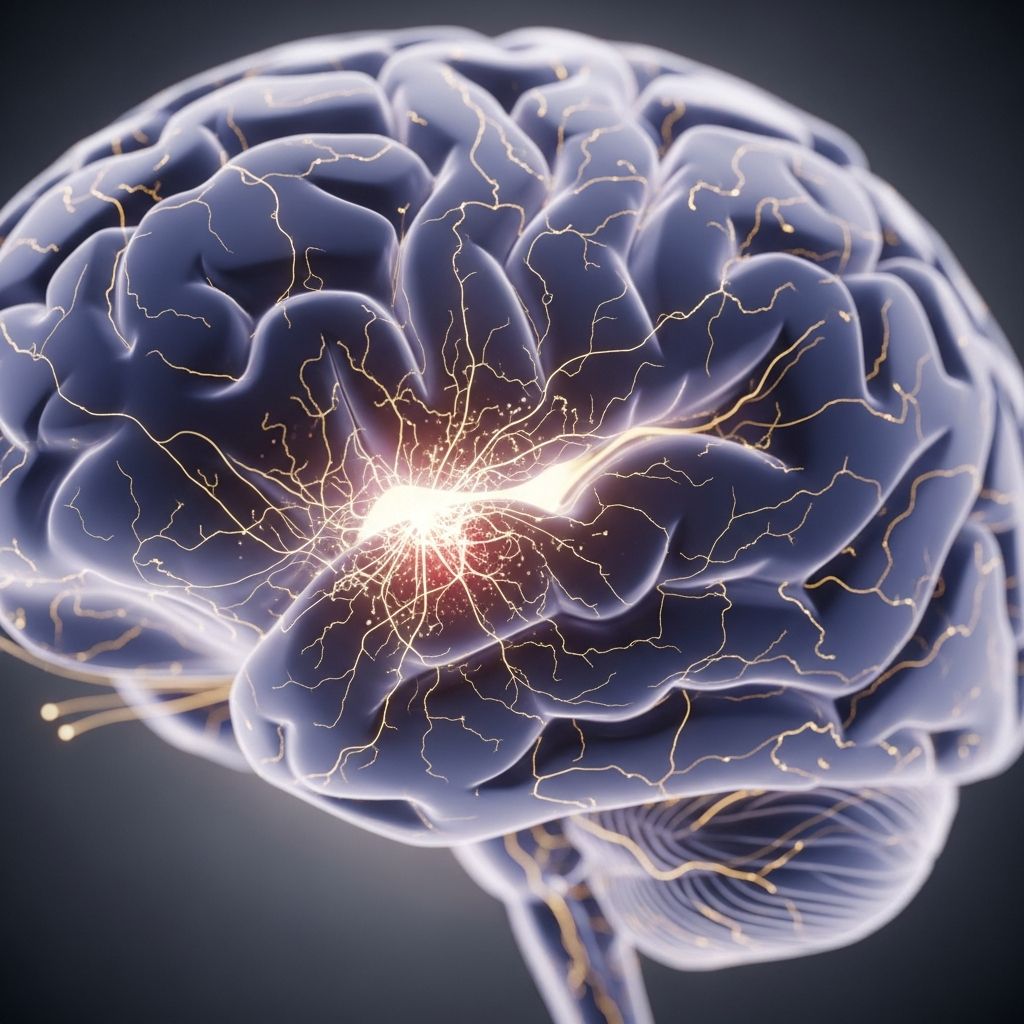
Parkinson’s disease (PD) is a progressive neurodegenerative disorder primarily characterized by the loss of dopamine-producing neurons in the brain, leading to motor symptoms like tremors, stiffness, and slowed movement.
What Is Parkinson’s Disease?
Parkinson’s disease is an age-related degenerative brain condition that causes parts of the brain, particularly the basal ganglia, to deteriorate over time. This deterioration results in a major shift in brain chemistry, specifically a deficiency in dopamine, a neurotransmitter essential for coordinating smooth and balanced muscle activity.
The disease manifests as a movement disorder but also includes non-motor symptoms such as constipation, depression, memory issues, sleep disturbances, and in later stages, dementia-like cognitive decline.
PD is lifelong and progressive, with symptoms worsening gradually. It typically begins after age 50, with an average onset around age 70, though early-onset cases occur in younger individuals.
Causes of Parkinson’s Disease
The exact cause of most Parkinson’s disease cases remains unknown, classified as idiopathic, meaning they arise without a clear trigger. However, researchers have identified several contributing factors that interplay in the disease’s development.
Loss of Dopamine-Producing Neurons
In PD, certain nerve cells (neurons) in the substantia nigra region of the brain break down or die. These neurons produce dopamine, a chemical messenger crucial for regulating movement. The resulting dopamine deficiency disrupts normal brain activity, leading to the hallmark motor symptoms.
Additionally, there’s a loss of norepinephrine, another neurotransmitter that influences blood pressure and other autonomic functions, contributing to non-motor symptoms.
Lewy Bodies and Alpha-Synuclein
Lewy bodies, abnormal clumps of the protein alpha-synuclein, accumulate in brain cells and are a pathological hallmark of PD. These protein aggregates, which cells cannot break down, are toxic and promote neuron damage.
Alpha-synuclein misfolding is a key focus of research; when it clumps, it forms Lewy bodies that interfere with cellular function. This protein has been detected in spinal fluid years before symptoms appear, suggesting it as an early biomarker.
Genetic Factors
Genetics account for about 10% of PD cases, often familial. Mutations in at least seven genes have been linked, with three associated with early-onset disease. Having first-degree relatives with PD increases risk, though absolute risk remains low unless multiple relatives are affected.
- Specific genetic changes are rare but significant in families with a history of PD.
- Inherited forms may present unique features, distinguishing them from idiopathic cases.
Environmental Factors
Exposure to certain toxins heightens PD risk. Pesticides, herbicides, and solvents like MPTP (found in some illicit drugs) have been implicated. Well water consumption and air pollution may also contribute.
Occupations involving prolonged toxin exposure, such as farming or welding, correlate with higher incidence, though not all exposed individuals develop PD.
Alpha-Synuclein and Protein Misfolding
Beyond Lewy bodies, protein misfolding of alpha-synuclein leads to toxic buildup, damaging neurons. This mechanism is shared with other neurodegenerative diseases like Alzheimer’s.
Related Stories



Mitochondrial Dysfunction
Altered mitochondria, the cell’s energy producers, cause energy deficits and oxidative stress, contributing to neuron death in PD brains.
Risk Factors for Parkinson’s Disease
Several factors elevate the likelihood of developing PD, though none guarantee it.
| Risk Factor | Description |
|---|---|
| Age | Risk rises significantly after 50; average onset at 70. Early-onset is rare. |
| Sex | Men are 1.5 times more likely than women. |
| Genetics/Family History | Increased risk with affected relatives, but low overall probability. |
| Toxin Exposure | Pesticides, herbicides, industrial solvents, air pollution. |
Parkinsonism vs. Parkinson’s Disease
Not all Parkinson-like symptoms stem from true PD. Parkinsonism refers to similar conditions caused by medications, vascular issues, or other disorders. True PD diagnosis relies on clinical evaluation, excluding these mimics.
Progression and Complications
As PD advances, symptoms intensify, impacting speech, swallowing, balance, and cognition. Late-stage issues include malnutrition from swallowing difficulties, sleep disorders like REM behavior disorder, and dementia.
- Motor complications: Dyskinesias, dystonias affecting mobility and speech.
- Non-motor: Depression, anxiety, constipation, orthostatic hypotension.
Diagnosis of Parkinson’s Disease
PD diagnosis is clinical, based on medical history, neurological exam, and symptom assessment using scales like the MDS-UPDRS. No definitive lab test exists; imaging or tests rule out alternatives.
Treatment and Management
Though incurable, PD is manageable with levodopa (to replenish dopamine), dopamine agonists, MAO-B inhibitors, and therapies like deep brain stimulation. Lifestyle measures support symptom control.
Prevention and Outlook
PD isn’t preventable due to its unpredictable nature. Early detection and holistic management improve quality of life. Research into alpha-synuclein and genetics offers hope for future therapies.
Frequently Asked Questions (FAQs)
What causes Parkinson’s disease?
The primary cause is the loss of dopamine-producing neurons, compounded by Lewy bodies, genetics (10% of cases), and environmental toxins. Most cases are idiopathic.
Is Parkinson’s disease genetic?
About 10% are hereditary; family history raises risk but doesn’t ensure development.
Can Parkinson’s be prevented?
No proven prevention exists, but minimizing toxin exposure may help. It’s neither contagious nor fully predictable.
Who is at risk for Parkinson’s?
Older adults (over 50), men, those with family history, or exposed to pesticides.
How is Parkinson’s diagnosed?
Through clinical exams and symptom scales; no single test confirms it.
References
- Parkinson’s disease – Symptoms and causes — Mayo Clinic. 2023-10-07. https://www.mayoclinic.org/diseases-conditions/parkinsons-disease/symptoms-causes/syc-20376055
- Parkinson’s Disease: What It Is, Causes, Symptoms & Treatment — Cleveland Clinic. 2023-11-08. https://my.clevelandclinic.org/health/diseases/8525-parkinsons-disease-an-overview
- Parkinson’s 101 — Michael J. Fox Foundation. 2024-01-15. https://www.michaeljfox.org/parkinsons-101
- Parkinson disease — World Health Organization. 2022-09-12. https://www.who.int/news-room/fact-sheets/detail/parkinson-disease
Similar Articles








Read full bio of medha deb