Parkinson’s Disease Causes: Risk Factors And Prevention
Unraveling the complex causes of Parkinson's disease: from genetic factors and brain changes to environmental triggers and risk factors.
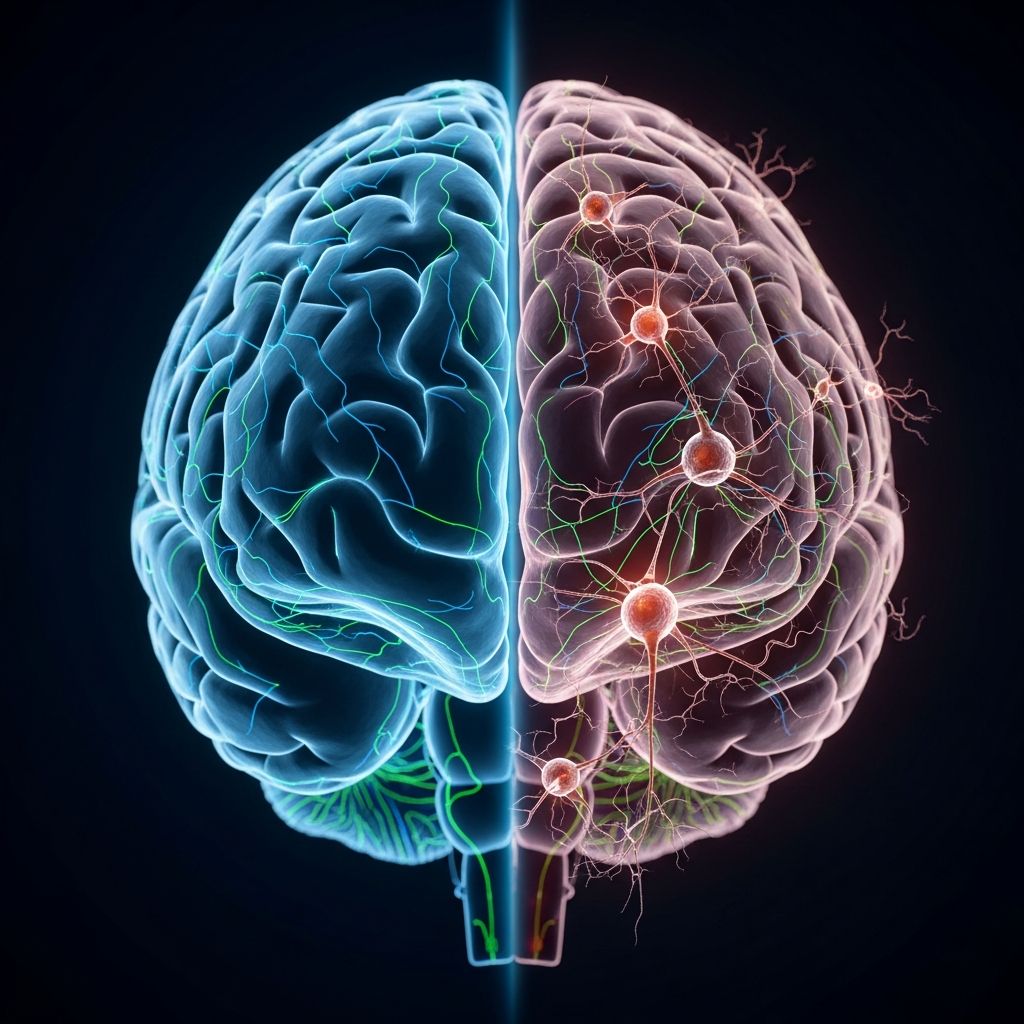
Parkinson’s disease is a progressive neurological disorder that affects movement, stemming primarily from the degeneration of specific brain cells. Understanding its causes involves examining neuron loss, genetic predispositions, environmental exposures, and intricate brain changes. This article delves into these factors, drawing from authoritative medical insights to provide a thorough overview.
What Causes Parkinson’s Disease?
The exact cause of
Parkinson’s disease
remains unknown, but it arises from a combination of genetic and environmental factors leading to the death of neurons in a brain region called the substantia nigra. These neurons producedopamine
, a neurotransmitter essential for smooth, coordinated muscle movement. As dopamine levels drop, brain activity becomes irregular, triggering hallmark symptoms like tremors, stiffness, and slowed movement.Additionally, people with Parkinson’s often experience a loss of
norepinephrine
, another chemical messenger that regulates automatic functions such as blood pressure, heart rate, and digestion. This contributes to non-motor symptoms like orthostatic hypotension and gastrointestinal issues. Researchers believe that the interplay of multiple factors accelerates this neuron breakdown over time.Genetic Factors in Parkinson’s Disease
Genes play a role in a small percentage of Parkinson’s cases, particularly those with a strong family history. Specific genetic mutations are linked to the disease, though they are rare unless multiple family members are affected. For instance, mutations in genes like SNCA, LRRK2, PARK7, and PINK1 have been identified in familial Parkinson’s.
However, most cases are sporadic, not directly inherited. Having a first-degree relative (parent or sibling) with Parkinson’s slightly elevates risk, but the overall probability remains low unless several relatives are impacted. Genetic testing is not routinely recommended for the general population but may be useful in early-onset cases.
- Rare genetic forms: Account for 10-15% of cases, often presenting younger.
- Sporadic cases: Influenced by gene-environment interactions.
Environmental Triggers and Toxins
Exposure to certain environmental toxins increases Parkinson’s risk. Pesticides, herbicides, and industrial chemicals like
MPTP
(a contaminant in synthetic heroin) can destroy dopamine-producing neurons. Ongoing exposure to herbicides and pesticides, common in agricultural workers, has been associated with higher incidence.Drinking well water contaminated with solvents or heavy metals may also contribute. While no single environmental factor definitively causes Parkinson’s, cumulative exposure over years heightens vulnerability, especially in genetically susceptible individuals. Urban living, head trauma from boxing or repeated concussions, and rural pesticide use are noted correlations.
| Environmental Factor | Associated Risk | Examples |
|---|---|---|
| Pesticides/Herbicides | Slightly elevated | Paraquat, rotenone |
| Industrial Toxins | Significant in outbreaks | MPTP |
| Well Water Contaminants | Moderate | Solvents, nitrates |
Brain Changes in Parkinson’s Disease
Several pathological changes occur in the brains of Parkinson’s patients, providing crucial clues to its etiology. These include protein aggregation, mitochondrial dysfunction, and inflammation.
Lewy Bodies and Alpha-Synuclein
Related Stories



**Lewy bodies** are abnormal clumps of proteins that accumulate inside neurons, a defining feature of Parkinson’s. Composed primarily of
alpha-synuclein
, these aggregates disrupt normal cell function and are believed to spread progressively through the brain. Alpha-synuclein in its misfolded, clumped form resists breakdown, leading to neuronal toxicity.Detectable in spinal fluid years before symptoms, alpha-synuclein is a key research focus. Therapies targeting its aggregation, like immunotherapies, are in clinical trials.
Mitochondrial Dysfunction
Mitochondria, the cell’s energy producers, show alterations in Parkinson’s brains. These changes impair energy production, increase oxidative stress, and trigger cell death. Toxins like pesticides exacerbate mitochondrial damage, linking environment to pathology.
Other Brain Alterations
- Neuroinflammation: Activated microglia release inflammatory signals harming neurons.
- Oxidative stress: Free radicals damage dopamine cells.
- Loss of norepinephrine neurons: Affects locus coeruleus, contributing to mood and sleep issues.
Risk Factors for Developing Parkinson’s
Beyond causes, several risk factors influence susceptibility. Age is the most significant, with onset typically after 50, peaking around 70.
- Age: Risk rises sharply after 60; early-onset (under 50) is rare (<10%).
- Sex: Men are 1.5 times more likely than women, possibly due to estrogen’s protective effects.
- Genetics: Family history modestly increases odds.
- Toxin exposure: Farmers, welders at higher risk.
- Head injury: Repeated trauma, as in athletes.
Conversely, protective factors include regular aerobic exercise, caffeine consumption (coffee, tea), and possibly NSAIDs or statins.
Complications Arising from Parkinson’s Causes
The underlying neuron loss leads to broader complications:
- Cognitive issues: Memory loss, dementia in up to 80% late-stage.
- Mood disorders: Depression, anxiety affect 50%.
- Swallowing difficulties: Dysphagia risks malnutrition, aspiration.
- Sleep disturbances: REM behavior disorder, insomnia.
Prevention Strategies
No proven prevention exists, but evidence suggests lifestyle measures may lower risk.
- Exercise: 150 minutes weekly aerobic activity linked to 30-40% risk reduction.
- Caffeine: 3-4 cups coffee daily associated with lower incidence.
- Anti-inflammatories: Ibuprofen use may protect.
- Avoid toxins: Use protective gear in high-risk jobs.
Frequently Asked Questions (FAQs)
What is the main cause of Parkinson’s disease?
The primary cause is the loss of dopamine-producing neurons in the substantia nigra, exacerbated by Lewy bodies and genetic/environmental factors.
Is Parkinson’s disease hereditary?
Only 10-15% of cases are genetic; most are sporadic with minor hereditary influence.
Can environmental toxins cause Parkinson’s?
Yes, pesticides and MPTP increase risk, but they don’t cause it in everyone.
Does age increase Parkinson’s risk?
Strongly; most cases start after age 60.
Can Parkinson’s be prevented?
Not definitively, but exercise and caffeine may help lower risk.
This article synthesizes current understanding of Parkinson’s causes, emphasizing multifactorial origins. Ongoing research into alpha-synuclein and neuroprotection offers hope for future interventions. Consult a neurologist for personalized advice.
References
- Parkinson’s disease – Symptoms and causes — Mayo Clinic Staff. 2024-09-27. https://www.mayoclinic.org/diseases-conditions/parkinsons-disease/symptoms-causes/syc-20376055
Similar Articles








Read full bio of medha deb