Parkinson’s Disease: Symptoms, Causes, Treatment
Comprehensive guide to Parkinson's disease: Understand symptoms, causes, stages, diagnosis, treatments, and living with this progressive neurological disorder.
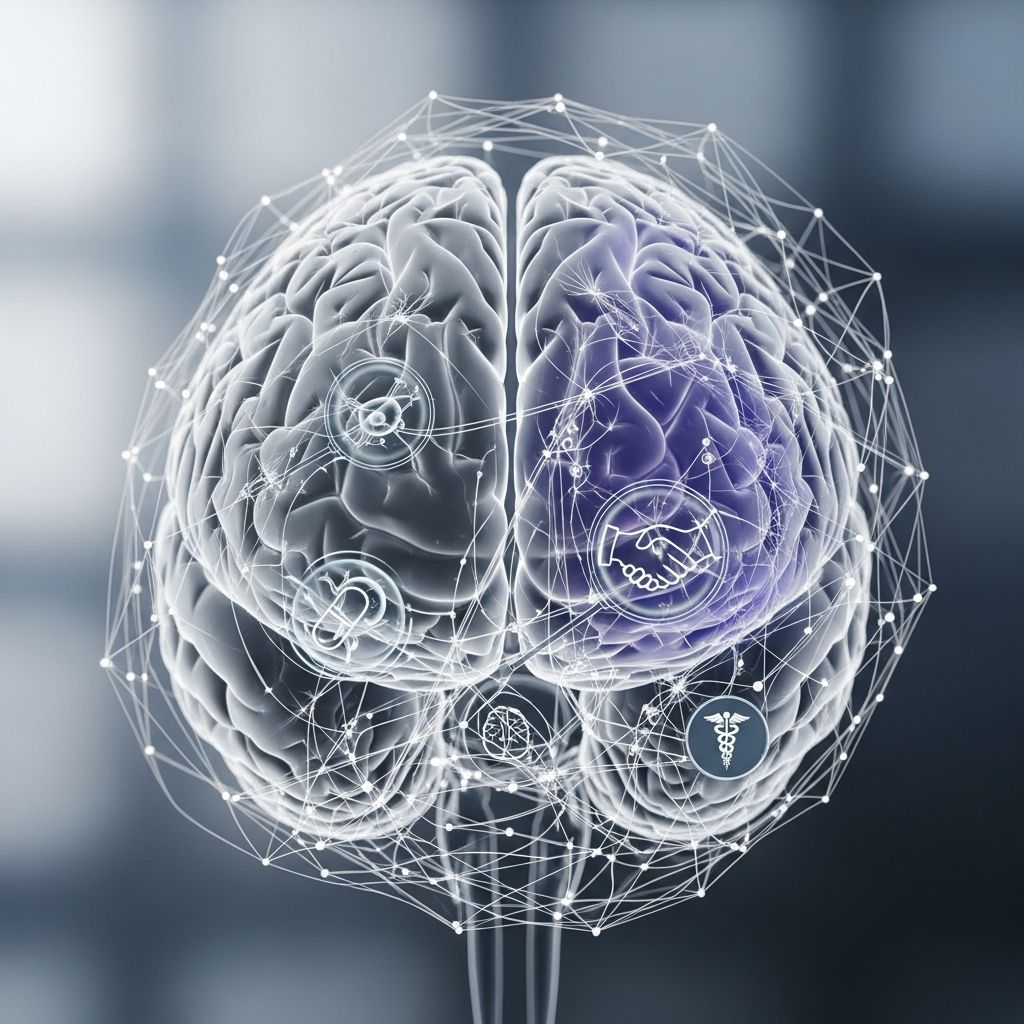
Parkinson’s disease (PD) is a progressive neurodegenerative disorder that primarily affects movement. Characterized by tremors, stiffness, and slowed movement, it impacts millions worldwide. According to the National Institute of Neurological Disorders and Stroke (NINDS), PD results from the loss of dopamine-producing neurons in the substantia nigra region of the brain. This article provides an in-depth overview of symptoms, causes, diagnosis, treatment options, and strategies for living with Parkinson’s.
Symptoms of Parkinson’s Disease
Parkinson’s symptoms typically develop gradually and worsen over time. They are often unilateral at onset, affecting one side of the body before spreading. Early detection can significantly improve quality of life.
Motor Symptoms
- Tremor: A rhythmic shaking, most common at rest, often starting in the hand or fingers (pill-rolling tremor). It affects about 70-80% of patients.
- Bradykinesia: Slowness of movement, making simple tasks like buttoning a shirt challenging.
- Rigidity: Muscle stiffness leading to resistance during passive movement, causing pain and reduced arm swing while walking.
- Postural instability: Balance issues and frequent falls, typically appearing in later stages.
Non-Motor Symptoms
These often precede motor symptoms and include:
- Loss of smell (anosmia)
- Constipation and urinary problems
- Sleep disturbances, including REM sleep behavior disorder
- Cognitive changes, depression, and anxiety
- Fatigue and pain
Causes and Risk Factors
The exact cause of Parkinson’s remains unknown, but it involves a combination of genetic and environmental factors leading to dopamine cell death.
Genetic Factors
Mutations in genes like SNCA, LRRK2, PARKIN, and PINK1 account for 10-15% of cases. Familial Parkinson’s tends to start earlier. The Michael J. Fox Foundation notes that while rare, these mutations provide crucial insights into disease mechanisms.
Environmental Triggers
- Exposure to pesticides like paraquat and rotenone
- Head injuries, as seen in boxers (“punch-drunk syndrome”)
- MPTP, a toxin that induces parkinsonism
Pathophysiology
Dopamine deficiency disrupts basal ganglia circuits. Lewy bodies—protein aggregates containing alpha-synuclein—are hallmark pathological features.
Stages of Parkinson’s Disease
Progression is described using the Hoehn and Yahr scale (stages 1-5):
| Stage | Description |
|---|---|
| 1 | Unilateral involvement, minimal functional impairment |
| 2 | Bilateral symptoms, no balance issues |
| 3 | Mild-moderate disability, postural instability |
| 4 | Severe disability but can stand/walk unassisted |
| 5 | Wheelchair-bound or bedridden |
Progression varies; some live 20+ years post-diagnosis.
Diagnosis of Parkinson’s Disease
No single test confirms PD. Diagnosis relies on medical history, neurological exam, and ruling out mimics.
Clinical Evaluation
- Response to levodopa (80-90% improve, supporting diagnosis)
- DaTscan (SPECT imaging) shows dopamine transporter loss
Differential Diagnosis
| Condition | Distinguishing Features |
|---|---|
| Essential Tremor | Postural/action tremor, family history, responds to alcohol |
| Multiple System Atrophy | Early autonomic failure, cerebellar signs |
| Progressive Supranuclear Palsy | Vertical gaze palsy, rapid progression |
Treatment Options for Parkinson’s Disease
Treatment focuses on symptom management as no cure exists. A multidisciplinary approach is essential.
Medications
- Levodopa/Carbidopa (Sinemet): Gold standard; converts to dopamine. Long-term use causes motor fluctuations (“on-off” phenomenon).
- Dopamine Agonists: Mimic dopamine (pramipexole, ropinirole); fewer motor complications but more side effects like impulse control disorders.
- MAO-B Inhibitors: Rasagiline, selegiline extend dopamine action.
- COMT Inhibitors: Entacapone prolong levodopa effects.
Related Stories



Surgical Treatments
Deep Brain Stimulation (DBS): Electrodes implanted in subthalamic nucleus or globus pallidus reduce tremors and dyskinesias. FDA-approved since 1997; 2023 studies confirm sustained benefits up to 15 years.
Emerging Therapies
- Focused ultrasound for unilateral tremor
- GLP-1 agonists (exenatide) showing disease-modifying potential in trials
- Gene therapy targeting alpha-synuclein
Living with Parkinson’s Disease
Exercise and Physical Therapy
Regular aerobic exercise (cycling, boxing, tai chi) slows progression. A 2022 JAMA Neurology meta-analysis found exercise improves motor function equivalent to medications.
Speech and Occupational Therapy
- Lee Silverman Voice Treatment (LSVT LOUD) for hypophonia
- Adaptive equipment for daily tasks
Diet and Lifestyle
- Mediterranean diet rich in antioxidants
- Caffeine and green tea may offer protection
- Avoid polypharmacy; manage constipation proactively
Caregiver Support
Caregivers face high burnout rates. Respite care and support groups are vital.
Prognosis and Complications
Life expectancy nears normal with treatment. Main complications: falls (40% fracture risk), pneumonia, dementia (30-80% develop it). Early intervention mitigates risks.
Research and Future Directions
Ongoing trials target neuroprotection: GDNF infusion, stem cell transplants, alpha-synuclein vaccines. The Parkinson’s Foundation funds $90+ million in research annually.
Frequently Asked Questions (FAQs)
Is Parkinson’s disease hereditary?
Most cases (85-90%) are sporadic. Genetic forms are rare but screening is recommended for early-onset or familial cases.
Can Parkinson’s be cured?
No cure exists, but treatments effectively manage symptoms for decades, maintaining independence.
Does exercise help Parkinson’s patients?
Yes, vigorous exercise is neuroprotective, improving balance, gait, and mood.
What is the average life expectancy with Parkinson’s?
15-20 years post-diagnosis, approaching normal with optimal care.
Can young people get Parkinson’s?
Yes, young-onset PD (<50 years) affects 5-10%; often genetic.
References
- Parkinson’s Disease Information Page — National Institute of Neurological Disorders and Stroke. 2024-05-15. https://www.ninds.nih.gov/health-information/disorders/parkinsons-disease
- Deep Brain Stimulation at 25 Years — Neurology (AAN). 2023-09-12. https://www.neurology.org/doi/10.1212/WNL.0000000000209000
- Exercise for Parkinson’s Disease — JAMA Neurology. 2022-06-27. https://jamanetwork.com/journals/jamaneurology/fullarticle/2792229
- What is Parkinson’s? — Parkinson’s Foundation. 2025-01-10. https://www.parkinson.org/understanding-parkinsons/what-is-parkinsons
- Parkinson’s Disease: Genetics and Pathogenesis — The Lancet Neurology. 2024-03-01. https://www.thelancet.com/journals/laneur/article/PIIS1474-4422(24)00045-6/fulltext
- Michael J. Fox Foundation: Parkinson’s 101 — Michael J. Fox Foundation. 2024-11-20. https://www.michaeljfox.org/news/parkinsons-101
Similar Articles








Read full bio of Sneha Tete