Parkinson’s Disease and Dermatological Manifestations
Understanding cutaneous symptoms and management strategies for Parkinson's patients
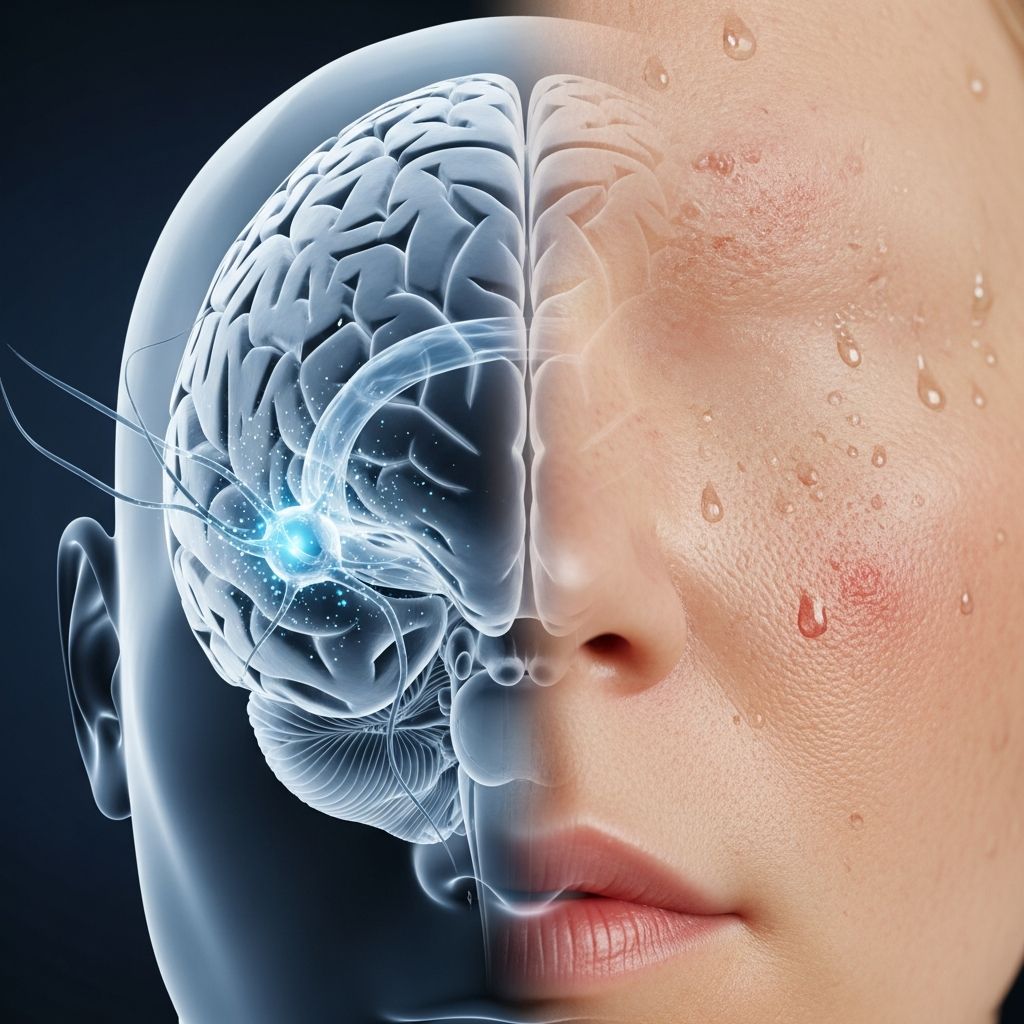
Parkinson’s disease extends far beyond the motor symptoms most people associate with the condition. One of the frequently overlooked yet significant aspects of this neurodegenerative disorder involves changes to the skin and perspiration patterns. These cutaneous manifestations affect a substantial portion of individuals living with Parkinson’s, impacting their quality of life and requiring targeted management strategies.
The skin serves as a window into the broader systemic effects of Parkinson’s disease. When the nervous system becomes compromised by Parkinson’s pathology, it disrupts the delicate regulation of sebaceous gland function, thermoregulation, and the skin’s protective barrier. Understanding these changes helps patients and healthcare providers develop effective coping mechanisms and recognize potential complications early.
The Biology Behind Oily and Flaky Skin
One of the most common dermatological presentations in individuals with Parkinson’s disease involves excessive oiliness on the face and scalp. This occurs due to alterations in how the body regulates sebaceous gland activity. The sebaceous glands produce sebum, a waxy substance that normally protects the skin from drying out and maintains its integrity. In Parkinson’s disease, these glands become overactive, leading to an accumulation of sebum that gives the skin a greasy, shiny appearance.
The increased sebum production creates an environment where the skin microbiota flourishes. Malassezia, a type of yeast naturally present on human skin, thrives in oily conditions. Research suggests that Parkinson’s disease may trigger hormonal changes that amplify sebum production, subsequently increasing Malassezia populations on the skin surface. This cascading biological process explains why oily skin often accompanies or precedes other dermatological complications in Parkinson’s patients.
The flakiness that frequently accompanies oily skin in Parkinson’s patients presents a paradoxical challenge. While excess sebum production might suggest moist skin, the underlying dysfunction of the skin barrier can simultaneously compromise its ability to retain moisture evenly. This creates a mixed skin condition where some areas remain excessively oily while others develop dry patches and flaking, particularly across the scalp and facial regions.
Seborrheic Dermatitis: A Prevalent Complication
Seborrheic dermatitis represents one of the most frequent skin conditions associated with Parkinson’s disease, affecting more than half of the patient population. Unlike the general population where seborrheic dermatitis occurs sporadically, its prevalence in Parkinson’s patients suggests a direct pathophysiological connection related to the disease itself.
This inflammatory skin condition manifests as red, scaly patches that frequently develop in areas rich with sebaceous glands. The most commonly affected regions include:
- The facial area, particularly around the nose, mouth, and eyebrows
- The scalp, where it may present as stubborn dandruff or more severe scaling
- Behind and around the ears, sometimes extending into the ear canal
- The chest and other areas with high concentrations of oil-producing glands
- The eyelids, a condition specifically termed seborrheic blepharitis
The clinical presentation varies in severity. Some individuals experience mild symptoms limited to dandruff-like flaking, while others develop thick white or yellow crusts, intense itching, and visible inflammation. When seborrheic dermatitis affects the eyelids, it can cause redness, sensitivity, and discomfort during daily activities.
The pathophysiology of seborrheic dermatitis in Parkinson’s disease involves dysregulation of the autonomic nervous system. Some researchers propose that seborrheic dermatitis may actually represent a premotor feature of Parkinson’s disease—potentially appearing before the classic motor symptoms emerge. This observation has significant implications for early disease recognition and diagnosis.
Managing Excessive Dryness and Moisture Loss
Paradoxically, while many Parkinson’s patients struggle with oily skin and seborrheic dermatitis, others experience the opposite problem: extreme dryness. This variation underscores how Parkinson’s disease affects different individuals differently, depending on their specific disease presentation and medication regimen.
Dry skin in Parkinson’s disease results from impaired epidermal barrier function and reduced sebum distribution across the skin surface. When the skin becomes excessively dry, it loses its protective capabilities, becomes more prone to cracking and irritation, and develops a tight, uncomfortable sensation.
Management strategies for dry skin include:
- Regular application of thick moisturizers, preferably those containing ceramides or hyaluronic acid
- Using hair conditioners on affected scalp areas to restore moisture
- Avoiding harsh soaps and cleansers that further compromise the skin barrier
- Limiting hot water exposure, as heat exacerbates moisture loss
- Using humidifiers in living spaces to increase ambient moisture
- Consulting with a dermatologist to identify appropriate skincare products and prescription treatments
Dermatologists can recommend specific product formulations and, when necessary, prescribe topical medications to address severe dryness and associated inflammation.
Sweating Abnormalities and Thermoregulation Dysfunction
Parkinson’s disease disrupts the autonomic nervous system’s regulation of sweat glands, leading to two opposing problems: excessive sweating or profoundly insufficient perspiration. These sweating abnormalities significantly impact comfort, hygiene, and overall quality of life.
Excessive Sweating Patterns
Many Parkinson’s patients experience episodes of profuse sweating that seem disproportionate to environmental temperature or physical activity level. These episodes frequently occur at night, drenching clothing and bedding and disrupting sleep quality. Some individuals report excessive sweating limited to specific body areas, such as the palms of the hands or soles of the feet.
A significant portion of excessive sweating cases correlates with medication fluctuations, particularly in patients taking carbidopa-levodopa (commonly known by the brand name Sinemet). This sweating may represent a “wearing off” symptom that occurs as medication levels decline between doses. As the therapeutic effect of the medication diminishes, patients experience not only motor symptom resurgence but also autonomic symptoms including sudden sweating episodes.
Strategies to manage excessive sweating include:
- Wearing moisture-wicking fabrics that facilitate sweat evaporation
- Using antiperspirant products, though effectiveness may vary
- Maintaining cooler ambient temperatures through air conditioning or fans
- Timing activities to avoid heat exposure when possible
- Adjusting Parkinson’s medication timing or dosage with physician guidance to minimize wearing-off periods
- Exploring medications that may have sweating as a less common side effect
- Consulting a dermatologist about prescription antiperspirant formulations
Insufficient Perspiration
Conversely, some Parkinson’s patients develop the opposite problem: an inability to sweat adequately or at all in response to heat. This condition carries more serious health implications because sweating serves the critical function of thermoregulation. Without adequate perspiration, the body cannot effectively cool itself, increasing risk of heat-related illness.
Insufficient sweating sometimes results from medication side effects rather than Parkinson’s disease itself. Patients and caregivers must work closely with healthcare providers to balance symptom management against unintended consequences that compromise thermoregulation.
Management includes:
- Proactively cooling the body through air conditioning and fans
- Avoiding excessive heat exposure and strenuous activity during hot weather
- Wearing light, loose-fitting clothing
- Staying well-hydrated to support whatever cooling mechanisms remain functional
- Reviewing medications with healthcare providers to identify problematic agents
- Considering medication adjustments if sweating dysfunction substantially impacts quality of life
Rosacea and Facial Vascular Reactivity
Emerging research has identified an association between Parkinson’s disease and rosacea, a chronic condition characterized by facial flushing, persistent redness, and sometimes visible blood vessels on the face. While the exact mechanisms linking these conditions remain incompletely understood, evidence suggests shared pathogenic pathways involving vascular reactivity and immune activation.
Rosacea in Parkinson’s patients typically manifests as chronic facial redness and an exaggerated blushing response to various triggers including temperature extremes, spicy foods, hot beverages, and alcoholic drinks. Some individuals develop visible dilated blood vessels (telangiectasia) or even acne-like bumps on the face.
Trigger avoidance represents the first-line approach to managing rosacea:
- Identifying and limiting personal triggers (spicy food, hot drinks, alcohol, extreme temperatures)
- Wearing protective sunscreen with SPF 30 or higher daily
- Using facial sun protection during cold weather
- Avoiding extreme temperature fluctuations
- Using gentle skincare products formulated for sensitive skin
Healthcare providers may recommend topical creams or oral antibiotics for more significant rosacea symptoms, though these should be prescribed and monitored by qualified physicians.
Malignant Melanoma Risk and Dermatological Surveillance
One of the most clinically significant associations between Parkinson’s disease and dermatology involves substantially elevated melanoma risk. Multiple studies have documented that individuals with Parkinson’s disease develop malignant melanoma at rates two to seven times higher than the general population, depending on the specific research cohort and methodology.
This dramatically elevated risk necessitates heightened vigilance regarding skin cancer screening. Melanomas that develop in Parkinson’s patients show concerning tendencies toward more aggressive behavior, including greater likelihood of spreading to internal organs compared to melanomas in the general population.
Several mechanisms may explain the increased melanoma risk in Parkinson’s patients:
- Oxidative stress and mitochondrial dysfunction associated with neurodegeneration may extend to skin cells
- Protein mishandling and accumulation of abnormal proteins affects dermatological tissues
- Genetic factors associated with Parkinson’s risk (such as certain polymorphisms linked to hair color) may independently increase melanoma susceptibility
- Autonomic nervous system dysregulation may impair skin’s natural protective mechanisms
Recommended Screening and Prevention
Given the substantially elevated melanoma risk, dermatological best practices recommend:
- Annual dermatology screenings for all individuals with Parkinson’s disease, beginning promptly after diagnosis
- Full-body skin examinations including assessment of less visible areas
- Photographic documentation of existing moles and lesions for comparison over time
- Patient education regarding ABCDE criteria for suspicious lesion recognition (Asymmetry, Border irregularity, Color variation, Diameter exceeding 6mm, Evolving or changing)
- Sun protection measures including broad-spectrum sunscreen use and protective clothing
- Early intervention for any suspicious lesions through prompt dermatological evaluation
Patients should report any new skin growths, changes in existing moles, or concerning pigmented lesions to their healthcare providers immediately rather than waiting for scheduled appointments.
Integrating Dermatological Management into Parkinson’s Care
Effective management of Parkinson’s-associated skin conditions requires collaborative communication between neurology providers and dermatologists. Neurologists must inform dermatologists about the specific Parkinson’s medications the patient takes, as some medications may contribute to or exacerbate skin problems. Similarly, dermatologists should inform neurologists about skin treatments prescribed, ensuring no adverse interactions with Parkinson’s medications occur.
Patients benefit from establishing relationships with dermatologists who understand Parkinson’s disease and recognize how neurological medications influence skin health. This specialized understanding enables more sophisticated therapeutic approaches that address underlying disease mechanisms rather than merely treating surface symptoms.
Practical Daily Management Strategies
Beyond medical interventions, individuals with Parkinson’s can implement practical strategies to minimize skin-related discomfort:
| Skin Condition | Daily Management Approach | Product Recommendations |
|---|---|---|
| Oily/Flaky Skin | Gentle cleansing without harsh products; targeted moisturizing of dry areas | Oil-control cleansers; lightweight, non-comedogenic moisturizers |
| Seborrheic Dermatitis | Regular but gentle shampooing; scalp treatment; facial care | Medicated shampoos; antifungal creams when recommended |
| Dry Skin | Frequent moisturizing; humidifier use; protective clothing | Heavy moisturizers; ceramide-based products; fragrance-free options |
| Excessive Sweating | Moisture-wicking clothing; temperature control; dose timing adjustment | Antiperspirant products; breathable fabrics |
| Insufficient Sweating | Proactive cooling; hydration; heat avoidance | Cooling devices; light clothing; fans |
Frequently Asked Questions
Can skin changes appear before motor Parkinson’s symptoms?
Yes, research suggests seborrheic dermatitis may represent a premotor feature of Parkinson’s disease, potentially appearing years before classic motor symptoms like tremor emerge. Individuals experiencing persistent seborrheic dermatitis alongside other risk factors should discuss Parkinson’s disease screening with their healthcare provider.
Are skin problems in Parkinson’s disease permanent?
Many skin conditions associated with Parkinson’s can be effectively managed with appropriate treatments and lifestyle modifications. However, the underlying disease process typically persists, so ongoing management remains necessary. Some conditions may improve with medication adjustments, while others require long-term dermatological support.
Do all Parkinson’s medications cause skin problems?
No, but some medications more frequently cause or contribute to skin issues. Carbidopa-levodopa, for example, may trigger sweating abnormalities during wearing-off periods. Healthcare providers can work with patients to identify which medications might be contributing to specific skin problems and explore alternatives if necessary.
What should I do if I notice a new skin lesion?
Report any new, changing, or suspicious skin lesions to your dermatologist promptly, rather than waiting for a scheduled appointment. Given the elevated melanoma risk in Parkinson’s disease, early professional evaluation of any concerning lesions is essential.
Can dermatological skincare products interact with Parkinson’s medications?
While topical skincare products generally don’t interact significantly with Parkinson’s medications, some treatments may. Always inform your neurologist about dermatological treatments you use, and inform your dermatologist about your Parkinson’s medications to ensure safe, compatible treatment plans.
When to Seek Professional Dermatological Evaluation
Patients should schedule dermatological consultations for Parkinson’s-related skin concerns when symptoms interfere with daily functioning, cause significant discomfort, show signs of infection (increased redness, warmth, drainage, or odor), or when seborrheic dermatitis fails to respond to over-the-counter treatments after several weeks.
Additionally, anyone with Parkinson’s disease should establish annual dermatological care specifically for melanoma screening, regardless of whether other skin problems exist. This proactive surveillance approach can identify potentially dangerous lesions before they progress to more advanced stages.
References
- Skin Changes — Parkinson’s Foundation. Accessed 2026. https://www.parkinson.org/understanding-parkinsons/non-movement-symptoms/skin
- Skin and Sweating Changes — Parkinson’s UK. Accessed 2026. https://www.parkinsons.org.uk/information/symptoms/non-motor/skin-sweating-changes
- Skin and Sweating Problems in Parkinson’s Disease — Stanford Medicine. Accessed 2026. https://med.stanford.edu/parkinsons/symptoms-PD/skin-sweating-temperature.html
- Skin disorders in Parkinson’s disease: potential biomarkers and risk factors — National Center for Biotechnology Information. Published 2021. https://pmc.ncbi.nlm.nih.gov/articles/PMC5352163/
- Parkinson’s Disease and Skin — PubMed. Published 2020. https://pubmed.ncbi.nlm.nih.gov/33248395/
- Sweating and Other Skin Problems in People with Parkinson’s Disease — American Parkinson Disease Association. Accessed 2026. https://www.apdaparkinson.org/article/sweating-and-skin-problems/
Similar Articles








Read full bio of Sneha Tete