Parkinson’s Disease Tremor: Causes, Types, and Management
Understanding resting tremor in Parkinson's disease and evidence-based treatment options

Tremor, characterized as involuntary rhythmic shaking, represents one of the most recognizable symptoms of Parkinson’s disease. Affecting approximately 80% of individuals diagnosed with this neurological condition, tremor frequently serves as the initial movement-related symptom that prompts medical evaluation. However, despite its prevalence in public perception, tremor does not necessarily constitute the most disabling aspect of Parkinson’s disease for the majority of patients. Understanding the distinctive characteristics of Parkinson’s-related tremor and differentiating it from other tremor disorders is essential for accurate diagnosis and appropriate clinical management.
The Neurological Foundation of Parkinson’s Tremor
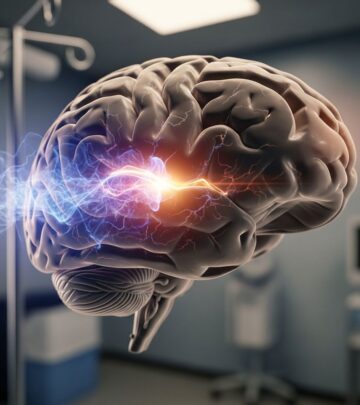
Parkinson’s disease develops when neurons in the brain that produce dopamine gradually deteriorate. Dopamine serves a critical regulatory function in coordinating voluntary movements by fine-tuning motor signals sent from the brain to muscles. When dopamine levels decline, the brain loses its ability to properly modulate muscle contractions, resulting in the characteristic involuntary shaking observed in Parkinson’s patients. The severity and progression of tremor symptoms correlate directly with the progressive loss of dopamine-producing cells in specific brain regions responsible for motor control.
Distinguishing Features of Parkinson’s-Associated Tremor
The tremor characteristic of Parkinson’s disease exhibits specific patterns that differentiate it from tremor disorders caused by other medical conditions. The most defining feature is its classification as a resting tremor—meaning the involuntary shaking occurs primarily when affected body parts are relaxed and stationary. This fundamental distinction proves clinically significant because the tremor typically diminishes or resolves entirely when the person actively engages the affected limb in intentional movement.
For example, an individual might experience noticeable hand shaking while sitting passively in a chair, yet the tremor becomes barely perceptible or disappears completely when reaching out to grasp an object or shake someone’s hand. This paradoxical pattern—where voluntary movement suppresses the tremor—represents one of the most reliable diagnostic indicators of Parkinson’s disease. Research indicates that approximately half of Parkinson’s patients may also experience action tremor when holding their arms extended outward, adding complexity to tremor presentation.
Asymmetrical Onset and Progression
Another characteristic feature of Parkinson’s tremor is its typical asymmetrical pattern, meaning it usually begins on one side of the body and remains the more severely affected side throughout the disease course. Many patients experience tremor affecting only one side of the body for extended periods, and some individuals never develop bilateral tremor symptoms. This unilateral or predominantly unilateral pattern distinguishes Parkinson’s tremor from certain other medical conditions where tremor affects both sides of the body symmetrically from onset.
Anatomical Distribution of Tremor Manifestations
While tremor in Parkinson’s disease can theoretically affect any body location, certain areas demonstrate higher prevalence rates. Understanding where tremor most commonly appears helps patients and clinicians recognize the symptom and track disease progression.
Hand and Finger Tremors
The hands and fingers represent the most common sites for Parkinson’s tremor onset. The classic presentation, frequently referenced in medical literature as pill-rolling tremor, visualizes the shaking motion as if the patient were continuously rolling a small pill between the thumb and index finger. The oscillating motion typically progresses in a slow, rhythmic fashion. Beyond the characteristic pill-rolling appearance, tremor can manifest as supination and pronation movements—where the hand repeatedly turns with the palm facing upward and downward. These finger and hand tremors can significantly impair practical daily activities including writing, eating with utensils, grooming, and maintaining personal hygiene.
Related Stories



Jaw and Oral Tremors
Jaw tremor occurs frequently in Parkinson’s disease patients, visually resembling shivering although typically slower and more rhythmic. The tremor appears most pronounced during rest and completely resolves during the act of chewing, which explains why engaging the jaw muscles through mastication or gum chewing effectively suppresses the symptom. For individuals experiencing severe jaw tremor, the continuous teeth chattering can prove socially embarrassing and interfere with denture retention. Tongue tremor remains relatively rare in Parkinson’s disease, though when present, it can produce head movement that appears disconcerting to observers.
Leg and Foot Tremors
Leg and foot tremors in Parkinson’s disease manifest distinctly during rest, becoming most apparent when feet dangle freely or when the patient is lying down. The tremor completely disappears during standing and does not interfere with walking, distinguishing Parkinson’s-related leg tremor from other neurological conditions. The tremor may originate in the feet alone or extend through the thigh musculature, creating the appearance of the entire leg shaking. It is important to note that leg tremor occurring while standing typically indicates a condition other than Parkinson’s disease.
Internal Tremor Sensation
Some Parkinson’s patients report experiencing internal tremor—a shaking sensation felt deep within the chest, abdomen, or limbs that remains invisible to outside observers. This subjective experience of vibration, despite absence of visible movement, can be just as distressing as observable tremor and warrants attention from healthcare providers even though standard clinical examination may not confirm external shaking.
Factors Influencing Tremor Severity and Expression
Multiple situational and physiological factors modulate the intensity and manifestation of Parkinson’s tremor, independent of the underlying disease progression. Recognizing these triggering elements helps patients anticipate symptom fluctuations and healthcare providers understand patient-reported experiences.
Emotional and Psychological Stressors: Tremor intensity frequently increases in response to psychological stress, anxiety, embarrassment, or intense emotional experiences. The heightened sympathetic nervous system activation during emotional arousal exacerbates motor symptoms, which explains why tremor often worsens during social situations or when patients feel observed.
Fatigue and Physical Exhaustion: Accumulated fatigue, whether from inadequate sleep or prolonged physical activity, temporarily worsens tremor manifestations. This connection between fatigue and symptom severity suggests that proper sleep hygiene and paced activity management represent important non-pharmacological symptom management strategies.
Sleep Suppression: Tremor characteristically resolves entirely during sleep, providing patients temporary relief from visible motor symptoms despite the underlying neurological dysfunction continuing. This sleep-related suppression occurs naturally and represents one of the few times throughout the day when Parkinson’s patients experience complete tremor cessation.
Distinguishing Parkinson’s Tremor from Essential Tremor
Essential tremor, the most common movement disorder in the general population, produces tremor symptoms superficially similar to Parkinson’s disease but with fundamentally different underlying mechanisms and clinical characteristics. Accurate differentiation proves clinically crucial because misdiagnosis leads to inappropriate treatment and delayed appropriate care.
| Feature | Parkinson’s Tremor | Essential Tremor |
|---|---|---|
| Timing of Occurrence | Primarily at rest; lessens with intentional movement | During active movement; diminishes at rest |
| Most Commonly Affected Areas | Hands and fingers, then jaw and feet | Hands, head, and voice |
| Head and Voice Involvement | Rare in Parkinson’s disease | Common in essential tremor |
| Associated Symptoms | Bradykinesia, rigidity, postural instability | Tremor often occurs in isolation |
| Disease Progression | Progressive neurological disease affecting multiple systems | Benign condition with variable severity |
The fundamental distinction lies in tremor timing relative to voluntary movement. Essential tremor patients experience uncontrollable shaking precisely when attempting to perform deliberate actions like eating, writing, or dressing, with tremor immediately resolving upon cessation of movement. This action-induced tremor pattern directly opposes Parkinson’s resting tremor, creating a clear diagnostic differentiation point. Additionally, essential tremor frequently affects the head and voice—manifestations rarely observed in Parkinson’s disease—further supporting diagnostic differentiation.
Complicating the clinical picture, some individuals develop both conditions simultaneously, and emerging evidence suggests a possible increased association between Parkinson’s disease and essential tremor beyond what chance alone would predict. Healthcare providers must therefore maintain awareness that tremor presentation may not cleanly fit one category, requiring comprehensive neurological assessment rather than relying solely on tremor characteristics for diagnosis.
Management Approaches for Parkinson’s Tremor
Multiple evidence-based treatment modalities address Parkinson’s tremor, ranging from pharmacological interventions to surgical procedures and supportive therapeutic approaches. Treatment selection depends on individual symptom severity, treatment response, side effect tolerability, and patient preferences regarding intervention intensity.
Pharmacological Management
Levodopa Therapy: Levodopa, the gold-standard medication for Parkinson’s disease, effectively manages tremor by increasing brain dopamine levels through the dopamine synthesis pathway. By restoring dopamine signaling in motor control circuits, levodopa reduces tremor intensity and allows patients to suppress remaining tremor through intentional movement more effectively.
Dopamine Agonists: Additional medication classes that directly stimulate dopamine receptors provide alternative or supplementary tremor management, particularly for patients experiencing adverse effects from levodopa or requiring dosage optimization.
Surgical Intervention
Deep Brain Stimulation (DBS): For patients experiencing inadequate tremor control through medication optimization or suffering medication side effects, deep brain stimulation offers a surgical option. DBS involves implanting electrode arrays in specific brain regions and connecting them to an implanted pulse generator that delivers targeted electrical stimulation. This neuromodulation technique effectively reduces tremor and other Parkinson’s symptoms while allowing continued medication use at potentially reduced dosages. DBS requires careful patient selection, neurosurgical expertise, and ongoing management but provides sustained symptom relief for appropriately selected candidates.
Supportive and Rehabilitative Therapies
Exercise and Physical Activity: Regular physical activity provides multi-faceted benefits for Parkinson’s tremor management. Exercise naturally activates musculature, which suppresses resting tremor through the same mechanism that suppresses tremor during voluntary movement. Additionally, physical conditioning improves overall motor control and neuromuscular coordination, enhancing functional capacity despite residual tremor.
Assistive Devices and Adaptive Strategies: When tremor interferes with specific functional activities despite pharmacological management, assistive devices can maintain independence and quality of life. Weighted utensils, adaptive grips on writing instruments, ergonomic modifications to daily living equipment, and tremor-stabilizing devices help compensate for involuntary shaking. Occupational therapists specializing in Parkinson’s disease can recommend environment modifications and task-specific adaptations tailored to individual tremor manifestations and functional limitations.
Stress Reduction and Relaxation Techniques: Since emotional stress temporarily exacerbates tremor, stress management approaches including meditation, mindfulness, relaxation exercises, and cognitive behavioral strategies may help patients minimize stress-related symptom fluctuations.
Frequently Asked Questions About Parkinson’s Tremor
Does tremor indicate more severe Parkinson’s disease?
Tremor presence does not correlate with overall disease severity or progression rate. Some patients with prominent tremor experience slow disease progression and minimal other motor impairment, while others with minimal tremor develop significant bradykinesia and rigidity. Tremor severity and other Parkinson’s symptoms develop independently along different pathways.
Will tremor eventually affect both sides of the body?
Although tremor typically begins asymmetrically, bilateral involvement does not inevitably develop. Many patients experience tremor affecting predominantly one side throughout their disease course, while others eventually develop bilateral symptoms as disease progresses.
Can Parkinson’s tremor cause physical injury?
While tremor itself does not typically cause tissue damage, severe tremor can result in accidental injuries from dropping objects, spilling hot liquids, or falls when tremor affects balance-critical areas. Additionally, jaw tremor causing teeth chattering may rarely result in dental damage if severe enough.
Why does tremor disappear during sleep?
The neural mechanisms underlying tremor suppression during sleep remain incompletely understood, but the phenomenon occurs consistently in Parkinson’s disease patients. This natural tremor resolution during sleep demonstrates that the fundamental neurological dysfunction driving tremor can be temporarily overridden by sleep-related brain state changes.
Conclusion
Parkinson’s disease tremor, while perhaps the most visibly recognizable symptom of this progressive neurological condition, represents just one aspect of a complex multisystem disorder. The characteristic resting tremor that defines Parkinson’s-associated shaking, its asymmetrical onset, and its distinctive suppression with intentional movement create a clinical signature distinguishable from other tremor disorders. Through comprehensive understanding of tremor mechanisms, recognition of precipitating factors, accurate differentiation from mimicking conditions, and implementation of evidence-based management strategies, patients and healthcare providers can optimize symptom control and maintain functional independence across disease stages. As research continues elucidating the neurobiology of Parkinson’s tremor and advancing therapeutic options, prognosis for effective symptom management continues improving.
References
- Parkinson’s disease – Symptoms — National Health Service (NHS). https://www.nhs.uk/conditions/parkinsons-disease/symptoms/
- Tremor – Parkinson’s Foundation — Parkinson’s Foundation. https://www.parkinson.org/understanding-parkinsons/movement-symptoms/tremor
- Tremor in Parkinson’s — American Parkinson Disease Association (APDA). https://www.apdaparkinson.org/what-is-parkinsons/symptoms/tremor/
- Parkinson’s Tremors: Types, Symptoms, and Treatment — WebMD. https://www.webmd.com/parkinsons-disease/parkinsons-tremors
- Parkinson’s Disease vs. Essential Tremor — Mass General Brigham. https://www.massgeneralbrigham.org/en/about/newsroom/articles/essential-tremor-vs-parkinsons
- Parkinson’s Disease: What It Is, Causes, Symptoms & Treatment — Cleveland Clinic. https://my.clevelandclinic.org/health/diseases/8525-parkinsons-disease-an-overview
Similar Articles








Read full bio of Sneha Tete