Parkinson’s Medications Guide: Key Treatments Explained
Comprehensive overview of drug therapies for managing Parkinson's symptoms effectively and safely.

Parkinson’s disease (PD) is a progressive neurological disorder characterized by motor symptoms like tremors, rigidity, and bradykinesia due to dopamine deficiency in the brain. Medications form the cornerstone of treatment, aiming to replenish dopamine or mimic its effects to improve quality of life.
Understanding the Role of Dopamine in Parkinson’s
Dopamine is a neurotransmitter essential for smooth muscle control and movement coordination. In PD, the loss of dopamine-producing cells in the substantia nigra disrupts this balance, leading to hallmark symptoms. Drug therapies target this deficit through various mechanisms: replacing dopamine precursors, enhancing its availability, or stimulating dopamine receptors.
While no cure exists, these medications can significantly alleviate symptoms, particularly in early to moderate stages. Treatment is individualized, starting with milder options and progressing to more potent ones as the disease advances.
Levodopa-Based Therapies: The Gold Standard
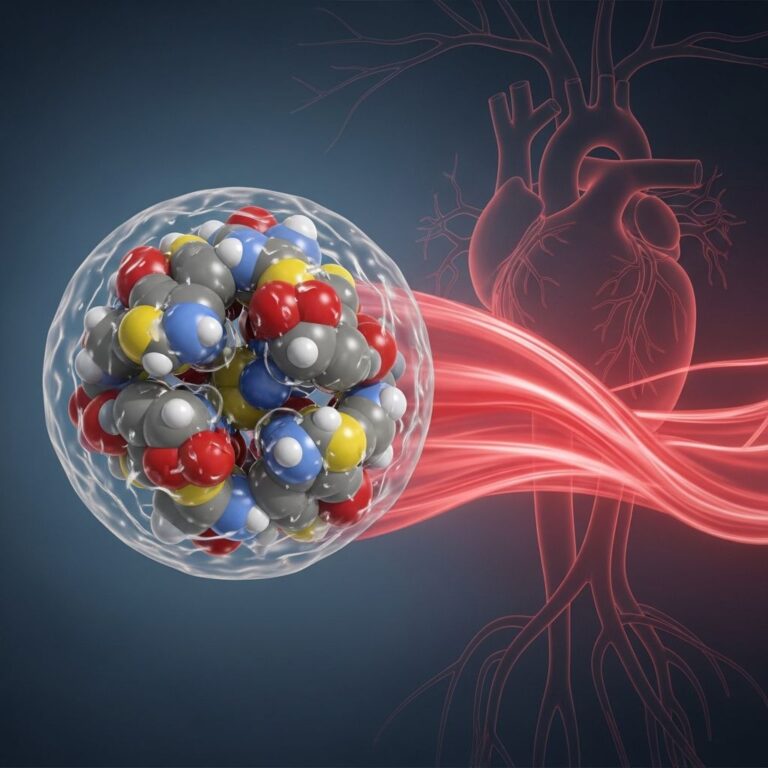
**Levodopa**, often combined with
carbidopa
, remains the most effective medication for PD motor symptoms. Levodopa crosses the blood-brain barrier and converts to dopamine, directly addressing the core deficiency.- Sinemet (carbidopa-levodopa): Widely used immediate-release formulation with minimal short-term side effects like nausea.
- Rytary: Extended-release capsules for sustained symptom control.
- Duopa: Gel form delivered via intestinal pump for advanced PD with fluctuations.
- Inbrija: Inhaled powder for rapid relief during ‘off’ periods when symptoms re-emerge.
Long-term use may lead to dyskinesias—involuntary movements—and motor fluctuations (‘on-off’ phenomenon). Carbidopa prevents peripheral dopamine conversion, reducing nausea and allowing lower levodopa doses.
| Formulation | Best For | Common Side Effects |
|---|---|---|
| Sinemet | Early PD | Nausea, dyskinesias (long-term) |
| Rytary | Motor fluctuations | Dizziness, fatigue |
| Inbrija | ‘Off’ episodes | Cough, upper respiratory issues |
Dopamine Agonists: Mimicking Dopamine Effects
Dopamine agonists directly stimulate dopamine receptors, offering benefits similar to levodopa with potentially slower disease progression in early stages. They are often used as initial monotherapy or adjuncts.
- Pramipexole (Mirapex ER): Oral extended-release for steady control.
- Rotigotine (Neupro): Transdermal patch for consistent delivery.
- Apomorphine (Apokyn): Injectable for acute ‘off’ rescue.
Side effects include hallucinations, sleep attacks, impulse control disorders (e.g., gambling, hypersexuality), and orthostatic hypotension. They are favored in younger patients to delay levodopa use.
MAO-B Inhibitors: Prolonging Dopamine Action
Monoamine oxidase B (MAO-B) inhibitors block the enzyme that degrades dopamine, increasing its levels. Effective early on or as levodopa enhancers.
- Selegiline (Zelapar): Orally disintegrating tablet; may have neuroprotective effects.
- Rasagiline (Azilect): Once-daily dosing.
- Safinamide (Xadago): Newer adjunct improving UPDRS scores in trials.
Generally well-tolerated, with side effects like nausea, dizziness, and insomnia. Avoid tyramine-rich foods at higher doses to prevent hypertensive crises.
COMT Inhibitors: Extending Levodopa Benefits
Catechol-O-methyltransferase (COMT) inhibitors prevent levodopa breakdown outside the brain, prolonging its duration. Used in advanced PD with fluctuations.
Related Stories



- Entacapone (Comtan): Frequent dosing; often in Stalevo (with levodopa/carbidopa).
- Opicapone (Ongentys): Once-daily.
- Tolcapone (Tasmar): Rarely used due to liver toxicity risks.
Side effects: diarrhea, dyskinesias, urine discoloration. Enhances ‘on’ time by 1-2 hours daily.
Emerging Options: Adenosine Antagonists and More
Istradefylline (Nourianz): A2A receptor antagonist reducing ‘off’ time by boosting dopamine signaling without direct receptor action. FDA-approved as levodopa adjunct.
Pimavanserin (Nuplazid): Targets PD psychosis (hallucinations/delusions) without worsening motor symptoms, unlike typical antipsychotics.
Amantadine: Antiviral with anti-dyskinetic properties; extended-release for levodopa-induced movements.
Anticholinergics and Other Adjuncts
Anticholinergics like benztropine balance acetylcholine excess, easing tremors but risking cognitive impairment—rarely used in elderly.
Amantadine also aids fatigue and dyskinesias. Antivirals repurposed for neuroprotection show promise in trials.
Managing Side Effects and Treatment Strategies
Common issues: nausea (take with food), hallucinations (dose adjustment), dyskinesias (fractionate doses). Strategies include:
- Dose timing to minimize fluctuations.
- Combining therapies (e.g., levodopa + MAO-B + COMT).
- Non-oral options (patches, infusions) for swallowing issues.
- Monitoring for impulse disorders with agonists.
Advanced therapies like deep brain stimulation complement meds in refractory cases.
Patient Considerations and Lifestyle Integration
Treatment evolves with disease stage: agonists/MAO-B early, levodopa mid-stage, combinations late. Regular neurologist visits adjust regimens. Exercise, diet (protein timing affects levodopa absorption), and speech therapy enhance outcomes.
Women may respond differently; genetics influence drug metabolism. Pregnancy requires specialist input.
Future Directions in PD Pharmacology
Ongoing research targets neuroprotection (e.g., alpha-synuclein inhibitors), gene therapies, and sustained-release implants. GLP-1 agonists (e.g., exenatide) show motor benefits in trials.
Frequently Asked Questions (FAQs)
What is the first-line treatment for Parkinson’s?
Levodopa/carbidopa or dopamine agonists, depending on age and symptoms.
Can Parkinson’s medications stop disease progression?
No, they manage symptoms; some like MAO-B may offer mild protection.
How do I manage ‘off’ periods?
Add COMT/MAO-B inhibitors, switch formulations, or use rescue like Inbrija/Apokyn.
Are there non-drug options?
Yes, exercise, physiotherapy, DBS for advanced PD.
What foods interact with PD meds?
High-protein meals delay levodopa; limit tyramine with MAO-B.
References
- Parkinson’s Disease Medications: Types of Common Drug Treatments — WebMD. 2023. https://www.webmd.com/parkinsons-disease/drug-treatments
- Parkinson’s disease – Diagnosis and treatment — Mayo Clinic. 2024-02-12. https://www.mayoclinic.org/diseases-conditions/parkinsons-disease/diagnosis-treatment/drc-20376062
- Approved Medications — American Parkinson Disease Association. 2024. https://www.apdaparkinson.org/living-with-parkinsons-disease/treatment-medication/medication/
- Medications for Motor Symptoms — Michael J. Fox Foundation. 2024. https://www.michaeljfox.org/news/medications-motor-symptoms
- Systematic Review on Parkinson’s Disease Medications — PMC/NIH. 2022-01-04. https://pmc.ncbi.nlm.nih.gov/articles/PMC8744877/
- Parkinson’s Disease Medications — Cleveland Clinic. 2024. https://my.clevelandclinic.org/health/treatments/parkinsons-disease-medications
- Parkinson’s disease – Treatment — NHS. 2023. https://www.nhs.uk/conditions/parkinsons-disease/treatment/
Similar Articles








Read full bio of medha deb