Paronychia: Causes, Symptoms, and Treatment Guide
Complete guide to understanding, diagnosing, and treating nail infections around fingernails and toenails.
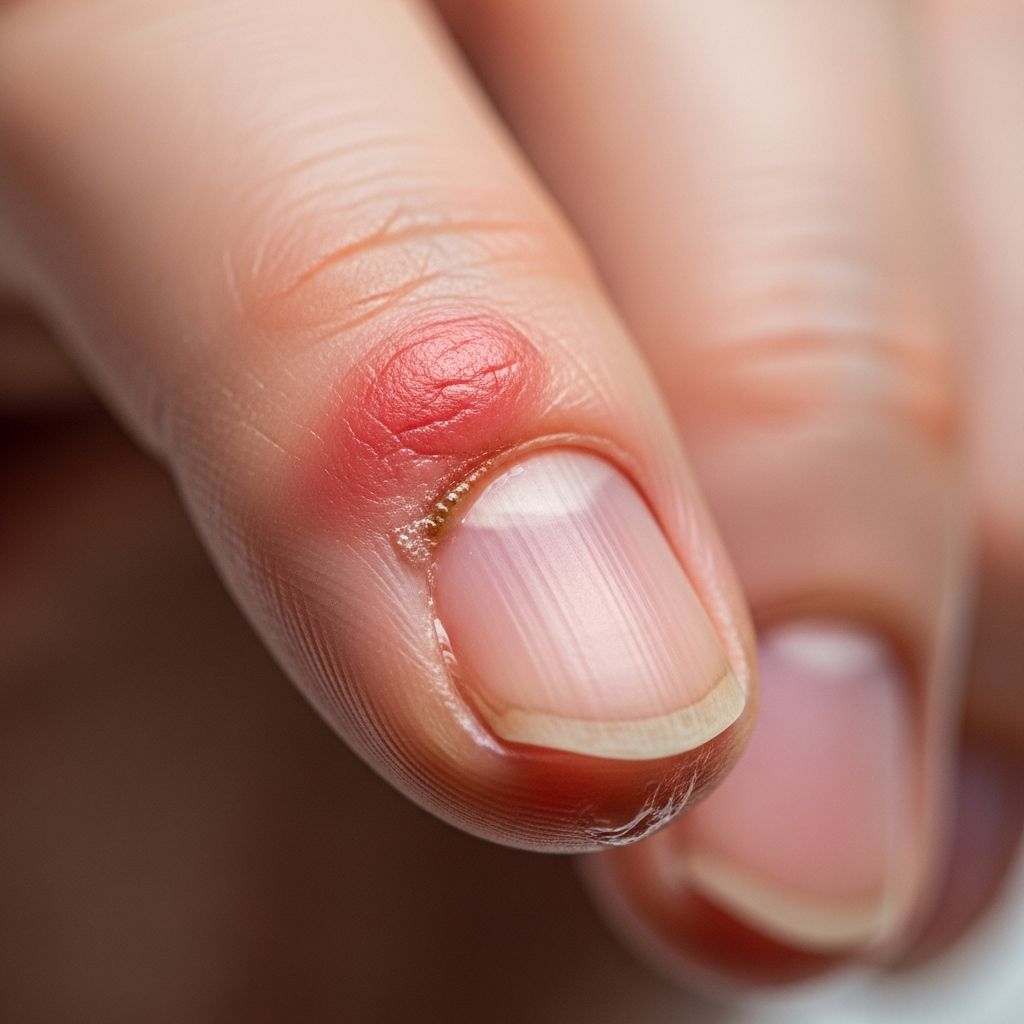
Understanding Paronychia: A Complete Overview
Paronychia is a common infection or inflammation of the tissue that immediately surrounds the nail, affecting either fingernails or toenails. This condition develops when the protective barrier between the nail plate and the adjacent nail fold becomes disrupted, allowing bacteria, fungi, or other pathogens to invade the area. The infection can occur suddenly or develop gradually over time, and while it rarely causes serious health complications, it can be uncomfortable and bothersome if left untreated. Understanding the causes, symptoms, and treatment options for paronychia is essential for managing this condition effectively and preventing recurrence.
Types of Paronychia
Paronychia is classified into two distinct types based on the duration and progression of the infection: acute and chronic. Each type presents differently and requires different management approaches.
Acute Paronychia
Acute paronychia refers to infections lasting less than six weeks in duration. This type typically develops suddenly following an inciting traumatic event, such as nail biting, aggressive manicuring, hangnail removal, or cuts to the cuticle area. Acute paronychia usually affects only a single nail, most commonly on the fingers rather than toes. The condition presents with sudden onset of pain, redness, and swelling along the lateral and proximal nail folds. Patients typically notice symptoms appearing two to five days after the initial injury that disrupted the skin barrier.
Chronic Paronychia
Chronic paronychia persists for more than six weeks or recurs repeatedly after treatment. Unlike acute cases, chronic paronychia typically affects multiple fingers or toes simultaneously and has a more gradual onset with milder pain levels. This type is more commonly associated with occupational or environmental exposures, immune system compromise, or underlying skin conditions. Chronic paronychia is less likely to produce a frank abscess but may involve pus discharge and often results in visible changes to the affected nails, including ridging, discoloration, and abnormal growth patterns.
Causes and Risk Factors
Infectious Causes
Acute paronychia is predominantly caused by bacterial infections introduced through breaks in the skin barrier. The most common causative organisms include Staphylococcus aureus and Streptococcus pyogenes bacteria. These microorganisms normally reside on the skin surface but cause infection when they penetrate through cuts or abrasions in the cuticle or nail fold. Other aerobic bacteria such as gamma-hemolytic streptococci and Klebsiella pneumoniae account for approximately 25% of cases, while anaerobic organisms contribute another 25% of infections. In cases where patients engage in nail biting or thumb-sucking, the infection may include oral pathogens requiring broader antibiotic coverage.
Risk Factors for Acute Paronychia
Several behaviors and activities significantly increase the risk of developing acute paronychia:
- Nail biting or picking at cuticles and nail folds
- Aggressive manicuring or pedicure techniques that damage the cuticle
- Hangnail removal or traumatic nail extraction
- Cuts or trauma to the finger or toe near the nail area
- Poor nail hygiene practices
- Thumb-sucking in children
Risk Factors for Chronic Paronychia
Chronic paronychia develops through different mechanisms than acute infection. Occupations requiring frequent hand exposure to moisture, irritants, and allergens represent the most common etiological factor. This includes professions such as dishwashers, bartenders, cooks, nurses, hairdressers, and other healthcare professionals. Repeated maceration of the skin from constant moisture exposure weakens the protective barrier and predisposes the nail fold to secondary colonization.
Related Stories



Additional risk factors for chronic paronychia include:
- Diabetes mellitus and other metabolic disorders
- HIV infection and immunosuppressive conditions
- Medications that weaken immune function
- Psoriasis and other chronic skin diseases
- Fungal infections, particularly Candida albicans
- Poor circulation and vascular disease
- Ingrown toenails (when affecting toes)
Clinical Presentation and Symptoms
Acute Paronychia Symptoms
Patients with acute paronychia typically present with symptoms developing over several hours to days following the inciting injury. The classic presentation includes localized erythema (redness), edema (swelling), and pain affecting the nail fold and cuticle area. Symptoms are generally concentrated along the lateral (sides) and proximal nail folds of a single digit. Application of gentle pressure along the affected nail fold may cause exudation of purulent (pus-containing) material, indicating bacterial colonization. In more severe cases, pustules or a frank abscess may be visible. A characteristic “collar-stud” abscess may form when a superficial abscess connects with deeper tissues, potentially causing damage to the nail matrix if left untreated.
Chronic Paronychia Symptoms
Chronic paronychia manifests with erythema, pain, and swelling involving the perionychium persisting for more than six weeks and typically affecting multiple fingernails or toenails. Unlike acute infections, chronic paronychia presents with gradual onset, is generally less acutely painful, and may or may not involve pus discharge. A frank abscess is rarely observed in chronic presentations. However, chronic inflammation of the nail matrix frequently results in visible nail changes including transverse ridging, discoloration of the nail plate, Beau’s lines (horizontal indentations), and onychomadesis (separation of the nail plate from the nail bed).
Untreated Paronychia Complications
If left untreated, paronychia can lead to significant complications. The nail may begin to grow abnormally, developing ridges or waves in the nail plate. The nail may appear yellow or green due to bacterial or fungal colonization, becoming dry and brittle. In severe cases, the nail can detach from the nail bed and eventually fall off. Rarely, untreated paronychia can progress deeper into the finger or toe, potentially involving the underlying bone and requiring surgical intervention. In individuals with diabetes or compromised circulation, severe chronic paronychia may necessitate finger or toe amputation to prevent systemic spread of the infection.
Diagnosis
Diagnosis of paronychia is primarily clinical, based on characteristic history and physical examination findings. Healthcare providers examine the affected nail fold, cuticle, and surrounding tissue for signs of infection or inflammation. The distinction between acute and chronic paronychia is established through duration of symptoms and involvement pattern—acute cases typically affect single digits with sudden onset, while chronic cases involve multiple nails with gradual progression.
In cases where the diagnosis is unclear or when recurrent paronychia fails to respond to conventional therapy, a biopsy may be warranted to rule out underlying malignancy. Long-standing paronychia represents a risk factor for developing squamous cell carcinoma, making failure to respond to standard treatment an ominous sign requiring further investigation. Fluid cultures may be obtained to identify specific causative organisms and guide antibiotic selection, particularly in cases with unusual presentations or treatment failures.
Treatment Options
General Protective Measures
Regardless of paronychia type, general protective measures form the foundation of treatment. These measures include:
- Keeping the affected area clean and dry
- Avoiding manicures and pedicures during active infection
- Minimizing exposure to water, irritants, and allergens
- Wearing gloves during activities involving water exposure
- Avoiding nail biting, cuticle picking, and hangnail manipulation
- Using moisturizers to maintain skin barrier integrity
- Maintaining proper nail hygiene practices
Medical Treatment
Antibiotic therapy is the primary medical intervention for acute paronychia. Antibiotics should be directed against the most likely pathogens, namely staphylococcal and streptococcal species. For patients with risk factors for oral pathogen involvement, such as thumb-sucking or nail biting, antibiotics with adequate anaerobic coverage should be prescribed. Most cases of acute paronychia resolve within five to ten days with appropriate antibiotic therapy and supportive care measures.
For chronic paronychia, treatment focuses on addressing underlying causes and preventing secondary infection. Topical or systemic antifungal agents may be necessary if fungal colonization is present. Management typically requires a combination of protective measures, irritant avoidance, and potentially topical corticosteroids to reduce inflammation. Chronic cases take longer to resolve than acute infections and may require weeks to months of consistent treatment.
Surgical Interventions
Surgical drainage may be necessary when a frank abscess or significant pus accumulation is present. This procedure relieves pain and allows better antibiotic penetration. In cases of recurrent or refractory paronychia unresponsive to medical management, more extensive surgical procedures may be considered. These can include nail fold removal or modification to restore normal anatomy and function. Surgical options are particularly important in cases where paronychia recurs despite appropriate medical therapy.
Prevention Strategies
Preventing paronychia involves maintaining the integrity of the protective barrier surrounding the nail. Key prevention strategies include avoiding nail trauma, practicing proper nail hygiene, minimizing cuticle manipulation, and using appropriate manicure and pedicure techniques. Individuals in occupations with frequent water or irritant exposure should wear protective gloves and practice frequent skin drying. Those with chronic conditions predisposing to infection should maintain tight glucose control if diabetic, adhere to immunosuppressive medication regimens as prescribed, and seek prompt treatment for any signs of nail infection.
When to Seek Medical Attention
While many cases of paronychia respond to home treatment, certain situations warrant professional medical evaluation. Seek healthcare attention if symptoms persist beyond two weeks, if the infection shows signs of spreading beyond the nail fold, if systemic symptoms such as fever develop, or if you have underlying conditions like diabetes or immune compromise. Additionally, any recurrent paronychia or infection unresponsive to standard treatment warrants evaluation to rule out underlying malignancy or other serious conditions.
Frequently Asked Questions
Q: How long does paronychia typically last?
A: Acute paronychia usually resolves within five to ten days with appropriate treatment, while chronic paronychia lasting more than six weeks may require weeks to months of consistent management.
Q: Can paronychia be prevented?
A: Yes, paronychia can be prevented by avoiding nail trauma, practicing proper nail hygiene, minimizing cuticle picking, wearing gloves during water exposure, and maintaining good overall skin health.
Q: Is paronychia contagious?
A: Bacterial paronychia is not typically contagious between individuals, though fungal paronychia caused by organisms like Candida may spread in certain circumstances.
Q: Can paronychia cause permanent nail damage?
A: Untreated or severe paronychia can cause permanent changes to nail appearance including ridging, discoloration, and abnormal growth patterns. In rare severe cases, the nail may not regrow normally.
Q: What is the difference between paronychia and a hangnail?
A: A hangnail is a piece of torn or peeling skin near the nail, while paronychia is an infection or inflammation of the tissue around the nail that may develop after hangnail trauma.
Q: Should I drain pus from paronychia at home?
A: It is not recommended to drain paronychia at home, as improper technique can worsen infection or lead to complications. Professional drainage by a healthcare provider is safer and more effective.
References
- Acute and Chronic Paronychia Revisited: A Narrative Review — National Center for Biotechnology Information (NCBI). 2022-06-15. https://pmc.ncbi.nlm.nih.gov/articles/PMC9153310/
- Paronychia (Nail Infection): What Is It, Symptoms, Causes and Treatment — Cleveland Clinic. 2023. https://my.clevelandclinic.org/health/diseases/15327-nail-infection-paronychia
- What to Do for Nail Infections | Paronychia Treatment — Healthgrades. 2024. https://resources.healthgrades.com/right-care/skin-hair-and-nails/what-to-do-for-nail-infections-paronychia
- Paronychia Types and Causes — News Medical Life Sciences. 2023. https://www.news-medical.net/health/Paronychia-Types-and-Causes.aspx
Similar Articles








Read full bio of Sneha Tete