Paronychia: Nail Infection Symptoms, Causes & Treatment
Complete guide to paronychia: Understanding bacterial nail infections, symptoms, and effective treatment options.
Understanding Paronychia: A Common Nail Infection
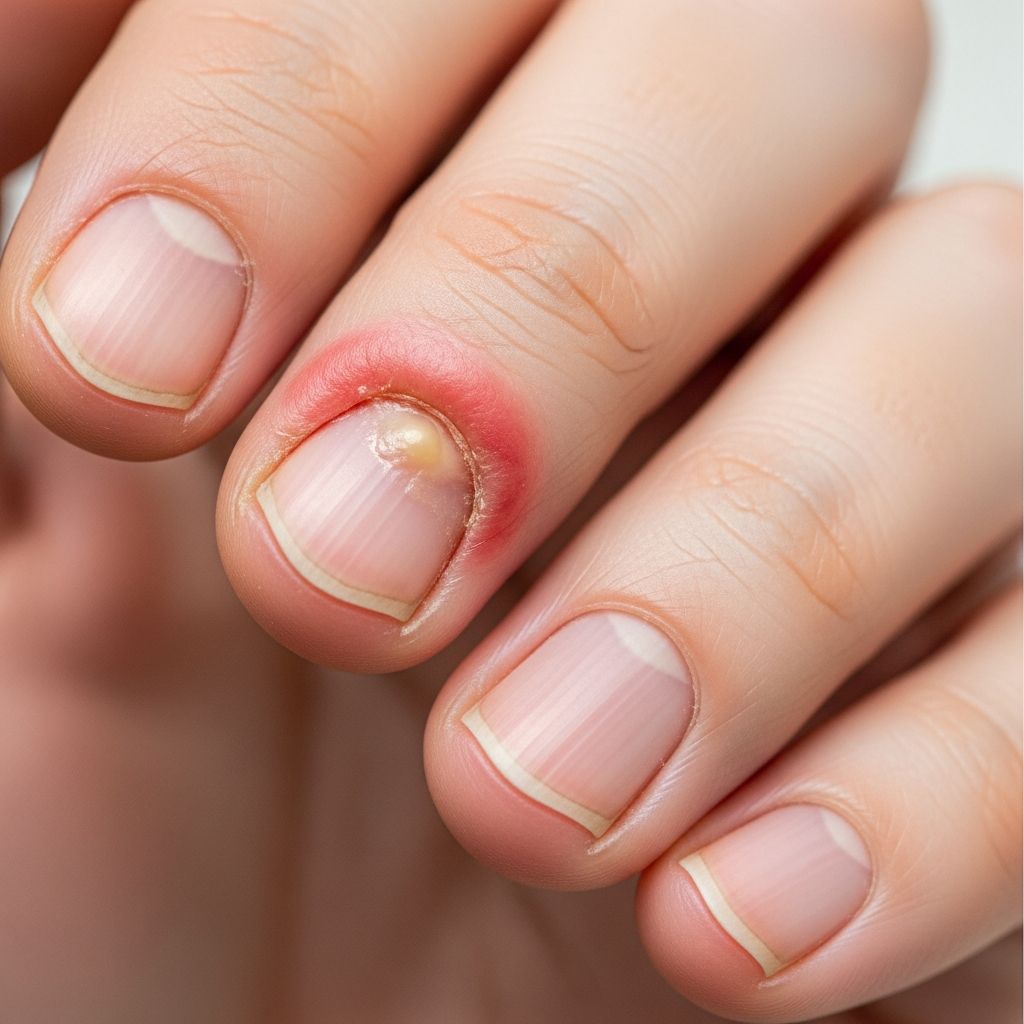
Paronychia is a common nail infection that affects both fingernails and toenails. This condition develops when bacteria or fungi enter the skin through cuts or breaks in the cuticle and nail fold—the area where the skin and nail meet. While paronychia doesn’t typically cause serious health complications, it can be uncomfortable and may lead to nail damage if left untreated. Understanding this condition, its symptoms, and available treatments can help you manage it effectively and prevent future infections.
What Exactly Is Paronychia?
Paronychia is characterized by inflammation of the nail fold and cuticle area. The condition occurs when bacteria, viruses, or fungi penetrate the protective barrier of skin around the nail. The cuticle serves as a crucial protective layer, and any damage to this area can allow pathogens to enter. The nail fold—where the skin wraps around the sides and base of the nail—is particularly vulnerable to infection.
This nail infection is surprisingly common and can develop in anyone, though certain individuals face higher risk. Healthcare providers recognize paronychia as one of the most frequently encountered nail conditions in clinical practice.
Types of Paronychia
There are two primary types of paronychia, each with distinct characteristics and causes:
Acute Paronychia
Acute paronychia develops rapidly and typically results from bacterial infection. This form appears suddenly and may progress over hours or days. Staphylococcus aureus bacteria are the most common culprits, though other bacteria such as Streptococcus pyogenes can also cause the infection. The symptoms of acute paronychia are usually more severe and develop relatively quickly.
Chronic Paronychia
Chronic paronychia develops more gradually and may persist for weeks or months. While chronic bacterial or fungal infections can cause this form, it’s more commonly triggered by irritation from occupational or environmental exposures. People who frequently have wet hands or work with chemicals and detergents are particularly susceptible to chronic paronychia.
Recognizing the Symptoms of Paronychia
Paronychia symptoms typically appear where the nail meets the skin, specifically affecting the nail fold and cuticle. The sides of the nail can also be involved. Recognizing these symptoms early allows for prompt treatment and prevents potential complications.
Early Warning Signs
Common initial symptoms of paronychia include:
- Inflammation and swelling around the nail
- Tenderness or pain in the affected area
- Redness extending from the cuticle
- Warmth around the nail fold
- Pus accumulation (thick, infectious fluid) under or around the skin
Advanced Symptoms
If paronychia remains untreated, symptoms can progress significantly. The nail itself may begin to show visible damage, including ridges or waves on the nail surface. Discoloration becomes apparent, with nails potentially turning yellow or green. The nail plate may become dry, brittle, and weak. In severe cases, the nail can detach completely from the nail bed and may eventually fall off.
What Causes Paronychia?
Understanding the causes of paronychia helps in both treatment and prevention. Multiple factors can lead to this infection, and identifying the specific cause is important for determining the most effective treatment approach.
Related Stories



How Bacteria Enter the Nail Area
Bacteria gain entry to the nail fold and cuticle through various breaks in the skin. Common entry points include:
- Cuts or hangnails around the cuticle
- Nail biting, which creates small wounds
- Aggressive nail trimming or manicures
- Picking at the skin around nails
- Traumatic injuries to the nail area
- Skin conditions that compromise the protective barrier
Risk Factors for Developing Paronychia
Certain individuals face higher risk of developing paronychia due to their lifestyle, occupation, or health status. People who work with chemicals or detergents, those whose hands are frequently wet, and individuals engaged in manicure and pedicure services have elevated risk. Additionally, people with diabetes or conditions affecting blood circulation face increased susceptibility to nail infections and more severe complications.
Immunosuppressed individuals also experience higher rates of paronychia, as their bodies have reduced ability to fight off infections. Finally, people with a history of nail infections may be more prone to recurrent episodes.
Diagnosis of Paronychia
Healthcare providers typically diagnose paronychia through clinical examination. In many cases, the characteristic symptoms and appearance are sufficient for diagnosis. However, if the infection doesn’t respond to initial treatment or appears unusual, your provider may culture the fluid to identify the specific bacteria or fungus responsible.
Culturing involves collecting a sample of the pus or fluid from the infected area and analyzing it in a laboratory. This helps determine which antibiotic or antifungal medication will be most effective for your specific infection.
Treatment Options for Paronychia
Treatment approaches vary depending on severity, type, and underlying cause. Most cases respond well to appropriate interventions.
Home Remedies for Mild Cases
For mild paronychia, home treatment may be sufficient. Soak the infected area in warm water for approximately fifteen minutes, repeating this several times daily. After soaking, dry the area thoroughly, as moisture can promote bacterial growth. This soaking process encourages pus to drain naturally from under the skin, promoting healing.
If symptoms don’t improve after one or two days of home remedies, professional medical attention becomes necessary.
Antibiotic Treatment
Most bacterial nail infections respond well to antibiotics. Healthcare providers prescribe these medications to eliminate the bacteria causing the infection. It’s crucial to follow your provider’s instructions carefully and complete the entire course of antibiotics, even if symptoms resolve earlier. Finishing the complete course prevents the infection from returning and reduces the risk of antibiotic resistance.
Drainage Procedures
When pus accumulates and doesn’t drain naturally, healthcare providers may perform a minor drainage procedure. After cleaning the area thoroughly, the provider makes a small incision to allow pus to escape. A sterile bandage is then placed over the site. You must keep the area clean and change the bandage as directed to prevent reinfection and support proper healing.
Additional Treatment Considerations
In cases of chronic or recurrent paronychia, additional interventions may be necessary. These might include topical antifungal medications if fungal infection is present, or modifications to occupational or lifestyle factors causing irritation.
Prevention Strategies
Preventing paronychia is far easier than treating it. Several practical steps can significantly reduce your risk of developing nail infections:
- Avoid biting your nails, as this creates entry points for bacteria
- Don’t pick at or pull on hangnails
- Keep nails trimmed straight across and slightly beyond the fingertip
- Maintain proper nail hygiene with regular cleaning
- Moisturize cuticles regularly to maintain skin integrity
- Wear waterproof gloves when working with water, chemicals, or detergents
- Avoid aggressive manicures or pedicures that damage the cuticle
- Remove nail polish regularly to allow nails to breathe
- Protect nails from trauma and injuries
When to Seek Professional Medical Care
Contact your healthcare provider if symptoms are severe, don’t improve after a few days, or if you experience specific risk factors. People with diabetes or conditions affecting immune function or blood circulation should seek professional care as soon as they notice signs of infection. Similarly, if paronychia returns after treatment or if symptoms worsen despite home care, professional evaluation is necessary.
Prognosis and Potential Complications
Most cases of paronychia respond well to appropriate treatment and clear up relatively quickly. However, some individuals experience recurrent infections or chronic paronychia that persists despite treatment. If paronychia goes untreated, the infection can cause permanent nail damage characterized by ridges, discoloration, or abnormal growth patterns.
In rare cases, untreated paronychia can progress deeper into the finger or toe, potentially involving the underlying bone. Severe, chronic infections in people with compromised immune systems or circulation problems require aggressive treatment. In extreme cases where infection threatens to spread systemically, healthcare providers may need to remove the affected finger or toe.
Special Considerations for High-Risk Groups
Individuals with diabetes or circulation problems require particular vigilance regarding nail health. These conditions impair the body’s ability to fight infection and heal wounds. If you fall into this category, inspect your nails regularly for signs of infection, maintain meticulous hygiene, and seek immediate professional care at the first sign of problems.
People with occupational exposure to water, chemicals, or detergents should discuss preventive strategies with their healthcare provider. Waterproof gloves that don’t cause skin irritation offer excellent protection for these individuals.
Frequently Asked Questions
Q: Can paronychia spread to other nails or people?
A: While paronychia itself typically affects one nail at a time, practicing good hygiene prevents spreading bacteria to other nails. Paronychia is not typically contagious between people through casual contact.
Q: How long does it take for paronychia to heal?
A: Acute paronychia usually resolves within one to two weeks with appropriate treatment. Chronic paronychia may take several weeks to months to completely resolve, depending on the underlying cause.
Q: Can I still work or exercise with paronychia?
A: Yes, but protect the infected area from further trauma and keep it clean and dry. Avoid activities that expose the infection to dirt or moisture until it heals.
Q: Is paronychia serious?
A: Most cases of paronychia are not serious and respond well to treatment. However, in people with compromised immune systems or circulation problems, infections can become serious if untreated.
Q: Will my nail return to normal after paronychia?
A: In most cases, yes. With proper treatment, nails typically return to normal appearance. Severely damaged nails may show some permanent changes or take several months to fully regrow normal nail tissue.
Q: Should I avoid water while treating paronychia?
A: Try to minimize water exposure and keep the area dry. When you do have contact with water, thoroughly dry the affected area afterward. Wearing waterproof gloves can help protect the infection.
Q: What’s the difference between paronychia and onychomycosis?
A: Paronychia is infection of the tissue around the nail, while onychomycosis is a fungal infection of the nail plate itself. Both conditions can cause similar symptoms but require different treatments.
References
- Paronychia (Nail Infection): What Is It, Symptoms, Causes and Treatment — Cleveland Clinic. 2025. https://my.clevelandclinic.org/health/diseases/15327-nail-infection-paronychia
- Dermatologist Explains Risks of Nail Biting — Cleveland Clinic Newsroom. 2025-10-01. https://newsroom.clevelandclinic.org/2025/10/01/dermatologist-explains-risks-of-nail-biting
- The Health Warnings Hidden in Your Fingernails — Cleveland Clinic Health. https://health.clevelandclinic.org/nails-and-your-health
- Fungal Nail Infection: Assessing the New Treatment Options — Cleveland Clinic Journal of Medicine. Botek, G. https://www.ccjm.org/content/ccjom/70/2/110.full.pdf
- Paronychia — American College of Osteopathic Family Physicians. https://acofp.org/news-and-publications/journal/article-detail/vol-10-no-1-(2018)-january-february-2018/paronychia
Similar Articles








Read full bio of Sneha Tete