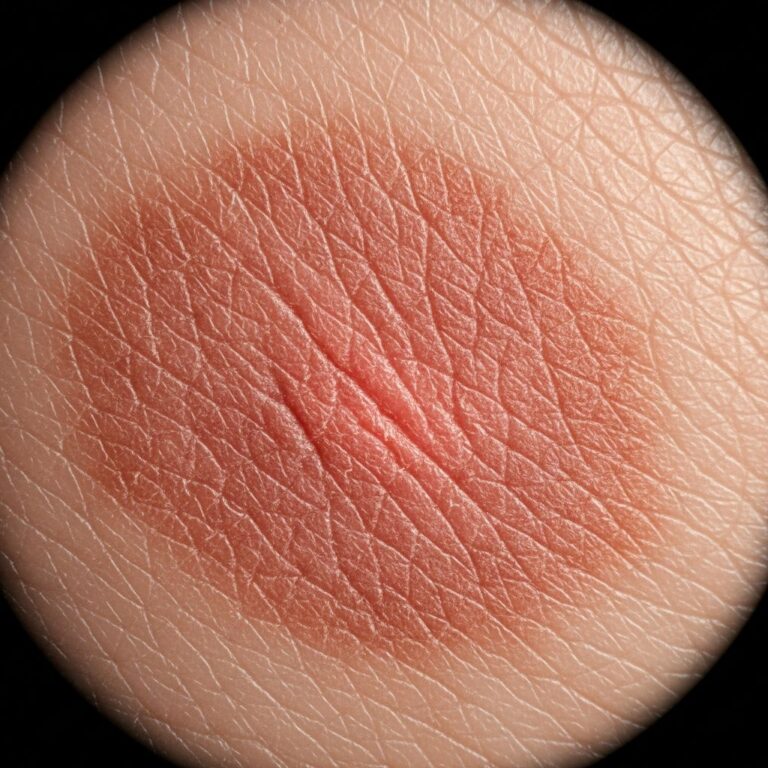
Paronychia: Causes, Symptoms, Diagnosis, And Treatment
Inflammation of the nail folds: acute and chronic causes, symptoms, diagnosis, and effective treatments explained.
Authoritative facts about the skin from DermNet New Zealand.
What is paronychia?
Paronychia is inflammation of the skin around a finger or toenail, affecting the nail folds that protect the nail matrix and plate. It is classified as
acute paronychia
(developing over hours to days, lasting less than 6 weeks) orchronic paronychia
(persisting >6 weeks, often multifactorial). Acute cases typically involve bacterial infection disrupting the protective cuticle barrier, while chronic forms stem from prolonged irritant exposure leading to dermatitis-like changes.The nail apparatus includes the nail plate, proximal nail fold (PNF), lateral nail folds, and eponychium (cuticle). Disruption here allows pathogens or irritants to invade, causing soft tissue inflammation. Acute paronychia often affects one digit rapidly, whereas chronic spreads to multiple nails gradually.
Who gets paronychia?
Acute paronychia affects individuals of all ages following minor trauma. Risk factors include:
- Nail biting or thumb sucking (common in children, introducing oral flora).
- Manicures, pedicures, or artificial nails damaging the cuticle.
- Local trauma like splinters or hangnails.
- Immunosuppression (diabetes, HIV, chemotherapy).
Chronic paronychia predominates in those with frequent hand wetting or irritant exposure:
- Occupations: dishwashers, bartenders, cleaners, healthcare workers, swimmers.
- Hand dermatitis or eczema.
- Constantly wet/cold hands or chemical exposure (detergents, solvents).
- Diabetes or immunosuppression.
Infections are more severe in diabetics or immunocompromised patients.
Causes
Acute paronychia results from bacterial entry post-trauma. Common pathogens:
- Staphylococcus aureus (most frequent, including MRSA).
- Group A Streptococcus pyogenes (may cause lymphangitis/fever).
- Pseudomonas aeruginosa (green pus, water exposure).
- Herpes simplex virus (herpetic whitlow: vesicles).
- Candida (proximal fold).
Chronic paronychia involves dermatitis from irritants/moisture breaching the barrier, with secondary colonization by:
- Candida albicans (most common yeast).
- Gram-negative bacilli (Pseudomonas).
- Multiple organisms; not always infectious.
Recurrent acute episodes can evolve into chronic.
Clinical features
| Type | Onset | Affected Sites | Symptoms/Signs |
|---|---|---|---|
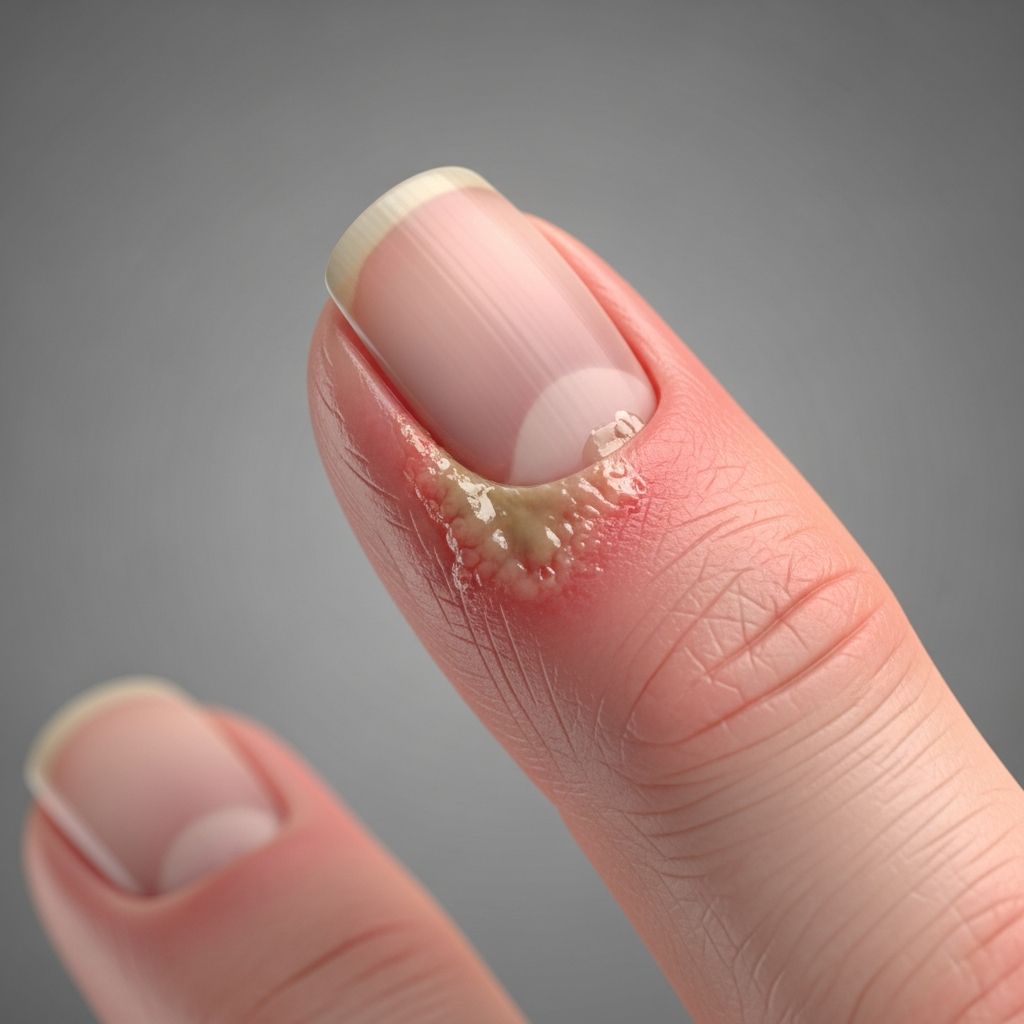
| Acute | Rapid (hours-days) | Single nail fold | Pain, redness, swelling, pus under cuticle, onycholysis; fever/lymphangitis if streptococcal. |
| Chronic | Gradual (>6 weeks) | Multiple fingers, starts PNF | Boggy swollen folds, absent cuticle, tender redness, colored pus, nail dystrophy (thick, ridged, discolored). |
Acute: Painful erythema/edema; pus accumulation lifts cuticle. Herpetic: vesicles. Streptococcal: systemic signs.
Chronic: Nail plate lifts (onycholysis), transverse ridges, brittleness; green/black discoloration from Pseudomonas. May flare acutely.
Complications
Acute untreated paronychia can progress to:
- Cellulitis or abscess.
- Flexor tenosynovitis (painful finger extension).
- Osteomyelitis or septic arthritis (rare).
Chronic leads to permanent
nail dystrophy
(6-12 months recovery); associated with psoriasis or lichen planus.Diagnosis
Primarily clinical based on history and exam. Supportive tests:
- Culture/swab for bacteria/fungi (especially chronic/recurrent).
- Blood tests if systemic (e.g., diabetes screen).
- Herpetic whitlow: Tzanck smear/PCR.
- X-ray/biopsy if deep infection suspected.
Differentiate from felon, herpetic whitlow, or herpangina.
Management
Acute paronychia
Related Stories



- Conservative (no abscess): Warm soaks (Burow solution), elevation; topical antibiotics (mupirocin).
- Abscess: Incision/drainage with #11 blade; no packing needed.
- Antibiotics: Oral if cellulitis/systemic: flucloxacillin/cephalexin (staph/strep); anti-pseudomonal if green pus; cover anaerobes if nail-biting.
Chronic paronychia
- Avoid irritants: cotton gloves, barrier creams.
- Topical steroids/calcineurin inhibitors for dermatitis.
- Antifungals if Candida (topical/oral fluconazole).
- Severe/recalcitrant: intralesional steroids, surgery (eponychial marsupialization).
Address predispositions (e.g., diabetes control).
Prognosis
Acute resolves in days with treatment, rarely recurs in healthy. Chronic persists months, recurs with irritants; nail normalizes in 6-12 months.
Frequently asked questions
What is the difference between acute and chronic paronychia?
Acute develops rapidly from bacterial infection (pain/pus); chronic is slow from irritants with secondary microbes (swollen folds, nail changes).
Should I pop the pus myself?
No; risk spread. Seek professional drainage.
Can paronychia spread?
Yes, to cellulitis/tenosynovitis if untreated.
How long does chronic paronychia last?
Weeks to years; treat irritants for resolution.
Is surgery needed?
Rarely for acute drainage; chronic refractory cases.
See more paronychia images
Clinical images depict acute pus-filled folds and chronic dystrophic nails.
References
- Paronychia (nail fold infection) — DermNet NZ. 2023. https://dermnetnz.org/topics/paronychia
- Paronychia | Diagnosis & Disease Information — Dermatology Advisor. 2024. https://www.dermatologyadvisor.com/ddi/paronychia/
- Paronychia – StatPearls — NCBI Bookshelf (NIH). 2023-10-01. https://www.ncbi.nlm.nih.gov/books/NBK544307/
- Pointing the Finger – Paronychia in the Emergency Department — St Emlyn’s. 2022. https://www.stemlynsblog.org/paronychia/
- Paronychia images — DermNet NZ. 2023. https://dermnetnz.org/topics/paronychia-images
Similar Articles








Read full bio of Sneha Tete