Parotitis: Causes, Symptoms, and Treatment
Understand parotitis: inflammation of the parotid glands, its causes from infections to blockages, symptoms, diagnosis, and effective treatments.
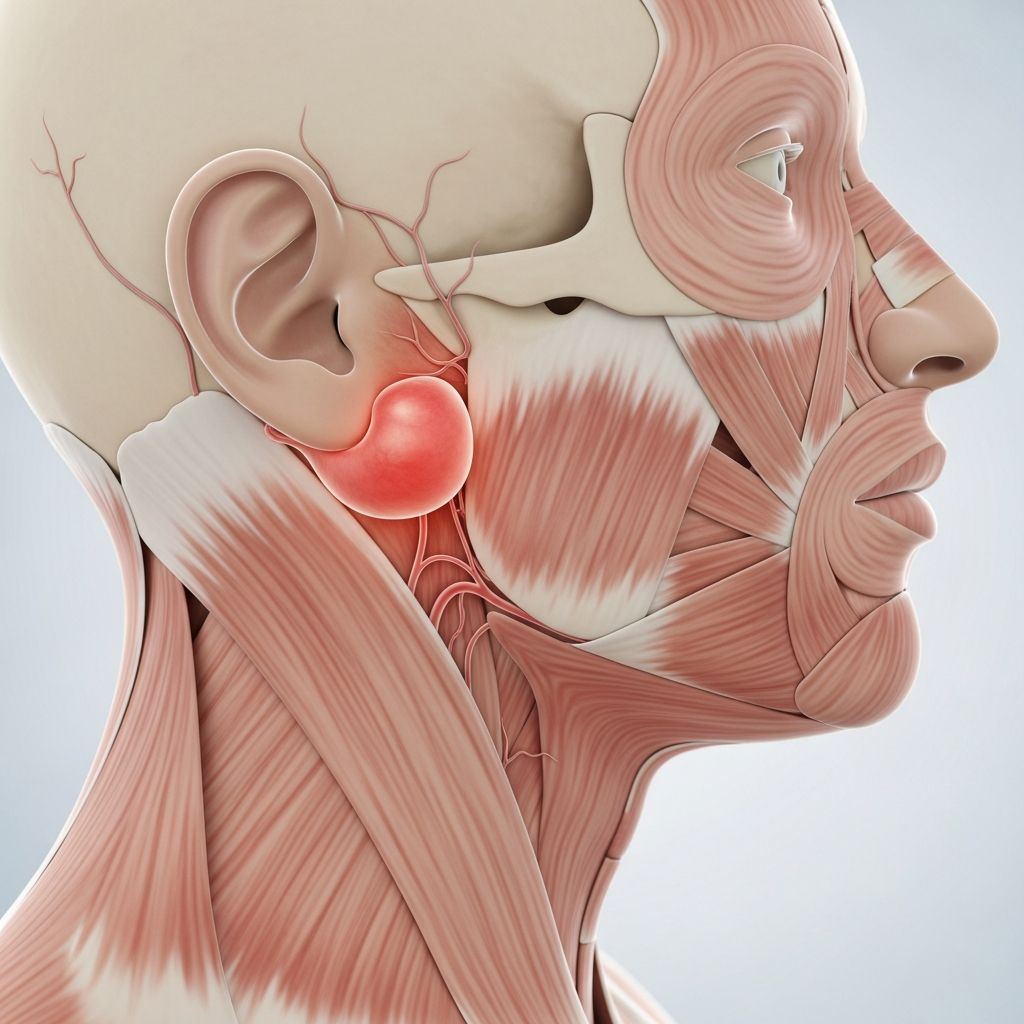
Parotitis refers to inflammation of the parotid glands, the largest salivary glands located in front of the ears and over the jawline. This condition can cause painful swelling and is often triggered by infections, obstructions, or autoimmune issues.
What Is Parotitis?
The parotid glands produce saliva to aid digestion, lubricate the mouth, and protect teeth. Parotitis, also known as parotiditis or sialadenitis, occurs when these glands become inflamed, leading to swelling that may affect one or both sides of the face. Acute parotitis is typically infectious, while chronic forms link to recurrent issues or systemic diseases.
Symptoms include tender swelling near the jaw, pain worsened by chewing, dry mouth, fever, and pus from Stensen’s duct in bacterial cases. It impacts all ages but is more common in dehydrated or immunocompromised individuals.
Parotitis Symptoms
Parotitis presents with distinct signs depending on acuity and cause. Common symptoms are:
- Unilateral or bilateral swelling in front of the ears
- Pain and tenderness, especially during eating
- Fever, chills, headache, and fatigue
- Dry mouth and reduced saliva flow
- Purulent discharge from the parotid duct in bacterial infections
- Difficulty opening the mouth or swallowing
In viral cases like mumps, swelling starts unilaterally and becomes bilateral in 90% of cases within days, accompanied by malaise. Neonatal parotitis may show subtle fussiness without fever. Chronic parotitis features recurrent episodes lasting days to weeks.
Causes of Parotitis
Parotitis arises from multiple etiologies, broadly categorized as infectious, obstructive, or inflammatory.
Infectious Causes
Viral infections dominate acute cases, with mumps (MuV) being classic, though vaccination has reduced incidence. Other viruses include influenza, parainfluenza, coxsackievirus, echovirus, HIV, Epstein-Barr virus (EBV), cytomegalovirus (CMV), adenovirus, and COVID-19.
Bacterial parotitis, often suppurative, stems from reduced saliva flow allowing ascent of oral flora like Staphylococcus aureus, anaerobes (Peptostreptococcus, Bacteroides, Porphyromonas, Prevotella), and β-lactamase producers in 75% of cases. Risk factors: dehydration, diabetes, immunosuppression.
Obstructive Causes
Sialolithiasis (salivary stones) blocks ducts, trapping bacteria. Other obstructions include tumors or strictures.
Other Causes
- Autoimmune: Sjögren’s syndrome
- Juvenile recurrent parotitis: Intermittent swelling in children
- Bulimia nervosa: From vomiting-induced sialadenosis
- Medications reducing saliva (anticholinergics)
HIV-associated parotitis may be painless with lymphadenopathy.
Parotitis Diagnosis
Diagnosis begins with history and exam: palpating swelling, expressing duct pus, noting systemic signs.
Imaging is key:
| Modality | Use Case |
|---|---|
| Ultrasound | First-line for stones, abscesses; non-invasive |
| CT/MRI | Complications like deep infections, tumors |
| Sialography | Duct anatomy in chronic cases |
Cultures from pus guide antibiotics. Blood tests check for viruses or autoimmune markers.
Parotitis Treatment
Treatment targets the cause and supports recovery.
Supportive Care
- Hydration and sialagogues (lemon drops) to boost saliva
- Warm compresses and massage
- Pain relief: Acetaminophen, ibuprofen
- Good oral hygiene
Medical Treatment
Bacterial: IV antibiotics (e.g., ampicillin-sulbactam) for 10-14 days, then oral (amoxicillin-clavulanate, levofloxacin + metronidazole). Covers aerobes/anaerobes.
Related Stories



Viral: Supportive; antivirals if needed (e.g., HIV).
Surgical Interventions
- Abscess drainage
- Sialendoscopy for stones
- Parotidectomy in refractory chronic cases
Most resolve in 7-10 days with prompt care.
Complications of Parotitis
Untreated, parotitis risks abscess, sepsis, deep neck infections, respiratory issues, or Lemierre’s syndrome (jugular thrombophlebitis). Chronic cases may scar ducts or lead to fistulas.
Prevention of Parotitis
- MMR vaccine for mumps
- Hydration, especially in elderly/post-op
- Oral hygiene to prevent stones/bacteria
- Manage diabetes, immunosuppression
When to See a Doctor for Parotitis
Seek care for facial swelling, pain, fever, or pus. Urgent if breathing issues or neck stiffness. Early intervention prevents complications.
Parotitis Prognosis
Prognosis is excellent with treatment; full recovery in 7-10 days. Worse with abscesses or extensions.
Frequently Asked Questions (FAQs)
What causes parotitis?
Primarily viral (mumps) or bacterial infections, stones, dehydration, or autoimmune diseases.
How long does parotitis last?
Acute cases: 7-10 days; recurrent episodes vary.
Is parotitis contagious?
Yes, if infectious—avoid sharing items.
Can parotitis go away on its own?
Mild viral cases yes, but bacterial needs antibiotics.
How is bacterial parotitis treated?
Antibiotics, hydration, massage; drainage if abscess.
References
- Parotitis – StatPearls — NCBI Bookshelf. 2023-07-17. https://www.ncbi.nlm.nih.gov/books/NBK560735/
- Parotitis | Research Starters — EBSCO. Accessed 2023. https://www.ebsco.com/research-starters/consumer-health/parotitis
- Diagnosis and Management of Parotitis — JAMA Otolaryngology. 1992-04-01. https://jamanetwork.com/journals/jamaotolaryngology/fullarticle/620621
- Parotitis: Parotid Gland Swelling Causes, Symptoms & Treatment — Cleveland Clinic. 2023-11-03. https://my.clevelandclinic.org/health/diseases/23577-parotitis-parotid-gland-swelling
- Salivary gland infections — MedlinePlus. Accessed 2023. https://medlineplus.gov/ency/article/001041.htm
Similar Articles








Read full bio of medha deb