Parotitis: Symptoms, Causes, Diagnosis, Treatment
Understand parotitis: inflammation of the parotid glands causing painful swelling. Learn causes, symptoms, diagnosis, and effective treatments.
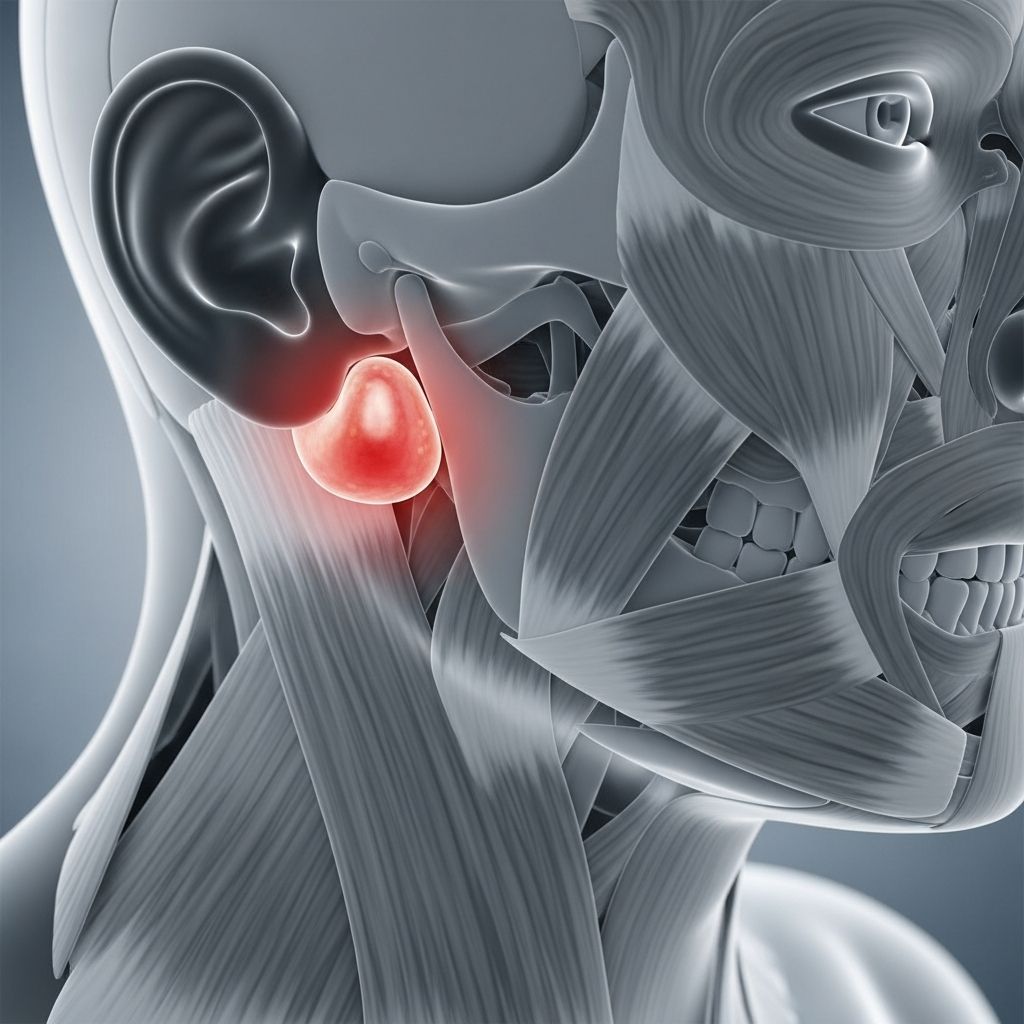
Parotitis refers to inflammation of the
parotid glands
, the largest salivary glands located just in front of the ears and over the jawline. This condition can cause painful swelling, impacting chewing, speaking, and daily comfort. While often acute and self-resolving, chronic or untreated cases may lead to complications like abscesses. Understanding parotitis is crucial for timely intervention, especially in vulnerable groups like the elderly, dehydrated patients, or immunocompromised individuals.What Is Parotitis?
The parotid glands produce saliva that aids digestion, lubricates the mouth, and protects teeth.
Parotitis
, also known as parotiditis or sialadenitis, occurs when these glands become inflamed, typically unilaterally but sometimes bilaterally. Acute parotitis stems from infections or obstructions, while chronic forms link to autoimmune issues or recurrent blockages. Risk factors include diabetes, immunosuppression, dehydration, and medications reducing saliva flow, such as anticholinergics.Clinically, it presents as tender swelling with reduced saliva output. In severe cases, pus may drain from Stensen’s duct (the parotid’s main excretory duct). Neonatal parotitis, though rare, manifests subtly with fussiness and preauricular redness.
Symptoms of Parotitis
Symptoms vary by cause but commonly include:
- Painful swelling in front of one or both ears, worsening with eating due to saliva stimulation.
- Dry mouth (xerostomia) and foul taste from blocked flow.
- Fever, chills, headache, fatigue, and sore throat in infectious cases.
- Purulent discharge from Stensen’s duct in bacterial parotitis (about 50% of cases).
- Trismus (difficulty opening mouth) and overlying skin erythema.
Viral parotitis, like mumps, starts with malaise and progresses to bilateral swelling in 90% of cases within 48 hours. Juvenile recurrent parotitis features episodic flares lasting 1-2 weeks, often with fever. Chronic enlargement may occur in bulimia due to sialadenosis.
Causes of Parotitis
Parotitis arises from infectious, obstructive, or systemic factors. Here’s a breakdown:
| Type | Common Causes | Key Notes |
|---|---|---|
| Infectious | Viral: Mumps (MuV), influenza, parainfluenza, coxsackievirus, EBV, CMV, HIV, adenovirus. Bacterial: Staphylococcus aureus (most common), streptococci, anaerobes like Peptostreptococcus, Bacteroides, β-lactamase producers. | Viral predominant in children; bacterial in elderly/dehydrated. Spread via saliva droplets. |
| Obstructive | Sialolithiasis (salivary stones), duct strictures, tumors, dehydration reducing flow. | Stagnant saliva promotes bacterial ascent. |
| Other | Autoimmune (Sjögren’s), radiation, metabolic (diabetes), medications, bulimia nervosa. | Chronic recurrent parotitis in juveniles; painless in HIV. |
Bacterial parotitis thrives in low-flow states, leading to suppurative infection and potential abscesses via ductal ascent or hematogenous spread.
Diagnosis of Parotitis
Diagnosis begins with history and exam: palpating for tenderness, expressing duct discharge for Gram stain/culture. Imaging confirms etiology:
- Ultrasound: First-line for stones, abscesses; non-invasive.
- CT/MRI: For deep complications, tumors, or chronic cases.
- Sialography: Duct visualization if obstruction suspected.
Blood tests check for infection (WBC, CRP), viral serologies (mumps IgM), or autoimmune markers. In neonates or recurrent cases, rule out anatomical anomalies.
Treatment for Parotitis
Treatment targets the cause:
- Supportive care: Hydration, sialagogues (lemon drops) to stimulate flow, warm compresses, massage from gland to duct angle. Analgesics like ibuprofen/acetaminophen for pain.
- Antibiotics for bacterial: IV initially (e.g., ampicillin-sulbactam, clindamycin) for 10-14 days, then oral (amoxicillin-clavulanate, levofloxacin + metronidazole). Cover S. aureus, streptococci, anaerobes.
- Antivirals: For specific viruses like herpes (acyclovir).
- Surgical: Drainage for abscesses, sialendoscopy for stones, parotidectomy in refractory chronic cases.
Related Stories



Most resolve in 7-10 days with prompt therapy. Transition to oral antibiotics post-improvement.
Complications of Parotitis
Untreated parotitis risks:
- Abscess or fistula formation.
- Deep neck infections, sepsis, osteomyelitis.
- Lemierre’s syndrome (jugular thrombophlebitis).
- Chronic cases: glandular atrophy, fibrosis.
Prognosis is excellent with early care; delays worsen outcomes.
Prevention of Parotitis
Strategies include:
- MMR vaccination against mumps.
- Hydration, oral hygiene, sugar-free lozenges for high-risk patients.
- Avoid sharing utensils during outbreaks.
- Manage comorbidities like diabetes.
When to See a Doctor for Parotitis
Seek care for persistent facial swelling, pain, fever, or pus. Urgent evaluation needed for airway issues, spreading redness, or immunocompromised status.
Frequently Asked Questions (FAQs)
What is the main cause of parotitis?
The most common causes are viral infections like mumps in children and bacterial infections like S. aureus in adults, often due to dehydration or stones.
How long does parotitis last?
Acute cases resolve in 7-10 days with treatment; viral mumps in 1-2 weeks. Recurrent forms need ongoing management.
Is parotitis contagious?
Yes, if infectious (viral/bacterial); avoid sharing items and isolate per provider guidance.
Can parotitis go away on its own?
Mild viral cases often do, but bacterial requires antibiotics to prevent abscesses.
What does parotitis look like?
Swollen, tender area over jaw/ear, possibly red skin, with pain on chewing.
This comprehensive guide empowers better management of parotitis. Consult healthcare providers for personalized advice.
References
- Parotitis – StatPearls — NCBI Bookshelf, National Institutes of Health. 2023-07-17. https://www.ncbi.nlm.nih.gov/books/NBK560735/
- Parotitis | Research Starters — EBSCO. Accessed 2023. https://www.ebsco.com/research-starters/consumer-health/parotitis
- Diagnosis and Management of Parotitis — JAMA Otolaryngology–Head & Neck Surgery. 1992-04-01. https://jamanetwork.com/journals/jamaotolaryngology/fullarticle/620621
- Parotitis: Parotid Gland Swelling Causes, Symptoms & Treatment — Cleveland Clinic. 2023-11-03. https://my.clevelandclinic.org/health/diseases/23577-parotitis-parotid-gland-swelling
Similar Articles








Read full bio of medha deb