Paroxetine: Complete Guide to This SSRI Antidepressant
Understanding paroxetine: uses, mechanisms, dosing, and side effects explained
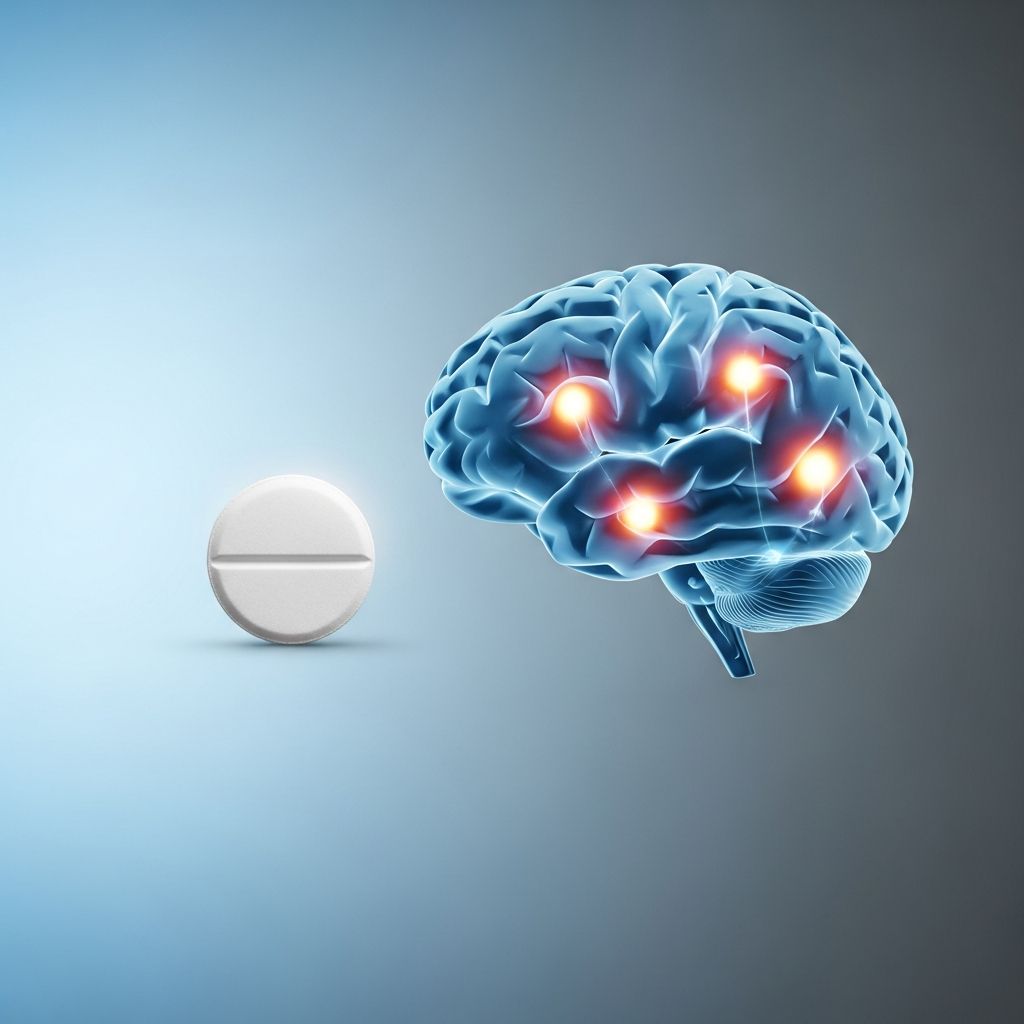
Paroxetine is a widely prescribed selective serotonin reuptake inhibitor (SSRI) antidepressant used to address various mental health and medical conditions. Available under multiple brand names including Paxil, Pexeva, Brisdelle, and Paxil CR, this medication has become a cornerstone treatment in mental healthcare since its introduction to the market. Understanding how paroxetine works, its appropriate uses, proper dosing, and potential side effects empowers patients and healthcare providers to make informed treatment decisions.
What Makes Paroxetine Unique: Mechanism of Action
Paroxetine operates through a specific neurochemical mechanism that distinguishes SSRIs from other antidepressant classes. The medication functions by blocking the serotonin reuptake transporter (SERT), which prevents the brain from reabsorbing serotonin too quickly after it is released. Serotonin is a critical neurotransmitter—a chemical messenger in the brain—that plays a fundamental role in regulating mood, emotional responses, and overall psychological well-being.
When depression or anxiety disorders develop, serotonin levels or activity in the brain may become depleted or dysregulated. This reduced serotonin availability impairs communication between neurons, leading to symptoms such as persistent sadness, low energy, anxiety, and difficulty concentrating. By preventing the rapid reabsorption of serotonin, paroxetine maintains higher concentrations of this neurotransmitter in the spaces between brain cells, enhancing neural communication and gradually improving mood and reducing anxiety symptoms.
Therapeutic Applications and Approved Uses
Paroxetine has received FDA approval for treating multiple psychiatric and medical conditions, reflecting its versatility and efficacy across different patient populations.
Mental Health Conditions
The primary and most common indication for paroxetine is major depressive disorder (MDD), where it helps alleviate the persistent sadness, hopelessness, sleep disturbances, appetite changes, and reduced motivation characteristic of clinical depression. Beyond depression, paroxetine is FDA-approved for several anxiety disorders that significantly impact quality of life:
- Generalized Anxiety Disorder (GAD): Characterized by persistent, excessive worry across multiple life domains, GAD responds well to paroxetine’s ability to stabilize serotonin levels and reduce chronic anxiety symptoms.
- Social Anxiety Disorder: This condition involves intense fear of social situations and judgment from others. Paroxetine reduces the emotional distress and avoidance behaviors associated with social anxiety.
- Panic Disorder: Paroxetine effectively prevents panic attacks and reduces the anticipatory anxiety that often develops in individuals who experience recurrent panic episodes.
- Obsessive-Compulsive Disorder (OCD): The intrusive thoughts and compulsive behaviors of OCD respond to serotonergic enhancement, making paroxetine a first-line pharmacological treatment.
- Post-Traumatic Stress Disorder (PTSD): Paroxetine addresses the hyperarousal, intrusive memories, and avoidance symptoms that characterize PTSD, helping patients reprocess trauma and restore emotional regulation.
Hormonally-Related Conditions
Premenstrual Dysphoric Disorder (PMDD) is a severe form of premenstrual syndrome marked by mood disturbances, anxiety, and physical symptoms timed to the menstrual cycle. Paroxetine ameliorates these cyclical symptoms, though the exact mechanism involves both serotonergic and hormonal influences.
Vasomotor Symptoms Associated with Menopause: Hot flashes and night sweats during menopause can severely impact quality of life. The Brisdelle formulation—a low-dose paroxetine preparation—is specifically approved for moderate to severe vasomotor symptoms in postmenopausal individuals. This application demonstrates paroxetine’s broader effects on thermoregulation and hormonal symptomatology beyond its primary psychiatric mechanisms.
Dosing Guidelines Across Patient Populations
Dosing of paroxetine must be individualized based on the specific condition being treated, patient age, kidney and liver function, and overall medical status. Healthcare providers typically start at conservative doses and gradually increase them based on therapeutic response and tolerability.
Related Stories



Standard Depression and Anxiety Treatment
For adults with major depression and anxiety disorders, the typical starting dose is 20 mg orally once daily. If inadequate response occurs after one to two weeks, the dose can be increased in 10 mg increments at weekly intervals. The effective dose range for most patients is 20 to 50 mg daily, with a maximum recommended dose of 50 to 60 mg per day depending on the indication.
Post-Traumatic Stress Disorder
For PTSD, the initial dose is typically 20 mg daily, with effective doses generally ranging from 20 to 50 mg daily. Research indicates that 40 mg daily shows similar efficacy to higher doses, allowing many patients to achieve symptom relief at moderate dosing levels.
Menopausal Hot Flashes
The Brisdelle formulation uses significantly lower doses than psychiatric applications. The recommended dose for vasomotor symptoms is 7.5 mg orally once daily taken at bedtime, demonstrating that effective treatment does not always require higher doses.
Geriatric Dosing
Older adults typically require reduced doses due to changes in medication metabolism and increased sensitivity to side effects. The usual starting dose for seniors is 10 mg once daily, increased by 10 mg weekly if tolerated, with a maximum daily dose of 40 mg. This conservative approach minimizes adverse effects while maintaining therapeutic efficacy.
Common and Serious Side Effects
Like all medications, paroxetine carries the potential for both minor and serious adverse effects. Awareness of these possibilities allows patients to distinguish between expected reactions and those requiring medical attention.
Frequent Mild-to-Moderate Side Effects
Many patients experience minor side effects when initiating paroxetine, though these typically diminish within the first two to four weeks of treatment:
- Nausea and gastrointestinal distress (often managed by taking the medication with food)
- Drowsiness or sedation during the day
- Headaches
- Sexual dysfunction, including decreased libido and difficulty achieving orgasm
- Tremors or slight shakiness, particularly in the hands
- Dizziness or lightheadedness upon standing
- Insomnia or sleep disturbances
- Weight changes (gain or loss)
- Dry mouth
Withdrawal Symptoms and Discontinuation Syndrome
Abruptly stopping paroxetine after prolonged use can trigger discontinuation syndrome, characterized by rebound anxiety and depression, electric shock-like sensations (particularly in the extremities), muscle spasms, mood swings, irritability, and flu-like symptoms. For this reason, paroxetine should be tapered gradually under medical supervision rather than stopped suddenly, typically reducing the dose by 10% every one to two weeks.
Serious Adverse Effects Requiring Medical Attention
While less common, certain side effects warrant immediate medical evaluation:
- Serotonin Syndrome: A potentially life-threatening condition characterized by rapid onset of elevated body temperature, high blood pressure, muscle rigidity, involuntary muscle contractions, and mental status changes including confusion or delirium. This occurs primarily when paroxetine is combined with other serotonergic medications.
- Cardiovascular effects: Irregular or rapid heartbeat, chest pain, or palpitations
- Neurological effects: Severe tremors, seizures, or loss of consciousness
- Bleeding abnormalities: Unusual bruising or bleeding, as SSRIs can affect platelet aggregation
- Hyponatremia: Abnormally low sodium levels, which can cause confusion, weakness, and in severe cases, seizures or coma
- Suicidal ideation: Particularly in pediatric and young adult patients during initial treatment or dose adjustments
Drug Interactions and Important Precautions
Paroxetine is a potent inhibitor of the enzyme CYP2D6, which metabolizes numerous medications. This enzymatic inhibition can significantly increase blood levels of other drugs, requiring dose adjustments or careful monitoring when paroxetine is combined with medications including certain opioids, antiarrhythmics, and other psychotropic agents.
Combining paroxetine with other serotonergic medications—such as other SSRIs, serotonin-norepinephrine reuptake inhibitors (SNRIs), monoamine oxidase inhibitors (MAOIs), or certain pain medications—increases the risk of serotonin syndrome. Paroxetine should not be used during pregnancy due to increased teratogenic risks, and it is not FDA-approved for use in children and adolescents under age 18, though some clinicians use it off-label in this population.
Frequently Asked Questions
How long does it take for paroxetine to work?
Many patients notice some improvement within two to four weeks of starting paroxetine, though full therapeutic benefits typically require six to eight weeks or longer. This gradual onset is characteristic of all SSRIs and reflects the time needed for neuroadaptive changes in the brain.
Can paroxetine be used long-term?
Yes, paroxetine is safe for long-term use when prescribed and monitored appropriately. Many patients continue treatment for years or indefinitely, particularly those with chronic conditions like generalized anxiety disorder or chronic depression. Long-term treatment is often recommended to prevent relapse.
What should I do if I miss a dose?
If a single dose is missed, take it as soon as remembered unless the next scheduled dose is near. Never double-dose to compensate for a missed dose, as this increases the risk of side effects.
Is paroxetine addictive?
Paroxetine is not considered addictive in the traditional sense, as it does not produce euphoria or reward-seeking behavior. However, psychological dependence can develop, and discontinuation syndrome may occur upon abrupt cessation, which is why gradual tapering is recommended.
Can I drink alcohol while taking paroxetine?
Alcohol can amplify paroxetine’s sedating effects and may worsen depression and anxiety. Most clinicians recommend avoiding or minimizing alcohol consumption while taking this medication.
Monitoring and Clinical Considerations
Regular follow-up appointments with prescribing healthcare providers are essential to assess treatment efficacy, monitor for emerging side effects, and adjust dosing as needed. Periodic reassessment of whether continued treatment remains necessary is important, particularly in patients who have achieved sustained symptom remission. Blood pressure, heart rate, sodium levels, and mental status should be monitored, especially during initial treatment phases and in patients at higher risk for complications.
Paroxetine represents a well-established, evidence-based treatment option for multiple psychiatric and medical conditions. Its mechanism of action, favorable efficacy profile, and availability in multiple formulations make it a valuable tool in comprehensive mental healthcare, though careful prescribing practices and patient monitoring ensure optimal outcomes and safety.
References
- Paroxetine (oral route) – Side effects & dosage — Mayo Clinic. 2024. https://www.mayoclinic.org/drugs-supplements/paroxetine-oral-route/description/drg-20067632
- What Is Paroxetine (Paxil, Pexeva, Brisdelle)? — Desert Hope Treatment Center. 2024. https://deserthopetreatment.com/antidepressants/paroxetine-addiction/
- Paroxetine – StatPearls — National Center for Biotechnology Information (NCBI) Bookshelf. 2024. https://www.ncbi.nlm.nih.gov/books/NBK526022/
- Paxil – Drug Summary — PDR.Net. 2024. https://www.pdr.net/drug-summary/Paxil-paroxetine-hydrochloride-215
- About paroxetine — National Health Service (NHS). 2024. https://www.nhs.uk/medicines/paroxetine/about-paroxetine/
- Paroxetine (marketed as Paxil) Information — U.S. Food and Drug Administration (FDA). 2024. https://www.fda.gov/drugs/postmarket-drug-safety-information-patients-and-providers/paroxetine-marketed-paxil-information
- Paroxetine — Cleveland Clinic. 2024. https://my.clevelandclinic.org/health/drugs/19855-paroxetine-controlled-release-tablets
Similar Articles








Read full bio of medha deb