Paroxysmal Nocturnal Dyspnea: Causes, Symptoms & Treatment
Understanding nighttime shortness of breath: causes, symptoms, diagnosis, and effective management strategies.
Paroxysmal Nocturnal Dyspnea: Understanding Nighttime Shortness of Breath
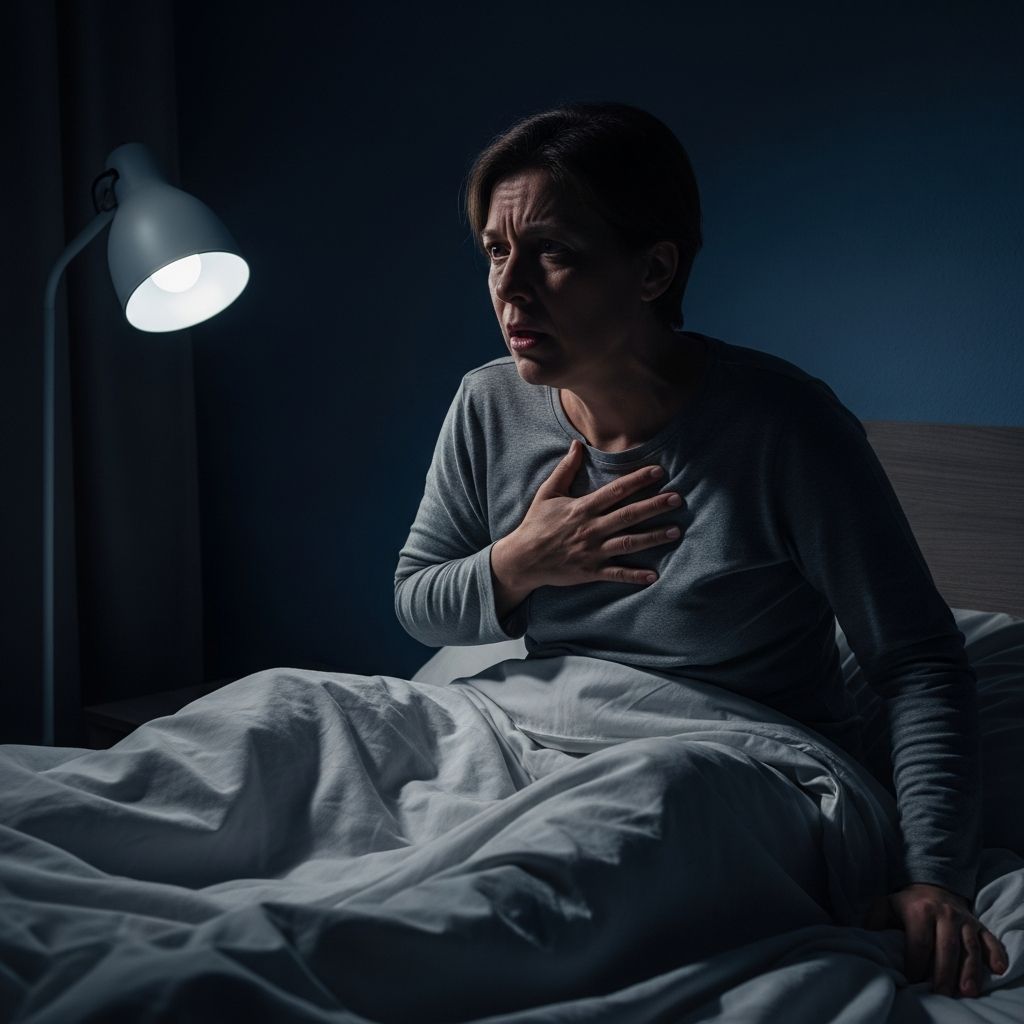
Paroxysmal nocturnal dyspnea (PND) is a condition characterized by sudden, severe shortness of breath that awakens you from sleep, typically after one to two hours of falling asleep. During an episode, you may experience gasping, coughing, and a sensation of suffocation that forces you to sit up or get out of bed to catch your breath. This frightening experience often improves within minutes once you are upright, though the anxiety associated with these episodes can significantly impact your quality of life and sleep patterns.
The term “paroxysmal” refers to sudden attacks, “nocturnal” means occurring at night, and “dyspnea” refers to shortness of breath. Together, these words describe a distinctive pattern of breathing difficulties that occur specifically during sleep. Unlike orthopnea, which is difficulty breathing when lying flat that improves when sitting up, PND involves awakening from sleep with acute breathing distress.
What Causes Paroxysmal Nocturnal Dyspnea?
PND can result from various underlying medical conditions, with some causes being more serious than others. Understanding the root cause is essential for developing an effective treatment plan. The most common causes include cardiac and pulmonary conditions, though other factors can also contribute to this symptom.
Cardiac Causes
Heart Failure: Congestive heart failure (CHF) is among the leading causes of PND. When the heart cannot adequately pump blood, fluid accumulates in the lungs, a condition called pulmonary edema. When lying down, this fluid redistributes throughout the lungs, triggering the sensation of breathlessness. The failing left ventricle becomes unable to match the output of a more normally functioning right ventricle, resulting in pulmonary congestion that manifests as PND episodes.
Hypertension: Uncontrolled high blood pressure strains the heart and can lead to heart failure, contributing to PND development. Proper blood pressure management is crucial for preventing this condition.
Coronary Artery Disease: This condition reduces blood supply to the heart muscle, weakening cardiac function and contributing to heart failure and subsequent PND episodes.
Valvular Heart Disease: Malfunction of heart valves impairs proper blood flow and can lead to heart failure and PND symptoms.
Respiratory and Sleep-Related Causes
Central Sleep Apnea: This condition involves temporary cessation of breathing during sleep, often accompanied by Cheyne-Stokes breathing patterns, which can cause sudden awakening with severe dyspnea.
Obstructive Sleep Apnea: Intermittent pauses in breathing during sleep can induce nocturnal dyspnea and awakening episodes.
Chronic Obstructive Pulmonary Disease (COPD): This progressive lung disease can contribute to PND symptoms, particularly in advanced stages.
Asthma: Nighttime asthma symptoms can manifest as PND, especially if not well-controlled.
Other Respiratory Conditions: Pulmonary edema, restrictive lung disease, pulmonary artery embolism, and postnasal drip can all contribute to PND development.
Other Contributing Factors
PND can also be related to additional medical conditions including stomach acid reflux, kidney failure, anxiety or panic attacks, and respiratory muscle dysfunction. The common mechanism across many causes involves either fluid accumulation in the lungs or compromised breathing capacity that worsens when lying flat.
Related Stories



Symptoms and Clinical Presentation
The primary symptom of PND is sudden awakening with severe shortness of breath, typically occurring after one to two hours of sleep. During an episode, you may experience:
- Gasping for air
- Severe coughing
- Chest tightness or discomfort
- Rapid or irregular heartbeat
- Sweating and anxiety
- Need to sit upright or move around to regain normal breathing
Symptoms typically resolve within minutes to several hours once you assume an upright position. The sudden and frightening nature of these episodes often creates anxiety about sleeping, which can lead to secondary sleep disturbances and daytime fatigue.
Diagnosis of Paroxysmal Nocturnal Dyspnea
Diagnosing PND requires a comprehensive evaluation to identify the underlying cause. Your healthcare provider will typically begin with a detailed medical history and physical examination, followed by specialized diagnostic tests.
Diagnostic Tests
Electrocardiography (ECG/EKG): This test records the rhythm of your heartbeat, the frequency of beats, and the heart’s electrical activity, helping identify cardiac abnormalities.
Echocardiography: This ultrasound imaging technique assesses your heart’s structure and evaluates how well it is pumping blood throughout your body.
Exercise Stress Tests: These tests measure how your heart responds to physical exertion, revealing potential cardiac limitations.
Radionuclide Ventriculography: Also called multiple-gated acquisition (MUGA) scanning, this nuclear imaging test evaluates heart function.
Cardiac Catheterization: This invasive procedure involves inserting a catheter into blood vessels to measure pressures and assess cardiac function directly.
Magnetic Resonance Imaging (MRI): Advanced imaging that provides detailed information about heart and lung structure.
Pulmonary Function Tests: If respiratory causes are suspected, these tests evaluate lung capacity and function.
Sleep Studies: Polysomnography may be ordered to evaluate for sleep apnea or other sleep-related breathing disorders.
Treatment Options for Paroxysmal Nocturnal Dyspnea
Treatment approaches vary significantly depending on the underlying cause of PND. Your healthcare provider will develop a personalized treatment plan targeting the specific condition responsible for your symptoms.
Management of Heart Failure
Medications: When heart failure is the underlying cause, several medication classes help manage PND:
- Diuretics: These “water pills,” such as furosemide, help eliminate excess fluid from the body, reducing pulmonary edema and relieving PND symptoms.
- ACE Inhibitors: These medications increase blood flow and reduce strain on the heart.
- Beta-Blockers: These drugs lower heart rate and reduce the heart’s workload, contributing to symptom relief.
- Vasodilators: Medications like nitroglycerin dilate blood vessels to reduce cardiac strain and improve function.
- Angiotensin II Receptor Blockers (ARBs): These medications help regulate blood pressure and cardiac function.
Lifestyle Modifications: Essential lifestyle changes include stopping smoking, maintaining a healthy weight, consuming a low-sodium diet, limiting fluid intake as recommended, and engaging in moderate, regular exercise.
Surgical and Device-Based Interventions: In cases of severe heart failure unresponsive to medical therapy, surgical options such as revascularization procedures or implanted devices may be considered. In rare cases of terminal heart failure, heart transplantation may be necessary.
Management of Hypertension
Controlling high blood pressure is essential for preventing PND. Treatment includes lifestyle modifications such as a low-sodium diet and regular exercise, along with antihypertensive medications including ACE inhibitors, beta-blockers, and calcium channel blockers.
Management of Sleep Apnea
Continuous Positive Airway Pressure (CPAP): This device delivers pressurized air through a mask during sleep, maintaining open airways and preventing breathing interruptions. CPAP is the primary treatment for central sleep apnea with Cheyne-Stokes breathing.
Supplemental Oxygen: Nocturnal home oxygen therapy may be prescribed to increase blood oxygen levels during sleep.
Positioning: Sleeping on your side rather than your back can help improve breathing in some cases of sleep apnea.
Management of Respiratory Conditions
For Asthma: Long-term asthma control medications, including inhaled corticosteroids and bronchodilators, help reduce nighttime symptoms.
For COPD: Oxygen therapy may be recommended for people with COPD contributing to PND symptoms.
For Other Lung Conditions: Treatment focuses on managing the specific respiratory disorder causing symptoms.
General Comfort Measures
Sleeping Position: Maintaining an upright sleeping position using multiple pillows or an adjustable bed can significantly relieve PND symptoms by preventing fluid from accumulating in the lungs during sleep.
Environmental Modifications: Maintaining a comfortable room temperature and humidity level can help improve breathing during sleep.
| Underlying Cause | Primary Treatment Approach | Additional Interventions |
|---|---|---|
| Heart Failure | Diuretics, ACE inhibitors, beta-blockers | Lifestyle modifications, surgery if needed |
| Central Sleep Apnea with Cheyne-Stokes Breathing | CPAP therapy | Nocturnal oxygen therapy |
| Obstructive Sleep Apnea | CPAP machine | Positional therapy, oxygen supplementation |
| Asthma | Asthma control medications, inhalers | Inhaled corticosteroids |
| COPD | Respiratory medications | Oxygen therapy |
| Hypertension | Antihypertensive medications | Diet and exercise modifications |
When to Seek Medical Attention
PND is a serious condition that warrants prompt medical evaluation. You should contact your healthcare provider if you experience:
- Sudden episodes of severe nighttime shortness of breath
- Repeated awakenings from sleep due to breathing difficulty
- New or worsening breathing symptoms
- Chest pain or pressure accompanying breathing difficulty
- Severe anxiety or panic related to breathing episodes
Seek emergency medical care if you experience severe breathing difficulty that does not improve with position changes or if you have chest pain, severe confusion, or loss of consciousness.
Living with Paroxysmal Nocturnal Dyspnea
Managing PND effectively requires close cooperation with your healthcare team, consistent medication adherence, and lifestyle modifications. Many patients find that proper treatment of the underlying cause significantly improves or eliminates PND episodes. Keeping a symptom diary noting when episodes occur, what activities preceded them, and how long they last can provide valuable information for your healthcare provider in adjusting your treatment plan.
Sleep quality often improves dramatically once effective treatment begins, leading to better daytime functioning and overall quality of life. Support groups and counseling can help address the anxiety that often accompanies this condition.
Frequently Asked Questions
Q: How is PND different from orthopnea?
A: While both involve breathing difficulty when lying flat, orthopnea improves when you sit up, whereas PND awakens you from sleep with sudden, severe shortness of breath that typically resolves within minutes once you’re upright.
Q: Can PND be cured?
A: Whether PND can be cured depends on its underlying cause. Many cases can be effectively managed or eliminated by treating the primary condition causing the symptoms. Some patients may require long-term management strategies.
Q: Is PND a sign of a heart attack?
A: While PND can indicate underlying heart disease, it is not itself a heart attack. However, if you experience PND accompanied by chest pain, severe pressure, or other warning signs of a heart attack, seek emergency medical care immediately.
Q: Can lifestyle changes alone treat PND?
A: Lifestyle modifications such as weight loss, smoking cessation, sodium restriction, and sleeping in an upright position can help manage PND symptoms. However, most cases require medical treatment targeting the underlying cause.
Q: How long does it take for PND treatment to work?
A: The timeline varies depending on the treatment and underlying cause. Some patients notice improvement within days to weeks, while others may require several months of consistent treatment before significant symptom reduction occurs.
Q: Can anxiety cause PND?
A: While anxiety can contribute to breathing difficulties, true PND results from underlying medical conditions such as heart failure or sleep apnea. However, the fear and anxiety caused by PND episodes can worsen symptoms in a cycle.
References
- Dyspnea, Orthopnea, and Paroxysmal Nocturnal Dyspnea — National Center for Biotechnology Information (NCBI). 2024. https://www.ncbi.nlm.nih.gov/books/NBK213/
- Paroxysmal Nocturnal Dyspnea: Definition, symptoms, and treatment — Medical News Today. 2024. https://www.medicalnewstoday.com/articles/paroxysmal-nocturnal-dyspnea
- What Is Paroxysmal Nocturnal Dyspnea (PND)? — WebMD. 2024. https://www.webmd.com/sleep-disorders/what-is-paroxysmal-nocturnal-dyspnea
- Paroxysmal Nocturnal Dyspnea Causes, Symptoms and Treatment — Revive Research. 2024. https://www.reviveresearch.org/blog/paroxysmal-nocturnal-dyspnea/
- Paroxysmal Nocturnal Dyspnea Causes and Treatment — Healthline. 2024. https://www.healthline.com/health/paroxysmal-nocturnal-dyspnea
- Paroxysmal Nocturnal Dyspnoea — Wikipedia. 2024. https://en.wikipedia.org/wiki/Paroxysmal_nocturnal_dyspnoea
Similar Articles








Read full bio of Sneha Tete