Paroxysmal Supraventricular Tachycardia: Overview and Treatment
Understanding PSVT: Causes, symptoms, diagnosis, and effective treatment options for rapid heartbeat episodes.
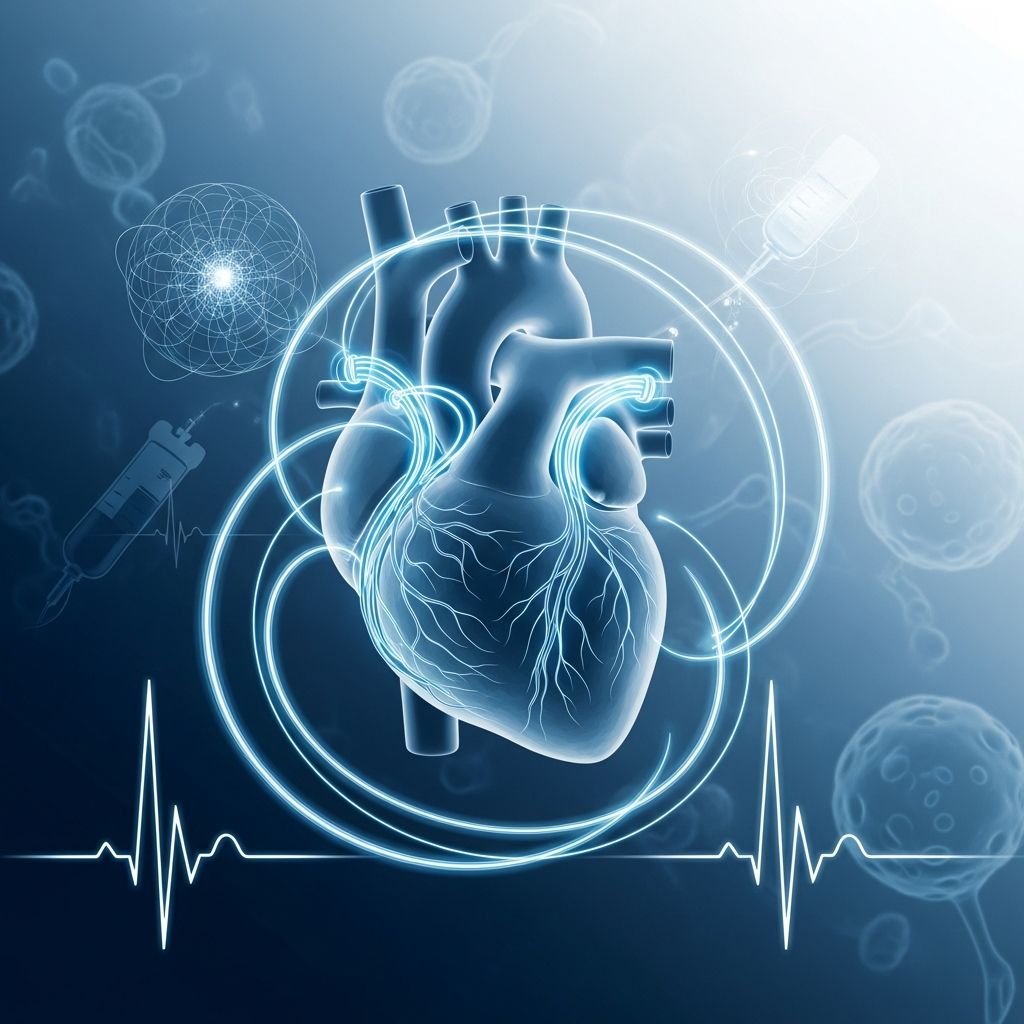
Paroxysmal Supraventricular Tachycardia (PSVT): A Comprehensive Overview
Paroxysmal supraventricular tachycardia (PSVT) is a heart condition characterized by sudden episodes of rapid heartbeat that begin and end abruptly. During these episodes, the heart may beat more than 150 times per minute, significantly faster than the normal resting heart rate of 60 to 100 beats per minute. This condition originates in the heart’s upper chambers, known as the atria, and while it is often not life-threatening in otherwise healthy individuals, it can cause significant discomfort and, in some cases, lead to more serious complications if left untreated.
PSVT affects individuals across all age groups, from infants to adults, and understanding this condition is crucial for both patients and healthcare providers. The episodes can last anywhere from a few seconds to several hours, and they may occur sporadically or multiple times per week, significantly impacting a person’s quality of life. Modern medical advances have made it possible to effectively manage and even cure this condition through various treatment options.
Understanding the Heart’s Electrical System
To comprehend how PSVT develops, it is essential to understand the heart’s electrical conduction system. Normally, the heart’s chambers contract in a coordinated and synchronized manner, pumping blood efficiently throughout the body. This coordination is controlled by electrical signals that originate in the sinoatrial node, often called the sinus node or SA node, located in the right atrium.
The electrical signal begins in the sinoatrial node and travels through the atria, causing them to contract and push blood into the ventricles. The signal then travels down through the atrioventricular node (AV node) and continues along specialized pathways to reach the ventricles, triggering their contraction. This organized electrical activity ensures that blood flows in the correct direction and maintains an appropriate heart rate.
In PSVT, this normal electrical pathway becomes disrupted. Extra electrical pathways or abnormal circuits develop between the heart’s upper and lower chambers, creating a reentry loop. When triggered by certain stimuli, these abnormal pathways cause the heart’s electrical signals to circulate rapidly, resulting in the characteristic fast heart rate associated with PSVT.
Causes and Risk Factors
PSVT can develop due to various underlying mechanisms and triggering factors. The most common mechanisms include atrioventricular nodal reentrant tachycardia (AVNRT) and atrioventricular reentrant tachycardia (AVRT). AVNRT occurs when an extra pathway develops within or near the AV node itself, while AVRT is typically associated with an accessory pathway that bypasses the normal AV node, often related to Wolff-Parkinson-White syndrome.
Common triggers and risk factors for PSVT include:
– Caffeine consumption- Alcohol use- Smoking and nicotine exposure- Illicit stimulant drugs- Strenuous physical activity or exercise- Emotional stress- Hyperthyroidism- Myocardial ischemia or coronary artery disease- Infection or fever- Hypoxia (low oxygen levels)- Hypovolemia (low blood volume)- Certain medications, including those used to treat asthma, allergies, and colds- Digitalis toxicity when doses are too high- Heart valve disease- Heart failure- Congenital heart defects- Obstructive sleep apnea- Uncontrolled diabetes- Previous heart surgery
These triggers work by increasing the likelihood that premature electrical beats originating in the atria or ventricles will occur, thus initiating the reentry mechanism that characterizes PSVT.
Related Stories



Symptoms and Clinical Presentation
The symptoms of PSVT can vary in intensity and duration, depending on the individual and the characteristics of the episode. Most patients experience a sudden onset of symptoms without warning, which can be distressing even though the condition is usually not immediately life-threatening.
Common symptoms of PSVT include:
– A rapid or fluttering sensation in the chest (palpitations)- A pounding feeling in the chest or neck- Shortness of breath or difficulty breathing- Dizziness or lightheadedness- Chest discomfort or mild chest pain- Fatigue or weakness- Sweating- Anxiety or feeling of impending doom- In severe cases, syncope (fainting)
Some individuals may experience frequent episodes with multiple episodes occurring throughout a day, while others may have episodes separated by weeks or months. The unpredictable nature of PSVT can significantly affect a patient’s daily activities, work performance, and overall quality of life, often causing anxiety about when the next episode might occur.
Diagnosis and Evaluation
Accurate diagnosis of PSVT is essential for determining the appropriate treatment strategy. Several diagnostic tools and procedures are available to healthcare providers to identify PSVT and determine its underlying mechanism.
Electrocardiogram (ECG)
The electrocardiogram is the first-line diagnostic tool for evaluating suspected PSVT. An ECG records the electrical activity of the heart and can show the characteristic patterns of rapid heart rate. However, since PSVT episodes are paroxysmal (intermittent), a standard 12-lead ECG recorded during normal rhythm may appear completely normal. An ECG is most useful when recorded during an active episode of tachycardia.
Ambulatory Monitoring Devices
When episodes are infrequent, ambulatory monitoring devices such as Holter monitors (24-48 hour continuous ECG recordings) or event monitors may be used to capture the arrhythmia during a symptomatic episode. These portable devices record the heart’s electrical activity over an extended period, increasing the likelihood of capturing PSVT episodes.
Electrophysiology Study (EPS)
The electrophysiology study is considered the gold standard for diagnosing PSVT and determining its mechanism. This invasive procedure involves inserting thin catheters through blood vessels into the heart chambers to map electrical activity and identify the location and nature of the arrhythmia circuit. During the EPS, doctors can deliberately trigger PSVT episodes in a controlled setting and perform diagnostic maneuvers to precisely characterize the tachycardia mechanism.
The EPS not only confirms the diagnosis but also provides critical information that guides treatment decisions, particularly regarding catheter ablation procedures. It allows physicians to identify whether the PSVT is caused by AVNRT, AVRT, or other mechanisms, and to localize the specific tissue responsible for the arrhythmia.
Treatment Options
Acute Episode Management
When a PSVT episode occurs, the immediate goal is to restore the heart rate to normal. The treatment approach depends on whether the patient is hemodynamically stable or unstable.
Hemodynamically Stable Patients
For patients who are alert and maintaining adequate blood pressure, vagal maneuvers are the first-line treatment option. These maneuvers work by stimulating the vagus nerve, which slows electrical conduction through the AV node and can terminate the reentry circuit.
Vagal maneuvers include:
– Valsalva maneuver: Straining against a closed airway for 10-15 seconds- Carotid massage: Gentle pressure applied to the carotid artery in the neck- Ice water immersion or applying ice to the face- Bearing down or squatting position changes
If vagal maneuvers are ineffective or cannot be performed, intravenous adenosine is the medication of choice for acute PSVT termination. Adenosine is highly effective, terminating atrioventricular-dependent PSVT in 75 to 95 percent of patients. It works by temporarily blocking electrical conduction through the AV node, allowing the reentry circuit to break. Due to adenosine’s extremely short half-life of only a few seconds, its effects are rapidly reversible.
Alternative medications include intravenous beta-blockers and non-dihydropyridine calcium channel blockers such as verapamil or diltiazem, which are used if adenosine is ineffective or contraindicated.
Hemodynamically Unstable Patients
Patients presenting with hypotension, severe shortness of breath, chest pain, altered mental status, or signs of shock require immediate intervention. These patients are considered hemodynamically unstable and require emergency electrical cardioversion. This procedure delivers an electrical shock to the heart synchronized with the patient’s heartbeat, forcibly interrupting the reentry circuit and restoring normal rhythm.
Long-Term Management and Prevention
For patients experiencing recurrent PSVT episodes, long-term management strategies aim to prevent future episodes and improve quality of life. The most effective and preferred treatment for symptomatic recurrent PSVT is catheter ablation.
Catheter Ablation
Catheter ablation has revolutionized PSVT management and is now considered the treatment of choice for most symptomatic patients. This procedure involves inserting specialized catheters into the heart to locate and destroy the tissue responsible for the abnormal electrical pathway. Various energy sources can be used, including radiofrequency energy, laser pulses, high-voltage electrical current, or cryotherapy (extreme cold).
In AVNRT, the slow pathway in the AV node is targeted for ablation, while in AVRT, the accessory pathway is identified and ablated. Catheter ablation has an excellent success rate, curing AVNRT and AVRT in more than 95 percent of symptomatic patients, with relatively low complication rates.
The benefits of catheter ablation extend beyond symptom control. It significantly reduces the need for repeated hospitalizations, eliminates the need for ongoing medication therapy in many patients, improves quality of life, and provides a definitive cure for the condition in most cases.
Pharmacological Management
When catheter ablation is not feasible or declined by the patient, antiarrhythmic medications can be used for long-term prevention of PSVT episodes. Commonly prescribed medications include:
– Beta-blockers (such as metoprolol or propranolol)- Non-dihydropyridine calcium channel blockers (diltiazem, verapamil)- Digoxin- Class IC antiarrhythmic agents (flecainide, propafenone)- Class III antiarrhythmic agents (amiodarone, sotalol)
These medications work by reducing the excitability of cardiac tissue, slowing conduction, or prolonging the refractory period, thereby preventing the initiation of reentry circuits.
Other Treatment Considerations
In rare cases, particularly in pediatric patients who have not responded to other treatments, permanent pacemakers may be considered. These devices can override rapidly occurring heartbeats and restore a normal rhythm. Additionally, surgical intervention to modify abnormal electrical pathways may be recommended for some patients who require heart surgery for other reasons.
Living with PSVT: Lifestyle Modifications
Beyond medical treatment, certain lifestyle modifications can help reduce the frequency and severity of PSVT episodes. Patients should avoid known triggers specific to their condition. Reducing or eliminating caffeine, alcohol, and nicotine is commonly recommended. Avoiding illicit stimulant drugs and minimizing stress through relaxation techniques, yoga, or meditation may also be beneficial.
Maintaining overall cardiovascular health through appropriate exercise, managing other medical conditions such as thyroid disease or diabetes, and ensuring adequate sleep and rest can contribute to better PSVT management. Patients should discuss specific lifestyle modifications with their healthcare provider to develop a personalized prevention strategy.
Prognosis and Complications
The prognosis for PSVT is generally favorable. In otherwise healthy individuals without structural heart disease, PSVT does not pose an immediate threat to life. However, in patients with underlying heart conditions such as heart failure, coronary artery disease, or valvular disease, recurrent PSVT episodes can lead to complications including congestive heart failure, angina, or further deterioration of cardiac function.
With modern treatment options, particularly catheter ablation, most patients with PSVT can achieve excellent long-term outcomes and return to normal activity without restrictions.
Frequently Asked Questions
Q: Is PSVT life-threatening?
A: For most healthy individuals, PSVT is not immediately life-threatening. However, in patients with existing heart disease, recurrent episodes can lead to complications such as heart failure or worsening of cardiac function. Seeking appropriate medical evaluation and treatment is important for managing symptoms and preventing potential complications.
Q: Can PSVT go away on its own?
A: Some episodes of PSVT may terminate spontaneously without treatment, particularly if the triggering factor is removed. However, the underlying arrhythmia substrate typically persists, and episodes usually recur. Definitive treatment through catheter ablation can provide long-term relief in most patients.
Q: What should I do if I experience a PSVT episode?
A: If you experience a rapid heartbeat with chest discomfort, shortness of breath, or dizziness, seek immediate medical attention, especially if it is your first episode or if symptoms are severe. If your healthcare provider has taught you vagal maneuvers, you may try these first. If symptoms persist or worsen, call emergency services.
Q: How is catheter ablation performed?
A: Catheter ablation is performed in a cardiac catheterization laboratory. Thin catheters are inserted through blood vessels and guided into the heart. Once the abnormal tissue is identified through electrical mapping, energy (radiofrequency, laser, cold, or electrical) is delivered to destroy the tissue responsible for the arrhythmia. The procedure typically takes 1-3 hours and is usually performed under conscious sedation.
Q: What is the success rate of catheter ablation for PSVT?
A: Catheter ablation has a success rate exceeding 95 percent for AVNRT and AVRT, the most common forms of PSVT. Complication rates are low, making it an effective and safe treatment option for most patients.
Q: Can I exercise if I have PSVT?
A: Most patients with PSVT can engage in regular exercise, though this should be discussed with your healthcare provider. Strenuous exercise can be a trigger for some individuals. After successful catheter ablation, most patients can return to unrestricted physical activity.
References
- Paroxysmal Supraventricular Tachycardia — National Center for Biotechnology Information (NCBI), National Library of Medicine. 2024. https://www.ncbi.nlm.nih.gov/books/NBK507699/
- Paroxysmal Supraventricular Tachycardia (PSVT) — Mount Sinai Health System. 2024. https://www.mountsinai.org/health-library/diseases-conditions/paroxysmal-supraventricular-tachycardia-psvt
- Paroxysmal Supraventricular Tachycardia (SVT, PSVT) — Merck Manuals. 2024. https://www.merckmanuals.com/home/heart-and-blood-vessel-disorders/abnormal-heart-rhythms/paroxysmal-supraventricular-tachycardia-svt-psvt
- Supraventricular Tachycardia — Symptoms and Causes — Mayo Clinic. 2024. https://www.mayoclinic.org/diseases-conditions/supraventricular-tachycardia/symptoms-causes/syc-20355243
- Tachycardia: Fast Heart Rate — American Heart Association. 2024. https://www.heart.org/en/health-topics/arrhythmia/about-arrhythmia/tachycardia–fast-heart-rate
- Living with Paroxysmal Supraventricular Tachycardia (PSVT): Taking Charge of Your Condition — American Federation for Aging Research. 2024. https://www.agingresearch.org/video/living-with-paroxysmal-supraventricular-tachycardia-psvt-taking-charge-of-your-condition/
Similar Articles








Read full bio of medha deb