Passion Fruit Benefits: 11 Key Health Boosters To Try
Discover the impressive health benefits of passion fruit, from boosting immunity and heart health to aiding digestion and blood sugar control.
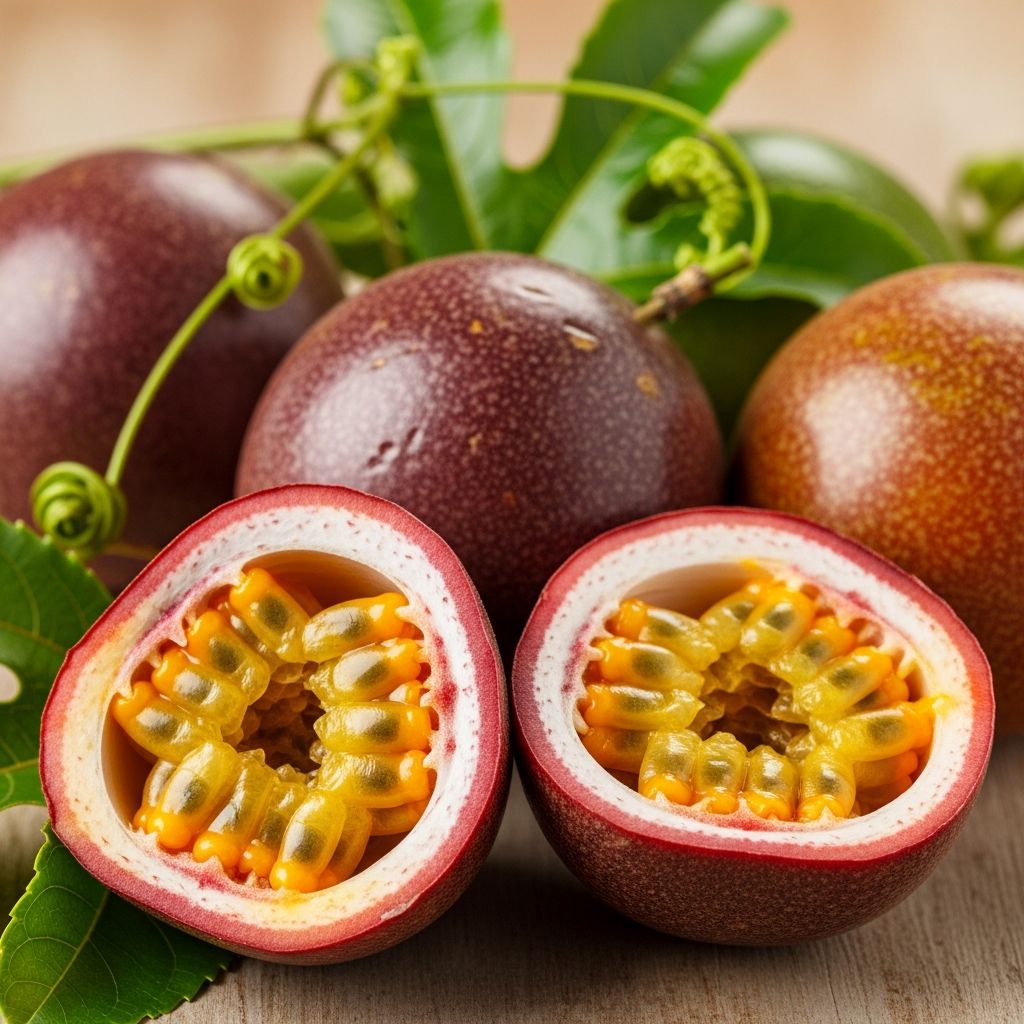
Passion fruit, with its vibrant purple or yellow rind and juicy, seed-filled pulp, offers a tangy-sweet flavor and a wealth of health benefits. This tropical fruit is loaded with essential vitamins, minerals, fiber, and antioxidants that can enhance immunity, support heart health, improve digestion, and more. Native to South America, passion fruit (Passiflora edulis) has gained popularity worldwide for its nutritional density and versatility in cuisines from smoothies to salads.
One medium passion fruit (about 18 grams of edible pulp) delivers approximately 17 calories, 2 grams of fiber, 8% of daily vitamin C, and 8% of vitamin A needs. Its low glycemic index of around 30 makes it suitable for blood sugar management, while the seeds provide protein, healthy fats, and additional minerals.
What Is Passion Fruit?
Passion fruit grows on a climbing vine in tropical climates and comes in two main varieties: purple passion fruit, which is smaller and more aromatic, and yellow passion fruit, larger with a sharper tartness. The fruit encases a gelatinous pulp surrounding crunchy black seeds. Traditionally used in folk medicine for anxiety and sleep, modern research highlights its role in reducing oxidative stress and inflammation.
To select ripe passion fruit, choose heavy fruits with wrinkled skin, indicating peak juiciness. Store them at room temperature until ripe, then refrigerate for up to a week. Cut in half and scoop out the pulp—edible skin adds extra fiber but is often discarded due to bitterness.
Passion Fruit Nutrition Facts
Passion fruit stands out for its nutrient-packed profile. Per 100 grams of raw pulp, it provides:
| Nutrient | Amount | % Daily Value* |
|---|---|---|
| Calories | 97 | 5% |
| Fiber | 10.4 g | 37% |
| Vitamin C | 30 mg | 33% |
| Vitamin A | 1272 IU | 25% |
| Potassium | 348 mg | 7% |
| Iron | 1.6 mg | 9% |
| Magnesium | 29 mg | 7% |
*Based on a 2,000-calorie diet. Data synthesized from USDA-equivalent profiles.
These nutrients contribute to multiple bodily functions, from collagen production to nerve signaling.
Health Benefits of Passion Fruit
1. Provides Antioxidants
Passion fruit is rich in antioxidants like polyphenols, carotenoids (beta-carotene, lutein), vitamin C, and carotene, which combat free radicals—unstable molecules linked to cancer, heart disease, and Alzheimer’s. Studies show passion fruit has higher polyphenol levels than bananas, mangos, or pineapples, reducing inflammation and cellular damage.
These compounds improve blood flow to the brain, alleviate oxidative stress, and may protect against neurodegenerative diseases. A study on rats found passion fruit juice increased antioxidant enzymes and lowered cholesterol.
2. High in Fiber
With over 10 grams of fiber per 100 grams, passion fruit promotes digestive health by regulating bowel movements, preventing constipation, and feeding gut bacteria. Soluble fiber lowers LDL cholesterol, reducing heart disease risk, while its satiating effect aids weight management. Diets high in fiber like this correlate with lower diabetes incidence.
The seeds amplify fiber intake, offering pectins that bind cholesterol in the gut.
3. May Boost Immunity
Vitamin C in passion fruit (up to 50% DV per fruit) enhances white blood cell production, improves iron absorption from plants, and strengthens infection resistance. Antioxidants further bolster immunity by modulating inflammation. Regular intake may reduce cold duration and severity.
Related Stories



4. Supports Heart Health
Potassium relaxes blood vessels, regulating blood pressure, while low sodium prevents fluid retention. Fiber clears excess cholesterol, and antioxidants like vitamin C protect arteries. A 2019 study linked passion fruit juice to lower cardiovascular risk factors.
Magnesium supports heart rhythm, and plant sterols mimic cholesterol-lowering drugs.
5. Helps Maintain Healthy Blood Sugar
Its low GI (30) ensures slow sugar release, ideal for diabetes management. Fiber delays glucose absorption, preventing spikes. Research supports its antidiabetic potential via bioactive compounds.
6. Improves Skin Health
Vitamin C and A promote collagen synthesis for firm skin, while antioxidants like carotene fight UV damage and aging. Polyphenols hydrate dry skin, with studies showing alleviated xerosis symptoms.
7. May Have Cancer-Fighting Properties
Lab studies indicate passion fruit extracts inhibit cancer cell growth, attributed to polyphenols and carotenoids. Human trials are needed, but its anti-inflammatory profile suggests protective effects.
8. Supports Eye Health
Vitamin A and lutein safeguard vision, reducing macular degeneration risk. Beta-carotene converts to retinal for low-light adaptation.
9. Aids Sleep and Reduces Anxiety
Traditionally a sedative, passion fruit’s magnesium and harmane alkaloids promote relaxation. Rat studies show neuroprotective effects against Alzheimer’s-like symptoms.
10. Provides Protein and Healthy Fats
Seeds offer 2-5g protein per serving—high for fruit—plus omega fats for heart and brain health.
11. Supports Bone Health
Calcium, magnesium, phosphorus, and vitamin K strengthen bones and teeth.
Passion Fruit Recipes
- Smoothie: Blend pulp with yogurt, banana, and spinach for a vitamin boost.
- Salad Dressing: Mix juice with olive oil and lime.
- Yogurt Parfait: Layer with granola and berries.
- Sorbet: Freeze pulp with honey.
- Cocktail: Muddle with vodka and soda.
Potential Downsides
Allergies are rare but possible. Seeds may irritate if overconsumed. Pesticides on skin warrant washing. Consult doctors if pregnant or on blood thinners due to vitamin K.
Frequently Asked Questions (FAQs)
Is passion fruit good for diabetics?
Yes, its low glycemic index and fiber help stabilize blood sugar.
Can you eat passion fruit seeds?
Absolutely—they’re nutritious with fiber, protein, and fats.
How much passion fruit should you eat daily?
1-2 fruits provide benefits without excess.
Does passion fruit help you sleep?
Magnesium and traditional use suggest mild sedative effects.
Is passion fruit high in sugar?
No, natural sugars are balanced by fiber.
References
- Passion Fruit: Health Benefits, Nutrition, Risks, and Preparation — WebMD. 2023. https://www.webmd.com/food-recipes/passion-fruit-health-benefits
- Health Benefits of Passion Fruit — Saber Healthcare Group. 2024. https://saberhealth.com/news/blog/passion-fruit-health-benefits
- Is passion fruit good for you? — BBC Good Food. 2023. https://www.bbcgoodfood.com/health/are-passion-fruits-good-for-you
- Immediate effects of passion fruit juice supplementation on working memory — PMC (NIH). 2024-01-29. https://pmc.ncbi.nlm.nih.gov/articles/PMC10899059/
- Passion fruit nutrition and health benefits — Medical News Today. 2023. https://www.medicalnewstoday.com/articles/324383
Similar Articles








Read full bio of medha deb