Passionflower: Uses, Safety, and Evidence
Explore passionflower's therapeutic potential for anxiety, insomnia, and nervous conditions.
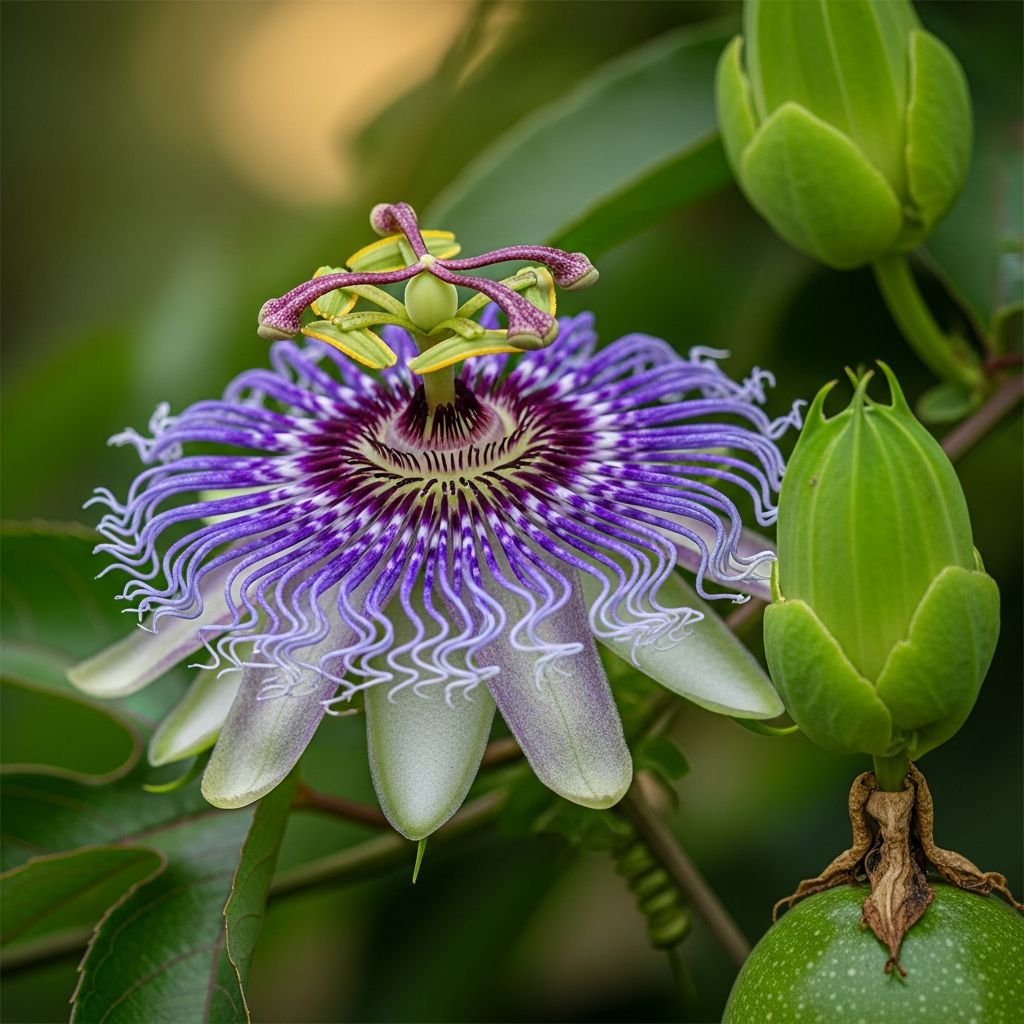
Passionflower, scientifically known as Passiflora incarnata, is a climbing vine native to the Western Hemisphere that has been used for centuries as a natural remedy for various health conditions. The plant’s ornate, exotic flowers have captured the attention of herbalists and practitioners of traditional medicine for generations. Historically, indigenous North Americans recognized the calming properties of passionflower and employed it as a mild sedative to treat pain and nervous conditions. As European colonists encountered this remarkable plant, they incorporated it into their own folk medicine traditions, eventually establishing it as a recognized herbal remedy across multiple continents. Today, passionflower continues to gain scientific attention as researchers investigate its potential therapeutic applications and underlying mechanisms of action.
What Is Passionflower?
Passionflower is a natural plant product belonging to the Passiflora genus, comprising numerous species with varying therapeutic properties. The plant has been traditionally valued for its ability to influence the nervous system and promote relaxation. In 1985, Germany’s Commission E officially recognized passionflower as a legitimate treatment for nervous unrest, lending credibility to its therapeutic applications. The herb contains several active compounds, including flavonoids and harmala alkaloids, which researchers believe contribute to its calming effects. These bioactive constituents interact with the body’s neurochemical systems, though scientists continue to investigate the precise mechanisms through which passionflower exerts its therapeutic influence.
Principal Proposed Uses
Anxiety and Nervous Tension
The primary therapeutic application of passionflower is the management of anxiety and nervous tension. Passionflower is considered a mildly effective treatment for anxiety, though it appears less potent than some other herbal anxiolytics such as kava and valerian. However, its relatively mild nature and favorable safety profile make it an attractive option for those seeking natural alternatives to pharmaceutical interventions. The herb works by promoting a sense of calm and reducing the perception of nervousness without producing sedation in most individuals. This makes passionflower particularly suitable for daytime use when cognitive function must be maintained. Research suggests that passionflower’s anxiolytic effects primarily operate through GABAergic mechanisms, with the herb interacting with gamma-aminobutyric acid (GABA) receptors in the brain. GABA is the body’s primary inhibitory neurotransmitter, responsible for dampening excessive neural activity and promoting relaxation throughout the central nervous system.
Drug Addiction and Withdrawal
Emerging scientific evidence suggests that passionflower may play a supportive role in managing symptoms of drug withdrawal, particularly in individuals struggling with opiate addiction. A significant double-blind clinical trial enrolled sixty-five men addicted to opiate drugs and compared the effectiveness of passionflower combined with clonidine—a medication commonly used to facilitate narcotic withdrawal—against clonidine alone. Clonidine effectively reduces physical withdrawal symptoms, including elevated blood pressure and increased heart rate. However, this medication does not address the emotional and psychological dimensions of withdrawal, such as drug cravings, anxiety, irritability, agitation, and depression. The trial results demonstrated that when passionflower was combined with clonidine, the combination proved more effective than clonidine alone, particularly in addressing the emotional and psychological symptoms that often accompany opiate withdrawal. This finding suggests that passionflower may serve as a valuable adjunctive treatment in comprehensive addiction recovery programs.
Other Proposed Uses
Insomnia and Sleep Disorders
Passionflower has gained recognition as a potential treatment for insomnia and various sleep disturbances. The herb’s relaxing properties help individuals transition more smoothly into sleep by reducing mental activity and promoting a state of psychological quietude. Many people who experience restless nights, difficulty falling asleep, or frequent nighttime awakenings report improved sleep quality when using passionflower preparations. The herb appears to work synergistically with the body’s natural sleep-wake cycle, facilitating the onset of sleep without producing the hangover effects sometimes associated with pharmaceutical sleep aids. Like lemon balm, chamomile, and valerian, passionflower is traditionally used to support nervous system function and promote restorative sleep.
Related Stories



Nervous Stomach and Gastrointestinal Symptoms
Passionflower has been traditionally employed to address nervous stomach and gastrointestinal distress related to stress and anxiety. Many individuals experience digestive symptoms when under psychological stress, as the nervous system significantly influences gastrointestinal function. By calming the nervous system and reducing anxiety-related activation, passionflower may help alleviate stress-induced stomach problems, including nausea, cramping, and irregular digestion.
Pain Management
Research has investigated passionflower’s potential benefits in managing various types of pain. The herb has been studied for its effectiveness in relieving tension headaches, migraines, fibromyalgia-related pain, and menstrual cramps. Passionflower appears to help reduce nerve contractions and prevent the onset of pain through its calming effects on the nervous system. By promoting relaxation and reducing muscle tension, the herb may provide relief from chronic pain conditions that respond poorly to conventional analgesics.
Attention-Deficit/Hyperactivity Disorder (ADHD)
Emerging studies suggest that passionflower may help manage symptoms associated with attention-deficit/hyperactivity disorder. Given the herb’s ability to calm nervous system activity and promote focus through relaxation, researchers have begun investigating its potential utility in ADHD management, particularly for individuals seeking natural alternatives to stimulant medications.
Menopausal Symptoms
Passionflower has been explored as a potential support for women navigating the menopausal transition. By supporting hormone balance through its calming effects on the stress response and improving sleep quality, passionflower may help make the transition to menopause somewhat smoother. The herb’s capacity to reduce anxiety and promote restful sleep addresses two significant challenges many menopausal women face.
Asthma and Respiratory Conditions
Passionflower is said to possess soothing properties that may help calm asthma attacks and respiratory distress. The herb’s ability to relax muscle tension and reduce nervous system activation may help ease the bronchial constriction that characterizes asthmatic episodes.
Therapeutic Dosages and Administration
Determining appropriate dosage is essential for achieving optimal therapeutic benefits from passionflower. The proper dosage varies depending on the form of preparation being used. For passionflower tea, the recommended dose is one cup three times daily, prepared by steeping one teaspoon of dried leaves for ten to fifteen minutes. This traditional preparation allows for gentle extraction of the herb’s therapeutic compounds.
Passionflower is available in multiple commercial forms, each with distinct dosing recommendations. Tinctures and powdered extracts should be taken according to label instructions, as concentration levels vary between products. Clinical research has employed various dosages, including 90 mg extracts of passaflamin (a singular constituent of passionflower), 260 mg tablets of whole herb preparations, and 5 mL aqueous extracts containing up to 700 mg of passionflower. Some sources recommend 60 drops of fluid extract taken up to three times daily. Notably, no clinical studies have evaluated usage longer than six weeks, and discontinuation beyond this period is recommended unless specifically directed otherwise by a healthcare practitioner.
How Passionflower Works
The therapeutic mechanisms through which passionflower exerts its effects remain subjects of ongoing scientific investigation. The herb’s abundant phytochemical composition, featuring flavonoids and alkaloids, has been explored for its potential calming properties. While precise mechanisms are still being elucidated, these bioactive compounds appear to influence neurotransmitter activity and receptor binding, contributing to overall calming effects on the nervous system.
Current research predominately focuses on GABAergic mechanisms in relation to passionflower’s anxiolytic effects. One article showed particular affinity for the hippocampus, a brain region that has demonstrated potential as a target area for stress reduction. The herb appears to support the function of gamma-aminobutyric acid (GABA), the body’s primary inhibitory neurotransmitter, by interacting with GABA receptors in the brain. This interaction promotes relaxation and supports a calming effect on the central nervous system without producing excessive sedation in most individuals.
Beyond its neurochemical effects, passionflower’s anti-inflammatory properties may contribute to reduction in systemic inflammation, which is often linked with stress and anxiety. By supporting the management of inflammatory pathways, passionflower adds another dimension to its potential role in supporting mental wellbeing and overall health resilience.
Safety Issues and Considerations
Passionflower is included on the United States Food and Drug Administration’s Generally Recognized as Safe (GRAS) list, indicating that it has been determined safe for consumption by the general population. The herb is well tolerated by most individuals and carries a low side effect profile compared to pharmaceutical alternatives. However, certain safety considerations warrant attention.
The alkaloids harman and harmaline found in passionflower have been demonstrated to act somewhat like monoamine oxidase (MAO) inhibitors and to stimulate the uterus. However, whether whole passionflower preparations exhibit these effects remains unknown, as research has primarily focused on isolated alkaloids rather than the complete plant preparation. This distinction is important, as the synergistic interactions between multiple plant constituents may modify the effects observed with isolated compounds.
Caution is advised when combining passionflower with sedative medications due to potential additive effects and interactions. Individuals taking prescription medications, particularly central nervous system depressants such as benzodiazepines, barbiturates, or opioids, should consult with healthcare providers before initiating passionflower supplementation. Pregnant and nursing women should seek professional guidance before using passionflower, given the uterine-stimulating properties of certain alkaloid constituents.
When to Use Passionflower
Passionflower supplementation may be appropriate during several circumstances. Individuals experiencing sleep problems—including restless nights, difficulty falling asleep, or insomnia—may benefit from passionflower’s relaxing properties, which help reduce the time required to fall asleep and promote more restorative sleep quality. The herb can be used during periods of stress to provide soothing support, or during episodes of anxiety or depression to promote emotional equilibrium. The ideal approach involves initiating treatment promptly after symptoms onset rather than allowing prolonged suffering. Additionally, passionflower can be taken as a preventive measure to help prevent the onset of migraine pain. If anxiety, sleep disturbances, or mood symptoms persist beyond a reasonable timeframe, professional medical consultation is advisable to rule out underlying conditions requiring specialized treatment.
Scientific Evidence and Current Research
While passionflower possesses a long history of traditional use, scientific validation of its therapeutic benefits has only recently emerged. A 2022 systematic review examining the effects of passionflower on mental stress and related disorders, including anxiety, concluded that the herb was an effective method of treating stress reactivity, anxiety, and insomnia, though the included studies were limited in scope and number. The National Center for Complementary and Integrative Health (NCCIH) acknowledges that more research is needed to comprehensively assess the potential uses of Passiflora incarnata and other passionflower species. Some studies suggest passionflower may help relieve anxiety and insomnia, while other species of passionflower have shown promise for relieving stomach problems. This evolving body of evidence reflects a transition from traditional remedy status toward scientific recognition, though considerable research opportunities remain.
Frequently Asked Questions
Q: Is passionflower safe for long-term use?
A: Current research has not evaluated passionflower use beyond six weeks. While the herb is generally recognized as safe by the FDA, extended use beyond six weeks should be discussed with a healthcare provider to ensure appropriateness for individual circumstances.
Q: Can passionflower be combined with other herbal supplements?
A: Passionflower may be combined with other adrenal-supportive botanicals and nutrients for enhanced stress management. However, combinations should be discussed with a qualified practitioner to avoid potential interactions or excessive effects.
Q: Does passionflower cause drowsiness?
A: Passionflower typically promotes relaxation without producing significant daytime drowsiness in most individuals, making it suitable for use throughout the day. However, individual responses vary, and some people may experience sedation.
Q: Are there any drug interactions I should know about?
A: Caution is advised when combining passionflower with sedative medications or central nervous system depressants due to potential additive effects. Consultation with a healthcare provider is recommended before combining passionflower with prescription medications.
Q: Can pregnant women take passionflower?
A: Pregnant women should consult with their healthcare provider before using passionflower, as certain alkaloid constituents may stimulate the uterus. Professional guidance ensures the safest approach for both mother and developing fetus.
Q: Which form of passionflower is most effective?
A: Clinical research has employed various forms, including teas, tinctures, tablets, and capsules. Effectiveness may vary between individuals and forms. Working with a qualified practitioner helps identify the most appropriate preparation for individual needs.
References
- Passionflower’s Therapeutic Uses — EBSCO Research Starters. 2024. https://www.ebsco.com/research-starters/health-and-medicine/passionflowers-therapeutic-uses
- Common Herbs for Stress: The Science and Strategy of a Botanical Approach — National Center for Biotechnology Information (NCBI). 2022. https://pmc.ncbi.nlm.nih.gov/articles/PMC9737923/
- The Anti-Anxiety Benefits of Passionflower — Rupa Health. 2024. https://www.rupahealth.com/post/the-anti-anxiety-benefits-of-passionflower
- The Calming Effects of Passionflower — Healthline. 2024. https://www.healthline.com/health/anxiety/calming-effects-of-passionflower
- Passionflower: Properties, Benefits and Dosage — Novoma. 2024. https://novoma.com/en/blogs/ingredients/passiflore-guide-complet
- Herbs at a Glance — National Center for Complementary and Integrative Health (NCCIH). 2024. https://www.nccih.nih.gov/health/herbsataglance
Similar Articles








Read full bio of medha deb