Unlocking Skin Allergy Secrets: Patch Testing Guide
Discover how patch testing reveals hidden allergens causing persistent rashes and empowers you to reclaim clear, healthy skin.
Persistent rashes and itchy skin can disrupt daily life, often stemming from unseen allergens in everyday products. Patch testing stands as a gold-standard diagnostic tool to pinpoint these culprits in cases of contact dermatitis, enabling targeted avoidance and relief.
Understanding Contact Dermatitis: The Hidden Culprit Behind Rashes
Contact dermatitis manifests as red, inflamed skin triggered by direct exposure to irritants or allergens. Unlike immediate hives from prick tests, this condition develops over 48 to 96 hours, making it tricky to diagnose without specialized methods. Allergic contact dermatitis arises from an immune response to substances like fragrances, metals, or preservatives, while irritant types result from harsh chemicals damaging the skin barrier.
Symptoms include redness, swelling, blisters, and intense itching, commonly affecting hands, face, or areas touching products like cosmetics or jewelry. Early identification through patch testing prevents chronic issues and improves quality of life.
Why Patch Testing is Essential for Accurate Diagnosis
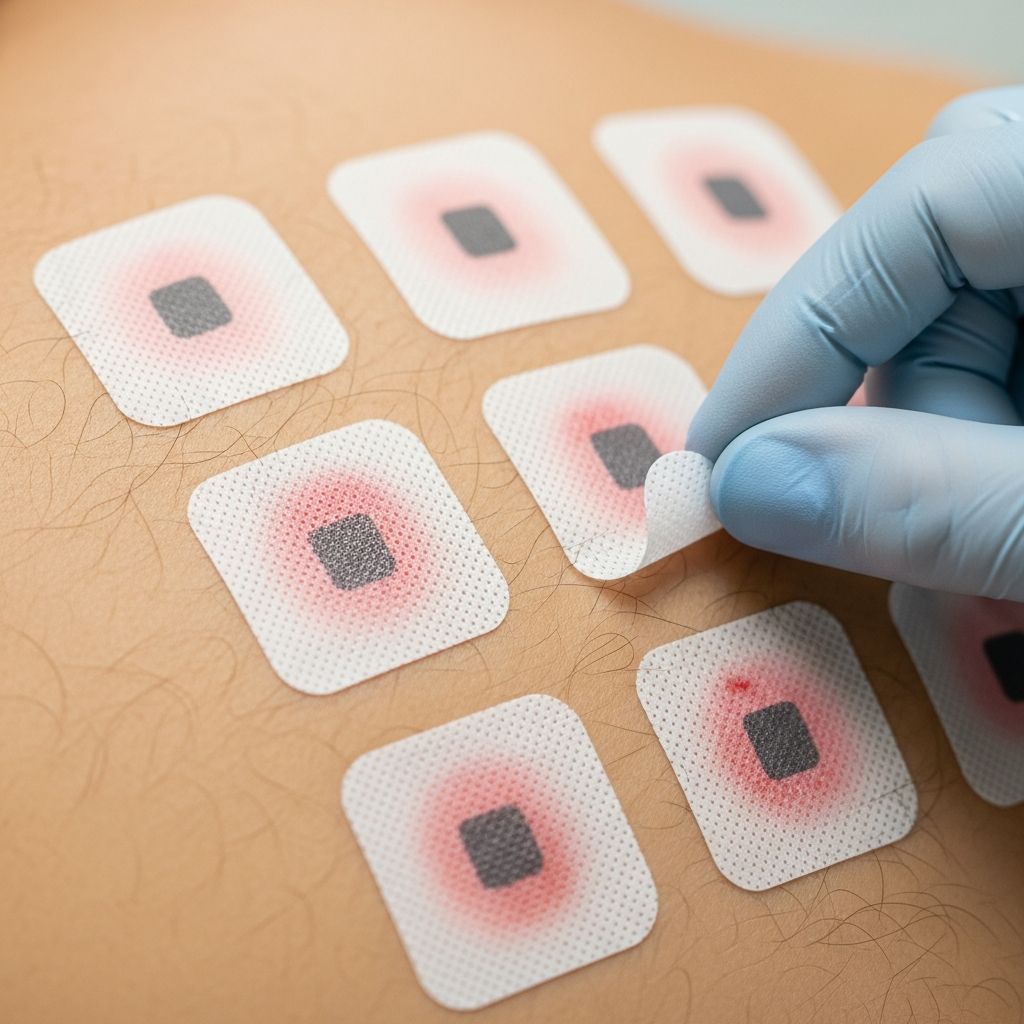
Patch testing replicates real-world exposure in a controlled setting to confirm allergies. It differs fundamentally from skin prick tests, which detect airborne or ingested allergens via instant reactions. Here, small amounts of diluted suspects are applied to the skin under occlusion, mimicking prolonged contact.
Healthcare providers, typically dermatologists, select allergens based on patient history and exposure risks. This test excels at uncovering sensitivities missed by visual exams or biopsies, as histologic features overlap between irritant and allergic forms.
Step-by-Step Breakdown of the Patch Testing Procedure
The process unfolds over several days for precise readings. On day one, panels containing 30 to over 100 allergens—loaded into chambers like Finn chambers on hypoallergenic tape—are affixed to the upper back, arms, or abdomen if needed.
- Day 1: Application – Clean, dry skin is marked, and patches secured. Loose clothing is advised to avoid dislodging.
- Days 1-2: Occlusion Period – Patients avoid sweating, hot showers, or strenuous activity to ensure adhesion. Mild itching signals potential positives but patches must stay intact.
- Day 3 (48 hours later): First Reading – Patches removed; initial reactions assessed for redness or vesicles.
- Day 5 (96 hours total): Final Reading – Delayed reactions peak, confirming true allergies. Sites re-evaluated up to day 8 if marked with ink.
Photopatch testing extends this for light-activated reactions, exposing one panel to UV light. Extensive series, like the ACDS Core of 80 allergens, boost detection rates by 37-76% over standard 35-allergen kits.
Common Allergens Uncovered by Patch Testing
Everyday items harbor surprises. Standard panels target frequent offenders:
| Allergen Category | Examples | Common Sources |
|---|---|---|
| Metals | Nickel, cobalt, gold | Jewelry, belts, cell phones |
| Fragrances | Balsam of Peru, limonene | Perfumes, lotions, cleaners |
| Preservatives | Formaldehyde releasers, parabens | Cosmetics, shampoos |
| Plants/Resins | Poison ivy urushiol, propolis | Gardening, adhesives |
| Topicals | Neomycin, corticosteroids | Ointments, creams |
Personal products can be tested too, revealing custom triggers.
Preparing for Your Patch Test: What to Know Beforehand
Success hinges on proper prep. Discontinue topicals (steroids, antibiotics) 1-2 weeks prior, as they suppress reactions. Avoid sunbathing or irritants. Bring suspect items for supplemental testing. Inform providers of active flares—testing may postpone until skin calms.
Related Stories



- Expect mild discomfort; itching is common but removal risks invalid results.
- Schedule flexibly: three visits over a week.
- Wear loose tops; no swimming or saunas.
Interpreting Results: Grading Reactions and Next Steps
Reactions grade from +1 (mild redness) to ++ (vesicles/blisters), indicating sensitization strength. False positives occur from irritation; experts correlate with history. Positives guide avoidance plans, sometimes with barrier creams or meds for healing.
If initial rounds miss culprits, expanded or supplemental testing follows, as 50% react only to non-standard allergens.
Mastering Allergen Avoidance: Practical Strategies for Daily Life
Knowledge empowers change. Label-reading becomes routine: scan for positives like “fragrance-free” certifications. Alternatives abound—hypoallergenic lines, nickel-free jewelry.
- Personal Care: Opt for rinse-off products; patch new ones on inner arm first.
- Household: Use gloves for cleaners; choose unscented laundry.
- Work/ Hobbies: Barrier creams, protective gear.
- Digital Tools: Apps like Contact Allergen App track ingredients.
Patient education yields 70-80% improvement rates with adherence.
Potential Risks, Limitations, and When to Seek Retesting
Testing is safe, with rare “auto-sensitization” (new allergy from test). Active dermatitis may inflate false positives; phototesting addresses UV cases. Not for widespread eczema—targets localized reactions. Retest if exposures change or symptoms persist.
Real Patient Stories: Patch Testing Transformations
Many regain control post-testing. One patient ditched nickel watches, resolving hand eczema; another swapped preservatives, clearing facial rashes. These underscore avoidance’s power.
Frequently Asked Questions (FAQs)
Is patch testing painful?
No, but itching or burning may occur. It’s tolerable for accurate diagnosis.
How long do results last?
Allergies are lifelong; annual rechecks advised for evolving sensitivities.
Can I shower during testing?
Avoid water on patches; sponge baths okay after day 3.
What if I’m pregnant?
Discuss risks; generally deferred unless essential.
Does insurance cover it?
Often yes for medically indicated cases; verify with provider.
Advancements in Patch Testing: Future Directions
Standardization grows with ACDS series; digital imaging enhances readings. Research explores at-home kits, though clinic oversight remains key for validity.
References
- Patch tests: Skin Contact Allergy Tests Explained — DermNet NZ. 2023. https://dermnetnz.org/topics/patch-tests
- Contact Dermatitis – Patch Testing Clinic — Kuchnir Dermatology. 2024. https://www.kuchnirdermatology.com/contact-dermatitis
- Contact dermatitis — HealthPartners. 2024. https://www.healthpartners.com/care/specialty/dermatology/contact-dermatitis/
- Patch Testing for Skin Allergies — Cleveland Clinic. 2023-10-12. https://my.clevelandclinic.org/health/diagnostics/patch-test
- Patch testing can find what’s causing your rash — American Academy of Dermatology. 2024. https://www.aad.org/public/diseases/eczema/types/contact-dermatitis/patch-testing-rash
- Contact Dermatitis, Patch Testing, and Allergen Avoidance — PMC / National Library of Medicine. 2018-10-02. https://pmc.ncbi.nlm.nih.gov/articles/PMC6170075/
- Contact Dermatitis & Patch Testing — University of Michigan Health. 2024. https://www.uofmhealth.org/our-care/specialties-services/contact-dermatitis-patch-testing
Similar Articles








Read full bio of Sneha Tete