Patch Testing For Contact Dermatitis: What To Expect
Detailed guide on patch testing procedure, preparation, results, and managing allergic contact dermatitis effectively.
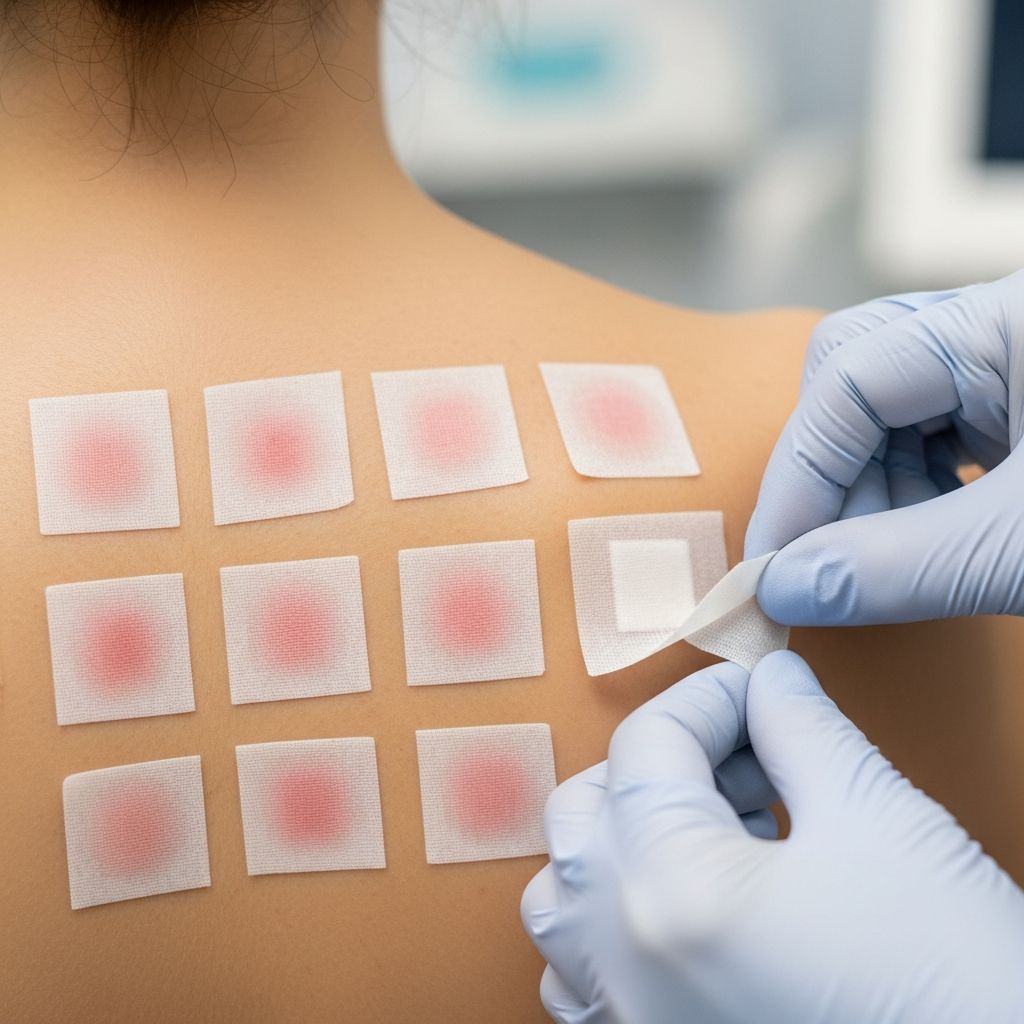
Patch testing is a key diagnostic tool used to identify allergens causing
allergic contact dermatitis
, a common skin condition triggered by exposure to substances like metals, fragrances, or preservatives. This method involves applying small amounts of potential allergens to the skin under adhesive patches to observe reactions over several days, helping dermatologists pinpoint triggers for targeted avoidance.What is contact dermatitis?
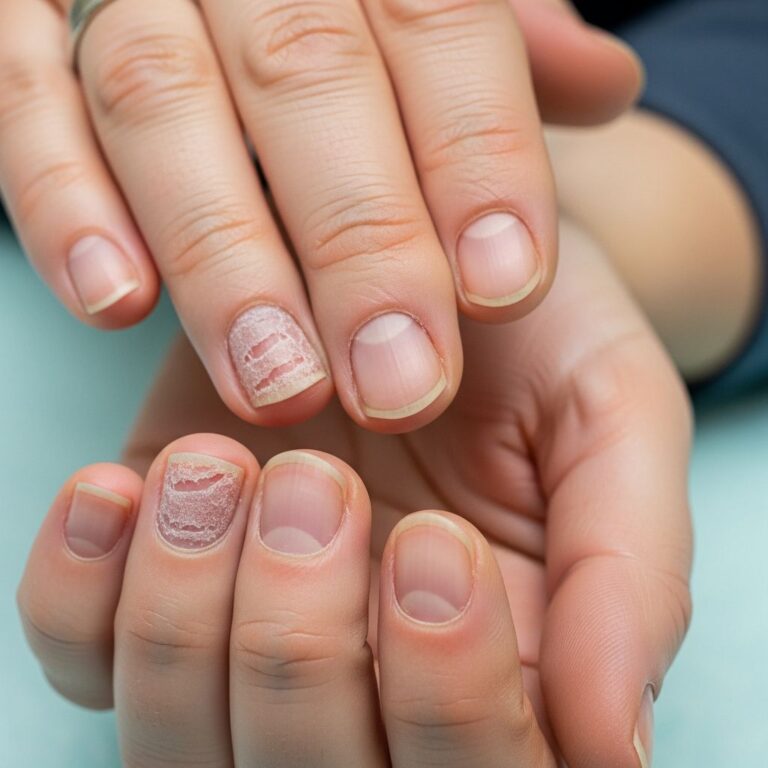
Contact dermatitis occurs when the skin comes into contact with irritants or allergens, leading to red, itchy, inflamed rashes. It divides into
irritant contact dermatitis
(from direct damage, like soaps or solvents) andallergic contact dermatitis
(an immune-mediated reaction to allergens such as nickel or rubber). Allergic reactions develop over 24-72 hours, distinguishing them from immediate allergies tested by skin pricks.Symptoms include redness, swelling, blisters, and itching, often localized to the contact area like hands, face, or neck. Chronic exposure can lead to thickened skin or secondary infections. Common culprits include cosmetics, jewelry, plants, and occupational chemicals.
Understanding patch testing
Patch testing simulates contact with potential allergens on a small skin area, typically the back, to detect type IV hypersensitivity reactions. Unlike prick tests for immediate allergies, it requires 48-96 hours for reactions to appear. Standardized series like the TRUE Test or North American Contact Dermatitis Group (NACDG) panel of 65-80 allergens are used, covering metals, fragrances, preservatives, and rubber compounds.
Extended testing may include supplemental allergens if initial results are negative, revealing up to 76% more positives. This test is gold-standard for diagnosing allergic contact dermatitis when history and exam suggest it.
Who needs patch testing?
Patch testing is recommended for:
- Persistent or recurrent eczema not responding to topical treatments.
- Suspected occupational dermatitis in high-risk professions like hairdressing, healthcare, or construction.
- Hand or facial dermatitis, common sites for allergens.
- Reactions to cosmetics, jewelry, or personal care products.
- Atopic dermatitis patients with superimposed contact allergies.
It’s suitable for adults and children over age 5, though pediatric panels may be smaller. Avoid if active widespread dermatitis covers the test site or during systemic steroid use, as these suppress reactions.
Preparation for patch testing
Before testing:
- Stop topical steroids, calcineurin inhibitors, and irritants on the back for 1-2 weeks to avoid false negatives.
- Avoid systemic corticosteroids or immunosuppressants for 2-4 weeks.
- Inform your doctor of current medications, recent sun exposure, or skin conditions like psoriasis.
- Schedule on a day allowing return visits; testing spans 4-7 days.
Shower normally but pat dry the back gently. No lotions or deodorants on test day.
How is patch testing done?
The procedure unfolds over multiple visits:
- Day 1 (Application): Dermatologist cleans the back and applies 20-100 allergen patches in rows, taped securely. Each patch (e.g., Finn chamber) holds diluted chemicals in gel/ointment. Avoid disturbing patches.
- Days 1-2: Wear patches 48 hours; no bathing above waist, sweating, scratching, or adhesive removal. Mild itching is normal.
- Day 2 (48-hour read): Return for patch removal and first reading. Reactions graded: + (redness), ++ (blisters), +++ (strong reaction).
- Day 4-7 (Delayed read): Final evaluation distinguishes true allergies from irritants. Photos may document.
Related Stories



| Visit | Action | Duration |
|---|---|---|
| Day 1 | Apply patches | Immediate |
| Day 2 | Remove & 1st read | 30-45 min |
| Day 4-5 | 2nd read | 15-30 min |
What do patch test results mean?
Positive reactions indicate allergy:
- 1+: Erythema, edema.
- 2+: Vesicles, spreading.
- 3+: Bullae, intense reaction.
- ? or IR: Doubtful/irritant, not allergy.
Negatives don’t rule out allergy if rare allergens missed; repeat or extended testing possible. Results guide avoidance lists, safe product apps like Contact Allergen Management Program (CAMP).
After patch testing
Post-removal: Avoid sun, heat, scratching. Mild redness fades in days; moisturize gently. If infected (pus, fever), seek care promptly. Dermatologist provides allergy list, treatment (steroids for rash), and avoidance education.
Treatment of contact dermatitis
Acute: High-potency topical steroids, cool compresses, emollients. Severe cases need oral steroids or calcineurin inhibitors. Long-term: Strict allergen avoidance prevents recurrence.
Allergen avoidance
Key to management:
- Nickel: Avoid jewelry, belts; use dimethylglyoxime test kits.
- Fragrances: Choose ‘fragrance-free’; check labels.
- Preservatives (e.g., MCI/MI): Opt for preservative-free products.
- Use apps/databases for ingredient scanning.
Patchy avoidance fails; total elimination needed. Occupational changes or protective gear may help.
Possible complications
Common: Temporary irritation, hyper/hypopigmentation (especially darker skin). Rare: Infection, flare of psoriasis/eczema, anaphylaxis (<30 min post-application).
Alternatives to patch testing
Use/open tests for haptens, but less standardized. History/exam guide management if testing contraindicated.
Frequently Asked Questions (FAQs)
Can children have patch testing?
Yes, for suspected allergic contact dermatitis, using age-appropriate allergens with close monitoring.
Does patch testing hurt?
No, but itching or burning may occur; manageable with oral antihistamines if advised.
How accurate is patch testing?
Highly reliable for common allergens (70-80% detection); extended panels boost yield.
Can I shower with patches on?
Hand wash only below waist; no hot showers or sports for 48 hours.
What if results are negative?
May indicate irritant dermatitis or need broader testing; continue avoidance of suspects.
This comprehensive guide empowers patients to understand and manage contact dermatitis through informed patch testing. Consult a dermatologist for personalized advice.
References
- Patch testing can find what’s causing your rash — American Academy of Dermatology (AAD). 2023. https://www.aad.org/public/diseases/eczema/types/contact-dermatitis/patch-testing-rash
- Allergy Patch Testing Los Angeles – Allergic Contact Dermatitis Test — Dermatology Associates of Los Angeles. 2024. https://dermla.com/medical-procedures-northridge/patch-testing/
- Contact Dermatitis, Patch Testing, and Allergen Avoidance — National Center for Biotechnology Information (PMC). 2018-10-15. https://pmc.ncbi.nlm.nih.gov/articles/PMC6170075/
- Contact Dermatitis: Causes, Symptoms & Treatment — Patient.info. 2024. https://patient.info/skin-conditions/contact-dermatitis
- What You Should Know About Patch Testing and Contact Dermatitis — Tufts Medicine. 2023. https://www.tuftsmedicine.org/about-us/news/what-you-should-know-about-patch-testing-and-contact-dermatitis
- Patch Testing for Skin Allergies: Procedure & Results — Cleveland Clinic. 2024. https://my.clevelandclinic.org/health/diagnostics/patch-test
Similar Articles








Read full bio of Sneha Tete