Patella Fracture: Types, Symptoms, Treatment & Surgery
Comprehensive guide to patellar fractures: causes, diagnosis, treatment options, and recovery timelines.
Understanding Patella Fractures
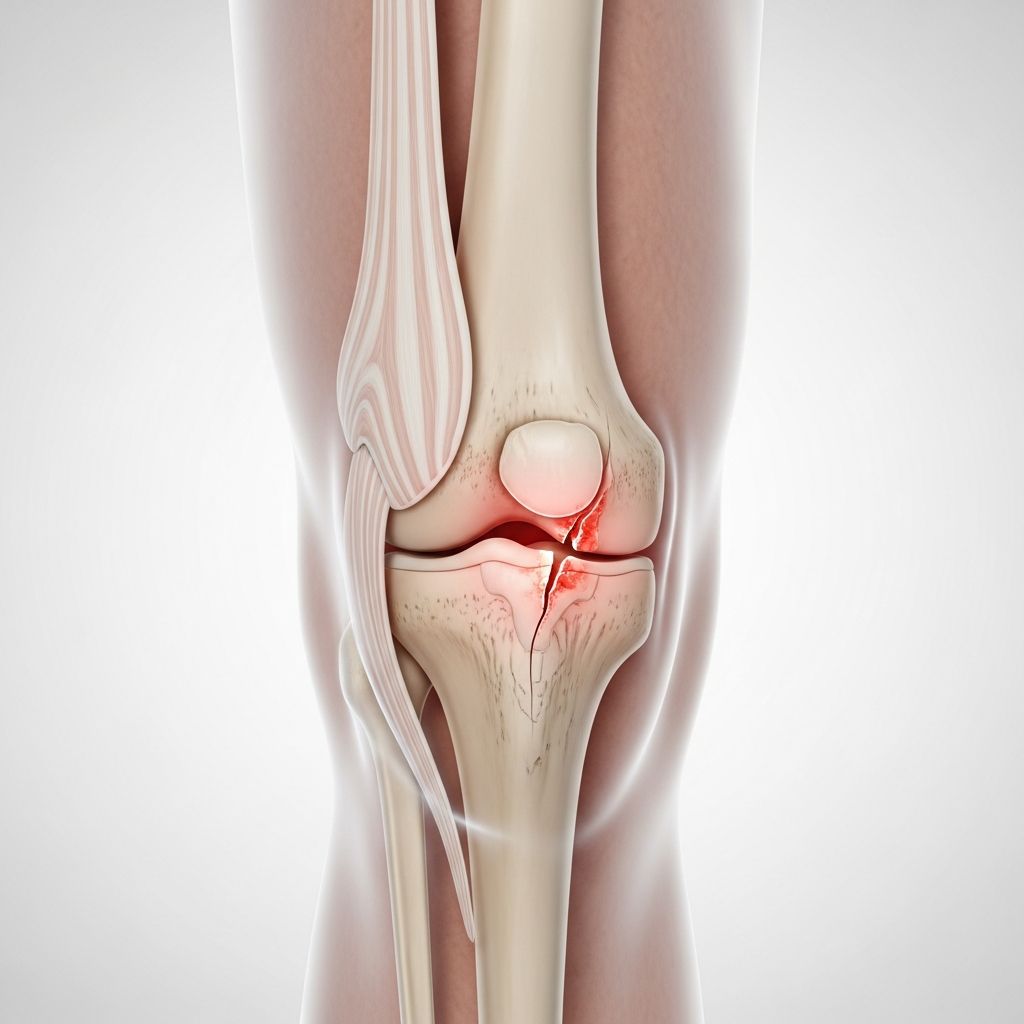
A patella fracture is a break in your kneecap, the bone that covers and protects your knee joint. The kneecap, or patella, is a critical component of your knee anatomy that plays an essential role in knee function and movement. When this bone sustains trauma, it can result in a patella fracture, which typically requires immediate medical attention and careful management.
Patella fractures are usually caused by traumatic injuries such as direct blows to the knee, falls from height, motor vehicle accidents, or sports-related collisions. The severity and type of fracture depend on the force of impact and the angle at which the injury occurs. Understanding the nature of your injury is crucial for determining the appropriate treatment pathway.
Types of Patella Fractures
Patella fractures can be classified based on their severity and the pattern of the break:
- Non-displaced fractures: The broken pieces remain aligned and in their original position, often allowing for conservative treatment.
- Displaced fractures: The bone fragments are separated or shifted out of alignment, typically requiring surgical intervention.
- Comminuted fractures: The patella breaks into three or more pieces, creating a complex injury that usually necessitates surgical repair.
- Open fractures: The skin is broken, exposing the fracture site to potential infection and requiring immediate medical intervention.
Symptoms and Initial Presentation
Recognizing the symptoms of a patella fracture is essential for seeking prompt medical care. Common symptoms include:
- Immediate, severe pain in the front of the knee
- Inability to straighten or extend your leg
- Significant swelling and bruising around the knee area
- Visible deformity or unusual knee appearance
- Inability to bear weight on the affected leg
- Feeling of the knee giving way or instability
- Tenderness when touching the kneecap
Many people with a patella fracture will be unable to walk immediately following the injury. Even if you believe you might be able to walk, it is advisable to avoid doing so until you have received a proper diagnosis. Attempting to bear weight on a fractured patella can worsen the injury and complicate treatment.
Diagnostic Procedures
Your healthcare provider will employ a systematic approach to diagnose your patella fracture accurately:
Medical History and Physical Examination
Your doctor will begin by asking detailed questions about your symptoms and the circumstances surrounding your injury. They will perform a comprehensive physical examination of your knee, checking for swelling, deformity, and tenderness. During this examination, they may ask you to try extending your leg. If you cannot perform this action, it indicates that the fracture likely requires surgical intervention.
Your healthcare provider will also check for open wounds and assess for hemarthrosis, which is blood from the broken bone pieces collecting in your knee joint. This accumulation can cause excessive swelling and requires careful monitoring.
Related Stories



Imaging Studies
Imaging plays a crucial role in confirming the diagnosis and determining the extent of the injury:
- X-rays: The primary imaging tool used to visualize the fracture, show bone alignment, and identify the fracture pattern.
- CT scans: Provide detailed, three-dimensional images that help define complex fractures and guide surgical planning.
- MRI scans: May be ordered to assess soft tissue damage around the fracture.
These diagnostic tools allow your orthopedic surgeon to develop an accurate assessment of your injury and recommend the most appropriate treatment approach.
Treatment Options
Treatment for patella fractures varies depending on the severity of the break, whether the bone fragments are displaced, and the overall health status of the patient. Your orthopedic surgeon will recommend either conservative or surgical management.
Non-Surgical Treatment
Non-displaced patella fractures with aligned bone fragments may be treated conservatively without surgery. Non-surgical treatment typically involves:
- Immobilization using a splint, cast, or knee immobilizer to keep the knee in full extension
- Initially avoiding any weight-bearing on the affected leg for approximately 4-6 weeks
- Gradual progression to weight-bearing as healing occurs
- Pain management through prescribed medications
- Application of ice and elevation to reduce swelling
Once immobilization is removed and the fracture has adequately healed, physical therapy and exercises become important to restore knee motion, prevent stiffness, and strengthen the surrounding muscles.
Surgical Treatment
Displaced or comminuted fractures typically require surgical intervention to restore proper knee function. Common surgical procedures include:
Open Reduction and Internal Fixation (ORIF)
In this procedure, your surgeon makes an incision over the kneecap to directly visualize the broken bone fragments. The pieces are reassembled into their correct anatomical position and held together using screws, metal wires, or plates. This internal fixation keeps the bone in place while healing occurs. The surgical incision is then closed with staples or stitches.
Treatment of Two-Piece Fractures
When the patella fractures into two pieces that are displaced, your surgeon will reposition the fragments and secure them with screws, pins, and plates. A tension band may be used to bring the pieces together and maintain alignment during healing.
Management of Comminuted Fractures
For fractures involving multiple fragments:
- If the bottom or top of the patella breaks into several small pieces with tendon disruption, your surgeon may remove the broken pieces and reattach the tendon to the remaining patellar bone.
- If the center of the patella is broken into multiple pieces, a combination of wires and screws may be used to restore alignment.
- For severely comminuted fractures, the kneecap may need to be removed entirely in a procedure called patellectomy.
Post-Treatment Weight-Bearing Guidelines
Following diagnosis and treatment initiation, your orthopedic surgeon will provide specific weight-bearing instructions based on your individual injury:
- You will be allowed to bear weight in a knee immobilizer, hinged knee brace, or cast locked in full extension
- Your surgeon will determine how much knee bending is appropriate during your recovery
- Initially, you won’t be allowed to flex your knee, but gradual flexion will be permitted over time
- You’ll be allowed to bear as much weight as you feel comfortable, within your surgeon’s guidelines
The Recovery Process
Recovery from a patella fracture is a gradual process that depends on the severity of your injury and whether you required surgery:
Early Recovery Phase
During the initial weeks following injury or surgery, focus on pain management and swelling reduction through ice application, elevation, and prescribed medications. Most people will begin to feel significantly better within approximately six weeks of treatment initiation.
Progressive Rehabilitation
Physical therapy becomes increasingly important as your fracture heals. Your therapist will prescribe exercises to:
- Restore range of motion in your knee
- Strengthen the muscles surrounding your knee and thigh
- Improve balance and proprioception
- Prevent stiffness and loss of function
Return to Normal Activities
Most people are able to return to all normal activities within three to six months of sustaining a patella fracture, depending on the injury severity and individual healing response. However, some individuals report long-term symptoms of pain or stiffness and choose to continue wearing a knee brace for additional support even after the fracture has healed.
Post-Operative Care Instructions
If you have undergone surgical treatment, your healthcare team will provide specific post-operative care instructions:
- Use prescribed medications and ice for pain relief and inflammation management
- Elevate your knee above chest level to reduce swelling
- Use assistive devices such as crutches or a wheelchair for mobility initially
- Begin gentle movement and walking with crutches to promote faster healing
- Engage in physical therapy to regain range of motion and muscle strength
- Follow specific instructions for caring for your surgical incision
- Attend all follow-up appointments to monitor your healing progress
Potential Complications and Long-Term Outcomes
While most patella fractures heal successfully, some individuals may experience complications. Possible long-term issues include knee stiffness, chronic pain, or patellar tracking problems. Regular physical therapy and adherence to your rehabilitation program can minimize these risks.
Athletes and active individuals who experienced prolonged immobilization may require extended rehabilitation programs and a slower return to sports activities. This extended timeline allows for complete restoration of strength, endurance, and normal joint mechanics before resuming demanding physical activities.
Frequently Asked Questions
Q: Can a patella fracture heal without surgery?
A: Yes, non-displaced fractures with properly aligned bone fragments can often heal with conservative treatment using immobilization, ice, elevation, and gradual weight-bearing. Displaced or comminuted fractures typically require surgical intervention.
Q: How long does it take to recover from a patella fracture?
A: Most people feel significantly better within six weeks. However, full return to normal activities typically takes three to six months, depending on injury severity and individual healing factors.
Q: When can I start bearing weight on my injured leg?
A: Weight-bearing guidelines depend on your specific injury and treatment. Your orthopedic surgeon will provide individualized recommendations, starting with limited weight-bearing while immobilized and progressing gradually as healing occurs.
Q: What is hemarthrosis and why is it concerning?
A: Hemarthrosis is blood accumulation in the knee joint from broken bone pieces. It causes excessive swelling and requires careful monitoring to prevent complications affecting your recovery.
Q: Will I need physical therapy after my patella fracture heals?
A: Yes, physical therapy is essential to prevent stiffness, restore knee motion, improve strength, and ensure proper recovery. Your therapist will guide you through exercises appropriate for your healing stage.
Q: Can I return to sports after a patella fracture?
A: Most athletes can return to normal activities within three to six months with proper rehabilitation. Return to sports may take longer and requires gradual progression under professional guidance.
References
- Patella Fracture: Types, Symptoms, Treatment & Surgery — Cleveland Clinic. 2021-11-12. https://my.clevelandclinic.org/health/diseases/22081-patella-fracture
- Knee Fracture Surgery in Cleveland, OH — Cleveland Shoulder and Knee. https://www.clevelandshoulderandknee.com/knee-fracture-surgery-independence-solon-oh/
- Patella Fractures — David German, MD, Orthopaedic Surgeon. https://www.davidgermanmd.com/fractures-of-patella-orthopaedic-surgeon-erie-pa.html
- Bipartite Patella: Rehabilitation and Treatment — Therapy Specialists Inc. https://www.therapy-specialists.com/Injuries-Conditions/Knee/Knee-Issues/Bipartite-Patella/a~6428/article.html
- Bone Fractures: Types, Symptoms & Treatment — Cleveland Clinic. https://my.clevelandclinic.org/health/diseases/15241-bone-fractures
Similar Articles








Read full bio of medha deb