Patellar Tendonitis (Jumper’s Knee): Causes, Symptoms & Treatment
Comprehensive guide to understanding, diagnosing, and treating patellar tendonitis (jumper's knee).
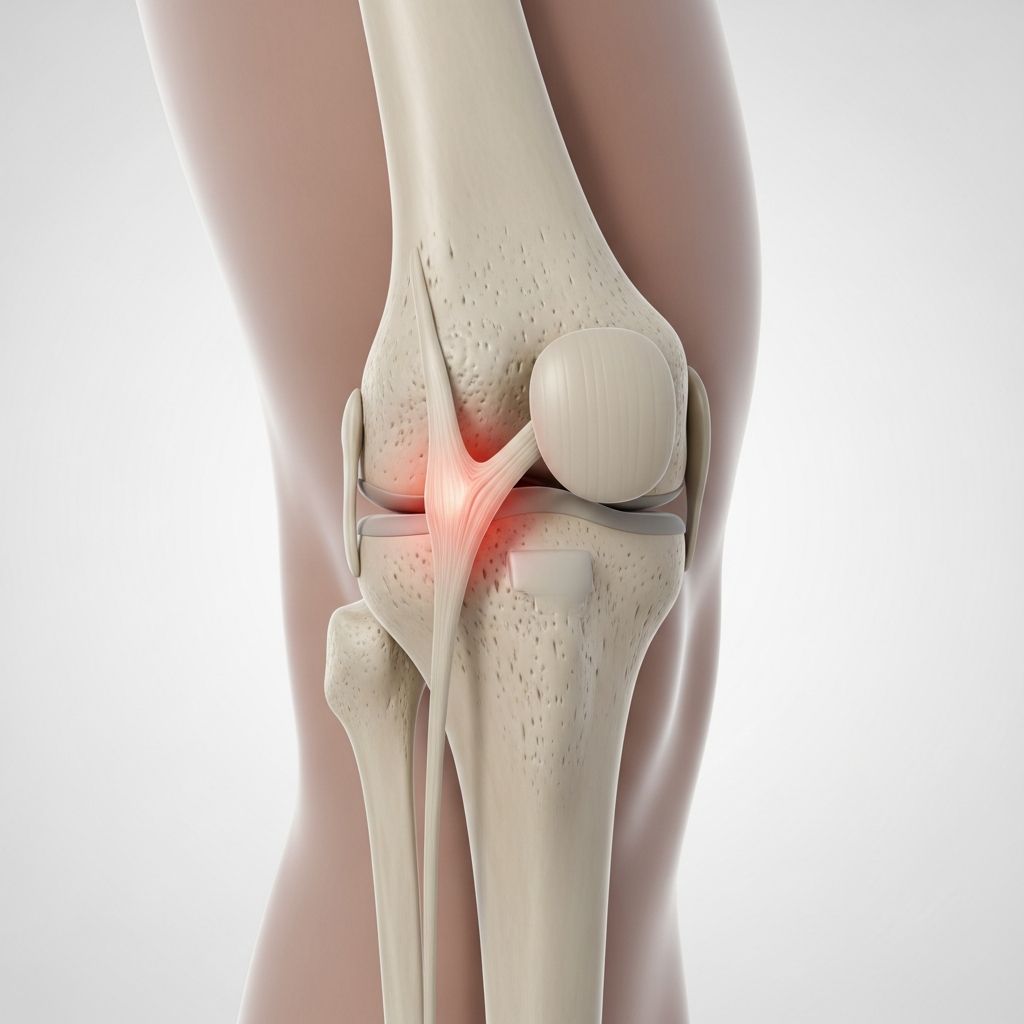
What Is Patellar Tendonitis (Jumper’s Knee)?
Patellar tendonitis, commonly known as jumper’s knee, is an overuse injury affecting the patellar tendon—the strong band of tissue connecting the kneecap (patella) to the shinbone (tibia). This condition is prevalent among athletes involved in sports that require frequent jumping, running, or sudden changes in direction, such as basketball, volleyball, and soccer. The repetitive stress on the patellar tendon leads to micro-tears, inflammation, and pain just below the kneecap.
Causes of Patellar Tendonitis
Patellar tendonitis is primarily caused by repetitive stress on the knee joint. The following factors contribute to its development:
- Overuse: Repeated jumping, running, or other high-impact activities can cause micro-tears in the tendon.
- Poor biomechanics: Muscle imbalances, weak hip or thigh muscles, and improper running or jumping form increase stress on the patellar tendon.
- Tight muscles: Tight quadriceps and hamstrings can increase strain on the tendon.
- Sudden increase in activity: Rapidly increasing training intensity or duration without adequate recovery can lead to injury.
- Direct trauma: Rarely, a sudden injury to the tendon can cause patellar tendonitis.
Symptoms of Patellar Tendonitis
The hallmark symptom of patellar tendonitis is pain just below the kneecap. Other symptoms include:
- Dull ache or sharp pain below the kneecap, especially during or after activity.
- Swelling or tenderness around the patellar tendon.
- Weakness in the knee, making it difficult to jump, run, or climb stairs.
- Pain that worsens with activity and improves with rest.
- Stiffness in the knee, particularly in the morning or after periods of inactivity.
Diagnosis of Patellar Tendonitis
Diagnosing patellar tendonitis typically involves a combination of medical history, physical examination, and imaging studies:
- Medical history: The doctor will ask about your symptoms, activity level, and any recent changes in training.
- Physical examination: The doctor will check for tenderness, swelling, and pain in the patellar tendon.
- Imaging: X-rays, ultrasound, or MRI may be used to rule out other conditions and assess the extent of tendon damage.
Treatment Options for Patellar Tendonitis
Most cases of patellar tendonitis can be managed with conservative treatments. Surgery is rarely needed.
Initial Treatment
- Rest: Avoid activities that cause pain to allow the tendon to heal.
- Ice: Apply ice to the affected area for 15-20 minutes several times a day to reduce swelling and pain.
- Medications: Over-the-counter pain relievers like ibuprofen or naproxen can help reduce pain and inflammation.
- Support: A knee brace or strap may help reduce pain and support the tendon.
Physical Therapy
Physical therapy is a cornerstone of patellar tendonitis treatment. A physical therapist can design a program to improve strength, flexibility, and biomechanics. Key components include:
- Stretching exercises: Focus on the quadriceps, hamstrings, and calf muscles to reduce strain on the patellar tendon.
- Strengthening exercises: Eccentric exercises, such as controlled lowering during squats or step-downs, are highly effective for tendon healing.
- Biomechanical correction: Address muscle imbalances and improve running or jumping form.
- Modalities: Ultrasound, iontophoresis, and blood flow restriction therapy may be used to reduce pain and inflammation.
Advanced Treatments
- Platelet-rich plasma (PRP) injections: PRP injections can accelerate tendon healing by delivering concentrated growth factors to the injured area.
- Corticosteroid injections: These may be used to reduce severe inflammation, but they can weaken the tendon and are used sparingly.
- Surgery: Surgery is rarely needed but may be considered for severe tears or when conservative treatments fail.
Related Stories



Prevention of Patellar Tendonitis
Preventing patellar tendonitis involves reducing risk factors and maintaining knee health:
- Gradual progression: Increase training intensity and duration gradually to allow the tendon to adapt.
- Proper warm-up and cool-down: Always warm up before and cool down after exercise.
- Strength and flexibility training: Regularly stretch and strengthen the muscles around the knee.
- Correct biomechanics: Work with a coach or physical therapist to improve running or jumping form.
- Rest and recovery: Allow adequate time for recovery between workouts.
FAQs About Patellar Tendonitis
Can patellar tendonitis heal on its own?
With proper rest and treatment, most cases of patellar tendonitis improve over time. However, continuing to stress the tendon can lead to chronic pain and further injury.
How long does it take to recover from patellar tendonitis?
Recovery time varies depending on the severity of the injury and adherence to treatment. Mild cases may resolve in a few weeks, while more severe cases can take several months.
Is surgery necessary for patellar tendonitis?
Surgery is rarely needed. Most cases respond well to conservative treatments like rest, physical therapy, and medications.
Can I continue to exercise with patellar tendonitis?
It’s important to modify activities to avoid painful movements. Low-impact exercises like swimming or cycling can help maintain fitness while allowing the tendon to heal.
What are the long-term effects of patellar tendonitis?
If left untreated, patellar tendonitis can lead to chronic pain, tendon degeneration, and increased risk of tendon rupture.
When to See a Doctor
Seek medical attention if you experience:
- Severe pain or swelling in the knee.
- Inability to bear weight on the affected leg.
- Symptoms that do not improve with rest and home treatment.
- Signs of infection, such as redness, warmth, or fever.
Conclusion
Patellar tendonitis is a common overuse injury that can significantly impact athletic performance and daily activities. Early recognition, proper treatment, and preventive measures are key to a successful recovery. If you suspect patellar tendonitis, consult a healthcare professional for an accurate diagnosis and personalized treatment plan.
References
- Patellar Tendonitis: Symptoms & Treatments — Reno Orthopedic Center. 2023. https://www.renoortho.com/specialties/center-for-sports-medicine/patellar-tendonitis/
- Patellar Tendonitis – Treatments & Symptoms — Massachusetts General Hospital. 2023. https://www.massgeneral.org/orthopaedics/sports-medicine/conditions-and-treatments/patella-tendinitis
- Patellar Tendinitis – Diagnosis & Treatment — Mayo Clinic. 2023. https://www.mayoclinic.org/diseases-conditions/patellar-tendinitis/diagnosis-treatment/drc-20376118
- Patellar Tendinopathy: Diagnosis and Treatment — PubMed. 2016. https://pubmed.ncbi.nlm.nih.gov/27855131/
Similar Articles








Read full bio of medha deb