Patellofemoral Pain Syndrome (PFPS): Symptoms & Treatment
Complete guide to understanding, managing, and treating patellofemoral pain syndrome effectively.
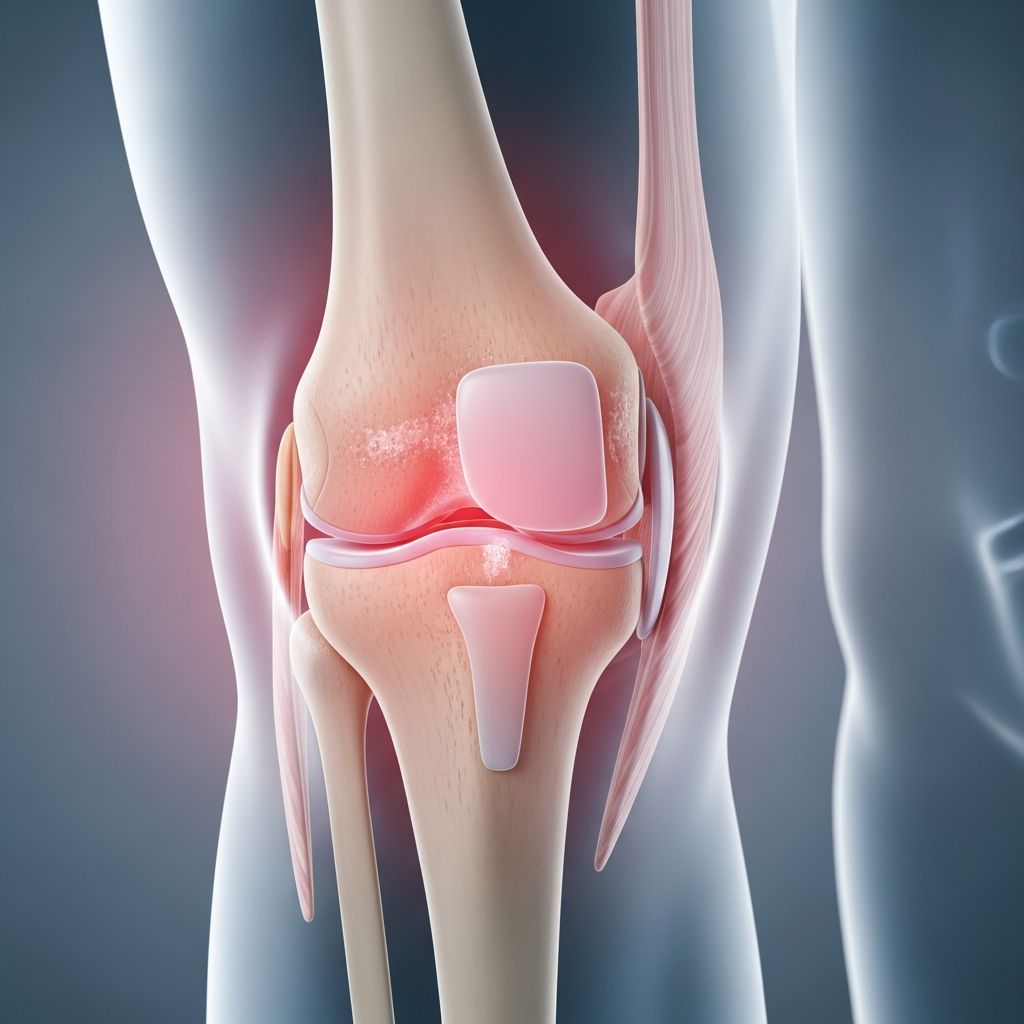
Understanding Patellofemoral Pain Syndrome (PFPS)
Patellofemoral pain syndrome (PFPS) is a common orthopedic condition characterized by pain under or around the kneecap (patella). This condition affects the patellofemoral joint, which is where the kneecap glides along a groove in the thighbone (femur). PFPS is one of the most prevalent knee conditions, particularly among active individuals and athletes. The pain typically develops gradually and can significantly impact your daily activities, from climbing stairs to sitting for extended periods.
Unlike acute injuries that occur from a specific trauma, PFPS usually develops over time through a combination of biomechanical, muscular, and activity-related factors. Understanding this condition is essential for proper management and prevention of long-term complications.
Recognizing PFPS Symptoms
The primary symptom of patellofemoral pain syndrome is a dull, aching pain in the front of the knee or on the sides near your patella. However, the presentation can vary from person to person, and symptoms may progress differently depending on the underlying cause and severity of the condition.
Common Symptoms Include:
- Dull, aching pain at the front of the knee that develops gradually
- Sharp or stabbing pain during physical activities, particularly running, jumping, or squatting
- Cracking or popping sensations in the knee (often described as crepitus)
- Pain that worsens with specific movements and weight-bearing activities
- Discomfort that may be present in one or both knees
Activities That Typically Aggravate PFPS:
PFPS pain typically intensifies during activities that increase stress on the patellofemoral joint. These commonly include:
- Walking up or down stairs
- Kneeling or prolonged kneeling
- Squatting or deep knee bending
- Sitting with bent knees for extended periods
- Running or jogging on hard surfaces
- Jumping or plyometric activities
- Prolonged sitting with flexed knees
Understanding the Underlying Causes
Experts recognize that PFPS rarely results from a single identifiable cause. Instead, this condition typically develops from a combination of factors that collectively stress the patellofemoral joint. Understanding these contributing factors is crucial for developing an effective treatment plan.
Overuse and Repetitive Stress
One of the most significant contributors to PFPS is repetitive stress on the knee joint. Sports involving running, jumping, and sustained physical activity place tremendous strain on the patellofemoral mechanism. A sudden increase in activity level—whether increasing the frequency of workouts, extending exercise duration, or intensifying activity intensity—can trigger PFPS. This is why athletes who dramatically increase their training volume often develop this condition.
Muscle Imbalances and Weaknesses
The muscles surrounding the hip and knee are critical for maintaining proper kneecap alignment. When these muscles are weak or imbalanced, the patella may not track correctly along the femoral groove, leading to abnormal pressure distribution. Weakness in the quadriceps muscles, particularly the medial vastus medialis obliquus (VMO), allows the kneecap to drift laterally. Similarly, weak hip abductor muscles can contribute to compensatory movement patterns that stress the knee.
Patellar Malalignment and Tracking Issues
Abnormal tracking of the kneecap represents another major contributing factor. When the patella glides improperly within the femoral groove, it creates uneven pressure distribution. This lateral translation of the patella increases pressure between the back of the kneecap and the femoral surface, irritating surrounding soft tissues and causing pain. Various anatomical variations, such as an increased Q-angle (the angle between the quadriceps tendon and patellar tendon), can predispose individuals to maltracking.
Related Stories



Biomechanical and Structural Factors
Several biomechanical variations increase PFPS risk. Flat feet (pes planus) or high-arched feet (pes cavus) can alter lower limb biomechanics. Flat feet cause excessive pronation during walking or running, triggering compensatory internal rotation of the tibia or femur that disrupts normal patellofemoral mechanics. Unequal leg lengths, knee hyperextension, and abnormal hip kinematics can all contribute to abnormal knee loading patterns.
Tight Muscles and Fascial Restrictions
Tightness in various muscles can predispose individuals to PFPS. A tight iliotibial band places excessive lateral force on the patella, promoting abnormal lateral tracking. Tight hamstring and calf muscles increase posterior forces on the knee, elevating pressure within the patellofemoral joint. Hip muscle tightness can lead to compensatory movement patterns that negatively affect knee mechanics.
Prior Injury and Trauma
Previous knee injuries, including patellar dislocation or fracture, significantly increase PFPS risk. Additionally, knee surgery—particularly anterior cruciate ligament (ACL) reconstruction using the patellar tendon as a graft—can increase susceptibility to developing patellofemoral pain.
Risk Factors and Susceptible Populations
While anyone can develop PFPS, certain groups face higher risk. Athletes participating in running, jumping, or squatting sports show increased incidence. Individuals with recent activity level changes are particularly vulnerable, whether increasing exercise frequency or intensity. Other risk factors include high body mass index (BMI), poor exercise technique, inappropriate footwear, changes in playing surfaces, and overtraining at sports.
Diagnosis and Assessment
Diagnosing PFPS typically begins with a thorough history and clinical examination. Healthcare providers assess your symptoms, activity level, and pain patterns. Physical examination includes evaluating knee alignment, assessing muscle strength and flexibility, and reproducing pain with specific maneuvers like squatting or stairs.
Imaging studies like X-rays or MRI may be ordered to rule out other conditions such as arthritis, patellar fractures, or ligamentous injuries. However, PFPS is primarily a clinical diagnosis, and imaging findings may appear normal despite significant symptoms.
Treatment Approaches for PFPS
Conservative Treatment Strategies
Most cases of PFPS respond well to conservative, non-surgical treatment. These approaches focus on reducing pain, correcting biomechanical abnormalities, and restoring normal function.
Activity Modification
Initial management typically involves temporarily reducing activities that aggravate symptoms. This doesn’t mean complete rest, but rather intelligent modification of training intensity and frequency. Avoiding stairs, squatting, and high-impact activities while maintaining fitness through swimming or cycling can facilitate recovery while preventing deconditioning.
Physical Therapy and Therapeutic Exercise
Targeted physical therapy represents the cornerstone of PFPS treatment. Evidence-based exercise programs focus on:
- Strengthening quadriceps muscles, particularly the vastus medialis obliquus
- Hip abductor and external rotator strengthening
- Core stabilization exercises
- Flexibility work addressing tight muscles
- Neuromuscular training to improve movement patterns
- Balance and proprioception exercises
Ice and Anti-inflammatory Measures
Applying ice to the affected area for 15-20 minutes several times daily can reduce inflammation and provide pain relief, especially after activities. Some individuals benefit from over-the-counter non-steroidal anti-inflammatory drugs (NSAIDs), though these should be used judiciously and under healthcare provider guidance.
Patellar Taping and Bracing
Specialized patellar taping or knee braces can help improve kneecap tracking and provide symptomatic relief. McConnell taping, which repositions the patella, has shown effectiveness in reducing pain and improving function in some patients. Various commercial knee braces and patellar stabilizing sleeves are available for symptom management.
Footwear and Orthotics
Proper footwear selection and custom orthotic inserts can address biomechanical issues. Orthotics can correct excessive pronation or supination, improving lower limb alignment and reducing patellofemoral joint stress. Athletes should ensure their shoes provide adequate support and cushioning appropriate for their activity.
Lifestyle Modifications
Maintaining a healthy body weight reduces stress on the knee joint. Weight loss can significantly decrease symptoms in individuals with elevated BMI. Additionally, learning proper exercise technique—particularly for running, squatting, and jumping—prevents symptom perpetuation.
When to Seek Professional Help
You should contact your healthcare provider if knee pain doesn’t improve within several days of home treatment, or if it becomes increasingly difficult to move your knee. Professional evaluation is particularly important if you experience severe swelling, instability, or signs of infection. Early intervention often prevents progression and improves long-term outcomes.
Complications of Untreated PFPS
Untreated PFPS typically worsens over time, potentially leading to several complications. Chronic pain can alter your posture and movement patterns as you unconsciously compensate for knee discomfort. These compensatory patterns place excessive stress on related joints including hips and ankles, and muscles in your legs, abdomen, and back. This can trigger secondary pain conditions and musculoskeletal dysfunction. Additionally, persistent PFPS increases risk for developing other knee injuries. Approximately 40% of individuals with PFPS experience recurrence within two years if the underlying causes aren’t adequately addressed.
Prevention Strategies
Preventing PFPS involves maintaining muscular strength and flexibility, particularly around the hips and knees. Regular conditioning programs that emphasize hip and core strength help maintain normal knee mechanics. Gradually increasing training intensity and volume rather than making sudden dramatic changes reduces overuse injury risk. Wearing appropriate footwear and using proper technique during physical activities is essential. Maintaining a healthy weight reduces patellofemoral joint stress, while addressing any biomechanical abnormalities through orthotics or physical therapy provides long-term protection.
Frequently Asked Questions
Q: How long does it take to recover from PFPS?
A: Recovery timelines vary considerably, ranging from several weeks to several months depending on symptom severity, underlying causes, and treatment compliance. Most individuals show significant improvement within 6-12 weeks of consistent conservative treatment, though some cases require extended rehabilitation.
Q: Can PFPS be cured permanently?
A: PFPS often responds well to appropriate conservative treatment. However, recurrence is possible if underlying biomechanical issues aren’t fully addressed or if activity levels increase too rapidly. Long-term management typically involves maintaining exercise routines and activity modification strategies.
Q: Is surgery necessary for PFPS?
A: Surgery is rarely necessary for PFPS. The vast majority of cases resolve with conservative treatment including physical therapy, activity modification, and lifestyle changes. Surgical intervention is typically considered only after conservative measures have failed over an extended period.
Q: Can I exercise with PFPS?
A: Yes, exercise is actually encouraged with PFPS. The key is choosing appropriate activities and modifying intensity. Low-impact activities like swimming, cycling, and elliptical training can maintain fitness while avoiding activities that aggravate symptoms. Therapeutic exercises targeting hip and quadriceps strength are particularly beneficial.
Q: What shoes should I wear with PFPS?
A: Choose well-cushioned shoes with adequate arch support appropriate for your foot type. Specialized running shoes designed for pronation correction may help if you have flat feet. Avoid worn-out shoes and replace athletic footwear regularly to maintain proper support and shock absorption.
References
- Patellofemoral Pain Syndrome – Symptoms and Causes — Mayo Clinic. 2024. https://www.mayoclinic.org/diseases-conditions/patellofemoral-pain-syndrome/symptoms-causes/syc-20350792
- Patellofemoral Pain Syndrome — American Academy of Orthopaedic Surgeons (AAOS). 2024. https://orthoinfo.aaos.org/en/diseases–conditions/patellofemoral-pain-syndrome/
- Patellofemoral Pain Syndrome — American Family Physician (AAFP). January 2019. https://www.aafp.org/pubs/afp/issues/2019/0115/p88.html
- Patellofemoral Syndrome — StatPearls, National Center for Biotechnology Information (NCBI). 2024. https://www.ncbi.nlm.nih.gov/books/NBK557657/
- Patellofemoral Pain Syndrome — Cleveland Clinic. 2024. https://my.clevelandclinic.org/health/diseases/17914-patellofemoral-pain-syndrome-pfps
- Patellofemoral Pain Syndrome — Physiopedia. 2024. https://www.physio-pedia.com/Patellofemoral_Pain_Syndrome
Similar Articles








Read full bio of Sneha Tete