Patellofemoral Pain Syndrome: Runner’s Knee
Understanding runner's knee: causes, symptoms, diagnosis, and effective treatment options.
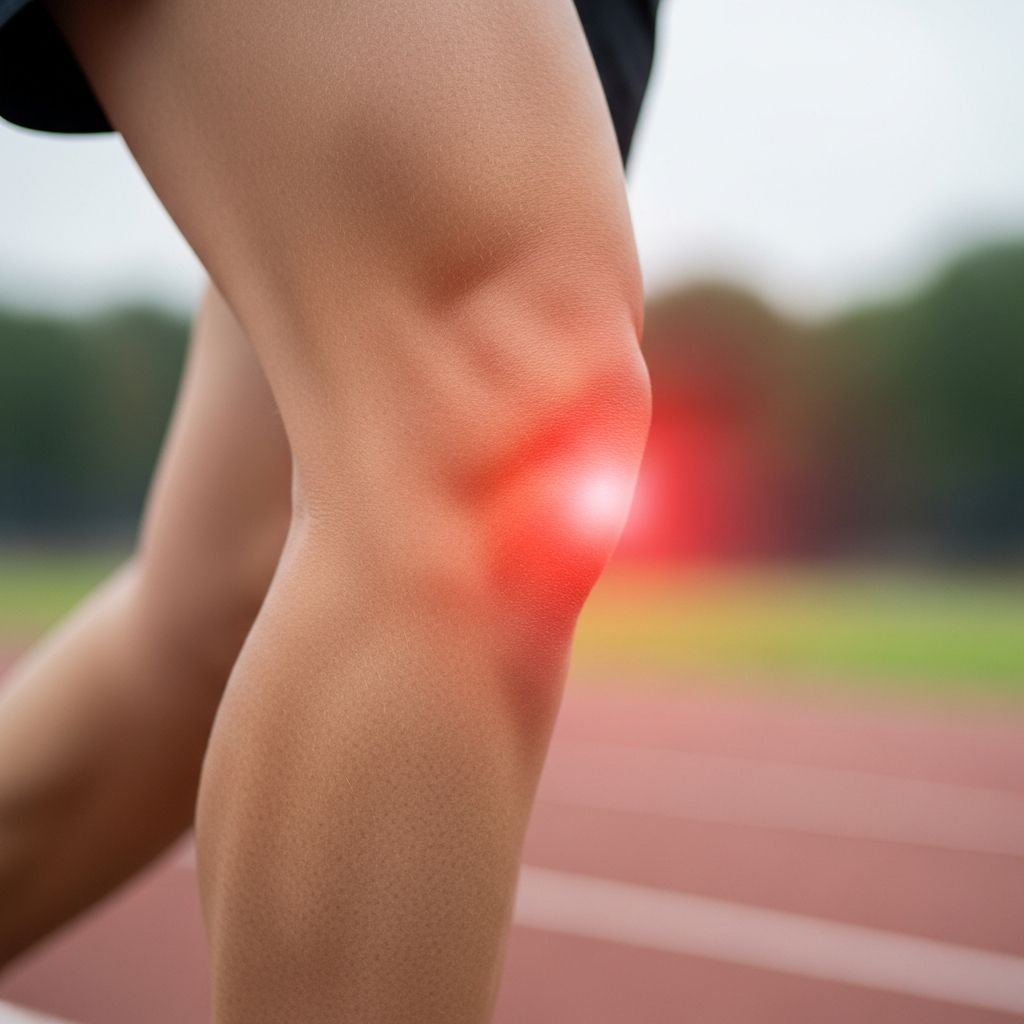
Patellofemoral pain syndrome, commonly known as runner’s knee, is one of the most prevalent knee conditions affecting athletes, active individuals, and sedentary populations alike. This condition causes pain at the front of the knee, specifically around and beneath the kneecap (patella), where it connects with the lower end of the thighbone (femur). Whether you’re an avid runner, a weekend warrior, or someone who spends extended periods sitting, understanding this condition is crucial for maintaining knee health and quality of life.
What is Patellofemoral Pain Syndrome?
Patellofemoral pain syndrome (PFPS) is a condition characterized by pain in the anterior aspect of the knee, often described as a dull ache that can become sharp during certain activities. The pain originates in the patellofemoral joint, where the kneecap sits within a groove at the end of the femur called the trochlear groove. When the kneecap doesn’t track smoothly through this groove during knee movement, it can lead to irritation of the surrounding tissues and cartilage. This condition is considered a diagnosis of exclusion, meaning it’s identified only after other serious knee pathologies like meniscal tears, ligament injuries, and tendonitis have been ruled out.
PFPS is not typically caused by a single traumatic injury but rather develops gradually from repetitive stress and biomechanical factors. It can occur in one or both knees and significantly impacts daily functioning and athletic performance.
Causes of Runner’s Knee
Patellofemoral pain syndrome develops through a complex interplay of multiple factors. Understanding these causes is essential for effective prevention and treatment.
Overuse and Repetitive Stress
Overuse remains the primary cause of runner’s knee. Vigorous physical activities that place repeated stress on the knee joint, such as running, jumping, squatting, and climbing stairs, can lead to PFPS development. A sudden change in physical activity—whether increasing frequency, duration, or intensity—can trigger symptoms. Athletes who rapidly escalate training volume without adequate recovery time are particularly vulnerable.
Muscle Imbalances and Weakness
Weak or tight muscles around the hip and knee can prevent the kneecap from tracking properly through its groove. The vastus medialis obliquus (VMO), vastus lateralis, hip abductors, and other stabilizing muscles play critical roles in maintaining proper patellar alignment. Hip abductor weakness has been identified as a significant contributing factor to PFPS development. Additionally, tight hamstrings, quadriceps muscles, and Achilles tendons can alter knee biomechanics and increase patellofemoral joint stress.
Patellar Malalignment
Abnormal tracking of the kneecap in the trochlear groove, known as patellar malalignment, contributes to excessive pressure between the back of the patella and the femur. This can result from various anatomical factors including high patella (where the kneecap sits higher than normal in the knee joint), loose patellar placement, or congenital knee defects such as trochlear dysplasia or knock knees.
Biomechanical and Structural Factors
Several structural and biomechanical factors increase PFPS risk. Flat feet, excessive foot pronation, and improper running or walking mechanics can alter lower limb alignment and increase stress on the patellofemoral joint. Gender differences also play a role, with women experiencing runner’s knee approximately twice as often as men. This increased prevalence in women is attributed to anatomical differences, including proportionately wider hips that cause thigh bones to angle more sharply from hip to knee, creating greater stress and instability.
Training and Environmental Factors
Improper sports training techniques, inadequate equipment, and changes in footwear or playing surfaces can contribute to PFPS development. Additionally, participation in specific sports—including skiing, cycling, soccer, and weightlifting—carries increased risk due to the repetitive knee-bending and loading these activities require.
Related Stories



Risk Factors for Runner’s Knee
Several factors increase an individual’s susceptibility to developing patellofemoral pain syndrome:
- Participation in running, jumping, or pivoting sports (skiing, cycling, soccer, basketball, weightlifting)
- Female gender due to anatomical differences
- Continuous knee-bending activities or prolonged sitting in crossed-leg positions
- Congenital knee joint defects
- Poor physical conditioning and lack of muscular strength
- Prior knee injuries or surgery, particularly anterior cruciate ligament (ACL) repair using patellar tendon grafts
- Muscular tightness or imbalances
- Anatomical abnormalities such as high patella or abnormal kneecap placement
Symptoms and Signs of PFPS
Patellofemoral pain syndrome typically presents with characteristic symptoms that vary in severity and location.
Primary Symptoms
The hallmark symptom is anterior knee pain—pain at the front of the knee or around the kneecap. This pain usually manifests as a dull ache but can become sharp or stabbing during specific activities. Many individuals report a sensation of popping or creaking in the knee when standing up from a seated position or when climbing or descending stairs.
Activity-Related Pain Triggers
Pain intensity typically increases with specific movements and activities, including:
- Running and jogging
- Jumping or plyometric activities
- Climbing or descending stairs
- Squatting or deep knee bending
- Kneeling
- Walking, particularly on uneven surfaces
- Prolonged sitting with bent knees (such as during long car rides or movie theater visits)
Symptom Characteristics
The pain may be intermittent or constant, depending on activity levels and individual factors. Some individuals experience stiffness, particularly after periods of inactivity, which resolves with gentle movement. The pain can significantly impair functional abilities and athletic performance, making everyday activities challenging.
Diagnosis of Patellofemoral Pain Syndrome
Accurate diagnosis of PFPS requires a comprehensive evaluation by a healthcare professional, typically involving physical examination and medical history assessment.
Clinical Evaluation
Diagnosis begins with a detailed history of symptoms, including onset, location, aggravating factors, and relieving factors. The healthcare provider will inquire about activity levels, recent training changes, and any prior injuries. A comprehensive physical examination evaluates knee alignment, patellar tracking, range of motion, strength, and flexibility. Specific tests assess muscle strength, particularly hip abductors and quadriceps muscles, and identify any imbalances or weakness.
Imaging Studies
While PFPS is primarily a clinical diagnosis, imaging studies may be ordered to exclude other pathologies. X-rays can evaluate bone alignment and rule out fractures or arthritis. Magnetic resonance imaging (MRI) may be used to assess soft tissue structures and exclude meniscal tears, ligament injuries, or cartilage damage. However, imaging findings are not always necessary for diagnosis in straightforward cases.
Treatment Options for Runner’s Knee
The majority of individuals with patellofemoral pain syndrome respond well to conservative treatment approaches. A multimodal treatment strategy addressing symptom relief and underlying biomechanical factors provides optimal outcomes.
Conservative Treatment Strategies
Activity Modification: Reducing or temporarily eliminating activities that aggravate symptoms is fundamental. This doesn’t necessarily mean complete cessation of exercise but rather modifying intensity, duration, and frequency. Low-impact activities like swimming, cycling (with proper bike fit), and elliptical training can maintain fitness while reducing knee stress.
Rest and Ice: Initial management often involves rest and ice application to reduce inflammation and pain. Ice should be applied for 15-20 minutes several times daily, particularly after activity. Adequate rest allows inflammation to resolve and prevents symptom progression.
Compression and Elevation: Using compression sleeves or wraps and elevating the knee can help reduce swelling and provide pain relief, particularly in acute phases.
Physical Therapy and Exercise
Physical therapy forms the cornerstone of PFPS management and addresses underlying biomechanical deficiencies. A therapeutic exercise program should include:
- Quadriceps Strengthening: Exercises targeting the quadriceps, particularly the vastus medialis obliquus, help stabilize the kneecap and improve tracking
- Hip Strengthening: Hip abductor and external rotator exercises reduce excessive knee inward movement during loading activities
- Flexibility Training: Stretching exercises for tight hip flexors, hamstrings, quadriceps, and Achilles tendons improve lower limb mobility
- Balance and Proprioception: Single-leg balance exercises and proprioceptive training enhance neuromuscular control
- Gait Training: Correction of walking and running mechanics prevents abnormal stress patterns
Footwear and Orthotics
Proper footwear with adequate support and cushioning can reduce knee stress. Custom or over-the-counter orthotics may correct biomechanical issues like excessive foot pronation or supination. Patellar taping or knee sleeves can provide temporary support and improve tracking during activity.
Pharmacological Management
Nonsteroidal anti-inflammatory drugs (NSAIDs) like ibuprofen or naproxen can provide short-term pain relief and reduce inflammation. These medications are typically used as adjuncts to conservative therapy rather than primary treatment.
Advanced Treatment Options
For individuals not responding to conservative treatment, additional interventions may be considered. Corticosteroid injections may provide temporary relief and allow progression in physical therapy. Platelet-rich plasma (PRP) therapy shows promise in some cases, though evidence remains emerging. In rare instances where conservative measures fail, surgical interventions addressing patellar malalignment or cartilage damage may be considered.
Prevention Strategies
Preventing patellofemoral pain syndrome is more effective than treating established disease. Key prevention strategies include:
- Gradually increasing training volume, intensity, and frequency to allow tissues to adapt
- Maintaining proper muscle strength and flexibility through regular conditioning
- Using appropriate footwear and replacing shoes regularly
- Correcting running and walking mechanics through coaching or gait analysis
- Incorporating cross-training to vary stress patterns on the knee
- Performing warm-up exercises before activity and cool-down stretches afterward
- Maintaining healthy body weight to reduce knee stress
Prognosis and Recovery
The prognosis for patellofemoral pain syndrome is generally favorable. Most individuals experience symptom resolution with appropriate conservative treatment, typically within weeks to a few months. Key factors influencing recovery include adherence to physical therapy, appropriate activity modification, and addressing underlying biomechanical factors. Return to full activity should be gradual and guided by symptom response to prevent recurrence.
Frequently Asked Questions
Q: How long does it take to recover from runner’s knee?
A: Recovery time varies but typically ranges from several weeks to a few months with appropriate conservative treatment. Factors affecting recovery include symptom severity, adherence to physical therapy, and underlying biomechanical issues.
Q: Can I continue running with patellofemoral pain syndrome?
A: Initially, reducing running volume is recommended. As symptoms improve, a gradual return to running under professional guidance is appropriate. Alternative cardiovascular activities like swimming or cycling may be maintained during recovery.
Q: Is surgery necessary for runner’s knee?
A: Surgery is rarely necessary for PFPS. The vast majority of cases respond well to conservative treatment. Surgery is reserved for rare cases resistant to comprehensive conservative therapy.
Q: Can women reduce their risk of developing runner’s knee?
A: While anatomical differences increase women’s risk, strengthening hip abductors and external rotators, maintaining flexibility, and following proper training progression can significantly reduce PFPS development.
Q: What is patellar taping and does it help?
A: Patellar taping involves applying athletic tape to guide kneecap tracking. While it provides temporary support and may reduce pain during activities, it should be combined with long-term physical therapy for sustained benefits.
References
- Patellofemoral Pain Syndrome (Runner’s Knee) — Cooper Health System. 2025. https://www.cooperhealth.org/services/patellofemoral-pain-syndrome-runners-knee
- Patellofemoral Pain Syndrome: Symptoms and Causes — Mayo Clinic. 2025. https://www.mayoclinic.org/diseases-conditions/patellofemoral-pain-syndrome/symptoms-causes/syc-20350792
- Patellofemoral Pain Syndrome — OrthoInfo (American Academy of Orthopaedic Surgeons). 2025. https://orthoinfo.aaos.org/en/diseases–conditions/patellofemoral-pain-syndrome/
- Patellofemoral Pain Syndrome (Runner’s Knee) — Midwest Orthopaedics at Rush. 2025. https://www.rushortho.com/specialties-services/sports-medicine/patellofemoral-pain-syndrome-runners-knee/
- Patellofemoral Pain Syndrome (Runner’s Knee) — Nemours KidsHealth. 2025. https://kidshealth.org/en/parents/runners-knee.html
- Patellofemoral Pain Syndrome (PFPS): Symptoms & Treatment — Cleveland Clinic. 2025. https://my.clevelandclinic.org/health/diseases/17914-patellofemoral-pain-syndrome-pfps
- Patellofemoral Syndrome — StatPearls (National Center for Biotechnology Information/National Library of Medicine). 2025. https://www.ncbi.nlm.nih.gov/books/NBK557657/
Similar Articles








Read full bio of Sneha Tete