Patent Ductus Arteriosus (PDA): Understanding This Heart Condition
Comprehensive guide to PDA: causes, symptoms, diagnosis, and treatment options for infants and children.
What is Patent Ductus Arteriosus (PDA)?
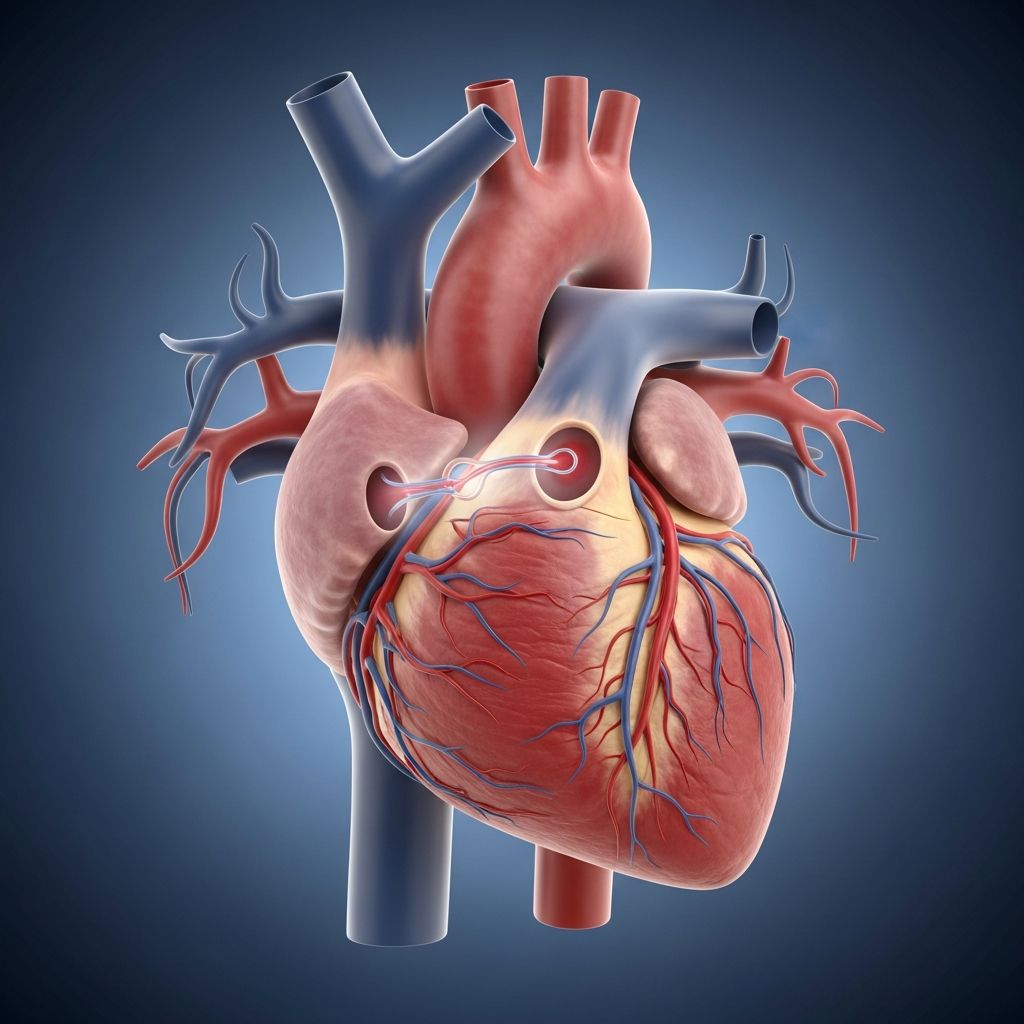
Patent ductus arteriosus (PDA) is a congenital heart defect that occurs when a blood vessel called the ductus arteriosus fails to close properly after birth. This condition is one of the most common congenital heart defects, accounting for 5%-10% of all congenital heart disease in term infants, with even higher incidence rates in premature babies. The ductus arteriosus is a temporary blood vessel that exists in all fetuses and plays an essential role in fetal circulation by allowing blood to bypass the lungs, which do not function during pregnancy since oxygen is delivered through the mother’s placenta.
In a normal fetal heart, two major arteries—the aorta and the pulmonary artery—are connected by the ductus arteriosus. After birth, when a baby begins breathing air and the lungs become functional, this vessel should close naturally, typically within the first few days to weeks of life. When the ductus arteriosus remains open (patent), it creates an abnormal connection between these two major arteries, allowing oxygen-rich blood from the aorta to flow directly into the pulmonary artery and lungs rather than following the normal circulation pathway.
Understanding How PDA Affects the Heart
The impact of PDA on the heart depends significantly on the size of the opening. When the ductus arteriosus fails to close, extra blood flows from the body’s main artery directly into the lung arteries, creating a condition called left-to-right shunting. Normally, the heart’s left side pumps oxygen-rich blood to the body, while the right side pumps oxygen-poor blood to the lungs. In a child with PDA, this normal circulation pattern is disrupted.
Small PDAs may cause minimal disruption to heart function and might not produce any noticeable symptoms beyond a heart murmur that a physician might detect during examination. Many small PDAs close spontaneously on their own before the child reaches one year of age.
Large PDAs create more significant problems because the increased blood volume flowing into the lungs forces the heart and lungs to work much harder than normal. This extra workload can lead to lung congestion, making it difficult for the heart to pump blood efficiently. Over time, if left untreated, a large PDA can cause the heart to become enlarged (a condition called cardiomegaly) as it struggles to manage the excessive blood flow. The additional pressure in the lung arteries can also cause long-term damage to the delicate blood vessels in the lungs, potentially developing into a serious condition called pulmonary hypertension.
Risk Factors and Causes
While researchers continue to investigate the exact mechanisms behind PDA development, several factors increase the likelihood of this condition occurring:
- Premature birth (infants born before 37 weeks of gestation have significantly higher PDA rates)
- Low birth weight
- Family history of congenital heart defects
- Genetic disorders or chromosomal abnormalities
- Maternal infections or complications during pregnancy
- Respiratory distress syndrome in newborns
The occurrence of PDA is inversely related to gestational age and weight, meaning that the earlier a baby is born and the lower the birth weight, the greater the risk of developing PDA. In premature infants, the physiologic mechanisms that normally contribute to closure—including changes in oxygen tension and decreased prostaglandins—may be altered, making spontaneous closure less likely.
Related Stories



Recognizing Symptoms of PDA
Symptoms of PDA vary widely depending on the size of the opening and the age of the affected person. Understanding these signs can help parents and caregivers identify when medical attention is needed.
Symptoms in Newborns and Infants
Infants with a small PDA may exhibit no symptoms at all or only present with a characteristic heart murmur discovered during a routine physical examination. However, babies with moderate to large PDAs often show clear signs of distress:
- Rapid or difficult breathing, even at rest
- Easy fatigue during feeding or normal activities
- Poor feeding and inadequate weight gain
- Excessive sweating, particularly during crying or feeding
- Rapid heart rate (tachycardia)
- Bounding peripheral pulses (pulses that feel unusually strong)
- Signs of heart failure, including increased respiratory rate and lethargy
Symptoms in Older Children and Adults
In rare cases, PDA goes undiagnosed until childhood or even adulthood. Individuals who reach school age or beyond with an untreated PDA may develop symptoms related to the cumulative effects of abnormal blood flow and increased cardiac workload. These can include shortness of breath during physical exertion, exercise intolerance, or symptoms related to pulmonary hypertension that may have developed over time.
Diagnosis of Patent Ductus Arteriosus
Accurate diagnosis of PDA is critical because symptoms alone are not always reliable indicators of the condition’s presence. Physicians employ several diagnostic methods to confirm PDA:
Physical Examination
The initial assessment typically involves a thorough physical examination where healthcare providers listen for characteristic clinical signs including a continuous “machinery” murmur, tachycardia, and bounding peripheral pulses. However, because some infants may not exhibit classic signs, diagnostic imaging is essential when PDA is suspected.
Echocardiography
Echocardiography (cardiac ultrasound) is the gold standard diagnostic tool for confirming PDA. This non-invasive imaging technique uses sound waves to create detailed images of the heart’s structure and blood flow patterns, allowing physicians to visualize the patent ductus arteriosus, measure its size, and assess how significantly it affects heart and lung circulation.
Chest X-ray
A chest X-ray may show signs of congestion in the lungs or cardiac enlargement, providing supporting evidence of PDA’s effects on the cardiovascular system.
Electrocardiogram (EKG)
An EKG records the heart’s electrical activity and may show patterns consistent with increased heart workload.
Treatment Options for PDA
Treatment decisions for PDA depend on several factors, including the size of the opening, the presence of symptoms, the baby’s gestational age, and whether other heart defects are present. Healthcare providers have three main treatment approaches available:
Conservative Management and Monitoring
Many small PDAs require no immediate treatment. Physicians often adopt a “watch and wait” approach, monitoring the baby closely to see if the ductus arteriosus closes on its own. Regular echocardiograms may be performed to track the size of the opening and assess for any changes in heart function. This approach is appropriate for asymptomatic infants with small PDAs that are not causing hemodynamic compromise.
Medical Treatment
When medical intervention is needed, several medications can help promote closure of the ductus arteriosus:
- Indomethacin: A nonsteroidal anti-inflammatory drug that reduces prostaglandins, which help keep the ductus arteriosus open, thereby promoting closure
- Ibuprofen: Another NSAID alternative that works similarly to indomethacin with potentially fewer side effects
- Acetaminophen: An emerging alternative for PDA closure that may be used in certain clinical situations
These medications are most effective when given during the early neonatal period and are particularly helpful in premature infants. They work by reducing the levels of prostaglandins, which naturally promote ductal patency. Medical therapy is often the first-line treatment attempted unless there are contraindications or the ductus is too large to close with medication alone.
Catheter-Based Intervention
For PDAs that don’t respond to medical management or are too large for medication, catheter-based procedures offer a minimally invasive treatment option. During this procedure, a specially trained cardiologist threads a thin tube (catheter) through blood vessels, typically accessing the femoral artery, and advances it to the site of the patent ductus arteriosus. Once positioned correctly, the physician deploys a closure device—such as a coil, plug, or occluder—that seals the opening and prevents abnormal blood flow.
This procedure has several advantages over surgical intervention: it requires no general anesthesia, involves smaller incisions, and allows for faster recovery. Most babies can return home within 24-48 hours after catheter-based closure.
Surgical Closure
Surgical ligation remains an option for cases where medical management and catheter-based procedures are not feasible or unsuccessful. During this procedure, a surgeon makes an incision between the ribs and directly ligates (ties off) or divides the patent ductus arteriosus under direct visualization. While highly effective, surgical intervention requires general anesthesia and a longer recovery period compared to catheter-based procedures. Surgical options include traditional open ligation or minimally invasive thoracoscopic approaches, which use smaller incisions and specialized instruments.
When Treatment is Necessary
Not all PDAs require treatment. Physicians typically recommend closure when:
- The PDA is large enough that the lungs could become overloaded with blood, potentially leading to heart enlargement
- Symptoms of congestive heart failure are present or developing
- The baby requires prolonged mechanical ventilation due to PDA-related pulmonary complications
- There is risk of developing infective endocarditis (heart infection)
- The baby is not growing adequately due to excessive cardiac workload
In some cases, particularly when a baby has other congenital heart defects that depend on ductal patency to maintain adequate blood flow to the lungs or body, medications may actually be given to keep the ductus arteriosus open until definitive treatment for the associated defect can be arranged.
Complications Associated with PDA
When patent ductus arteriosus goes untreated, especially in cases of large or moderate-sized shunts, several serious complications can develop:
Pulmonary Hypertension
Chronic elevation of blood pressure in the lung arteries due to excessive blood flow can cause permanent damage to the delicate pulmonary blood vessels. Over time, this can lead to pulmonary hypertension, a serious condition that significantly increases the risk of heart failure and may require specialized treatment.
Infective Endocarditis
PDA slightly increases the risk of infective endocarditis (IE), a serious infection of the heart’s inner lining, valves, or blood vessels. The increased flow of blood through the PDA can irritate the lining of the pulmonary artery at the connection point, making it easier for bacteria in the bloodstream to settle, collect, and grow in this area, potentially leading to life-threatening infection.
Heart Failure
Large PDAs that go unmanaged can cause progressive heart enlargement and eventual heart failure, particularly if the excessive blood flow to the lungs forces the heart to work at unsustainable levels for extended periods.
Developmental Concerns
Babies with large PDAs requiring prolonged mechanical ventilation may face increased risks of abnormal neurodevelopment and other complications associated with extended critical care.
Long-Term Outlook and Follow-up Care
The prognosis for babies with PDA is generally excellent, especially when the condition is diagnosed early and appropriate treatment is provided. Most infants with small PDAs that close spontaneously require no long-term follow-up care. Those who undergo successful closure through medical therapy, catheter-based procedures, or surgery typically have normal heart function and can expect normal activity levels.
Follow-up echocardiograms are typically performed after treatment to confirm successful closure and assess heart function. Some children may require antibiotic prophylaxis before dental procedures or other situations that could introduce bacteria into the bloodstream, reducing the risk of endocarditis. Regular pediatric cardiology follow-up is recommended to monitor for any late complications or related cardiac issues.
Frequently Asked Questions About PDA
Q: Can PDA close on its own?
A: Yes, many small PDAs close spontaneously during the first weeks to months of life as the infant’s physiology matures and natural closure mechanisms engage. However, larger PDAs are less likely to close without medical or surgical intervention.
Q: Is PDA more common in premature babies?
A: Yes, the occurrence of PDA is inversely related to gestational age and birth weight, meaning premature infants and those with lower birth weights have significantly higher rates of PDA compared to full-term babies.
Q: What is a PDA murmur?
A: A PDA murmur is an abnormal heart sound caused by turbulent blood flow through the patent ductus arteriosus. It is often described as a “machinery” or continuous murmur that physicians can detect during physical examination with a stethoscope.
Q: Can adults have undiagnosed PDA?
A: Yes, in rare cases PDA remains undiagnosed into adulthood. Over time, the additional blood flow can increase the risk of serious complications including pulmonary hypertension and heart rhythm abnormalities.
Q: What are the risks of leaving PDA untreated?
A: Untreated large PDAs can lead to pulmonary hypertension, infective endocarditis, heart failure, and developmental complications from prolonged ventilator support. Early diagnosis and treatment prevent these serious complications.
Q: How is PDA different from other congenital heart defects?
A: Unlike many congenital heart defects that involve structural abnormalities of the heart chambers or valves, PDA involves failure of a temporary fetal blood vessel to close after birth. This makes it unique among congenital heart conditions.
References
- Patent Ductus Arteriosus Overview — UCSF Department of Surgery. 2024. https://pedctsurgery.ucsf.edu/condition/patent-ductus-arteriosus
- Patent ductus arteriosus: an overview — PubMed/National Center for Biotechnology Information. 2012. https://pubmed.ncbi.nlm.nih.gov/23055849/
- Patent Ductus Arteriosus (PDA) — American Heart Association. 2024. https://www.heart.org/en/health-topics/congenital-heart-defects/about-congenital-heart-defects/patent-ductus-arteriosus-pda
- Patent Ductus Arteriosus (PDA) — Nemours KidsHealth. 2024. https://kidshealth.org/en/parents/patent-ductus-arteriosus.html
- Patent Ductus Arteriosus (PDA) — Yale Medicine. 2024. https://www.yalemedicine.org/conditions/patent-ductus-arteriosus
- Patent ductus arteriosus (PDA) – Symptoms and causes — Mayo Clinic. 2024. https://www.mayoclinic.org/diseases-conditions/patent-ductus-arteriosus/symptoms-causes/syc-20376145
- Patent Ductus Arteriosus (PDA): Symptoms and Treatment — Cleveland Clinic. 2024. https://my.clevelandclinic.org/health/diseases/17325-patent-ductus-arteriosus-pda
Similar Articles








Read full bio of Sneha Tete