Patient-Controlled Analgesia Pumps: Pain Management
Empowering patients with safe, effective pain management through advanced PCA pump technology.
Understanding Patient-Controlled Analgesia Pumps
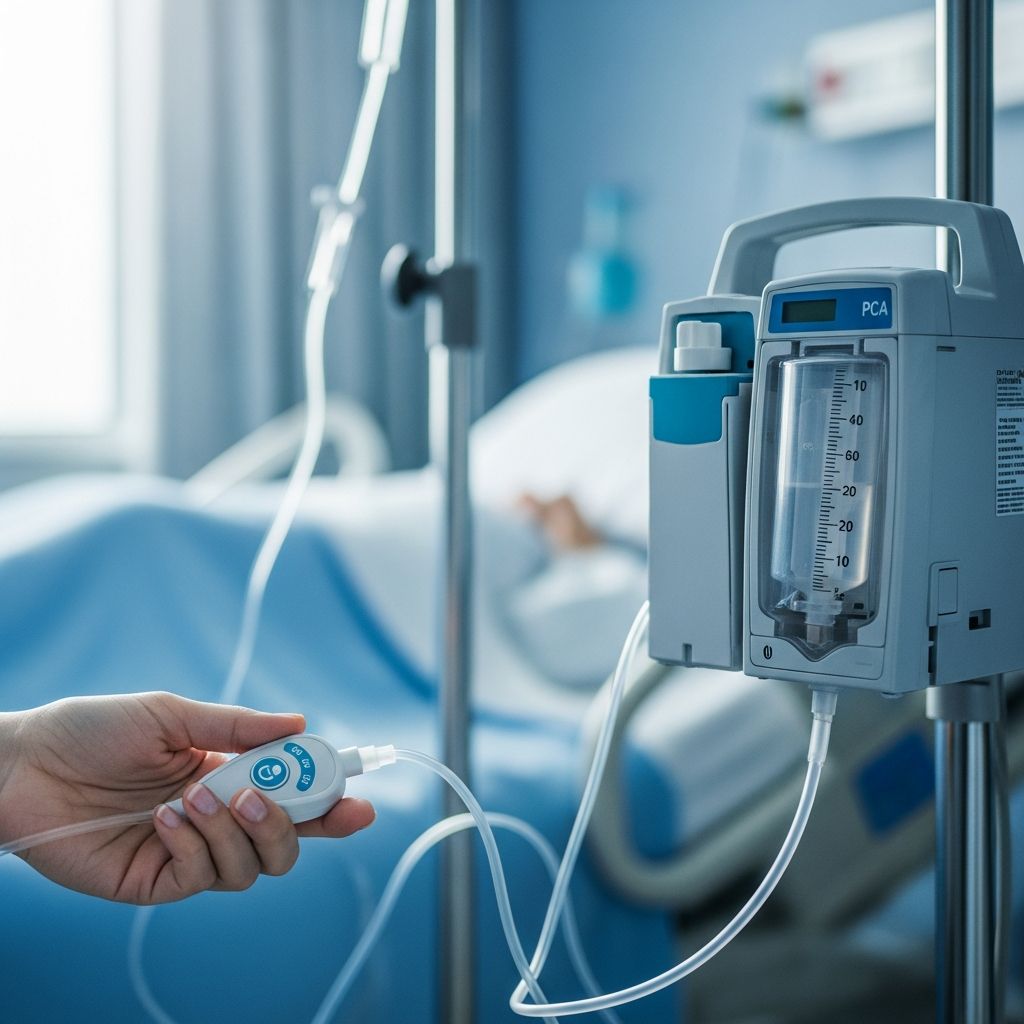
Patient-controlled analgesia (PCA) represents a significant advancement in modern pain management. A PCA pump is a computerized medical device that allows patients to manage their own pain relief by self-administering prescribed pain medications through an intravenous (IV) line. Unlike traditional pain management approaches where patients must wait for healthcare professionals to deliver medication, PCA empowers individuals to take an active role in controlling their comfort during recovery.
The fundamental principle behind PCA is simple yet effective: when patients experience pain, they press a button attached to the pump, which delivers a pre-programmed dose of pain medication directly into their bloodstream. This method has become a widely accepted standard for managing acute postoperative pain and other painful medical conditions requiring parenteral pain relief.
How PCA Pumps Work
Patient-controlled analgesia pumps utilize sophisticated technology to deliver consistent, safe pain relief. The system consists of several key components working together seamlessly:
The pump itself contains a syringe filled with pain medication prescribed by your physician. This pump is connected through tubing directly to your intravenous line, allowing medications to enter your bloodstream efficiently. The device includes a button or activation switch that you can press whenever you need pain relief. When activated, the pump delivers a specific dose of medication programmed by your healthcare team.
The timing and dosing of medication delivery are carefully controlled through several programmable parameters. Your physician determines the bolus volume (the amount of medication delivered per button press), the infusion rate if a continuous background infusion is used, the lockout interval (the minimum time between doses), and the maximum allowable dose during specified time periods. This multi-layered approach ensures that you receive adequate pain relief while remaining protected from receiving excessive amounts of medication.
Safety Features of PCA Pumps
Safety is paramount in PCA pump design and operation. Multiple built-in safeguards protect patients from medication errors and overdose:
The lockout interval serves as the primary safety mechanism. This predetermined waiting period prevents you from receiving another dose even if you repeatedly press the button. This feature eliminates the risk of accidentally stacking doses, which could lead to dangerous medication accumulation.
Sedation as a natural safety feature: If a patient inadvertently receives excessive medication, they become drowsy or sedated. This natural response prevents further self-administration because an over-sedated patient cannot press the button, making fatal overdose virtually impossible through normal PCA use.
Programmable dose limits restrict the total amount of medication you can receive during specific time windows. Your healthcare team sets these limits based on your age, weight, medical condition, and surgical procedure.
Smart pump technology has been implemented to reduce medication errors. Many modern PCA pumps include drug libraries, standard dosing patterns, and software enhancements that prevent keying or programming mistakes. Barcode verification systems add another layer of protection by confirming medication identity before administration.
Related Stories



Continuous monitoring by nursing staff ensures that the pump functions correctly and that you are responding appropriately to the medication. Healthcare professionals regularly assess your pain levels, sedation status, and overall comfort.
Medications Used in PCA Pumps
Opioid medications are the primary drugs used in patient-controlled analgesia systems. These powerful pain relievers work by blocking pain signals traveling from the affected area to the brain and spinal cord.
The most commonly used opioids in PCA pumps include:
Morphine remains one of the most widely used opioids for PCA due to its effectiveness and predictability. It is one of only two opioids commercially available in pre-made preparations for PCA pumps.
Hydromorphone (Dilaudid) is another frequently selected option, particularly for patients requiring shorter-acting pain relief or those with specific medical contraindications to morphine.
Fentanyl is a synthetic opioid that is potent and fast-acting, making it suitable for certain patient populations and specific pain management scenarios.
Meperidine (Demerol) is the second commercially available opioid in pre-made PCA concentrations, though its use has become less common in recent years.
Other opioids may be used but typically require custom compounding by a pharmacy, which increases preparation time and overall treatment costs. The specific medication chosen depends on your age, body size, type of surgery or medical condition, kidney and liver function, and previous medication responses.
Benefits of Patient-Controlled Analgesia
PCA pumps offer numerous advantages that have made them the preferred pain management method in many hospital settings:
Enhanced patient control and satisfaction represent primary benefits. By giving you the power to manage your pain timing, PCA increases satisfaction scores compared to traditional nursing-administered pain relief. You can receive medication exactly when you need it, not when it fits the nursing schedule.
Reduced analgesic gaps represent another significant advantage. Traditional pain management often involves delays between when patients request pain medication and when they receive it. PCA eliminates these delays by allowing immediate self-administration, resulting in better overall pain control throughout the day and night.
Greater analgesic efficacy: Research demonstrates that IV PCA provides significantly better pain relief compared to intramuscular injections or other traditional bolus administration methods. Intravenous delivery allows medications to reach therapeutic levels more rapidly and reliably.
Reduced need for painful injections: Because PCA delivers medication through an existing IV line rather than through injections, patients experience less procedural pain during recovery.
Flexibility in dosing: You can adjust the timing of medication administration based on your activities. For example, you might take a dose before physical therapy or before getting out of bed, anticipating pain rather than waiting for it to become severe.
Improved mobility: When combined with appropriate analgesic coverage, PCA allows patients to remain more comfortable during the important early mobility activities that support recovery.
Limitations and Considerations
While PCA pumps are highly effective, they do have certain limitations that healthcare providers must consider:
Patient eligibility requirements: Not all patients are suitable candidates for PCA pumps. Patients with cognitive impairment, hemodynamic instability, or respiratory problems may not be appropriate for self-administered analgesia. Young children under 10 years of age traditionally were not candidates for PCA, though modified approaches using parent-controlled or nurse-controlled supplemental dosing have expanded PCA use in pediatric populations.
Mobility restrictions: Although generally minimal, some patients report that remaining connected to the IV line, pump, and IV pole creates modest movement limitations. Audit studies have found that approximately 21% of postoperative patients report some mobility restrictions related to PCA use, though most consider these restrictions acceptable given the pain relief benefits.
Opioid-related side effects: Like all opioid medications, PCA drugs can cause side effects including nausea, vomiting, constipation, drowsiness, and dizziness. Respiratory depression represents a serious but rare potential complication, particularly if basal infusions are used concurrently.
Complexity and cost: PCA involves multiple steps and numerous healthcare professionals, which increases overall treatment costs beyond the medication expense alone. Pharmacy time for preparation, nursing assessment and monitoring, and equipment costs contribute to the total investment in this technology.
Medication availability: Only morphine and meperidine are commercially available in pre-made concentrations. All other opioids must be specially prepared by compounding pharmacies, which adds preparation time and cost.
PCA for Pediatric Patients
Historically, patient-controlled analgesia was not recommended for children younger than 10 years old. However, innovative approaches have expanded PCA use in younger patients. At major medical centers, modified PCA protocols allow very young children to benefit from this technology.
These pediatric adaptations typically involve combining continuous low-dose IV opioid infusions with parent-controlled or nurse-controlled supplemental bolus doses. This hybrid approach provides baseline pain control while allowing caregivers to administer additional medication when needed. As children mature and develop greater cognitive ability, they can gradually assume more control over button activation, transitioning to true patient-controlled dosing.
Clinical Best Practices for PCA Use
Multimodal analgesia approach: Current pain management guidelines recommend combining PCA opioids with non-opioid medications such as acetaminophen, nonsteroidal anti-inflammatory drugs (NSAIDs), and regional anesthesia techniques. This multimodal strategy reduces overall opioid requirements while achieving superior pain control and reducing opioid-related side effects.
Avoiding concurrent basal infusions: Many experts recommend against simultaneous continuous background infusions combined with PCA dosing in opioid-naive patients, as this increases respiratory depression risk without clear analgesic benefit.
Standardization and error prevention: Hospital-wide standardization of PCA protocols significantly reduces medication and programming errors. Using only one or two standard dose concentrations minimizes confusion. Ensuring that all PCA drug preparations use equipotent concentrations prevents dangerous medication mix-ups.
Proper patient education: Emphasizing that only the patient should press the PCA button prevents “PCA by proxy” situations where family members or caregivers administer doses without medical supervision, which has historically been a source of serious adverse events.
Continuous monitoring: Regular nursing assessment of pain levels, sedation status, vital signs, and oxygenation ensures safety and optimal outcomes.
Frequently Asked Questions About PCA Pumps
Q: Who is eligible for a PCA pump?
A: PCA is appropriate for most patients undergoing surgery or experiencing acute pain who can understand and follow instructions. Patients with normal cognitive function, stable vital signs, and adequate respiratory function are good candidates. Patients with cognitive impairment, unstable vital signs, or respiratory problems may not be suitable. Age alone is not a barrier; pediatric patients can use modified PCA approaches.
Q: What happens if I press the button too many times?
A: The pump’s lockout feature prevents over-medication. If you press the button before the lockout interval expires, nothing happens—the pump simply won’t deliver another dose. If you somehow received excessive medication, drowsiness would develop, making it impossible for you to continue pressing the button.
Q: Can family members press my PCA button?
A: No. Only you, the patient, should press the button. This is a critical safety rule. Family members pressing the button without your conscious request is called “PCA by proxy” and represents a serious safety hazard. Healthcare staff will emphasize this restriction and monitor compliance.
Q: Will I become addicted to PCA pain medication?
A: Short-term use of opioids for acute pain in hospital settings carries minimal addiction risk when used as directed through PCA. Physical dependence differs from addiction; patients taking opioids for legitimate pain relief typically don’t develop problematic drug-seeking behavior.
Q: When should I use my PCA button?
A: Use it when you feel pain or anticipate pain. You can press the button before activities like physical therapy, getting out of bed, or painful procedures. Don’t wait until pain becomes severe. Regular use as directed by your healthcare team provides better overall pain control than waiting for breakthrough pain.
Q: What opioid will I receive in my PCA pump?
A: Your physician selects the specific opioid based on your age, weight, medical history, type of surgery, and individual factors. Morphine, hydromorphone, and fentanyl are the most commonly used options. Your healthcare team will discuss the specific medication selected for your situation.
Q: Are there side effects from PCA medications?
A: Like all opioids, PCA medications can cause side effects including nausea, vomiting, constipation, drowsiness, and dizziness. Most side effects are manageable and decrease over time. Serious respiratory depression is rare with proper use and monitoring. Report any concerning symptoms to your healthcare team immediately.
Q: How long will I use a PCA pump?
A: PCA duration depends on your condition and recovery progress. Postoperative patients typically use PCA for several days to a week, transitioning to oral pain medications as they resume eating and their pain decreases. Your healthcare team will gradually wean you from the pump as your recovery progresses.
References
- IV Patient Controlled Analgesia — American Society of Regional Anesthesia and Pain Medicine (ASRA). 2019. https://asra.com/news-publications/asra-updates/blog-landing/legacy-b-blog-posts/2019/08/06/iv-patient-controlled-analgesia
- Patient Controlled Analgesia (PCA) — CEUfast. https://ceufast.com/course/patient-controlled-analgesia-pca
- IV PCA for Pediatric Patients — American Academy of Pediatric Anesthesiologists (PANS). https://www2.pedsanesthesia.org/patiented/ivpca.iphtml
- PCA Safety Checklist — Physician-Patient Alliance for Health & Safety (PPAHS). https://ppahs.org/pca-safety-checklist-download/
- Pain Management: Patient-Controlled Analgesia (PCA) Pump — HHC Senior Services Health Library. https://hhcseniorservices.org/health-wellness/health-resources/health-library/detail?id=zx1143&lang=en-us
- What Is Patient-Controlled Analgesia? — OVID. https://www.ovid.com/journals/bitye2/pdf/00002644-201311000-00010
Similar Articles








Read full bio of Sneha Tete