Pavlik Harness Treatment for Children: Complete Guide
Understanding Pavlik harness therapy for infant hip dysplasia and effective treatment options.
Pavlik Harness Treatment for Children: A Comprehensive Overview
Developmental dysplasia of the hip (DDH) is a common orthopedic condition affecting infants, where the hip joint does not develop properly. One of the most effective and widely used treatment methods for this condition is the Pavlik harness, a soft splint device designed to gently correct hip positioning during the critical early months of a child’s development. Understanding this treatment option is essential for parents and caregivers seeking to manage their child’s hip health effectively.
What Is Pavlik Harness Treatment?
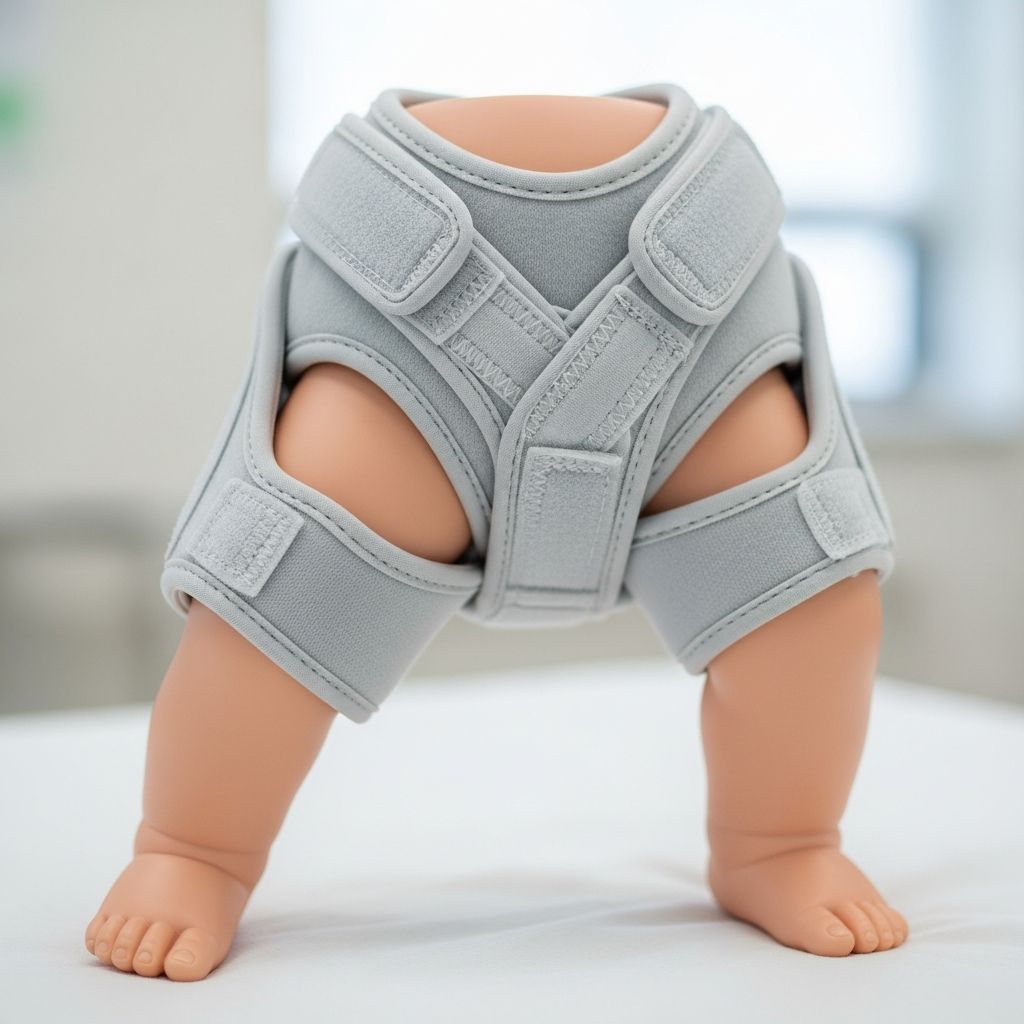
The Pavlik harness is a soft splint specifically designed for treating infants with developmental dysplasia of the hip. This specialized device functions by keeping the infant’s hips and knees bent while spreading the thighs apart, creating an optimal position for proper hip socket development. The harness works by maintaining the femoral head (the ball of the thigh bone) properly positioned within the acetabulum (the hip socket), allowing the ligaments to tighten and encouraging normal anatomical development of the hip joint.
Developed by Arnold Pavlik in the 1940s, the harness represents a functional treatment approach based on the principle that active hip movement is essential for proper joint development. The method emphasizes spontaneous repositioning and centralization of the femoral head, which occurs naturally when the hips and knees are maintained in flexion with appropriate abduction. The harness is most commonly prescribed for infants from birth to six months of age, with higher success rates achieved when treatment is initiated early.
How Does Pavlik Harness Treatment Work?
The Pavlik harness operates on a biomechanical principle that harnesses the infant’s natural movement patterns to facilitate hip joint correction. By maintaining the hips in a flexed and abducted position, the device allows the femoral head to seat properly in the acetabulum. This positioning gradually relaxes the adduction contracture (tightness in the hip muscles) and encourages spontaneous reduction through the infant’s natural movements and activity.
The device’s effectiveness stems from its allowance of active hip movement while maintaining proper alignment. Unlike rigid braces that completely immobilize the joint, the Pavlik harness permits controlled movement, which is crucial for stimulating normal hip development. This functional approach has proven superior to immobilization alone, with research demonstrating that the method itself, rather than merely the physical device, contributes most significantly to successful outcomes.
Structural Components of the Pavlik Harness
The Pavlik harness consists of several interconnected components working together to maintain proper hip positioning. Understanding the structure helps parents appreciate how the device functions and why proper fitting is crucial.
Main Components Include:
The chest strap forms the primary anchor point, extending across the baby’s back and fastening securely in front. This component serves as the foundation for all other straps. Leg straps attach to the front of the body strap, loop under each foot, and cross over the back before reattaching to the top of the body strap. This configuration creates the characteristic positioning that keeps the hips flexed and abducted. Shoulder straps distribute pressure evenly and prevent the harness from slipping downward, ensuring consistent positioning throughout the treatment period.
Related Stories



The harness is fully adjustable to accommodate infant growth and changing positioning needs. Regular adjustments by the orthopedist are essential to maintain proper fit and effectiveness as the baby grows. Parents should never attempt to adjust the harness themselves, as improper adjustments can compromise treatment effectiveness or cause complications.
Indications for Pavlik Harness Treatment
Healthcare providers recommend Pavlik harness treatment for specific patient populations and hip conditions. The harness is most effective when certain criteria are met, ensuring optimal outcomes for affected infants.
Primary Indications:
Developmental dysplasia of the hip represents the primary indication for Pavlik harness treatment. The device is particularly effective for clinically reducible hips and those classified as Graf type III according to ultrasound grading systems. Treatment is most successful when initiated before six months of age, with superior outcomes achieved in infants younger than three months. The harness can also be used for treating femur fractures in infants younger than four to six months, where it helps maintain proper bone alignment during healing.
Risk factors for DDH include female sex, breech presentation at birth, family history of hip dysplasia, and firstborn status. Infants with these risk factors often receive screening ultrasounds and may be candidates for early Pavlik harness treatment, even before clinical signs become apparent.
The Pavlik Harness Treatment Process
Initial Assessment and Fitting
Before beginning Pavlik harness treatment, your child’s orthopedist will conduct a comprehensive evaluation to determine if this approach is appropriate. This evaluation typically includes physical examination and ultrasound imaging of the hip joint to assess the severity of dysplasia and establish a baseline for comparison. The orthopedist will explain the treatment process, expected duration, and potential outcomes specific to your child’s condition.
The harness must be fitted precisely to be effective. An improperly fitted harness can fail to correct the hip positioning or, conversely, cause complications from excessive pressure. Healthcare providers take great care to ensure correct sizing and positioning before discharge.
Wearing Schedule and Daily Management
In most cases, infants wear the Pavlik harness twenty-four hours daily throughout the initial treatment phase. The typical treatment duration ranges from eight to twelve weeks, though the specific timeframe varies based on the severity of hip dysplasia and individual response to treatment. During this period, the harness remains in place continuously unless specifically directed otherwise by the orthopedist.
Proper care of the harness and baby’s skin is essential for preventing complications. Parents should keep the baby’s skin clean and dry, particularly in areas where the harness contacts skin. Lotions, ointments, and powders should not be applied under the harness, as these can trap moisture and contribute to skin breakdown. Regular diaper changes and careful attention to hygiene reduce the risk of skin irritation.
Follow-up and Monitoring
Regular follow-up appointments with the orthopedist are critical throughout the treatment course. These visits typically occur every two to three weeks and serve multiple purposes: harness straps are adjusted to accommodate infant growth and maintain proper positioning, the orthopedist assesses treatment response through physical examination, and ultrasound imaging monitors hip joint development. If adequate progress is not evident within approximately three weeks, the orthopedist may recommend alternative treatments, such as rigid bracing or surgical intervention.
Treatment Success Rates and Outcomes
Pavlik harness treatment demonstrates impressive effectiveness when initiated appropriately in suitable candidates. Research data consistently shows high success rates for this conservative approach to hip dysplasia management.
Large-scale studies encompassing thousands of treated hips reveal overall mid-term radiographic healing rates of approximately ninety-five percent, with osteonecrosis (bone death) rates averaging around two to three percent. Success rates vary based on treatment initiation age and hip severity, with better outcomes achieved when treatment begins before three months of age. In infants treated before three months, overall failure rates typically range from three to fifteen percent. Studies from Japan following nearly four thousand hips with complete dislocations reported hip relocation rates around eighty percent by Pavlik’s method, with approximately seventy-five percent achieving satisfactory long-term radiographic outcomes without requiring additional surgical procedures.
Overall success rates across published studies range from forty-five to one hundred percent, with approximately two-thirds of studies reporting success rates exceeding seventy-five percent. These impressive statistics position the Pavlik harness as one of the most successful conservative treatment options for pediatric hip dysplasia.
Potential Complications and Risks
While Pavlik harness treatment is generally safe and well-tolerated, parents should be aware of potential complications that can occasionally occur.
Common Complications:
Skin breakdown and dermatitis represent the most frequently encountered complication, typically occurring in areas where the harness maintains close contact with skin, including the groin, behind the knee, on the shoulder, and on the legs. These complications develop more frequently when proper skin care is neglected or when the harness remains in place without adequate adjustment as the infant grows. Maintaining clean, dry skin and regular harness adjustments significantly reduce this risk.
Nerve problems occasionally develop during Pavlik harness treatment, though these typically resolve spontaneously without intervention. More rarely, treatment fails to achieve adequate hip positioning and correction, necessitating alternative approaches such as rigid bracing or surgical intervention. Osteonecrosis, while uncommon, represents a potential serious complication where bone tissue dies due to compromised blood supply, typically related to treatment initiation age and hip severity at baseline.
Risk Reduction Strategies:
Maintaining regular follow-up appointments is crucial for early identification and management of complications. Allowing only the orthopedist to adjust harness straps prevents improper positioning that could contribute to problems. Meticulous skin care, including frequent diaper changes, gentle cleaning with water alone (avoiding lotions or powders), and inspection for early signs of irritation, significantly reduces dermatitis risk.
Transitioning Off the Pavlik Harness
The transition from full-time to reduced harness wearing is gradual and individualized based on treatment response. After approximately six weeks of continuous wear, if treatment is progressing well, infants can begin daytime removal of the harness while continuing nighttime wear. This transition allows increased mobility and developmental activity while maintaining hip positioning during sleep when movement is minimal.
After an additional six weeks of nighttime-only wear, most infants can discontinue harness use entirely. The orthopedist determines the appropriate timing for complete discontinuation based on ultrasound findings and clinical assessment. Total treatment duration typically spans twelve to sixteen weeks from initial fitting, though this varies based on individual circumstances.
Post-Treatment Care and Follow-Up
Following successful Pavlik harness treatment, most children develop normal hip anatomy and function. However, continued follow-up care remains important to ensure sustained improvement and identify any late complications. The orthopedist will recommend periodic examinations and imaging studies at intervals determined by individual risk factors and treatment response.
Parents should monitor their child for signs requiring evaluation, including difficulty walking, pain during movement, or other developmental concerns. Open communication with the orthopedic team about observed changes allows for timely intervention if needed. With appropriate follow-up and parental vigilance, children treated with the Pavlik harness typically achieve excellent long-term outcomes with normal hip function and minimal restrictions on activity.
Developmental Considerations During Treatment
Parents often wonder how Pavlik harness treatment affects their infant’s normal development. While the harness does restrict some movements, well-designed treatment protocols allow adequate movement for normal motor development. Infants continue to gain developmental milestones during harness wear, including increased head control, rolling, and eventual sitting, though the timing may be slightly affected. The harness should not significantly impede the infant’s ability to participate in age-appropriate developmental activities and play.
Frequently Asked Questions
Q: At what age should Pavlik harness treatment begin?
A: Treatment ideally begins as soon as developmental dysplasia of the hip is diagnosed, with the most successful outcomes occurring when initiated before six months of age. Infants treated before three months show particularly good results. Early diagnosis through screening ultrasound of at-risk infants enables prompt treatment initiation.
Q: Is Pavlik harness treatment painful for my baby?
A: When properly fitted and cared for, Pavlik harness treatment is pain-free. The harness is a soft device designed for comfort. If your baby shows signs of pain or significant discomfort, contact your orthopedist immediately, as this may indicate improper fitting or another complication.
Q: Can I remove the harness for bathing or other activities?
A: Initially, the harness is worn continuously twenty-four hours daily. After about six weeks of successful treatment, daytime removal may be permitted. Only remove the harness as specifically directed by your orthopedist, as premature or frequent removal can compromise treatment effectiveness.
Q: What should I do if skin irritation develops?
A: Keep the area clean and dry, change diapers frequently, and avoid lotions or powders. Contact your orthopedist if irritation persists, as they may adjust the harness or recommend specific skin care measures. Early intervention prevents minor irritation from becoming severe.
Q: How often will my baby need imaging studies?
A: Your baby will need regular ultrasound imaging, typically every two to three weeks during treatment, to monitor hip joint development and assess treatment response. The orthopedist will determine the specific schedule based on your child’s individual needs.
Q: What happens if the Pavlik harness doesn’t work?
A: If adequate improvement is not evident within about three weeks, your orthopedist may recommend alternative treatments, including rigid bracing or surgery. Fortunately, most infants respond well to Pavlik harness treatment when initiated appropriately.
Q: Will my child have normal hip function after treatment?
A: Most children treated successfully with the Pavlik harness achieve normal hip development and function. With proper follow-up care and monitoring, restrictions on activities are typically minimal to none, allowing children to participate fully in sports and normal play.
Conclusion
The Pavlik harness represents a safe, effective, and non-invasive approach to treating developmental dysplasia of the hip in infants. With success rates exceeding ninety percent when appropriately applied, this treatment option allows most affected children to develop normal hip anatomy and function without requiring surgical intervention. Early detection through screening and prompt initiation of treatment offer the best outcomes. Parents who follow their orthopedist’s guidance regarding harness wear, skin care, and follow-up appointments can expect their child to transition from treatment to normal development with excellent long-term results. Understanding the treatment process, potential complications, and post-treatment expectations empowers parents to actively participate in their child’s orthopedic care and support optimal hip joint development.
References
- Treatment of developmental dysplasia of the hip with the Pavlik harness in children under six months of age: Indications, results and failures — Journal of Children’s Orthopaedics, SAGE Publishing. 2018. https://journals.sagepub.com/doi/10.1302/1863-2548.12.180055
- Pavlik Harness Treatment for Children — University of Rochester Medical Center. 2024. https://www.urmc.rochester.edu/encyclopedia/content?contenttypeid=161&contentid=112
- Pavlik Harness — Boston Children’s Hospital. 2022. https://www.childrenshospital.org
- Effect of Pavlik harness on motor developmental milestones — National Center for Biotechnology Information (NCBI). 2024. https://pmc.ncbi.nlm.nih.gov/articles/PMC11556664/
- Pavlik Harness Tips For Parents — International Hip Dysplasia Institute. 2024. https://hipdysplasia.org/pavlik-harness-professional-resources/pavlik-harness-tips-for-parents/
Similar Articles








Read full bio of Sneha Tete