Paxlovid: Dosage, Side Effects, And Drug Interactions Guide
Comprehensive guide to Paxlovid, the oral antiviral for high-risk COVID-19 patients, covering dosing, efficacy, and safety.
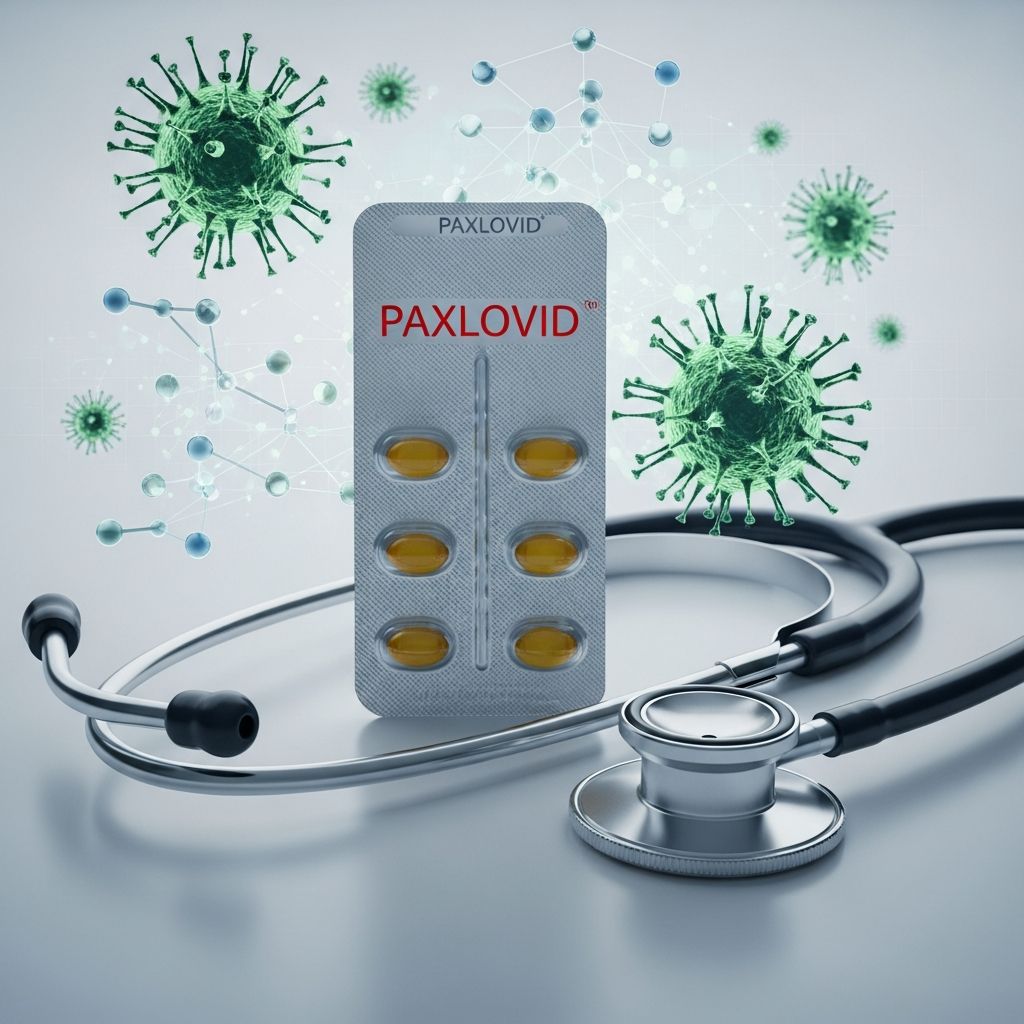
Paxlovid is an oral antiviral medication designed to treat mild-to-moderate COVID-19 in high-risk patients, helping prevent progression to severe illness, hospitalization, or death when started early.
Understanding Paxlovid’s Composition and Purpose
This therapy combines two key components: nirmatrelvir and ritonavir. Nirmatrelvir targets the SARS-CoV-2 virus by inhibiting its main protease enzyme, which is essential for viral replication. Without this enzyme, the virus cannot produce functional particles capable of infecting new cells. Ritonavir acts as a pharmacokinetic booster, inhibiting liver enzymes that break down nirmatrelvir, thereby extending its effectiveness in the body.
Approved for home use, Paxlovid offers a convenient alternative to intravenous treatments, making it accessible for non-hospitalized adults and certain pediatric patients at elevated risk.
Who Qualifies for Paxlovid Treatment?
Paxlovid is recommended for individuals with mild-to-moderate COVID-19 who do not require oxygen supplementation but face higher risks of severe outcomes. High-risk groups include those over 50, unvaccinated individuals, or people with conditions like obesity, diabetes, heart disease, or immunosuppression.
- Adults at increased risk for progression to severe COVID-19.
- Pediatric patients aged 6 years and older weighing at least 20 kg, per EMA guidelines.
- Patients diagnosed within 5 days of symptom onset.
Vaccination status does not disqualify eligibility; real-world data shows benefits across vaccinated and unvaccinated populations.
How Paxlovid Fights COVID-19
Upon ingestion, the three-pill dose (two nirmatrelvir tablets and one ritonavir) disrupts viral replication. By blocking the protease, nirmatrelvir ensures released virus particles are non-infectious, halting spread within the body. Clinical trials demonstrated an 89% reduction in hospitalization or death risk when initiated within three days of symptoms in unvaccinated patients.
Real-world evidence from the CDC indicates a 51% lower hospitalization rate within 30 days for treated patients versus untreated ones. Benefits are most pronounced in high-risk individuals, regardless of prior immunity.
Standard Dosing Schedule and Administration
The typical regimen spans 5 days, taken every 12 hours with or without food. Pills come in a convenient dose card for easy daily management.
| Patient Group | Morning Dose | Evening Dose | Duration |
|---|---|---|---|
| Standard (normal kidney function) | 2 nirmatrelvir 150mg + 1 ritonavir 100mg | Same | 5 days |
| Moderate kidney impairment (eGFR 30-60 mL/min) | 1 nirmatrelvir 150mg + 1 ritonavir 100mg | Same | 5 days |
Complete the full course even if symptoms improve or hospitalization occurs.
Dosing Adjustments for Kidney and Liver Issues
Kidney function significantly impacts dosing to avoid toxicity. For severe impairment (eGFR <30 mL/min, including dialysis), start with a loading dose on day 1 (300 mg nirmatrelvir + 100 mg ritonavir), then reduce to 150 mg nirmatrelvir + 100 mg ritonavir daily on days 2-5, post-dialysis if applicable.
Paxlovid is contraindicated in severe liver impairment (Child-Pugh Class C). Severely immunocompromised patients may require a 10-day course to prevent viral rebound.
| Renal Function | Days 1-5 Dose |
|---|---|
| Severe (eGFR <30 mL/min) | Day 1: 300mg nir + 100mg rit; Days 2-5: 150mg nir + 100mg rit daily |
| Pediatric (20-40 kg) | 150mg nir + 100mg rit every 12 hours |
Pediatric Use and Special Populations
For children 6 years and older weighing ≥20 kg, dosing is weight-based: 150 mg nirmatrelvir with 100 mg ritonavir twice daily for those 20-40 kg. FDA authorization extends to ages 12 and older under certain conditions.
HIV patients on ritonavir or cobicistat regimens need no adjustment.
Potential Side Effects and Monitoring
Common adverse effects include dysgeusia (altered taste), diarrhea, hypertension, myalgia, and nausea. Most are mild and resolve post-treatment. Serious effects are rare but warrant immediate medical attention, such as allergic reactions or liver issues.
Related Stories



- Taste changes: Often described as metallic or bitter; use sugar-free mints for relief.
- Gastrointestinal: Diarrhea or nausea; stay hydrated.
- Musculoskeletal: Muscle pain; monitor for worsening.
Report persistent symptoms to a healthcare provider.
Critical Drug Interactions to Avoid
Ritonavir’s potent CYP3A inhibition leads to numerous interactions, potentially causing toxicity. Paxlovid is contraindicated with drugs like alfuzosin, ranolazine, dronedarone, colchicine (in high doses), and certain anticancer agents.
Inducers like carbamazepine, phenytoin, or St. John’s wort reduce efficacy and are not recommended.
- Contraindicated: Alpha-blockers (alfuzosin), antiarrhythmics (dronedarone), colchicine.
- Caution: Statins, sildenafil; dose adjustments needed.
- Monitor: Oral contraceptives; effectiveness may decrease.
Consult a pharmacist or use interaction checkers before starting.
Timing: When to Start Paxlovid
Initiate within 5 days of symptom onset for optimal results. Earlier use (within 3 days) yields highest efficacy. Test positive and consult a provider promptly if high-risk.
Real-World Effectiveness and Limitations
Post-approval studies affirm Paxlovid’s value, with significant reductions in severe outcomes across diverse groups. However, efficacy may wane against highly mutated variants; ongoing monitoring is essential. Not for severe COVID-19 or oxygen-dependent patients.
Frequently Asked Questions (FAQs)
What if I miss a dose?
Take it as soon as remembered, unless near the next dose. Do not double up. Complete the 5-day course.
Can I take Paxlovid if vaccinated?
Yes, benefits apply regardless of vaccination or prior infection.
Does Paxlovid prevent transmission?
It reduces viral load but follow isolation guidelines.
Is Paxlovid safe during pregnancy?
Limited data; discuss risks with a doctor. Not routinely recommended.
How is Paxlovid prescribed?
Via prescription after positive test and risk assessment; available through pharmacies.
Practical Tips for Successful Treatment
- Store at room temperature, away from moisture.
- Set reminders for twice-daily dosing.
- Monitor blood pressure if hypertensive.
- Inform all providers of Paxlovid use.
Paxlovid represents a pivotal tool in COVID-19 management, empowering high-risk patients to recover at home safely when used appropriately.
References
- 11 Facts about Paxlovid – COVID-19 Antiviral Treatment — University Health. 2023. https://www.universityhealth.com/blog/paxlovid
- 13 Things To Know About Paxlovid, the COVID-19 Pill — Yale Medicine. 2023-11-01. https://www.yalemedicine.org/news/13-things-to-know-paxlovid-covid-19
- Paxlovid, INN-nirmatrelvir + ritonavir – EMA Product Information — European Medicines Agency. 2023. https://www.ema.europa.eu/en/documents/product-information/paxlovid-epar-product-information_en.pdf
- Nirmatrelvir and ritonavir (oral route) – Description — Mayo Clinic. 2024. https://www.mayoclinic.org/drugs-supplements/nirmatrelvir-and-ritonavir-oral-route/description/drg-20528231
- Dosing | PAXLOVID™ (nirmatrelvir tablets; ritonavir tablets) — Pfizer. 2024. https://www.paxlovidhcp.com/dosing
- Fact Sheet for Patients – Paxlovid — FDA. 2023. https://www.fda.gov/media/155051/download
Similar Articles








Read full bio of medha deb