Paxlovid Tablets: What To Know About Risks And Side Effects
Essential guide to Paxlovid®: antiviral treatment for high-risk adults with mild-to-moderate COVID-19, reducing severe illness risk by up to 89%.
Paxlovid® is a combination antiviral treatment authorised for adults aged 18 and over who test positive for COVID-19 and have at least one risk factor for severe disease, such as age over 60, obesity, diabetes, or heart disease. Clinical trials demonstrate it can reduce the risk of hospitalisation or death by up to 89% when started within five days of symptom onset.
| Type of medicine | Antiviral agent |
|---|---|
| Used for | Treatment of mild-to-moderate COVID-19 in adults over 18 at high risk |
| Also called | Nirmatrelvir and ritonavir |
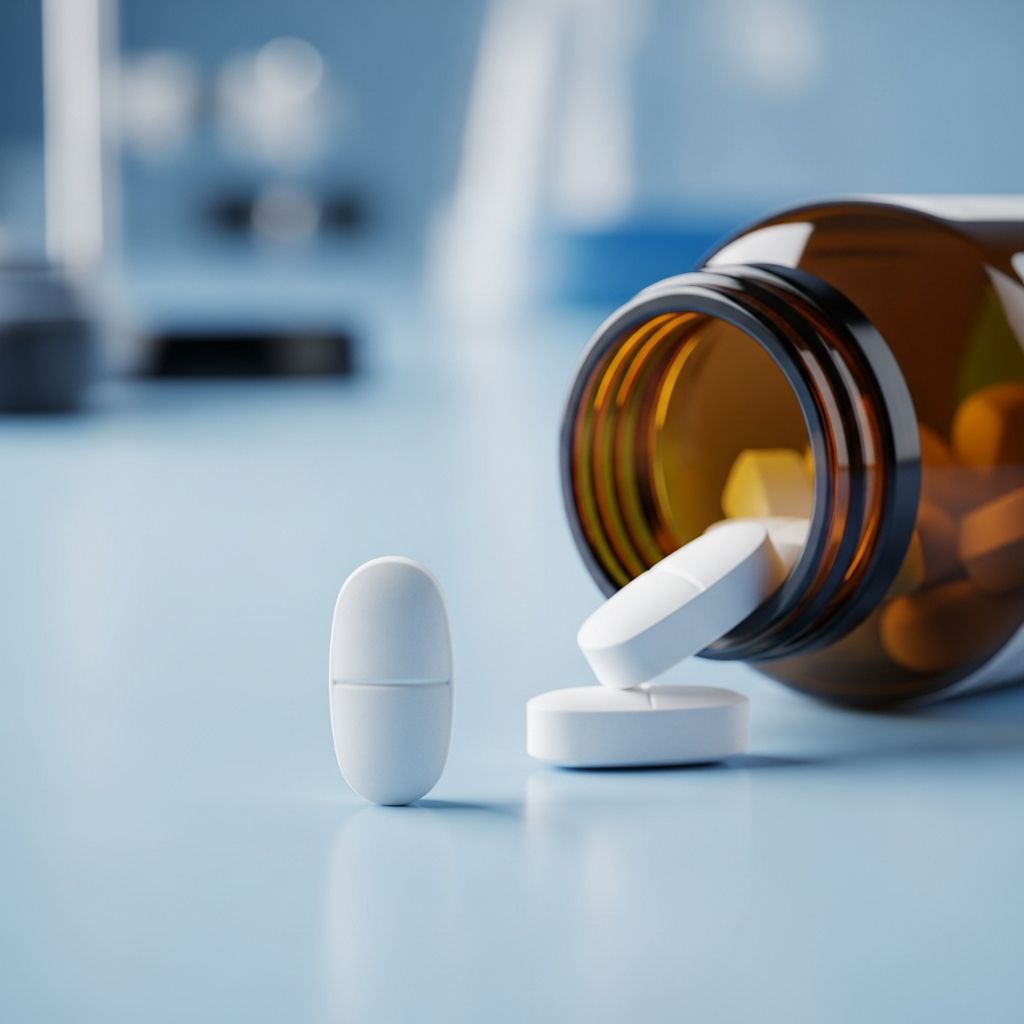
| Available as | Tablets (two pink 150 mg nirmatrelvir; one white 100 mg ritonavir per dose) |
About Paxlovid® tablets
Paxlovid® combines two antiviral medications: nirmatrelvir, which inhibits a key enzyme (SARS-CoV-2 3CL protease) needed for the virus to replicate, and ritonavir, a booster that prolongs nirmatrelvir’s effect by inhibiting liver enzymes that break it down. This stops the virus from multiplying in body cells, helping the immune system clear the infection faster and reducing progression to severe COVID-19.
It is indicated for adults (18+) with laboratory-confirmed mild-to-moderate COVID-19 who are at high risk of severe outcomes, including hospitalisation or death. Risk factors include being 60+, unvaccinated, immunocompromised, or having conditions like chronic lung disease, heart failure, diabetes, obesity (BMI ≥25), or current smoker status. It is not for severe COVID-19, prevention, or children under 18.
Authorised under conditional/emergency schemes (e.g., MHRA in UK, FDA EUA in US, EMA in EU), Paxlovid is monitored closely with ongoing safety data collection. Real-world studies confirm efficacy across vaccinated and unvaccinated high-risk patients, with a 51% lower hospitalisation rate when started within five days.
Before taking Paxlovid® tablets
Allergy
In rare cases, some people may be allergic to nirmatrelvir, ritonavir, or excipients like lactose (in ritonavir tablets). Signs include rash, swallowing/breathing difficulties, or swelling of face/lips/tongue. Seek immediate medical help if these occur. Inform your doctor of any allergies before starting.
Pregnancy and breastfeeding
There is limited data on Paxlovid in pregnancy; animal studies show no direct harm, but potential ritonavir effects on fetal development cannot be ruled out. Weigh benefits against risks with your doctor. It is unknown if Paxlovid passes into breast milk; breastfeeding individuals should consider pausing or discuss alternatives.
Babies, children, and adolescents
Paxlovid is not authorised for under 18s due to insufficient data. Some regions (e.g., US FDA) allow it for children 12+ weighing ≥40kg at high risk under EUA, but UK guidance restricts to adults 18+.[10]
Having surgery or dental treatment
Tell your anaesthetist/dentist about Paxlovid, as ritonavir interacts with many drugs used in surgery (e.g., midazolam, fentanyl).
Other medicines, foods, and drinks
Paxlovid has significant interactions due to ritonavir’s effect on CYP3A and other enzymes. Do not take with:
- Medicines for arrhythmia (e.g., amiodarone, quinidine)
- Ergotamines (migraine)
- Colchicine (high doses)
- Lomitapide (cholesterol-lowering)
- Sildenafil (PAH, >25mg)
- Other protease inhibitors (e.g., atazanavir)
Caution with: statins (risk rhabdomyolysis), inhaled steroids, alpha-1 blockers, many others—check with doctor/pharmacist. Avoid grapefruit juice/St John’s wort. Full list in patient leaflet.
Related Stories



How to take Paxlovid® tablets
Start as soon as possible after positive test, ideally within 5 days of symptoms. One dose: 2 pink nirmatrelvir 150mg tablets + 1 white ritonavir 100mg tablet, swallowed whole twice daily (every 12 hours) for 5 days. Provided in daily dose cards for convenience.
Take with/without food. If vomiting within 1-2 hours, repeat dose if tablet not digested. For kidney impairment (eGFR 30-<60 mL/min), use adjusted 150mg/100mg regimen (consult specialist).
Getting the most from your treatment
- Complete full 5-day course, even if feeling better.
- Rest, stay hydrated, eat nutritious food to support recovery.
- Continue precautions: isolate if required, wear mask around others.
- Up-to-date COVID-19 vaccination offers best protection—Paxlovid is treatment, not prevention.
Side-effects of Paxlovid® tablets
Most common: altered taste (dysgeusia, ~6%), diarrhoea (3%), hypertension (1%), myalgia (1%). Serious but rare: allergic reactions, liver issues. Report persistent/severe effects to doctor. COVID rebound (symptoms return 2-8 days post-treatment) occurs ~1-2%, similar to untreated cases; monitor and seek advice if worsens.
| Common side effects (>1/100) | Rare/serious |
|---|---|
| Altered taste, diarrhoea, nausea, headache, vomiting | Hypersensitivity, liver dysfunction, rash |
How to cope with side effects of Paxlovid®
- Altered taste: Chew gum, suck hard sweets, eat citrus/pineapple.
- Diarrhoea: Drink fluids, use rehydration salts; see GP if severe.
- Hypertension: Monitor BP, contact doctor if high.
- General unwellness usually mild/transient.
If you forget to take your dose
Take as soon as remembered, unless near next dose—do not double. If >8 hours late, skip and resume schedule. Restart full course if many missed.
7 days later… what if you’re still unwell?
Contact GP if symptoms worsen/persist after 7 days, especially breathlessness, chest pain, confusion. Monitor oxygen levels if possible. Paxlovid reduces but doesn’t eliminate severe risk.
Frequently Asked Questions
Who qualifies for Paxlovid?
Adults 18+ with positive COVID-19 test, symptoms ≤5 days, and ≥1 high-risk factor (e.g., age 60+, diabetes, obesity).
Can Paxlovid prevent COVID-19?
No, it’s for treatment only, not pre- or post-exposure prevention.
What if I have drug interactions?
Consult prescriber; alternatives like molnupiravir/remdesivir may be considered.
Is Paxlovid effective against new variants?
Targets conserved protease; studies show retained activity vs Omicron subvariants.
What about COVID rebound?
Possible in 1-2%; usually mild. Isolate if symptoms return, test again.
References
- Paxlovid tablets for COVID-19 disease — Patient.info. 2023. https://patient.info/medicine/paxlovid-tablets-for-covid-19-disease
- Patient Information Leaflet for Paxlovid — UK Government MHRA. 2022-10-04. https://www.gov.uk/government/publications/regulatory-approval-of-paxlovid/patient-information-leaflet-for-paxlovid
- Paxlovid: a medicine for treating COVID-19 — Health Service Executive (Ireland). 2023. https://www2.hse.ie/medicines/paxlovid/
- PAXLOVID Fact Sheet for Patients — US FDA. 2023. https://www.fda.gov/media/155051/download
- About PAXLOVID (nirmatrelvir tablets; ritonavir tablets) — Pfizer. 2025. https://www.paxlovid.com
- 13 Things To Know About Paxlovid — Yale Medicine. 2023-11. https://www.yalemedicine.org/news/13-things-to-know-paxlovid-covid-19
Similar Articles








Read full bio of medha deb