PCOS Diet: Foods, Meal Plans, and Nutrition Guide
Master PCOS nutrition with science-backed dietary strategies and meal planning tips.
Understanding PCOS and the Role of Nutrition
Polycystic Ovary Syndrome (PCOS) affects millions of women worldwide and is characterized by insulin resistance, hormonal imbalances, and metabolic dysfunction. While PCOS cannot be cured, dietary modifications represent one of the most powerful tools for managing symptoms and improving quality of life. Proper nutrition plays a crucial role in stabilizing blood sugar levels, reducing systemic inflammation, and supporting healthy body composition—all essential factors in PCOS management.
The relationship between diet and PCOS is bidirectional: insulin resistance, a hallmark feature of PCOS, is often worsened by poor dietary choices, while strategic nutritional interventions can significantly reduce insulin levels and alleviate associated symptoms. Research demonstrates that women with PCOS who implement dietary changes alongside lifestyle modifications experience improvements in menstrual regularity, fertility outcomes, and reduced risk of long-term complications including type 2 diabetes and cardiovascular disease.
Core Principles of a PCOS-Friendly Diet
An effective PCOS diet operates on three fundamental principles designed to address the underlying metabolic dysfunction:
Stabilizing Blood Sugar Levels
The foundation of PCOS management is preventing rapid blood sugar spikes and crashes that exacerbate insulin resistance. This is achieved through consuming low-glycemic carbohydrates that digest slowly and provide sustained energy. Blood sugar stability is critical because elevated insulin levels can trigger increased androgen (male hormone) production, worsening PCOS symptoms including irregular periods, hair growth, and acne.
Reducing Systemic Inflammation
Women with PCOS often experience chronic low-grade inflammation, which contributes to the condition’s severity and complications. Incorporating antioxidant-rich foods from vegetables, fruits, and healthy fats helps counteract this inflammatory state and support overall metabolic health.
Supporting Healthy Body Composition
Even modest weight loss of 5-10% can dramatically improve PCOS symptoms, including restored menstrual cycles and improved fertility. A nutrient-dense, calorie-appropriate diet combined with resistance training helps preserve lean muscle mass while reducing visceral fat accumulation.
Essential Foods for PCOS Management
Low-Glycemic Carbohydrates
Carbohydrate quality is more important than quantity in PCOS management. Focus on whole grains and legumes that provide fiber, nutrients, and gradual glucose release:
– Whole grains: quinoa, bulgur, steel-cut oats, brown rice, wild rice, barley, and rye- Starchy vegetables in moderation: sweet potatoes, winter squash, and legumes- Legumes and pulses: lentils, chickpeas, black beans, kidney beans, and peas
These foods digest slowly, preventing the blood-sugar spikes that trigger insulin surges and worsen insulin resistance. The high fiber content also promotes digestive health and sustained satiety.
Lean Protein at Every Meal
Protein is essential for PCOS management as it promotes satiety, stabilizes blood sugar, and supports lean tissue repair and growth. Including protein at every meal helps prevent excessive hunger and cravings while supporting metabolic health. Quality protein sources include:
Related Stories



– Poultry: chicken and turkey breast- Fish and seafood: salmon, sardines, mackerel, and shrimp (rich in omega-3 fatty acids)- Eggs: a complete protein with important micronutrients- Dairy: Greek yogurt and low-fat cottage cheese- Plant-based proteins: tofu, tempeh, and edamame
Anti-Inflammatory Fats
Healthy fats are crucial for hormone production and reducing inflammation. Emphasize mono- and polyunsaturated fats while minimizing saturated and trans fats:
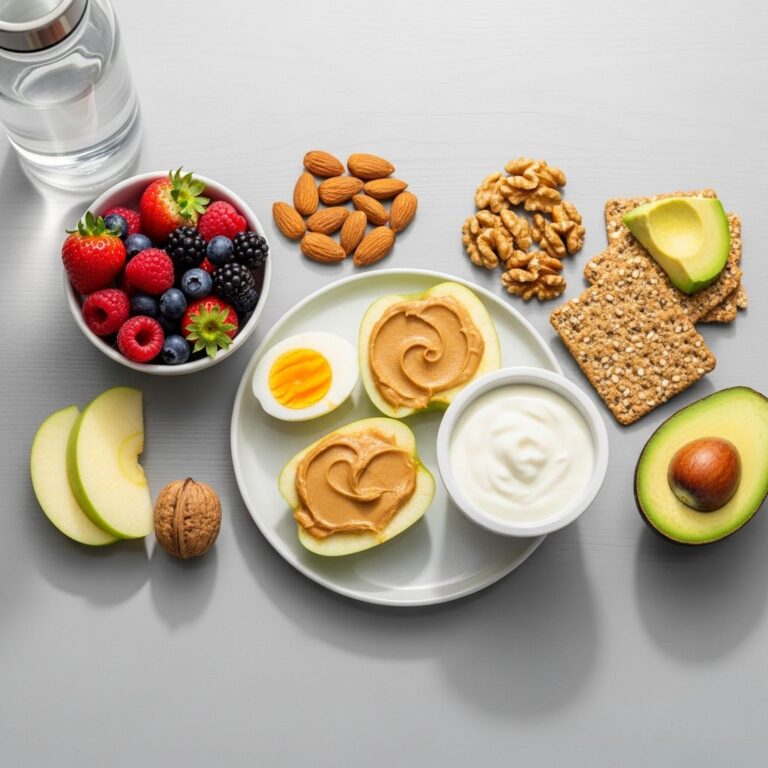
– Omega-3 rich sources: fatty fish, walnuts, flaxseeds, and chia seeds- Oils: extra virgin olive oil, avocado oil, and coconut oil in moderation- Nuts and seeds: almonds, walnuts, sunflower seeds, and pumpkin seeds- Avocados: nutrient-dense and anti-inflammatory
Abundant Vegetables and Fruits
Non-starchy vegetables should form the foundation of meals, providing essential micronutrients, fiber, and phytonutrients with minimal impact on blood sugar:
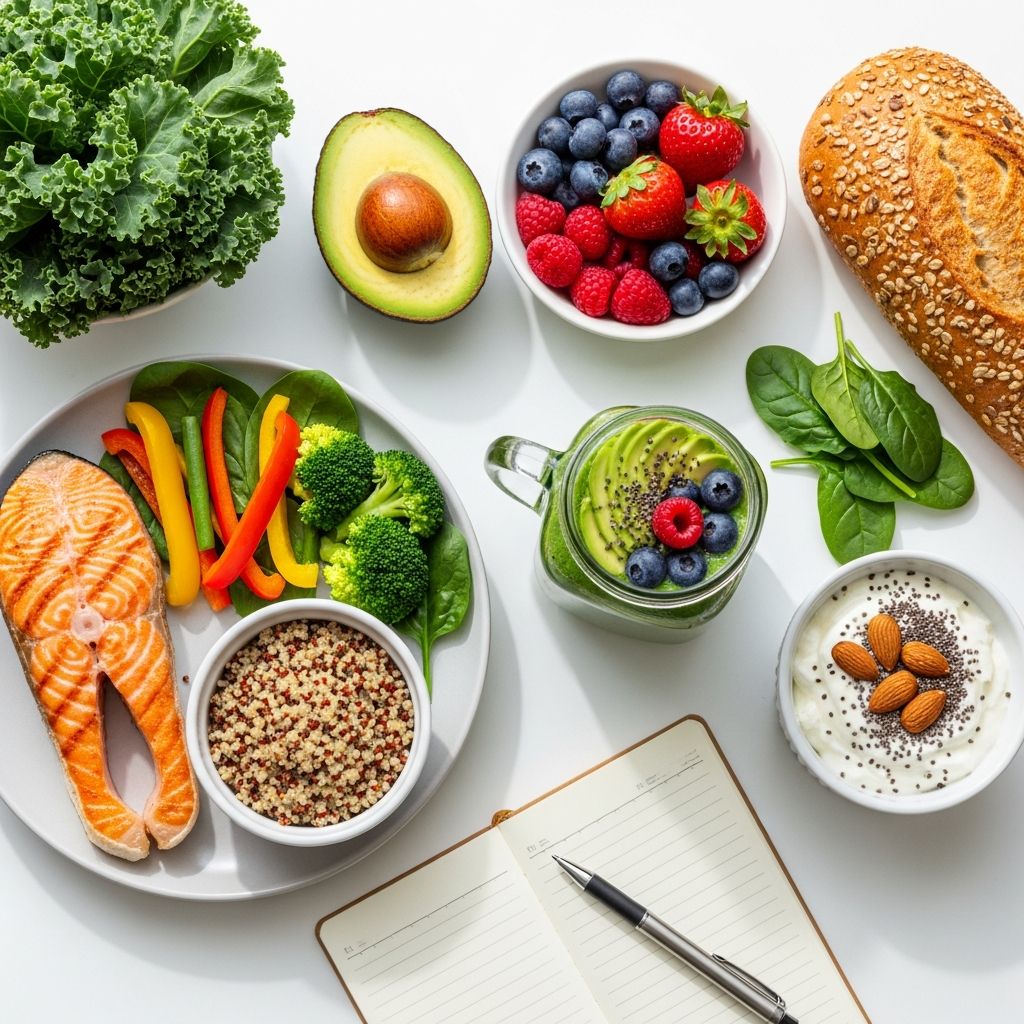
– Leafy greens: spinach, kale, arugula, and collard greens- Cruciferous vegetables: broccoli, cauliflower, Brussels sprouts, and cabbage- Other non-starchy options: bell peppers, zucchini, green beans, and asparagus- Fruits: emphasize berries, citrus fruits, cherries, and plums for their low glycemic impact and high antioxidant content
Foods to Limit or Avoid
While complete elimination of any food group is typically unnecessary, reducing intake of problematic foods can significantly improve PCOS symptoms. Foods to minimize include:
| Food Category | Impact on PCOS | Examples |
|---|---|---|
| Refined carbohydrates | Rapid blood sugar spikes and insulin surges | White bread, pastries, sugary cereals, white rice |
| Sugary beverages | Severe insulin resistance and inflammation | Regular soda, sweetened juices, energy drinks |
| Processed foods | Hidden added sugars and unhealthy fats | Packaged snacks, deli meats, instant meals |
| Fried foods | Trans fats and increased inflammation | Fast food, commercial fried items |
| Trans fats | Elevated LDL cholesterol and inflammation | Packaged pastries, hydrogenated oils |
| Excess saturated fats | May elevate LDL cholesterol | High-fat dairy, fatty cuts of meat |
| Alcohol | Disrupts blood sugar and liver metabolism | Sugary cocktails, excessive drinking |
Rather than viewing these as permanently forbidden, adopting an 80/20 approach—making nourishing choices 80% of the time while allowing mindful indulgence 20% of the time—creates sustainable, realistic dietary patterns.
Practical Meal Planning Strategies
Building Balanced Meals
Each meal should contain three components for optimal blood sugar stabilization and hormone balance:
– Complex carbohydrates (portion adjusted to activity level)- Lean protein (palm-sized portion)- Healthy fats (thumb-sized portion)- Non-starchy vegetables (fill half your plate)
Meal Frequency and Timing
Eating small, balanced meals approximately every four hours helps maintain stable insulin levels throughout the day. This prevents the dramatic insulin fluctuations that worsen PCOS symptoms. Skipping meals is counterproductive as it often leads to excessive hunger, poor food choices, and insulin spikes at the next meal.
Sample 7-Day PCOS-Friendly Meal Plan
The following plan provides approximately 1,500-1,800 calories daily and should be adjusted based on individual energy expenditure and activity level:
| Day | Breakfast | Lunch | Snack | Dinner |
|---|---|---|---|---|
| Monday | 1 cup Greek yogurt, ½ cup mixed berries, 1 tbsp chia seeds | 1½ cups quinoa salad with chickpeas and vegetables | 1 medium apple with 2 tbsp almond butter | 4 oz baked salmon, roasted Brussels sprouts, ½ sweet potato |
| Tuesday | 2-egg vegetable omelet with ¼ avocado | 1½ cups lentil soup with side salad | ¼ cup hummus with 1 cup carrot sticks | 4 oz turkey meatballs with zucchini noodles and marinara |
| Wednesday | ½ cup steel-cut oats with flax, banana, and cinnamon | Whole-wheat pita with 3 oz tuna and 1 tbsp olive oil plus greens | ¾ cup cottage cheese with ½ cup pineapple | 3 oz tofu with broccoli and ¾ cup brown rice |
| Thursday | Green smoothie: spinach, protein powder, berries, oat milk | Grilled chicken bowl with cauliflower rice and tomato-cucumber mix | ¼ cup walnuts | 4 oz shrimp with corn tortillas, peppers, onions, guacamole |
| Friday | 2 scrambled eggs with sautéed kale and whole-grain toast | 1½ cups turkey and black bean chili | ¾ cup Greek yogurt with 1 tbsp cocoa nibs | 4 oz grilled sirloin with asparagus and ¾ cup quinoa |
| Saturday | Protein pancakes with ½ cup blueberries | 2 slices rye toast with sardines and ½ avocado | 1 medium orange with 10 almonds | 4 oz grilled chicken with roasted vegetables and quinoa |
| Sunday | ½ cup chia seed pudding with coconut milk and mango | 1½ cups leftover turkey and black bean chili | 1 oz dark chocolate (70%+) with 1 cup strawberries | 4 oz miso-glazed cod with bok choy and edamame |
Macronutrient Guidelines
While individual needs vary, research suggests that women with PCOS benefit from specific macronutrient distributions. A higher-protein approach (35% protein, 45% carbohydrate, 20% fat) has shown particular promise in improving metabolic markers and menstrual regularity. This distribution helps reduce hunger, stabilize blood sugar, and preserve lean muscle mass during weight loss.
A reduced-energy diet providing 500-1,000 calories below daily expenditure can produce meaningful weight loss of 7-10% over 6-12 months, which significantly improves PCOS symptoms. Dietary fat should comprise less than 30% of total calories, with saturated fat limited to less than 10% of calories.
Dietary Approaches: Mediterranean and DASH Styles
Both Mediterranean and DASH (Dietary Approaches to Stop Hypertension) diets are widely recommended for PCOS management. These patterns emphasize whole grains, lean proteins, vegetables, healthy fats, and legumes while minimizing processed foods and added sugars. Both approaches naturally reduce inflammation and support hormone balance through their emphasis on nutrient-dense, minimally processed foods.
These dietary patterns are particularly beneficial for PCOS because they support not only weight management but also reduce cardiovascular disease risk—important since women with PCOS have elevated heart disease risk—and help prevent development of type 2 diabetes.
Frequently Asked Questions
Can diet alone cure PCOS?
Currently, there is no cure for PCOS. However, dietary modifications combined with lifestyle changes including exercise, stress management, and adequate sleep can significantly improve symptoms, restore menstrual regularity, enhance fertility, and reduce risk of long-term complications like diabetes and cardiovascular disease.
What is the best diet for PCOS?
The most effective PCOS diet is one you can sustain long-term. Mediterranean and DASH-style diets, emphasizing low-glycemic whole grains, lean proteins, abundant vegetables, healthy fats, and legumes, have the strongest research support. The diet should be individualized based on personal preferences, cultural background, and health goals.
Do I need to avoid all carbohydrates?
No. The focus is on carbohydrate quality, not elimination. Low-glycemic complex carbohydrates including whole grains, legumes, and starchy vegetables are important for providing nutrients, fiber, and sustained energy. Refined carbohydrates and simple sugars should be minimized, but healthy carbs remain essential.
How much protein should I eat?
Women with PCOS generally benefit from higher protein intake, typically 25-30% of total calories or 1.2-1.6 grams per kilogram of body weight daily. This higher protein approach supports satiety, stabilizes blood sugar, and helps preserve muscle mass during weight loss. Individual needs vary based on activity level, body composition goals, and metabolic factors.
Should I follow a calorie-restricted diet?
Modest calorie restriction (500-1,000 calories below daily expenditure) can be effective for weight loss, which often significantly improves PCOS symptoms. However, extreme restriction should be avoided as it can disrupt hormones and create unsustainable patterns. Working with a healthcare provider or registered dietitian helps determine appropriate caloric intake for individual needs.
How long does it take to see dietary improvements in PCOS?
Some women notice improvements in energy, mood, and symptoms within weeks of dietary changes. However, meaningful changes in menstrual regularity, fertility markers, and metabolic measures typically require 3-6 months of consistent dietary adherence. Regular monitoring with healthcare providers helps track progress and adjust strategies as needed.
Integrating Diet with Overall Lifestyle
While nutrition is fundamental to PCOS management, dietary interventions work most effectively when combined with other lifestyle modifications. Regular physical activity, including both cardiovascular exercise and resistance training, enhances the benefits of dietary changes and supports body composition improvements. Stress management techniques, adequate sleep (7-9 hours nightly), and maintenance of healthy relationships all influence hormonal balance and insulin sensitivity.
Regular monitoring through laboratory testing and body composition assessment helps ensure dietary strategies are effectively addressing metabolic dysfunction. Working with a healthcare team including physicians, registered dietitian nutritionists, and mental health professionals creates a comprehensive approach to PCOS management tailored to individual needs and circumstances.
References
- Long-term management of Polycystic Ovarian Syndrome (PCOS) — National Institutes of Health, National Center for Biotechnology Information. 2014-12-01. https://www.ncbi.nlm.nih.gov/pmc/articles/PMC4367484/
- PCOS Diet Guide: Foods, Meal Plan, and Nutrition Tips — BodySpec. 2024. https://www.bodyspec.com/blog/post/pcos_diet_guide_foods_meal_plan_and_nutrition_tips
- Can a PCOS Diet Alone Reverse Symptoms? — New Hope Fertility. 2024. https://www.newhopefertility.com/blog/can-pcos-diet-alone-reverse-symptoms/
Similar Articles








Read full bio of Sneha Tete