PCOS Hair Loss: Causes, Symptoms, And How To Treat
Understand why PCOS leads to hair thinning and discover effective treatments to restore your hair health and confidence.
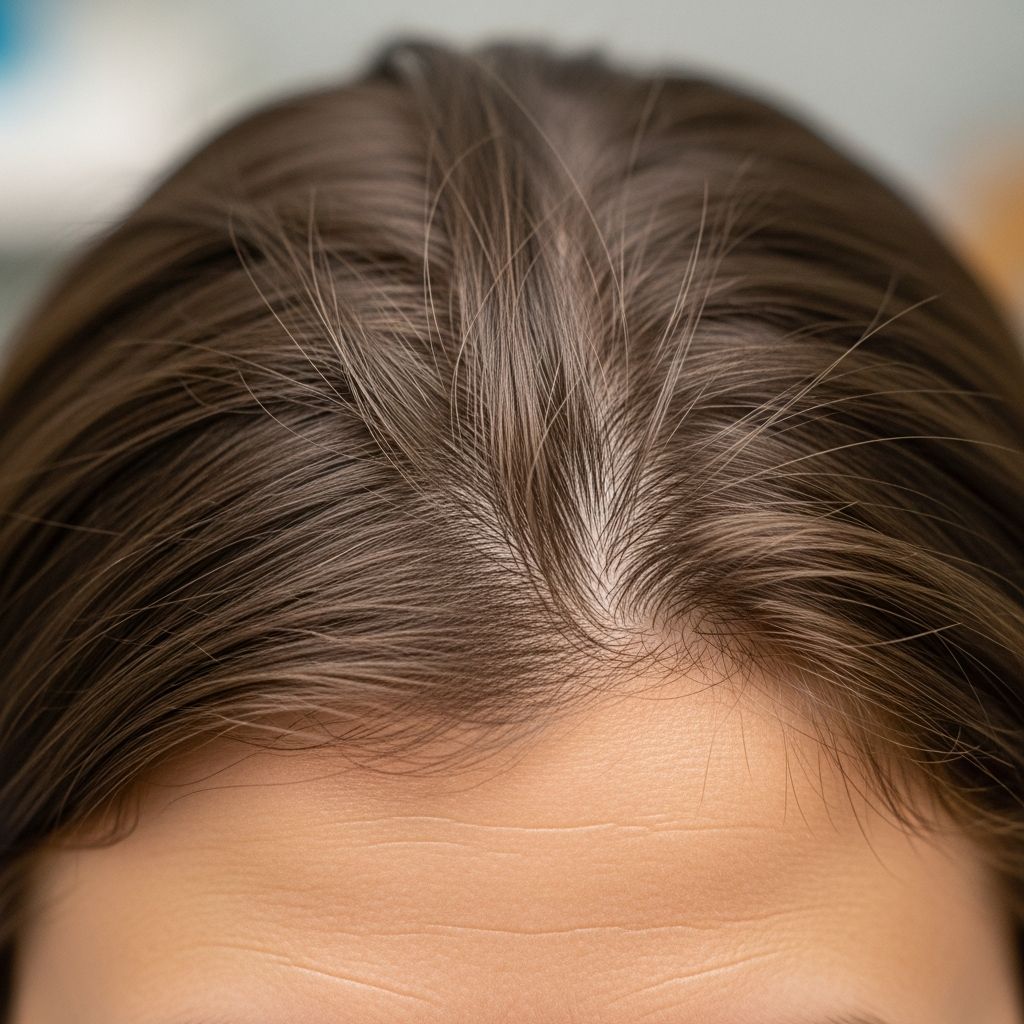
Polycystic ovary syndrome (PCOS) affects up to 10% of women of reproductive age, causing hormonal imbalances that lead to symptoms like irregular periods, acne, excess body hair, and notably, scalp hair loss. This androgenetic alopecia, or female pattern hair loss, manifests as diffuse thinning, particularly at the crown, due to elevated male hormones shrinking hair follicles. While distressing, PCOS hair loss is manageable and often reversible with targeted treatments addressing root causes like high androgens and insulin resistance.
What Is PCOS Hair Loss?
PCOS hair loss refers to the progressive thinning and shedding of scalp hair triggered by polycystic ovary syndrome, a common endocrine disorder. Unlike typical hair shedding (50-100 hairs daily), PCOS disrupts the hair growth cycle—growth (anagen), rest (catagen), and shedding (telogen)—shortening the anagen phase and miniaturizing follicles. Women notice wider parts, less volume, and increased fallout during brushing or washing, often starting in the 20s or 30s. This contrasts with hirsutism (unwanted facial/body hair growth), another PCOS hallmark from the same androgen excess.
Symptoms of Hair Loss From PCOS
Hair loss in PCOS typically presents gradually, allowing early intervention. Key symptoms include:
- Diffuse thinning: Overall scalp hair reduction, most visible at the crown and top, creating a Christmas tree pattern when parted.
- Increased shedding: More than 100 hairs lost daily, noticeable in shower drains, brushes, or pillows.
- Thinner hair texture: Strands become finer, shorter, and brittle, with limp, dry quality.
- Receding hairline: Mild widening at temples in advanced cases, though less common than crown loss.
- Scalp visibility: Scalp shows through more easily due to reduced density.
These differ from circular bald patches (alopecia areata) or total scalp loss (alopecia universalis). Accompanying PCOS signs like acne, weight gain, and irregular cycles often coexist.
Does PCOS Cause Hair Loss?
Yes, PCOS directly causes hair loss in 20-30% of cases through hyperandrogenism—excess androgens like testosterone converting to dihydrotestosterone (DHT). DHT binds follicle receptors, triggering inflammation, fibrosis, and miniaturization, halting growth. Contributing factors amplify this:
- Insulin resistance: Affects 70% of PCOS patients, boosting ovarian androgen production.
- Genetics: Family history increases susceptibility.
- Inflammation: Chronic low-grade inflammation damages follicles.
- SHBG deficiency: Low sex hormone-binding globulin leaves more free androgens.
Unlike male pattern baldness, PCOS hair loss spares the frontal hairline initially but shares the same DHT mechanism.
Why Does PCOS Cause Hair Loss?
The core mechanism: PCOS elevates androgens, which in scalp follicles (rich in 5-alpha reductase enzyme) convert to DHT. This potent androgen shortens the growth phase, prolongs resting, and shrinks follicles over cycles, yielding vellus (fine, short) hairs instead of terminal ones. Insulin resistance worsens this by stimulating ovaries and adrenals for more androgens while impairing liver SHBG production. Stress, poor diet, and deficiencies (iron, zinc, biotin) exacerbate shedding. Virilization effects include hirsutism, deepening voice, but scalp loss stems from follicles’ DHT sensitivity.
Is PCOS Hair Loss Reversible?
Yes, PCOS hair loss is often reversible if addressed early by balancing hormones, halting follicle damage, and promoting regrowth. Success rates: 60-80% see stabilization or improvement within 6-12 months. Full reversal depends on duration—recent loss (under 2 years) regrows better than longstanding miniaturization. Consistency is key; dormant follicles can reactivate with treatment.
Related Stories



When to See a Doctor for PCOS Hair Loss
Consult a doctor if shedding exceeds 100 hairs daily for 3+ months, thinning is visible, or accompanied by PCOS symptoms. Seek gynecologist/endocrinologist for hormone tests (testosterone, DHT, LH/FSH, insulin); dermatologist/trichologist for scalp evaluation. Rule out thyroid issues, anemia, or medications. Early diagnosis prevents irreversible loss.
How Is PCOS Diagnosing?
PCOS diagnosis uses Rotterdam criteria (2 of 3): irregular ovulation, hyperandrogenism (clinical/lab), polycystic ovaries on ultrasound. For hair loss focus: blood tests (total/free testosterone, DHEAS, SHBG, fasting insulin/glucose), scalp biopsy if needed. Ferriman-Gallwey score assesses hirsutism.
Treatment for PCOS Hair Loss
Treatment targets androgens, insulin, and follicles via multimodal approach. Results take 3-12 months; combine for best outcomes.
Medical Treatments
- Oral contraceptives (OCPs): First-line; suppress LH, raise SHBG, reduce free androgens. Brands like Yasmin effective; minimal alopecia reduction alone.
- Anti-androgens: Spironolactone (100-200mg/day) blocks DHT; finasteride (off-label, 2.5-5mg) inhibits 5-alpha reductase. Use with OCPs to prevent birth defects.
- Metformin: Improves insulin sensitivity, lowers androgens; aids weight loss for hormonal balance.
- Minoxidil (5% topical): Vasodilates follicles, prolongs anagen; apply 1ml twice daily. Not for pregnancy.
- Medicated shampoos: Ketoconazole (Nizoral) reduces scalp DHT/inflammation.
Lifestyle Changes
- Diet: Low-glycemic, anti-inflammatory (Mediterranean); high protein/fiber, low dairy/sugar. Aim 5-10% weight loss to cut androgens 10-20%.
- Exercise: 150min/week moderate (HIIT best for insulin); boosts circulation, reduces stress.
- Sleep/stress management: 7-9 hours/night; yoga/meditation lowers cortisol/androgens.
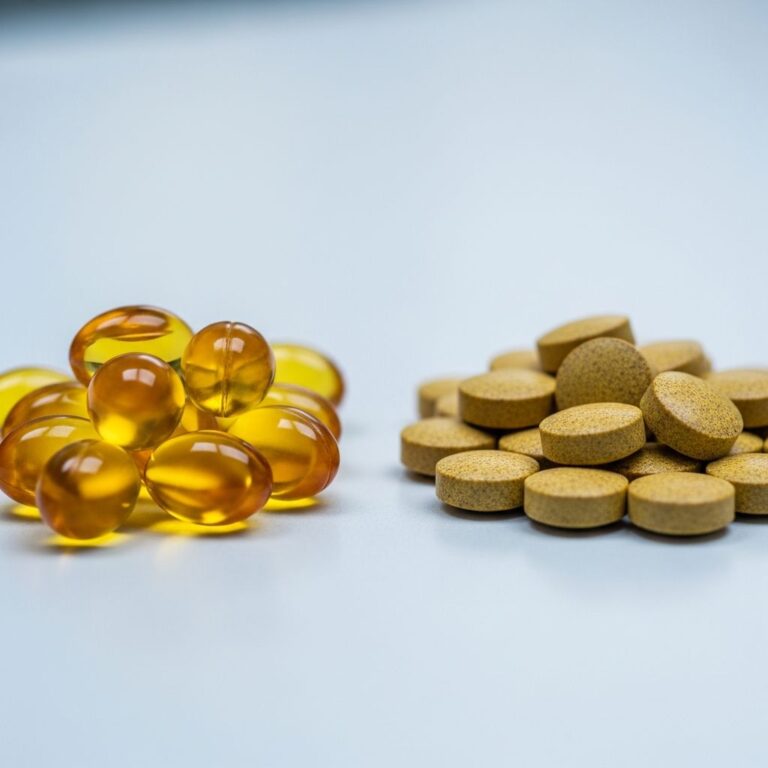
Supplements and Nutrition
| Supplement | Benefits | Dosage |
|---|---|---|
| Iron (if deficient) | Prevents telogen effluvium | 18-65mg elemental/day |
| Biotin/Zinc | Supports follicle health | 5mg biotin, 15-30mg zinc |
| Myo-inositol | Improves insulin, androgens | 2-4g/day |
| Omega-3s | Reduces inflammation | 1-2g EPA/DHA |
Test levels first; consult provider.
Advanced Therapies
- PRP therapy: Injections of platelet-rich plasma stimulate growth factors.
- LLLT: Low-level laser (caps/helmets) boosts ATP in follicles.
PCOS Hair Loss Regrowth Tips
- Gentle care: Daily shampoo/conditioner, avoid heat/chemicals, silk pillowcases.
- Massage scalp 5min/day for circulation.
- Topicals: Rosemary oil mimics minoxidil.
- Track progress with photos/monthly counts.
- Patience: Peaks at 6 months.
Frequently Asked Questions (FAQs)
Can PCOS cause hair loss on the entire head?
No, PCOS causes diffuse thinning, mainly crown/top, not total baldness.
How long does PCOS hair regrowth take?
3-6 months to slow loss; 6-12 for regrowth.
Does birth control help PCOS hair loss?
Yes, by lowering androgens/SHBG increase.
Is minoxidil safe for PCOS hair loss?
Yes, effective topically; avoid if pregnant.
Can diet alone reverse PCOS hair loss?
Supports but insufficient alone; combine with meds.
References
- PCOS Hair Loss: Effective Treatment Options for Hair Loss — Flo Health. 2023. https://flo.health/pcos/pcos-hair-loss
- PCOS Hair Loss: Unveiling Symptoms, Causes, and Treatments — Topline MD. 2024. https://www.toplinemd.com/obgynofmiami/pcos-hair-loss-unveiling-symptoms-causes-and-treatments/
- A Patient’s Guide: Management of Hair Loss in Polycystic Ovary Syndrome — Contemporary OB/GYN. 2022-10-18. https://www.contemporaryobgyn.net/view/patients-guide-management-hair-loss-polycystic-ovary-syndrome
- PCOS Hair Loss: Causes and Treatments — Fertility Family. 2023. https://www.fertilityfamily.co.uk/blog/pcos-hair-loss-causes-and-treatments/
- Can Hair Loss From PCOS Be Reversed? — Hair Restoration Pittsburgh. 2024. https://www.hairrestorationpittsburgh.com/blog/can-hair-loss-from-pcos-be-reversed/
- Treatment: Polycystic Ovary Syndrome — NHS. 2023-07-24. https://www.nhs.uk/conditions/polycystic-ovary-syndrome-pcos/treatment/
- Polycystic Ovary Syndrome (PCOS) — Cleveland Clinic. 2023-07-23. https://my.clevelandclinic.org/health/diseases/8316-polycystic-ovary-syndrome-pcos
Similar Articles








Read full bio of medha deb