PCOS Overview: Symptoms, Causes, and Treatment Options
Complete guide to understanding PCOS: causes, symptoms, diagnosis, and evidence-based treatment strategies.
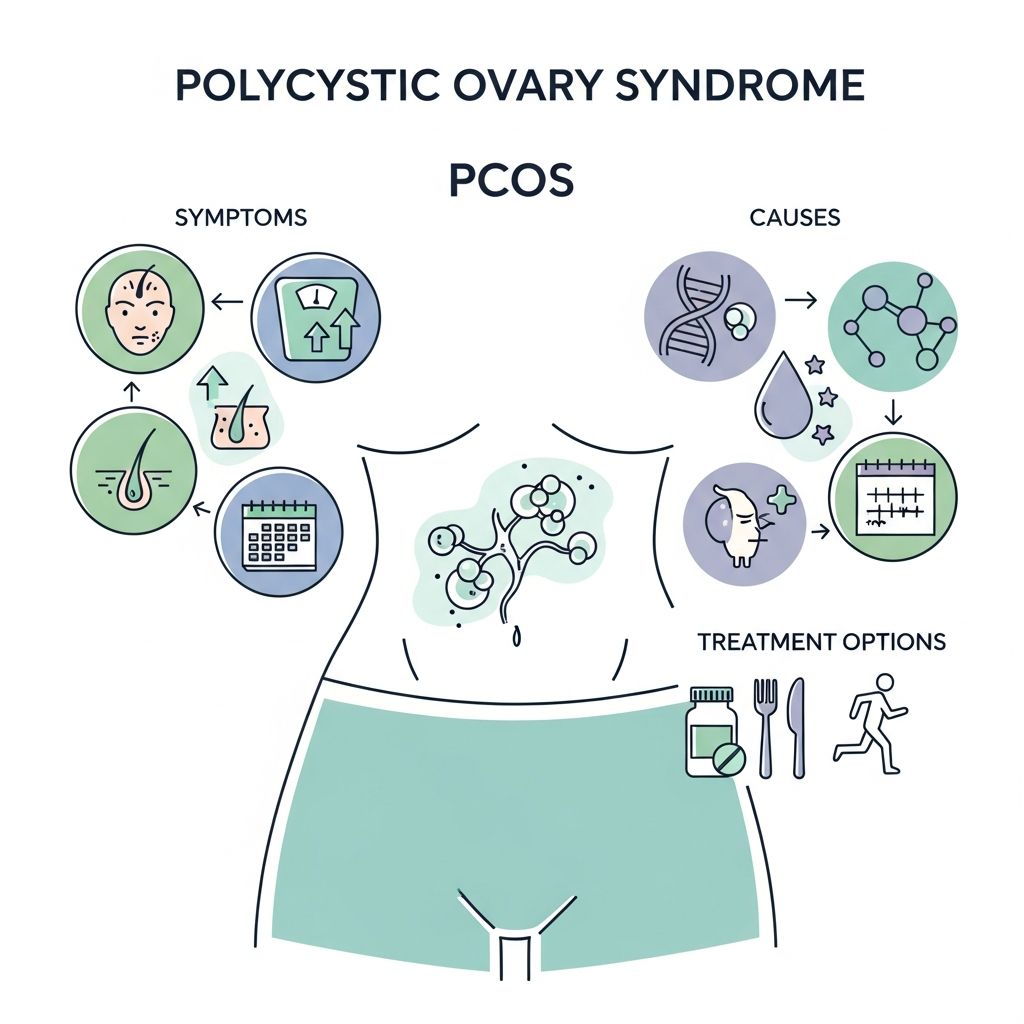
Understanding Polycystic Ovary Syndrome (PCOS)
Polycystic ovary syndrome (PCOS) is a common hormonal and metabolic disorder that affects individuals assigned female at birth during their reproductive years. This complex endocrine condition occurs when the ovaries produce excess hormones, leading to a cascade of physical and metabolic changes that impact menstrual cycles, fertility, and overall health. PCOS is not a single disease but rather a collection of symptoms and signs that develop as a result of hormonal imbalance and insulin resistance.
The condition represents one of the most prevalent endocrine system conditions affecting women of reproductive age, impacting up to 15% of females during their reproductive years. Despite its prevalence, many individuals remain undiagnosed until they experience complications such as infertility, unexplained weight gain, or significant skin changes. Understanding PCOS is essential for early detection and effective management, as the condition can lead to serious health complications if left untreated.
What Causes PCOS?
The exact cause of PCOS remains unknown, but genetic and environmental factors are believed to play significant roles in its development. Research indicates that PCOS is a multifactorial disorder resulting from a combination of inherited predisposition and environmental influences. If a biological parent has PCOS, individuals may be more likely to develop the condition themselves, suggesting a hereditary component.
Multiple risk factors contribute to PCOS development:
- Obesity: One of the most important modifiable risk factors, as excess weight can exacerbate hormonal imbalances and insulin resistance
- Insulin resistance: The body’s inability to respond effectively to insulin, leading to elevated insulin levels that stimulate the ovaries to produce excess androgens
- Gut dysbiosis: An imbalance in gut microbiota composition may increase intestinal permeability and trigger chronic inflammation
- Chronic inflammation: Low-grade systemic inflammation contributes to hormonal dysfunction and insulin resistance
- Environmental pollutants: Exposure to certain chemicals and endocrine-disrupting substances may influence PCOS development
- Dietary factors: Poor nutrition and diet-related metabolic stress can worsen insulin resistance and microbial dysbiosis
- Neuroendocrine alterations: Abnormalities in hormone signaling pathways that regulate ovarian function
The pathophysiology of PCOS involves multiple interconnected mechanisms. Elevated levels of free testosterone and other androgens disrupt normal egg development (folliculogenesis) in the ovaries. The hormonal imbalance shifts the ratio of luteinizing hormone (LH) to follicle-stimulating hormone (FSH), causing the ovaries to produce cysts and fail to release eggs regularly. Additionally, insulin resistance commonly accompanies PCOS and may be a primary driver of androgen excess.
Recognizing PCOS Symptoms
PCOS presents with a wide range of symptoms that vary significantly among individuals. Some people experience severe manifestations that substantially impact quality of life, while others may have mild or no noticeable symptoms. Common symptoms include:
- Irregular menstrual cycles: Periods may be infrequent, absent, or unpredictable in timing and flow
- Excess hair growth (hirsutism): Androgenic hair growth on the face, chest, back, or other body areas due to elevated androgen levels
- Acne and oily skin: Excess androgens increase sebum production, leading to persistent breakouts often resistant to conventional treatments
- Weight gain: Difficulty losing weight or unexplained weight gain, particularly around the abdomen
- Hair loss and alopecia: Androgenic alopecia (pattern hair loss) affecting the scalp
- Infertility: Difficulty conceiving due to irregular or absent ovulation (anovulation)
- Darkened skin patches: Dark, velvety patches of skin (acanthosis nigricans) typically appearing in body folds, indicating insulin resistance
- Mood disorders: Increased rates of depression and anxiety
- Sleep disturbances: Including sleep apnea, particularly in individuals with obesity
Related Stories



It is important to note that you can have PCOS without experiencing all these symptoms. Many individuals have asymptomatic or mildly symptomatic PCOS and remain undiagnosed for years. Some people discover they have PCOS only when investigating infertility or when experiencing gradual weight gain without clear cause. The heterogeneous nature of PCOS means that symptom presentation varies considerably from person to person.
How Is PCOS Diagnosed?
PCOS diagnosis requires a comprehensive approach combining clinical evaluation, symptom assessment, and diagnostic testing. There is no single definitive test for PCOS; rather, diagnosis is based on ruling out other conditions and identifying characteristic patterns. Healthcare providers typically diagnose PCOS when you meet at least two of three diagnostic criteria:
- Irregular or absent menstrual periods and/or evidence of hyperandrogenism (elevated androgen levels or clinical signs such as excess hair growth and acne)
- Polycystic appearance of the ovaries on ultrasound imaging
- Clinical or biochemical evidence of excess androgens without other identifiable causes
The diagnostic process generally includes:
- Medical history: Discussion of menstrual patterns, fertility concerns, weight changes, and family history of PCOS or metabolic disorders
- Physical examination: Assessment for signs of androgen excess (excess body hair, acne, male-pattern hair loss) and metabolic complications
- Blood tests: Measurement of hormone levels including testosterone, DHEA-S, LH, FSH, prolactin, and thyroid function to confirm androgen excess and rule out other conditions
- Glucose and insulin testing: Assessment of fasting glucose, fasting insulin, and glucose tolerance to identify insulin resistance or diabetes
- Pelvic ultrasound: Transvaginal ultrasound examination to visualize ovarian structure and identify the characteristic polycystic appearance with multiple small follicles
Importantly, despite the name “polycystic ovary syndrome,” you do not need to have ovarian cysts visible on ultrasound to receive a PCOS diagnosis. The cysts present in PCOS are not dangerous or painful; they are simply immature follicles that did not ovulate due to hormonal disruption.
PCOS and Fertility
Yes, you can get pregnant if you have PCOS. Although PCOS can make conception more challenging by disrupting ovulation, many individuals with PCOS conceive naturally without intervention. The key is understanding your specific situation and working with healthcare providers to develop an appropriate treatment plan.
For those struggling with PCOS-related infertility, several treatment approaches can help:
- Ovulation-inducing medications: Medications such as clomiphene citrate or letrozole can stimulate ovulation in individuals with anovulation
- Metformin: This insulin-sensitizing medication can improve ovulatory function, particularly in individuals with insulin resistance
- Lifestyle modifications: Weight loss of even 5-10% can restore regular ovulation in many individuals with PCOS and obesity
- Assisted reproductive technologies: In vitro fertilization (IVF) and other advanced reproductive techniques are available for those who do not conceive with first-line treatments
Additionally, PCOS may increase risk for certain pregnancy complications, including gestational diabetes, preeclampsia, and preterm delivery. However, with appropriate monitoring and management, most people with PCOS can successfully carry pregnancies to term.
PCOS Treatment and Management Options
While there is no cure for PCOS, symptoms can be effectively managed through a combination of lifestyle changes and medical treatments. Treatment plans are personalized based on individual symptoms, medical history, and whether pregnancy is desired. The approach often shifts as life circumstances and priorities change.
Lifestyle Modifications
Lifestyle changes form the cornerstone of PCOS management and should be the foundation of any treatment plan:
- Weight management: Even modest weight loss (5-10% of body weight) can significantly improve insulin sensitivity, restore ovulation, and reduce androgen levels
- Dietary changes: A diet rich in whole grains, lean proteins, healthy fats, and fiber while limiting refined carbohydrates and processed foods can improve metabolic function
- Regular physical activity: Aim for at least 150 minutes of moderate-intensity exercise weekly to improve insulin sensitivity and support weight management
- Stress management: Techniques such as meditation, yoga, and counseling can help manage the emotional burden of PCOS and improve overall health
- Sleep optimization: Prioritizing adequate sleep quality and quantity supports metabolic health and hormone regulation
Medical Treatments
Depending on your symptoms and goals, various medications can help manage PCOS:
- Hormonal contraceptives: Birth control pills regulate menstrual cycles, reduce androgen levels, and improve acne and excess hair growth
- Anti-androgen medications: Spironolactone blocks androgen effects, reducing hirsutism and acne
- Metformin: This diabetes medication improves insulin sensitivity, promotes weight loss, and may restore ovulation
- Inositol supplements: Emerging research suggests myo-inositol supplementation may improve ovulatory function and metabolic parameters
- Medications for specific symptoms: Topical treatments for acne, hair removal methods, and medications for other specific symptoms as needed
Treatment selection depends on your primary concerns and reproductive goals. If pregnancy is desired, hormonal contraceptives would not be used; instead, ovulation-stimulating medications would be prioritized. If pregnancy is not immediately desired, hormonal contraceptives and anti-androgen medications may be more appropriate.
PCOS Health Complications
Beyond the primary symptoms of PCOS, the condition increases risk for several serious health conditions due to chronic inflammation, insulin resistance, and hormonal imbalance:
- Type 2 diabetes: Insulin resistance is a hallmark of PCOS, significantly increasing diabetes risk
- High blood pressure: Hypertension develops at higher rates in individuals with PCOS
- Heart disease: The metabolic disturbances in PCOS increase cardiovascular disease risk
- Endometrial cancer: Irregular periods and unopposed estrogen increase endometrial cancer risk
- Sleep apnea: Particularly common in individuals with PCOS and obesity
- Mental health issues: Higher rates of depression, anxiety, and eating disorders
Regular screening for these conditions and proactive management of metabolic risk factors are essential components of PCOS care.
PCOS Across the Lifespan
PCOS is increasingly recognized as a lifelong condition that may manifest even during adolescence, though diagnosis typically occurs in the 20s and 30s when individuals seek fertility evaluation. The symptoms and impact of PCOS may change over time. Many individuals experience symptom improvement with age and particularly after menopause, when hormonal changes often resolve the primary manifestations of PCOS. However, metabolic complications such as insulin resistance may persist or worsen with age if not actively managed.
PCOS versus Endometriosis
PCOS and endometriosis are distinct conditions that are sometimes confused because both can cause ovarian cysts and infertility. However, they differ fundamentally in their underlying causes and presentations. Endometriosis involves the growth of uterine lining tissue in locations outside the uterus, typically causing severe pelvic pain and menstrual cramps. PCOS involves hormonal imbalance and anovulation, typically causing irregular periods without the severe pain characteristic of endometriosis. Some individuals may have both conditions simultaneously, which requires targeted management of each.
Frequently Asked Questions About PCOS
Q: Can I have PCOS without showing any symptoms?
A: Yes, it is possible to have asymptomatic PCOS. Many individuals have no noticeable symptoms and discover PCOS only during fertility evaluation or when investigating other health concerns. Others have mild PCOS where symptoms are not severe enough to cause noticeable problems in daily life.
Q: Is PCOS hereditary?
A: PCOS has a genetic component, meaning if a biological parent has PCOS, you may have an increased risk of developing it. However, genetics alone do not determine whether you develop PCOS; environmental factors and lifestyle also play important roles.
Q: Can PCOS be cured?
A: There is currently no cure for PCOS, but symptoms can be effectively managed through lifestyle modifications and medical treatments. Symptoms often improve with age and frequently resolve after menopause due to natural hormonal changes.
Q: Will PCOS prevent me from getting pregnant?
A: PCOS can make conception more difficult due to irregular ovulation, but it does not prevent pregnancy. Many individuals with PCOS conceive naturally, and various treatments are available to help those who struggle with fertility.
Q: What is the relationship between PCOS and insulin resistance?
A: Insulin resistance is very common in PCOS and may be a primary driver of the condition. High insulin levels stimulate the ovaries to produce excess androgens, leading to many PCOS symptoms. Managing insulin resistance through diet, exercise, and medication is an important part of PCOS treatment.
Q: When should I talk to my healthcare provider about PCOS?
A: If you experience irregular periods, unexplained weight gain, excess hair growth, acne, or difficulty conceiving, discuss these symptoms with your healthcare provider. Early diagnosis and management can prevent complications and improve your quality of life.
References
- Polycystic Ovary Syndrome (PCOS): Symptoms & Treatment — Cleveland Clinic. 2024. https://my.clevelandclinic.org/health/diseases/8316-polycystic-ovary-syndrome-pcos
- Polycystic Ovary Syndrome: Etiology, Current Management, and Future Perspective — International Journal of Molecular Sciences, National Center for Biotechnology Information. 2023. https://pmc.ncbi.nlm.nih.gov/articles/PMC9964744/
Similar Articles








Read full bio of Sneha Tete