PCOS Symptoms: Signs, Causes, and Management
Understanding PCOS symptoms: From irregular periods to hormonal imbalances and effective treatment options.
Understanding Polycystic Ovary Syndrome (PCOS)
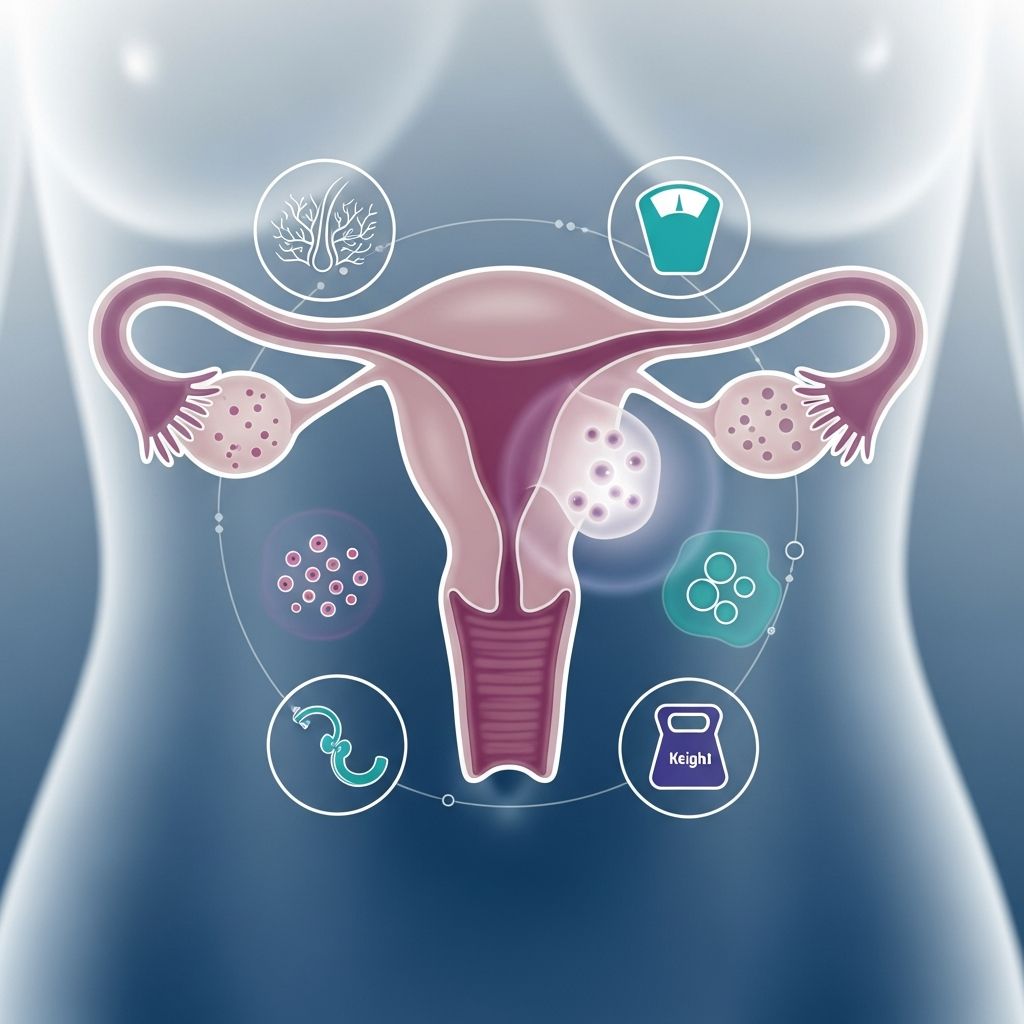
Polycystic ovary syndrome (PCOS) is one of the most prevalent endocrine system conditions affecting women of reproductive age, representing a complex hormonal and metabolic disorder that impacts millions worldwide. This chronic condition occurs when your ovaries produce unusually high levels of male hormones called androgens, leading to a cascade of reproductive and metabolic complications. Despite its name suggesting multiple cysts on the ovaries, you don’t necessarily need to have visible cysts to receive a PCOS diagnosis. Instead, PCOS is characterized by a combination of hormonal imbalances, irregular menstrual cycles, and metabolic dysfunction that can significantly affect your quality of life and fertility.
Common PCOS Symptoms
The symptoms of PCOS vary widely among individuals and often begin around the time of the first menstrual period, though sometimes they develop later after years of regular periods. A diagnosis of PCOS is typically made when you have at least two of the following three primary indicators:
Irregular Menstrual Periods
One of the hallmark symptoms of PCOS is irregular menstrual cycles. Women with PCOS may experience fewer than nine periods per year, with periods occurring more than 35 days apart. Some may have periods that last for many days or longer than is typical, while others may experience missed periods altogether. This menstrual irregularity occurs because the hormonal imbalance prevents the ovaries from releasing eggs on a regular schedule, a process called anovulation. The unpredictability of menstrual cycles can make it difficult to plan activities and can be emotionally taxing for those trying to conceive.
Excess Androgen (Male Hormone) Symptoms
High levels of androgens in the body can manifest in several visible ways. Excess facial and body hair growth, medically known as hirsutism, is one of the most common physical manifestations. Additionally, women with PCOS may experience:
- Severe acne that may be resistant to standard treatments
- Male-pattern baldness or thinning hair on the scalp
- Oily skin and increased skin sensitivity
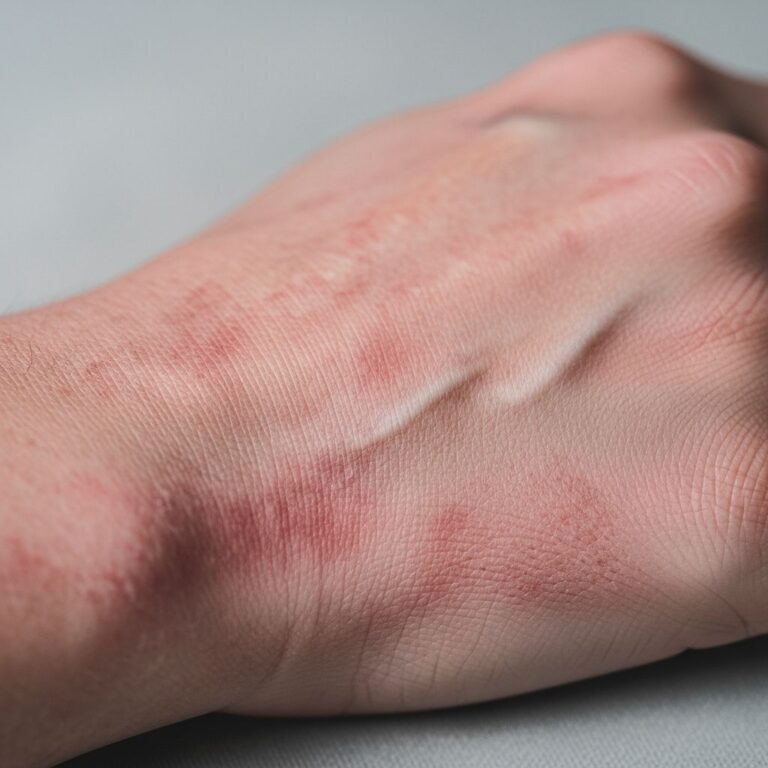
- Darkening of the skin in certain areas due to insulin resistance
Polycystic Ovaries
The third diagnostic criterion involves ovarian changes visible on ultrasound. Women with PCOS typically develop multiple small follicles containing immature eggs along the outer edge of the ovaries, giving them a characteristic “string of pearls” appearance. The ovaries may also be enlarged and fail to function normally, preventing the regular release of eggs necessary for conception.
Additional PCOS Symptoms
Beyond the three primary diagnostic criteria, many women with PCOS experience additional symptoms that can significantly impact their daily lives:
Weight Gain and Difficulty Losing Weight
Weight management is particularly challenging for many PCOS patients due to insulin resistance, a condition where the body doesn’t respond effectively to insulin. This metabolic dysfunction can lead to increased appetite, weight gain, and difficulty losing weight despite dietary efforts. PCOS-related obesity can actually worsen the severity of other symptoms and increase the risk of long-term complications.
Insulin Resistance and Metabolic Signs
Approximately 70% of women with PCOS have insulin resistance, which can manifest as dark, velvety patches of skin (acanthosis nigricans) on the lower part of the neck, armpits, groin, or under the breasts. These patches serve as a visible indicator of underlying metabolic dysfunction. Insulin resistance also contributes to weight gain and increases the risk of developing type 2 diabetes.
Related Stories



Fertility Challenges
Many women discover they have PCOS when attempting to become pregnant and experiencing infertility or difficulty conceiving. The irregular ovulation and hormonal imbalances associated with PCOS make it harder for eggs to develop and be released regularly, directly impacting fertility.
Understanding the Causes of PCOS
While the exact cause of PCOS remains unknown, research has identified several factors that may contribute to its development:
Hormonal Imbalance
The primary cause of PCOS involves excess androgen production by the ovaries and adrenal glands. This hormonal imbalance disrupts the normal feedback loop that regulates ovulation, causing eggs to accumulate in the ovaries rather than being released monthly.
Insulin Resistance
Many women with PCOS have insulin resistance, meaning their cells don’t respond properly to insulin. In response, the pancreas produces more insulin to compensate, and excessive insulin may stimulate the ovaries to produce more androgens. This excess androgen production further interferes with ovulation and contributes to many PCOS symptoms.
Low-Grade Inflammation
Research shows that people with PCOS have a type of long-term, low-grade inflammation that stimulates the ovaries to produce androgens. This chronic inflammatory state can also increase the risk of heart and blood vessel problems, making cardiovascular health a concern for PCOS patients.
Genetic Factors
Research suggests that certain genes may be linked to PCOS development. Having a family history of PCOS or related conditions like type 2 diabetes may increase your risk of developing the syndrome. If your mother or sister has PCOS, your likelihood of developing the condition is higher.
Gut Microbiota and Dysbiosis
Emerging research has identified the dysbiosis of gut microbiota (DOGMA) theory of PCOS, which suggests that poor diet-induced changes in gut bacteria may increase the permeability of the gut lining. This allows lipopolysaccharides from gram-negative bacteria to enter the bloodstream, potentially triggering inflammation and contributing to PCOS development and progression.
Severity and Symptom Variation
It’s important to note that PCOS severity varies considerably among individuals. Some women have no noticeable symptoms and only discover they have PCOS when seeking medical attention for infertility or unexpected weight gain. Others experience mild PCOS where symptoms aren’t severe enough to cause significant concern. However, PCOS signs and symptoms tend to be more severe in people with obesity, making weight management an important aspect of symptom control.
Diagnosis of PCOS
In most cases, healthcare providers can diagnose PCOS after a thorough examination and discussion of your symptoms. To confirm diagnosis, your provider may order:
- Blood tests to measure hormone levels, including androgens and insulin
- Fasting glucose and insulin levels to assess for insulin resistance
- Lipid panel to evaluate cholesterol and triglycerides
- Pelvic ultrasound to visualize the ovaries and count follicles
- Thyroid function tests to rule out other hormonal conditions
Health Complications Associated with PCOS
Beyond the immediate symptoms, untreated or poorly managed PCOS can lead to serious long-term health complications:
Metabolic and Endocrine Complications
- Type 2 diabetes or prediabetes: Early diagnosis and treatment along with weight loss may significantly lower this risk
- Metabolic syndrome: A cluster of conditions including high blood pressure, high blood sugar, and unhealthy cholesterol levels that increase cardiovascular disease risk
- Nonalcoholic steatohepatitis: Severe liver inflammation caused by fat buildup in the liver
Reproductive Complications
- Infertility or difficulty conceiving
- Gestational diabetes during pregnancy
- Pregnancy-induced high blood pressure
- Increased risk of miscarriage or premature birth
Mental Health and Other Concerns
- Depression, anxiety, and eating disorders related to body image concerns
- Sleep apnea, particularly in women with obesity
- Increased risk of cancer of the uterine lining (endometrial cancer)
- Heart disease and blood vessel problems due to chronic inflammation
Treatment and Management Strategies
Treatment for PCOS must be tailored to your individual needs and goals. Your healthcare provider will determine the best approach based on your symptoms, medical history, other health conditions, and whether you wish to become pregnant. Treatment typically combines lifestyle modifications with medical interventions.
Lifestyle Modifications
One of the best ways to manage PCOS is through lifestyle changes. Maintaining a healthy body weight, eating nutritious foods, and exercising regularly can significantly affect hormone levels and help regulate your menstrual cycle while easing symptoms. Even modest weight loss of 5-10% can improve insulin sensitivity and reduce androgen levels, leading to more regular periods and improved fertility.
Dietary Approaches
A balanced diet focusing on whole foods, lean proteins, healthy fats, and complex carbohydrates can help manage insulin resistance and support weight management. Avoiding highly processed foods and refined sugars may help stabilize blood sugar levels and reduce inflammation.
Medical Treatments
If lifestyle modifications alone are insufficient, your healthcare provider may recommend:
- Birth control pills: To regulate menstrual cycles and reduce androgen production
- Anti-androgen medications: To reduce symptoms of excess male hormones
- Metformin: To improve insulin sensitivity and regulate blood sugar
- Fertility medications: If pregnancy is desired, medications like clomiphene or letrozole may help induce ovulation
Addressing Cosmetic Concerns
If excess hair growth or acne is affecting your confidence, cosmetic treatments such as laser hair removal or professional skincare with a dermatologist might be helpful alongside medical management.
PCOS vs. Endometriosis: Understanding the Difference
PCOS and endometriosis are sometimes confused because both can cause ovarian cysts and infertility. However, they are distinct conditions with different underlying causes. Endometriosis occurs when the lining of the uterus grows in other places like the ovaries, vagina, or fallopian tubes, typically causing severe pelvic pain or menstrual cramps. People with PCOS, by contrast, have irregular periods, unpredictable ovulation, and other physical effects due to excess male hormones. A healthcare provider can differentiate between these conditions through proper evaluation and testing.
Frequently Asked Questions About PCOS
Q: Can you have PCOS without symptoms?
A: Yes, it’s entirely possible to have PCOS without experiencing any noticeable symptoms. Many people don’t realize they have the condition until they have trouble getting pregnant or notice unexplained weight gain. Regular screenings are particularly important if you have a family history of PCOS or type 2 diabetes.
Q: Is PCOS curable?
A: PCOS is a chronic condition that cannot be cured, but its symptoms can be effectively managed through a combination of lifestyle changes and medical treatments. Many women successfully control their symptoms and improve their quality of life and fertility prospects with appropriate management.
Q: Can I get pregnant with PCOS?
A: Yes, pregnancy is possible with PCOS, though it may require more planning and medical intervention. Fertility treatments, weight management, and medications to induce ovulation can significantly improve your chances of conceiving. Many women with PCOS successfully become pregnant with appropriate treatment.
Q: How is PCOS diagnosed?
A: PCOS is typically diagnosed when you have at least two of three criteria: irregular periods, signs of excess androgens (excess hair, acne, or elevated hormone levels), and polycystic ovaries visible on ultrasound. Blood tests and imaging help confirm the diagnosis.
Q: What lifestyle changes help manage PCOS?
A: The most effective lifestyle changes include maintaining a healthy body weight, eating a balanced diet rich in whole foods and low in processed foods, exercising regularly, managing stress, and getting adequate sleep. These changes can improve insulin sensitivity and hormone balance.
Q: Does PCOS affect mental health?
A: Yes, PCOS can impact mental health. The physical symptoms, fertility challenges, and body image concerns associated with PCOS can contribute to depression, anxiety, and eating disorders. Mental health support and counseling may be beneficial as part of comprehensive PCOS management.
Taking Action: Next Steps
If you suspect you have PCOS or are experiencing symptoms such as irregular periods, excess hair growth, acne, or difficulty conceiving, it’s important to talk to your healthcare provider about your concerns. Early diagnosis and treatment along with weight loss and lifestyle modifications may lower your risk of long-term complications such as type 2 diabetes and heart disease. While PCOS can be frustrating and challenging, with proper management and support from qualified healthcare professionals, you can effectively control your symptoms and improve your overall health and quality of life. Remember that PCOS affects each person differently, so treatment must be individualized to your specific needs and goals.
References
- PCOS (Polycystic Ovary Syndrome): Symptoms & Treatment — Cleveland Clinic. 2024. https://my.clevelandclinic.org/health/diseases/8316-polycystic-ovary-syndrome-pcos
- Polycystic Ovary Syndrome (PCOS) — Symptoms and Causes — Mayo Clinic. 2022-09-08. https://www.mayoclinic.org/diseases-conditions/pcos/symptoms-causes/syc-20353439
- Polycystic Ovary Syndrome: Etiology, Current Management, and Future Perspective — National Center for Biotechnology Information (NCBI). https://pmc.ncbi.nlm.nih.gov/articles/PMC9964744/
Similar Articles








Read full bio of Sneha Tete