Peak Flow Meters: 5-Step Guide For Accurate Asthma Monitoring
Discover how peak flow meters empower asthma patients to monitor lung function, detect early warnings, and take control of their respiratory health effectively.
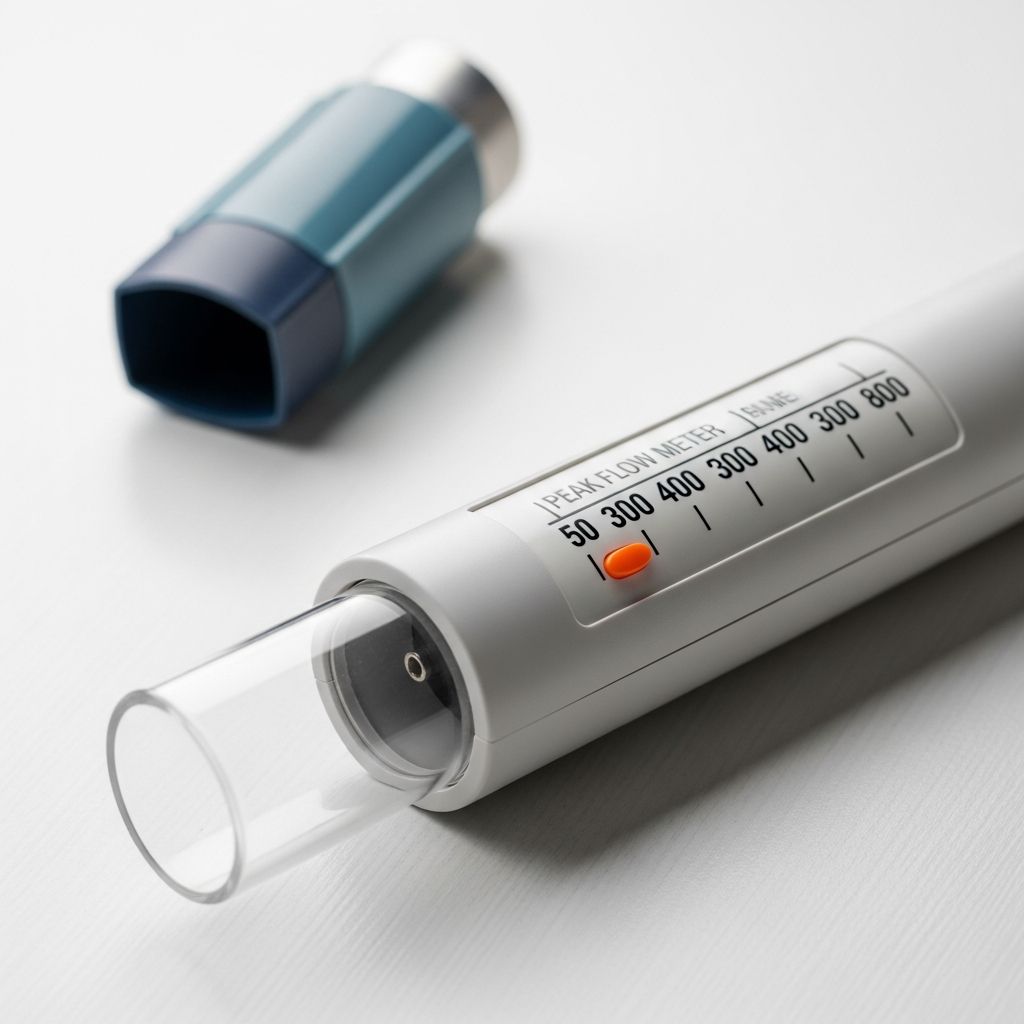
Peak flow meters serve as vital tools in asthma care, offering a quick and reliable way to gauge lung function by measuring the maximum speed of exhaled air. These portable devices enable individuals with asthma to track changes in airway patency, often identifying issues before noticeable symptoms arise, thus facilitating proactive treatment adjustments.
Understanding the Role of Peak Flow Meters in Respiratory Health
A peak flow meter quantifies peak expiratory flow rate (PEFR), expressed in liters per minute (L/min), which reflects the degree of airway obstruction. For those with moderate to severe asthma, regular monitoring reveals subtle declines in lung performance that might precede coughing, wheezing, or shortness of breath.
Unlike subjective symptom assessment, this objective metric provides concrete data. Healthcare providers use it to evaluate treatment efficacy, adjust medications, and tailor asthma action plans. Patients benefit by recognizing personal patterns, such as diurnal variations where nighttime readings often dip, signaling poorer control.
How Peak Flow Meters Function and Their Key Benefits
These handheld instruments feature a mouthpiece connected to a scaled indicator. A forceful, rapid exhalation propels a lightweight vane or digital sensor, registering the peak velocity of airflow. This simple process yields immediate results, empowering daily self-management.
- Early Detection: Readings can drop prior to symptom onset, allowing timely intervention.
- Treatment Response: Pre- and post-inhaler measurements verify medication effectiveness.
- Severity Assessment: Helps classify asthma control and guide therapy modifications.
- Trigger Identification: Tracks impacts from allergens, exercise, or infections.
Consistent use fosters better physician-patient collaboration, refining management strategies for sustained control.
Step-by-Step Guide to Accurate Peak Flow Measurement
Proper technique ensures reliable data. Follow these steps for consistency:
- Stand upright with feet shoulder-width apart.
- Seal lips tightly around the mouthpiece.
- Take a deep breath, filling lungs fully.
- Blast air out in a single, fast huff without blocking the device.
- Record the highest of three consecutive tries.
Perform readings in the morning before medications, during symptoms, post-rescue inhaler, and as provider-directed. Children may require supervision for optimal form.
| Common Mistakes | Correct Approach |
|---|---|
| Shallow breaths or slow exhalation | Maximize lung inflation and explosive exhale |
| Poor mouthpiece seal | Lips form airtight closure |
| Not repeating blows | Take best of three attempts |
| Dirty device | Clean per manufacturer guidelines |
Avoid eating, exercising, or smoking 30 minutes prior to testing for baseline accuracy.
Establishing Your Personal Best Peak Flow
The cornerstone of interpretation is your “personal best,” the highest PEFR achieved over two weeks of stable asthma control, absent symptoms. This individualized benchmark trumps generic charts, accommodating variations by age, height, sex, and ethnicity.
Related Stories



To determine it:
- Monitor twice daily (morning and evening) for 14 days.
- Average the top readings from symptom-free periods.
- Recalibrate periodically, especially as children grow or control improves.
Variability under 15% indicates good stability; greater fluctuations warrant review.
Interpreting Results with the Traffic Light System
Asthma action plans divide readings into zones relative to personal best:
| Zone | % of Personal Best | Action |
|---|---|---|
| Green (Good) | 80-100% | Maintain controller meds; continue routine. |
| Yellow (Caution) | 50-80% | Add quick-relief inhaler; contact provider if persistent. |
| Red (Danger) | <50% | Use rescue meds immediately; seek emergency care if no improvement. |
This system simplifies decision-making. For example, yellow zone persistence signals escalating inflammation needing steroids or plan revision.
Integrating Peak Flow Monitoring into Daily Asthma Routines
Incorporate checks at key times: upon waking, pre-bedtime, symptom onset, and post-exercise. Log results in apps, diaries, or charts to spot trends like pre-menstrual drops or seasonal declines.
Pair with symptom diaries for comprehensive tracking. Share logs during visits to optimize therapies, reducing exacerbations and enhancing quality of life.
Choosing and Maintaining the Right Peak Flow Meter
Devices vary: mechanical sliders are affordable and durable; digital versions offer data storage and alerts. Select based on age—smaller mouthpieces suit kids—and provider endorsement.
Care involves weekly washing with mild soap, air drying, and avoiding submersion unless specified. Replace yearly or if readings seem inaccurate. Cost ranges $15-50, often available at pharmacies.
Special Considerations for Children and Varied Populations
Pediatric use demands fun incentives and parental guidance to ensure effort. Norms rise with growth, necessitating frequent personal best updates.
Athletes or elderly users adapt techniques for strength limits. Those with severe persistent asthma derive most value, though all moderate cases benefit.
Leveraging Peak Flow Data in Asthma Action Plans
Action plans outline zone-specific steps, integrating peak flow with symptoms and meds. Providers customize based on history, triggers, and comorbidities.
Digital integration via apps syncs data to clouds for remote monitoring, alerting caregivers to anomalies.
Frequently Asked Questions (FAQs)
What if my peak flow varies daily?
Normal variation is <15%; larger swings indicate instability—consult your doctor.
Can peak flow replace spirometry?
No, spirometry measures total capacity; peak flow is for home monitoring.
Is it safe during pregnancy?
Yes, vital for managing asthma risks to mother and baby—discuss with OB-GYN.
How often should I replace my meter?
Annually or if damaged; calibrate if digital.
What affects readings?
Posture, effort, mucus, or device cleanliness—standardize conditions.
Advanced Insights from Clinical Research
Studies affirm peak flow’s role in reducing hospitalizations via early detection. NCBI reviews highlight its objectivity in airflow limitation assessment, aiding precise control.
Longitudinal tracking reveals nocturnal dips correlating with poor sleep and daytime fatigue, prompting controller tweaks.
References
- What is a Peak Flow Meter? — Alamo Asthma & Allergy Associates. Accessed 2026. https://www.alamoasthma.com/piko.shtml
- Peak Flow Meter (Pfm) — Florida Center For Allergy & Asthma Care. Accessed 2026. https://florida-allergy.com/glossary/peak-flow-meter-pfm/
- Asthma: Using a Peak Flow Meter — Stanford Children’s Health. Accessed 2026. https://www.stanfordchildrens.org/en/topic/default?id=asthma-using-a-peak-flow-meter-85-P00027
- Peak Flow Meter: How To Use, Measurement & Results — Cleveland Clinic. 2023-10-25. https://my.clevelandclinic.org/health/treatments/peak-flow-meter
- Peak Flow Meter Defined — American Academy of Allergy, Asthma & Immunology (AAAAI). Accessed 2026. https://www.aaaai.org/tools-for-the-public/allergy,-asthma-immunology-glossary/peak-flow-meter-defined
- How to Use Your Peak Flow Meter — University of Florida Health (.edu). Accessed 2026. https://ufhealth.org/care-sheets/how-to-use-your-peak-flow-meter
- Measuring Your Peak Flow Rate — American Lung Association. Accessed 2026. https://www.lung.org/lung-health-diseases/lung-disease-lookup/asthma/treatment/devices/peak-flow
- Peak Flow Rate Measurement — StatPearls, NCBI Bookshelf, NIH (.gov). 2023-08-08. https://www.ncbi.nlm.nih.gov/sites/books/NBK459325/
Similar Articles








Read full bio of medha deb