PB&J Sandwich Blood Sugar Effect: Guide To Reduce Blood Sugar Spikes
Does the classic PB&J sandwich spike your blood sugar? Experts reveal the truth and healthier ways to enjoy it.
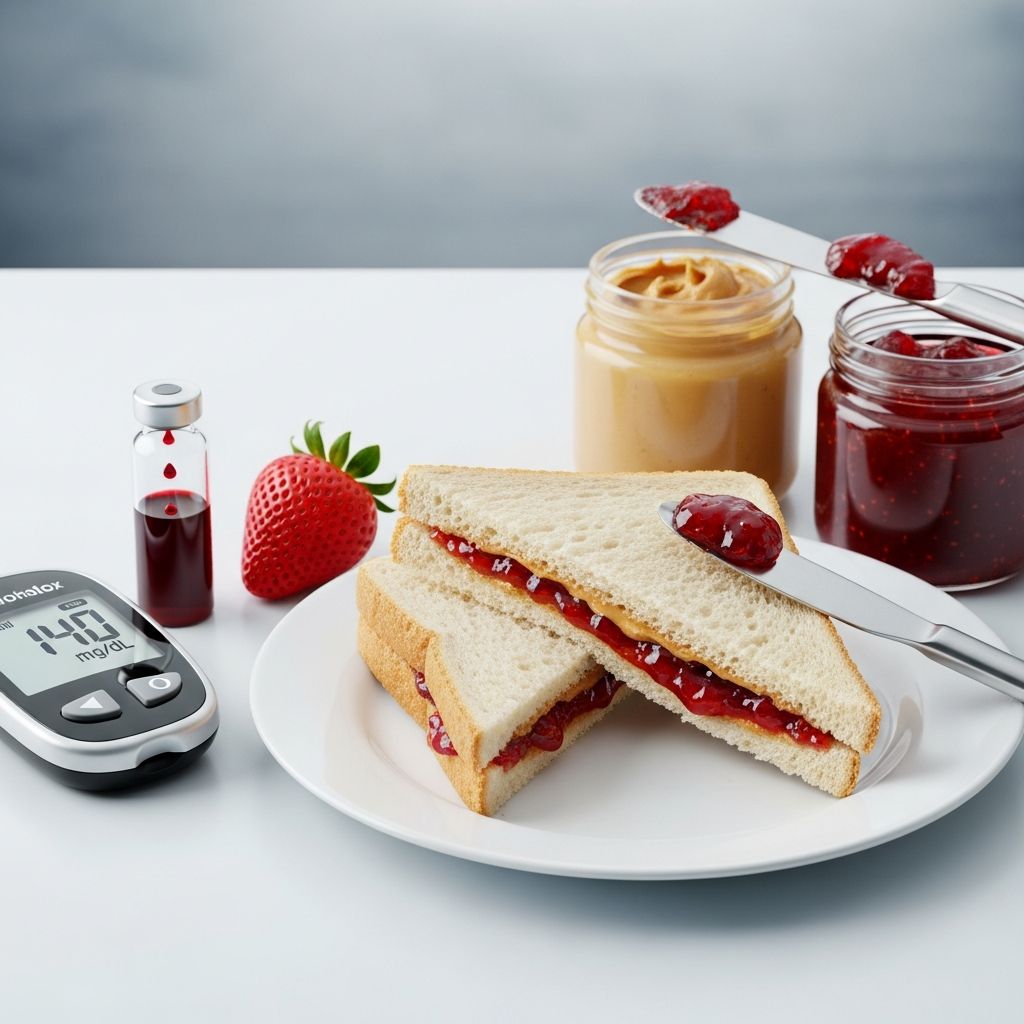
The classic peanut butter and jelly (PB&J) sandwich is a beloved staple, but its impact on blood sugar raises concerns, especially for those managing diabetes or insulin resistance. While the combination of protein-rich peanut butter, sugary jelly, and carb-heavy bread can cause blood glucose spikes, strategic choices can make it a balanced option.
What Is the ‘Peanut Butter and Jelly Sandwich Effect’ on Blood Sugar?
The ‘PB&J effect’ describes how this simple sandwich influences glycemic response. Jelly’s high sugar content delivers quick carbs, bread adds more, potentially leading to rapid blood sugar rises. Peanut butter’s fats and proteins slow this, moderating the spike compared to jelly on bread alone. A standard PB&J packs 45-60g carbs, 350-500 calories, which can exceed daily limits for blood sugar control.
Studies show whole ingredients blunt spikes better than refined ones. For instance, natural peanut butter’s unsaturated fats delay digestion, while whole grain bread’s fiber slows absorption.
Nutritional Breakdown of a Classic PB&J Sandwich
A typical PB&J on white bread with 2 tbsp each of peanut butter and jelly offers:
| Nutrient | Amount per Sandwich | % Daily Value* |
|---|---|---|
| Calories | 350-500 | 18-25% |
| Carbohydrates | 45-60g | 16-22% |
| Protein | 13-15g | 26-30% |
| Fat | 18-20g | 23-26% |
| Fiber | 3-5g (if whole grain) | 11-18% |
| Sugar | 20-30g | 40-60% |
*Based on 2,000-calorie diet. Data synthesized from health analyses. High carbs from bread and jelly drive spikes, but protein/fat from peanut butter tempers it.
How Does PB&J Affect Blood Sugar in Diabetics?
For diabetics, PB&J can fit into a meal plan if modified. The sandwich’s 50g carbs may raise blood glucose 50-100 mg/dL post-meal, depending on portions and individual factors. Protein (13.4g) and fat (18g) create a lower glycemic load than carb-only foods.
UnityPoint Health notes it’s viable with whole grain bread, minimal spreads, and fruit swaps like sliced apples for jelly, reducing sugar while adding fiber. Virta Health emphasizes keeping total daily carbs under 100g for stability.
- Pros for diabetics: Protein/fiber slow digestion; heart-healthy fats.
- Cons: High glycemic index if refined; calorie-dense.
Glycemic Index of PB&J Ingredients
Individual components vary:
- Bread: White (70-75 GI, high spike); whole wheat (50-60 GI, moderate).
- Jelly: 55-65 GI due to sugars; no-sugar versions lower.
- Peanut butter: Low GI (~14), fats blunt overall response.
Combined, PB&J’s effective GI drops to moderate (45-55) with healthy picks, per glycemic analyses.
Healthier Swaps to Minimize Blood Sugar Spikes
Transform PB&J into a blood sugar-friendly meal:
- Choose natural nut butters: Avoid hydrogenated oils, sugars; opt for those with just nuts/seeds (190-200 cal/2 tbsp, 18g healthy fat, 5-8g protein). Sunbutter works for nut allergies.
- Low-sugar jelly: Half calories (25-30/tbsp); use thinly.
- Whole grain bread: 150 cal/slice, added fiber for digestion/heart health.
- Fruit alternatives: Banana slices or apples replace jelly’s sugar.
- Portion control: 1 tbsp each spread; thin layers limit carbs/fats.
Related Stories



Powdered peanut butter cuts fat/calories while retaining protein.
Sample Healthy PB&J Recipes for Blood Sugar Control
Diabetic-Friendly PB&J
- 2 slices whole wheat bread (fiber-rich).
- 1 tbsp natural peanut butter.
- 1 tbsp no-sugar-added jelly or mashed berries.
- Nutrition: ~300 cal, 30g carbs, 12g protein, 15g fat.
Low-Carb Power PB
- Low-carb tortilla or cloud bread.
- 2 tbsp powdered PB (reconstituted).
- Sliced strawberries.
- Nutrition: ~200 cal, 15g carbs.
Expert Tips from Dietitians
Tricia Leininger, UnityPoint Health dietitian, advises checking labels: avoid palm oil, HFCS; stir natural butters. Pair with veggies or protein for balance. For kids, whole wheat frozen versions exist. Monitor post-meal glucose; consult doctors/dietitians.
Common Myths About PB&J and Blood Sugar
- Myth: PB&J always spikes sugar wildly. Fact: Healthy versions moderate it.
- Myth: Reduced-fat PB is better. Fact: Similar calories, less healthy fats.
- Myth: Not for diabetics. Fact: Yes, portioned right.
Frequently Asked Questions (FAQs)
Is PB&J good for diabetics?
Yes, with whole grain bread, natural PB, low-sugar jelly, and portions under 45g carbs. It provides protein/fiber for steady glucose.
How many carbs in a PB&J sandwich?
About 50g total, 13.4g protein, 18g fat. Keep daily carbs <100g for control.
Does peanut butter lower blood sugar spikes?
Yes, its fats/protein slow carb absorption from bread/jelly.
What’s a healthy PB&J for blood sugar?
Natural PB, no-sugar jelly, whole wheat bread, thin layers.
Can PB&J be low glycemic?
Yes, effective GI 45-55 with swaps vs. 70+ for classic.
Monitoring Your Response
Use CGMs to track personal spikes. Factors like activity, insulin sensitivity vary effects. Aim for post-meal glucose <140 mg/dL.
In summary, PB&J needn’t derail blood sugar management. Smart choices make it nutritious and enjoyable.
References
- Make a Healthy Peanut Butter and Jelly Sandwich — UnityPoint Health. 2023. https://www.unitypoint.org/news-and-articles/make-a-healthy-peanut-butter-and-jelly-sandwich–unitypoint-health
- How many carbs in peanut butter jelly sandwich? — Virta Health. 2025-10-09. https://www.virtahealth.com/how-many-carbs/peanut-butter-jelly-sandwich
- Peanut Butter and Jelly Sandwich (1 Sandwich) | Glucose Response — Ultrahuman. N/A. https://ultrahuman.com/ogdb/peanut-butter-and-jelly-sandwich
Similar Articles








Read full bio of medha deb