Why Peanut Butter is Healthy Despite Saturated Fat
Understanding how peanut butter fits into a healthy diet despite its saturated fat content.
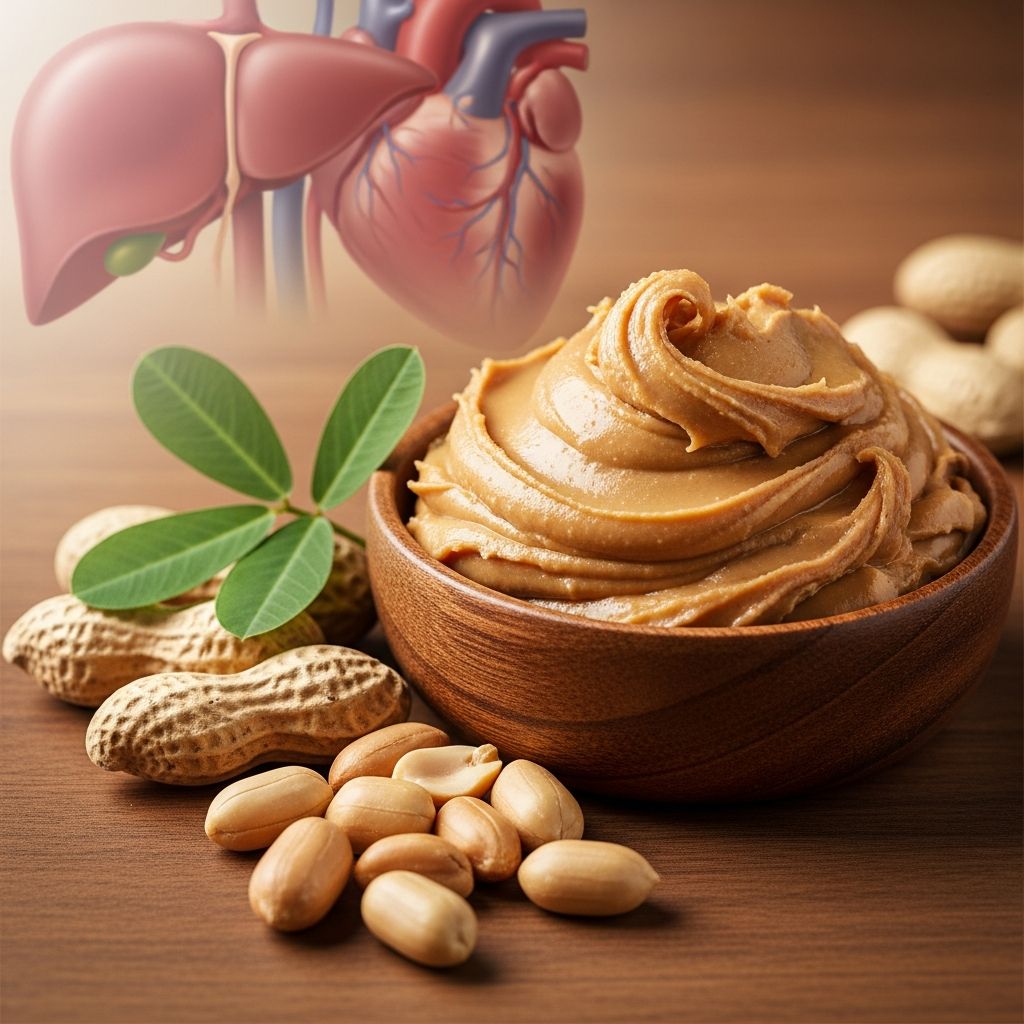
Why Is Peanut Butter Healthy if It Has Saturated Fat?
Peanut butter has long been a dietary staple in many households, appreciated for its rich flavor and versatility. However, a common question arises among health-conscious consumers: if peanut butter contains saturated fat, how can it be considered a healthy food? This apparent contradiction has puzzled many people trying to make informed nutritional choices. Dr. Walter C. Willett, a nationally recognized nutrition expert and member of Harvard Heart Letter’s editorial board, provides clarity on this important nutritional question. The answer lies not in focusing on a single nutrient, but rather in understanding the complete nutritional profile of foods and how different types of fats affect our bodies.
Understanding the Whole Package of Nutrients
The fundamental principle behind peanut butter’s health benefits is that no single nutrient determines whether a food is healthy or unhealthy. Instead, it’s the comprehensive nutritional composition that matters. Dr. Willett emphasizes that the presence of saturated fat doesn’t automatically classify a food as unhealthy. Surprisingly, many foods commonly recognized as healthy contain saturated fat, including olive oil, wheat germ, and tofu. These foods are still considered nutritious because their overall nutrient profiles provide substantial health benefits.
The key to understanding peanut butter’s nutritional value is recognizing that it contains far more unsaturated fat than saturated fat. A typical 2-tablespoon serving of peanut butter contains 3.3 grams of saturated fat and 12.3 grams of unsaturated fat, creating a favorable ratio that actually compares well with olive oil. This composition is crucial to understanding why peanut butter deserves a place in a balanced diet despite its saturated fat content.
The Ratio of Fats: What Really Matters
Unsaturated Fats vs. Saturated Fats
When examining peanut butter’s nutritional profile, the ratio of unsaturated to saturated fat is remarkably favorable. The predominance of unsaturated fats in peanut butter, particularly monounsaturated and polyunsaturated fats, provides significant cardiovascular benefits. These healthy fats help lower LDL cholesterol while supporting overall heart health. The presence of saturated fat in peanut butter is modest enough that it shouldn’t overshadow the substantial benefits provided by the unsaturated fats.
Dr. Willett notes that saturated fat is often portrayed as far more dangerous than current scientific evidence supports. While excessive saturated fat consumption can contribute to cardiovascular problems, moderate amounts of saturated fat are not inherently toxic. The body’s response to saturated fat in food is to increase both harmful LDL cholesterol and protective HDL cholesterol. In moderation, this metabolic response poses minimal health risk. However, consuming excessive amounts of saturated fat can promote artery-clogging atherosclerosis, the underlying process behind most cardiovascular disease.
The Saturated Fat Reality
Modern nutritional science has moved away from the simplistic view that all saturated fat is equally harmful. Research shows that the type and amount of saturated fat matters significantly. When saturated fat is consumed as part of a food rich in beneficial nutrients—as is the case with peanut butter—the overall health impact can be positive. The balanced fat profile in peanut butter means that when consumed in reasonable portions, it contributes to a healthy diet rather than detracting from it.
Additional Nutritional Benefits Beyond Fat
Peanut butter provides numerous health benefits that extend far beyond its favorable fat composition. Understanding these additional nutrients explains why nutritional experts recommend peanut butter as part of a balanced diet.
Related Stories



Fiber Content
Peanut butter contains dietary fiber, which plays an important role in digestive health and blood sugar regulation. Fiber helps slow the absorption of sugars and promotes feelings of fullness, making peanut butter a satisfying food that can help with weight management. The fiber content also supports healthy cholesterol levels and digestive function.
Vitamins and Minerals
Beyond fats and fiber, peanut butter delivers an array of essential vitamins and minerals. It is particularly rich in potassium, an important mineral for maintaining healthy blood pressure and supporting cardiovascular function. Peanut butter also contains vitamin E, an antioxidant that protects cells from damage, as well as B vitamins, magnesium, zinc, and folate. These nutrients work together to support overall health and prevent chronic diseases.
Potassium-to-Sodium Ratio
One particularly important nutritional advantage of peanut butter is its potassium-to-sodium ratio. Unsalted peanut butter has an exceptionally favorable potassium-to-sodium balance, which actively counters the harmful cardiovascular effects of sodium surplus. Even salted peanut butter maintains approximately twice as much potassium as sodium, making it a relatively sodium-conscious choice among processed foods. This favorable mineral ratio contributes to cardiovascular health and helps regulate blood pressure.
Scientific Research Supporting Peanut Butter’s Health Benefits
Extensive scientific research from prestigious institutions like Harvard has demonstrated that peanut butter consumption offers significant health benefits. Large-scale population studies have examined the relationship between peanut and peanut butter consumption and various health outcomes, providing compelling evidence for its nutritional value.
Type 2 Diabetes Prevention
Harvard School of Public Health researchers conducted a groundbreaking study involving over 83,000 female nurses followed for an average of 16 years. The results, published in the Journal of the American Medical Association, showed that consuming just a half serving (one tablespoon) of peanut butter or a full serving of peanuts five or more times weekly is associated with a 21% and 27% reduced risk of developing type 2 diabetes, respectively. This relationship between peanut butter consumption and diabetes prevention is linear—higher consumption provides greater protective benefits. Women consuming five tablespoons of peanut butter weekly can reduce their type 2 diabetes risk by over 20%.
The protective effects are thought to result from peanut butter’s fatty acid composition, combined with its fiber content and magnesium levels. These components work together to decrease insulin resistance, a key factor in type 2 diabetes development.
Cardiovascular Health
Research also demonstrates that regular peanut butter and nut consumption can reduce the risk of heart disease by 25-50%. Other large population studies, including the Adventists Health Study, the Iowa Women’s Health Study, and the Physicians Health Study, all show a linear relationship between cardioprotective benefits and peanut butter, nut, and peanut consumption. These studies examined eating patterns in both men and women, confirming that small, frequent servings of peanut butter and nuts provide significant cardiovascular protection.
Choosing the Right Peanut Butter
When selecting peanut butter to maximize health benefits, certain considerations can help optimize your nutritional intake.
Sodium Content Considerations
Most dietary sodium comes from prepared foods, making it important to monitor intake. Choosing peanut butters labeled “unsalted” or “no salt added” allows you to control sodium consumption while still enjoying peanut butter’s nutritional benefits. These varieties maintain all the healthy fats, fiber, and minerals while minimizing sodium content.
Avoiding “Reduced Fat” Options
While “reduced fat” peanut butter varieties might seem like a healthier choice, they often contain added sugars and other ingredients that compensate for removed fats. Importantly, “reduced fat” does not mean reduced calories. Standard peanut butter, despite its fat content, remains a better nutritional choice than artificially modified versions. The healthy unsaturated fats removed in reduced-fat versions are precisely what provides many of peanut butter’s health benefits.
Trans Fat Concerns
USDA research shows that all peanut butters, including commercial and natural brands, contain at least 90% peanuts with minimal salt and sugar added for taste. Importantly, all peanut butters have undetectable levels of trans fats despite some labels listing partially hydrogenated oil as a minor ingredient. This means consumers can confidently choose any commercial peanut butter variety without worrying about harmful trans fat consumption.
Incorporating Peanut Butter into a Healthy Diet
With understanding of peanut butter’s nutritional benefits, incorporating it into daily nutrition becomes straightforward. Rather than treating peanut butter as an indulgence, it should be recognized as a nutritious food choice comparable to other healthy options.
Practical Dietary Recommendations
Dr. Frank Hu, Associate Professor of Nutrition and Epidemiology at Harvard School of Public Health, recommends using peanut butter instead of butter or cream cheese on bread or crackers. Similarly, snacking on peanuts or mixed nuts instead of less nutritious alternatives like rice cakes or refined crackers satisfies hunger while providing beneficial nutrients. To avoid increasing overall caloric intake, regular nut and peanut butter consumption can replace refined grain products or red and processed meats in the diet.
The flexibility of peanut butter makes it easy to incorporate small amounts into healthful diets daily. Whether spread on whole grain toast, mixed into smoothies, used as a dip for fresh vegetables, or added to cooking and baking, peanut butter offers convenient nutrition without requiring special preparation.
The Modern Understanding of Dietary Fat
Contemporary nutritional science has evolved significantly from earlier assumptions about dietary fat. Researchers now understand that different types of fat have fundamentally different health effects. Polyunsaturated fats, particularly those found in plant sources like peanuts, reduce the risk of heart disease and prevent insulin resistance. Replacing saturated fat with refined carbohydrates, however, does not reduce heart disease risk, making the choice between types of fat particularly important.
When comparing different fats and their health impacts, research indicates that polyunsaturated fats are more beneficial to heart health than other major macronutrients. Saturated fat, when compared to the average American diet, appears relatively neutral from a cardiovascular health perspective. This nuanced understanding explains why foods like peanut butter—despite containing some saturated fat—remain highly recommended by nutrition experts.
Frequently Asked Questions
Q: How much peanut butter should I eat daily for health benefits?
A: Research suggests that a half serving (one tablespoon) of peanut butter consumed five or more times weekly provides significant health benefits, particularly for diabetes prevention. This modest amount can be easily incorporated into daily meals without excessive calorie consumption.
Q: Is natural peanut butter healthier than commercial varieties?
A: Both natural and commercial peanut butters contain at least 90% peanuts with minimal additives. USDA research confirms that all varieties have undetectable trans fat levels and similar nutritional profiles. Your choice can be based on personal preference rather than perceived health differences.
Q: Can people with high cholesterol eat peanut butter?
A: Yes. The unsaturated fats in peanut butter help lower LDL cholesterol while supporting HDL cholesterol. In fact, peanut butter consumption is associated with improved cardiovascular health markers in research studies.
Q: Does the saturated fat in peanut butter increase heart disease risk?
A: No. The saturated fat content is modest compared to the beneficial unsaturated fats, creating a favorable overall nutritional profile. When consumed as part of a balanced diet, peanut butter has been shown to reduce heart disease risk.
Q: Is peanut butter safe for weight management?
A: Yes. Despite its fat content, peanut butter’s combination of healthy fats, protein, and fiber promotes satiety and can support weight management when used as a replacement for less nutritious foods.
Conclusion
Peanut butter deserves its reputation as a healthy food despite its saturated fat content because it exemplifies how nutritional science has moved beyond simplistic categorization of individual nutrients. The complete nutritional package—featuring predominantly unsaturated fats in favorable ratios, significant fiber, essential vitamins and minerals, and a beneficial potassium-to-sodium ratio—makes peanut butter a genuinely healthful choice. Extensive research from Harvard and other institutions confirms that regular consumption reduces the risk of type 2 diabetes and heart disease. By understanding that food healthiness depends on overall nutrient composition rather than single components, consumers can confidently include peanut butter in their balanced diets.
References
- Harvard’s Study on Peanut Butter — Harvard Heart Letter, Walter C. Willett, MD, DrPH. 2009-07. https://www.health.harvard.edu/nutrition/ask-the-doctor-why-is-peanut-butter-healthy-if-it-has-saturated-fat
- Harvard Study Shows Half Serving of Peanut Butter or Full Serving of Peanuts Eaten Daily Significantly Cuts Risk of Type 2 Diabetes — Harvard School of Public Health, Frank Hu, MD, PhD. 2002-11-27. https://hsph.harvard.edu
- Is Butter Really Back? — Harvard T.H. Chan School of Public Health. 2024. https://hsph.harvard.edu/news/is-butter-really-back/
- The Nurses’ Health Study: A Cohort of 83,000 Women Followed for 16 Years — Brigham and Women’s Hospital, Journal of the American Medical Association. 2002-11-27. https://hsph.harvard.edu
- Fatty Acid Composition and Health Benefits of Peanut Butter — U.S. Department of Agriculture, National Institutes of Health. 2024. https://www.usda.gov
Similar Articles








Read full bio of medha deb