Peanuts: Heart-Healthy Legume of the Month
Discover why peanuts are nature's heart-healthy superfood packed with nutrients and cardiovascular benefits.
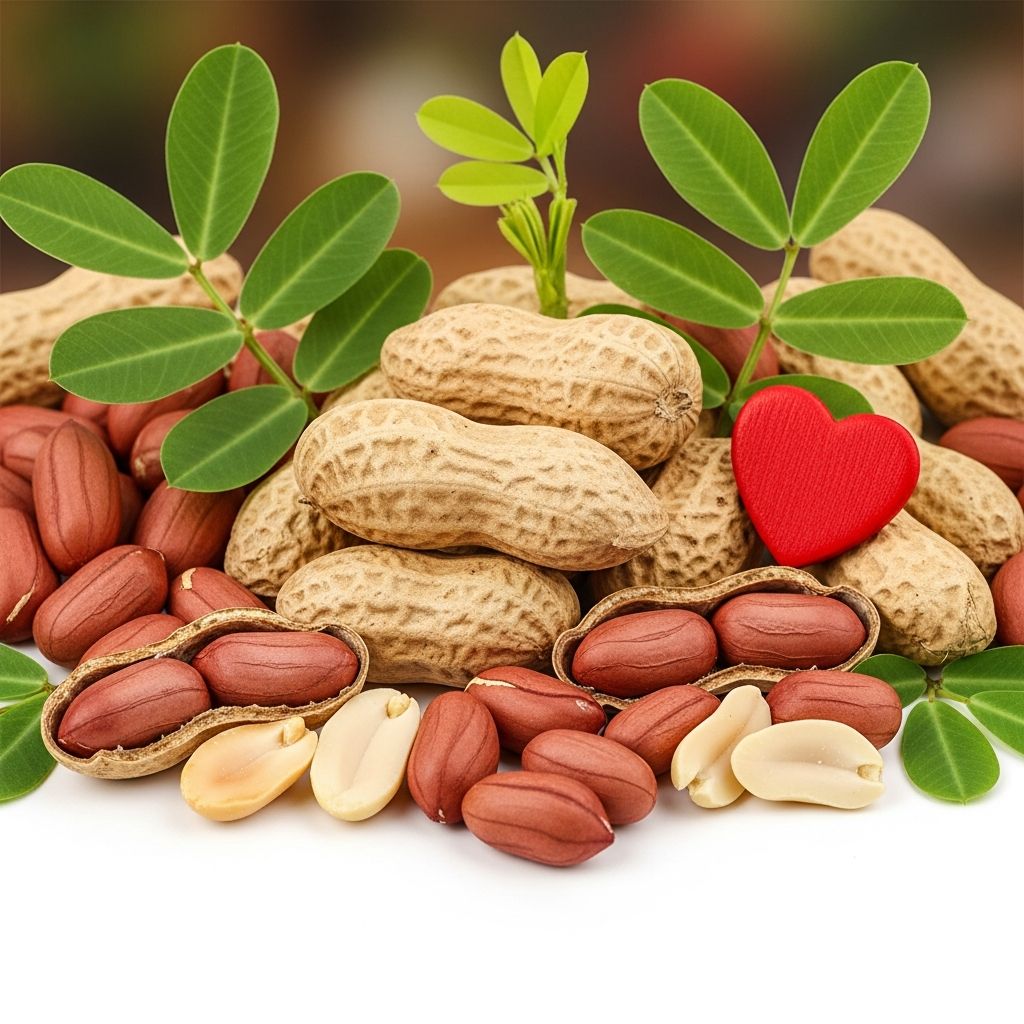
Peanuts: Nature’s Heart-Healthy Legume
While often overlooked in favor of tree nuts like almonds and walnuts, peanuts are remarkably healthy foods that deserve a prominent place in any heart-conscious diet. Despite their reputation as a high-fat food, peanuts contain predominantly healthy fats and an impressive array of nutrients that support cardiovascular health. Research from Harvard School of Public Health and other leading institutions has consistently demonstrated that regular peanut consumption is associated with significant reductions in heart disease risk.
Peanuts are technically legumes rather than true nuts, but they share many nutritional similarities with tree nuts and offer comparable health benefits. The scientific evidence supporting peanut consumption for heart health is compelling and extensive, making them an excellent choice for individuals seeking to improve their cardiovascular wellness through dietary choices.
The Cardiovascular Benefits of Peanut Consumption
One of the most significant findings regarding peanut health comes from landmark research conducted at Harvard School of Public Health. Researchers tracked the eating habits of over 86,000 nurses aged 34 to 59 over a ten-year period and found that frequent consumption of peanuts was associated with a substantially lower risk of coronary heart disease. Women who frequently ate about one ounce of nuts, including peanuts, lowered their risk of heart disease by approximately one-third compared to women who rarely ate nuts.
These findings were published in the British Medical Journal and have been hailed as particularly significant because the protective effect of nut consumption appeared to be as great as or greater than the benefits demonstrated in statin trials. Additional research from the Physicians Health Study, involving over 22,000 male physicians followed for twelve years, confirmed these benefits in men, showing that as nut consumption increased, the risk of total cardiac death and sudden cardiac death decreased substantially.
Long-Term Cardiovascular Risk Reduction
More recent comprehensive analyses of three large prospective cohort studies have provided further confirmation of peanuts’ protective effects. Consumption of peanuts and tree nuts at least two or more times per week is associated with a 13 to 19 percent lower risk of total cardiovascular disease and a 15 to 23 percent lower risk of coronary heart disease. These associations remained remarkably consistent even after researchers adjusted for numerous other variables including age, smoking status, consumption of fresh fruits and vegetables, exercise levels, and vitamin supplement intake, demonstrating that the benefits are attributable to the peanuts themselves rather than confounding lifestyle factors.
Understanding the Nutritional Composition of Peanuts
The cardiovascular benefits of peanuts stem from their unique and diverse nutritional profile. Peanuts contain mostly mono- and polyunsaturated fats—the healthy fats that can help lower “bad” LDL cholesterol and support overall cardiovascular health. This composition is fundamentally different from saturated and trans fats, which can contribute to heart disease risk.
Essential Nutrients Found in Peanuts
Beyond their favorable fat profile, peanuts deliver an impressive array of other beneficial nutrients:
- Plant Protein: Peanuts provide substantial plant-based protein, making them valuable for vegetarians and vegans and supporting muscle maintenance and satiety.
- Vitamin E: An antioxidant vitamin that has been associated with a lower risk of heart disease.
- Fiber: Both soluble and insoluble fiber that supports digestive health and helps maintain healthy cholesterol levels.
- Folic Acid (Folate): Thought to reduce homocysteine levels in the blood, which is an independent risk factor for coronary heart disease.
- Magnesium: A mineral in which many Americans are deficient, with studies showing higher magnesium intake is associated with a 22 percent decrease in ischemic heart disease risk.
- Copper and Potassium: Minerals essential for proper heart function and blood pressure regulation.
- Resveratrol: A plant chemical also found in red wine that has demonstrated protective effects against both cancer and heart disease.
- Arginine: Peanuts contain more arginine than any other nut, and this plant protein serves as a precursor to nitric oxide, a chemical that expands blood vessels and inhibits the buildup of cells that can clog blood vessels.
Related Stories



The Magnesium Advantage
Research demonstrates that peanuts are officially designated as a “good source” of magnesium, an often-overlooked mineral critical for heart health. A large study at Harvard School of Public Health revealed that higher intakes of magnesium were associated with a 22 percent decrease in ischemic heart disease risk. Unfortunately, current research shows that the estimated magnesium intake among both men and women is well below daily recommendations, and 70 to 80 percent of elderly Americans do not consume enough magnesium through their diets. A study at Purdue University found that including peanuts in the daily diet for just three weeks not only increased magnesium intake but also improved blood magnesium levels to recommended ranges.
Peanuts and Weight Management
Contrary to the assumption that high-fat foods contribute to weight gain, research reveals an interesting paradox regarding peanut consumption and body weight. The Harvard Nurses Study found that women who frequently consumed nuts were actually leaner than women who rarely consumed nuts. This surprising finding has been explained by subsequent research at Purdue University.
Studies show that higher-fat foods like peanuts and peanut butter are more satisfying than high-carbohydrate snacks such as rice cakes. Individuals who ate peanuts felt full sooner, naturally adjusted their caloric intakes downward, and did not add extra calories to their daily diets to compensate. This satiety effect makes peanuts particularly valuable for weight management strategies, as they can help reduce overall calorie consumption despite their relatively high calorie density.
Practical Ways to Incorporate Peanuts into Your Diet
Research from Pennsylvania State University demonstrated the practical impact of simple dietary substitutions. Subjects who made modest changes to their diet—such as using peanut butter on a bagel instead of butter or cream cheese, or substituting approximately 15 peanuts for other snack foods—reduced their cholesterol levels by more than 10 to 14 percent within just one month. These results were comparable to the cholesterol-reducing effects achieved by individuals who used olive oil as their primary fat source.
Choosing Quality Peanut Products
While peanuts offer considerable health benefits, the form in which they are consumed matters. Research scientist Vasanti Malik from Harvard T.H. Chan School of Public Health recommends consuming peanuts with their skins intact, as the skins contain anti-inflammatory polyphenols. Other healthy options include dry-roasted peanuts without added sugars and peanut butter made without hydrogenated oils. When choosing peanut butter, individuals should avoid products with added sugars and jelly, instead opting for natural peanut butter with minimal added ingredients.
Peanut Butter: A Convenient Alternative
Peanut butter offers the same cardiovascular and nutritional benefits as whole peanuts in a more convenient form. Many of the landmark studies examining nut consumption found that peanuts and peanut butter comprised more than half of the nuts consumed by study participants. The nutritional composition of peanut butter—including its healthy fat profile, protein content, and micronutrient density—makes it an excellent choice for those seeking the health benefits of peanuts.
Incorporating peanut butter into your diet can be accomplished through simple strategies such as spreading it on whole grain toast, adding it to smoothies, using it as a dip for apple slices, or incorporating it into recipes. The key is ensuring you select peanut butter without added hydrogenated oils or excessive sugar.
Addressing Common Misconceptions
Many people remain overly focused on counting fat grams without distinguishing between healthy and unhealthy fats. This mindset causes individuals to miss out on the significant health benefits of good monounsaturated fats found in peanut products and olive oil. The scientific evidence is clear: eating higher-fat foods such as peanuts does not necessarily lead to weight gain or increased cardiovascular disease risk when these fats come from whole food sources rich in nutrients.
Additionally, peanuts naturally contain no cholesterol, as they are plant-based foods. This makes them an excellent choice for individuals concerned about their cholesterol levels. The combination of zero dietary cholesterol and beneficial fats that actively work to lower LDL cholesterol makes peanuts a heart-protective food.
Recommended Daily Intake
The research consistently supports consuming approximately one ounce of peanuts daily for optimal cardiovascular benefits. This translates to roughly 23 peanuts or two tablespoons of peanut butter. Consuming peanuts two or more times per week—or ideally on a daily basis—appears to provide the greatest protective benefits against cardiovascular disease. This modest amount is easy to incorporate into most dietary patterns and provides substantial health benefits without excessive calorie addition to your daily intake.
Frequently Asked Questions About Peanuts and Heart Health
Q: Are peanuts truly nuts, or are they legumes?
A: Peanuts are technically legumes, not true nuts. However, they share similar nutritional profiles with tree nuts and offer comparable cardiovascular health benefits. For practical dietary purposes, they are grouped with nuts due to their similar nutrient composition and health effects.
Q: How much weight gain should I expect from eating peanuts daily?
A: Research suggests that consuming peanuts in moderation does not lead to weight gain. In fact, the satiety effect of peanuts—their ability to make you feel full—may help prevent overeating and support weight management when incorporated appropriately into a balanced diet.
Q: Can peanut butter provide the same benefits as whole peanuts?
A: Yes, peanut butter offers similar cardiovascular and nutritional benefits when it is made from peanuts without added hydrogenated oils or excessive sugars. Natural peanut butter is a convenient alternative to whole peanuts and can be incorporated easily into various meals and snacks.
Q: Is there a maximum amount of peanuts I should eat daily?
A: While one ounce daily appears optimal for cardiovascular benefits, moderate consumption beyond this amount is generally safe and healthy. However, since peanuts are calorie-dense, individuals should account for their peanut consumption as part of their overall daily calorie intake, particularly if weight management is a goal.
Q: Are roasted peanuts less healthy than raw peanuts?
A: Roasted peanuts are nutritionally similar to raw peanuts. Dry-roasted peanuts without added salt or oil are an excellent choice. The key is avoiding peanuts that have been roasted with excessive added oils or salts. Peanuts with skins intact provide additional anti-inflammatory polyphenols.
Q: Can people with allergies to tree nuts safely eat peanuts?
A: Most people with tree nut allergies can safely consume peanuts since peanuts are legumes rather than true nuts. However, some individuals have allergies to both tree nuts and peanuts. Anyone with nut allergies should consult their healthcare provider before consuming peanuts.
References
- Harvard Researchers Find That Some Peanuts Every Day May Keep the Heart Doctor Away — Peanut Institute. 2018. https://peanut-institute.com/harvard-researchers-find-that-some-peanuts-every-day-may-keep-the-heart-doctor-away/
- A New Study by Harvard Gives Another Reason to Love Peanuts for Heart Health — Peanut Institute. 2018. https://peanut-institute.com/a-new-study-by-harvard-gives-another-reason-to-love-peanuts-for-heart-health/
- Peanuts and peanut butter can be healthy — Harvard T.H. Chan School of Public Health. 2018. https://hsph.harvard.edu/news/peanuts-can-be-healthy/
- Nut Consumption and Risk of Cardiovascular Disease — National Center for Biotechnology Information (NCBI). 2018. https://pmc.ncbi.nlm.nih.gov/articles/PMC5762129/
Similar Articles








Read full bio of medha deb