Pear Juice Benefits: 7 Impressive Health Advantages
Discover the impressive health benefits of pear juice, from digestive support to heart health and blood sugar regulation.
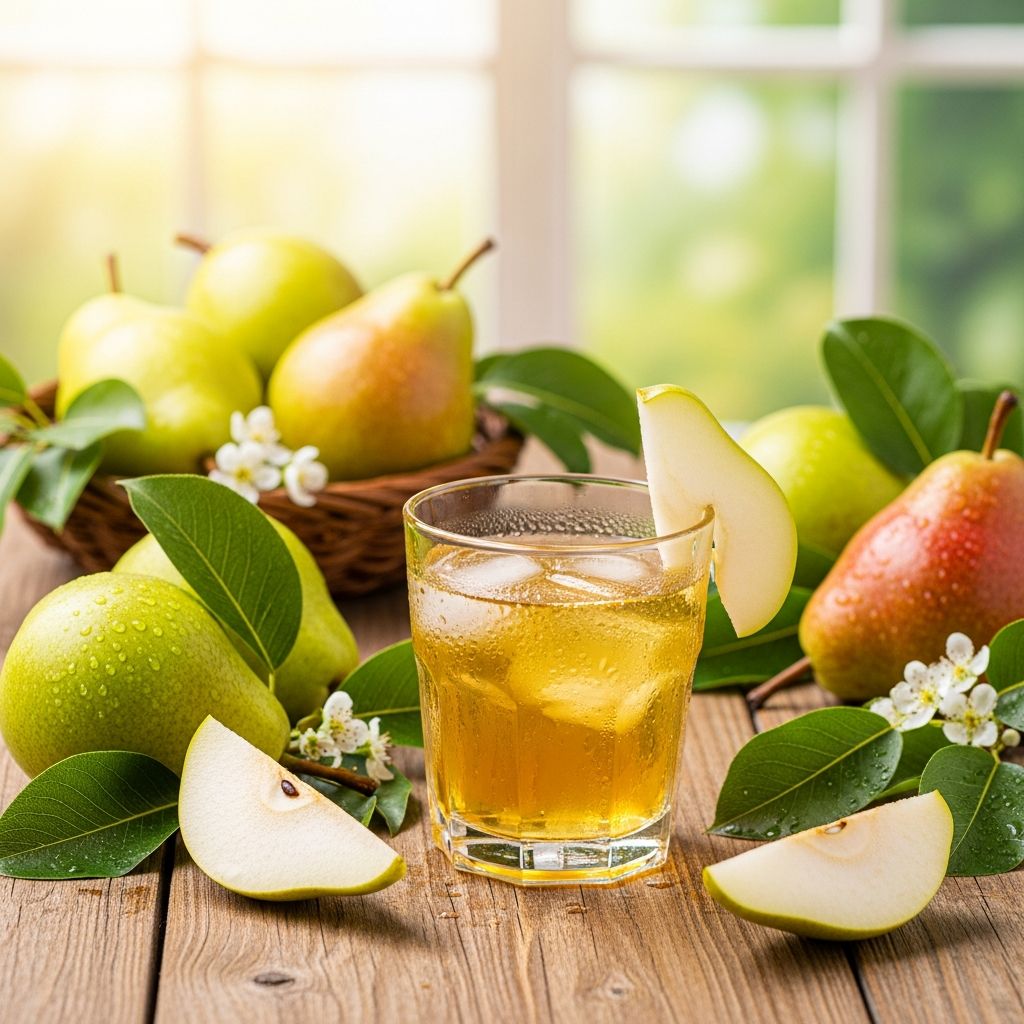
Pear juice is a refreshing, nutrient-dense beverage derived from pears, a fruit celebrated for its high fiber content, vitamins, minerals, and antioxidants. Unlike whole pears, pear juice concentrates many of these beneficial compounds into a convenient liquid form, making it easier to consume daily. This article explores the key health advantages of pear juice, backed by nutritional science and studies, while providing practical tips for incorporation into your diet.
What Is Pear Juice?
Pear juice is extracted from fresh pears, typically through pressing or juicing machines, retaining much of the fruit’s soluble nutrients like vitamins, minerals, and pectin—a type of soluble fiber. One cup (about 240ml) of pear juice provides approximately 140 calories, 36g of carbohydrates, 0.6g of protein, and negligible fat. It’s particularly rich in vitamin C (about 10% DV), vitamin K, potassium, copper, and folate. The juice’s natural sweetness comes from fructose, balanced by fiber remnants that prevent rapid blood sugar spikes. Pears’ skin, if included, adds extra flavonoids and insoluble fiber, enhancing the juice’s profile. Healthline notes pears (and thus their juice) are low in sodium and cholesterol-free, supporting various health aspects.
Pear Juice Nutrition Facts
Pear juice stands out for its impressive nutrient density. A standard serving delivers:
- Fiber: Up to 5-6g per cup, including pectin for gut health.
- Vitamin C: Supports immunity and skin repair.
- Potassium: Aids heart function and blood pressure regulation.
- Copper: Essential for energy production and immunity.
- Polyphenols and Flavonoids: Antioxidants like quercetin and anthocyanins fight oxidative stress.
Compared to apple juice, pear juice has more fiber and potassium but similar calorie content. A table below compares key nutrients:
| Nutrient | Pear Juice (1 cup) | Apple Juice (1 cup) | Orange Juice (1 cup) |
|---|---|---|---|
| Calories | 140 | 117 | 110 |
| Fiber (g) | 5.5 | 0.5 | 0.5 |
| Potassium (mg) | 250 | 250 | 450 |
| Vitamin C (mg) | 8 | 1 | 90 |
Data synthesized from USDA profiles via Healthline and Cleveland Clinic sources. This makes pear juice a superior choice for fiber seekers.
7 Impressive Health Benefits of Pear Juice
1. Excellent Source of Fiber for Digestive Health
Pear juice retains soluble and insoluble fiber from pears, promoting regular bowel movements and preventing constipation. Pectin in pear juice acts as a prebiotic, feeding beneficial gut bacteria and improving microbiome diversity. Studies show pears’ fiber (more than kale per serving) lowers cholesterol and enhances nutrient absorption. For juice drinkers, blending with skin maximizes insoluble fiber, bulking stool and supporting colon health. A PMC review highlights pears’ fiber superiority for gut benefits.
2. Packed With Antioxidants
Rich in flavonoids like quercetin, anthocyanins, and chlorogenic acid, pear juice combats free radicals, reducing cellular damage. These compounds in the peel lower oxidative stress linked to aging and disease. Healthline reports pears’ antioxidants ease inflammation, with vitamin C adding protection. Regular intake may boost total antioxidant capacity (TAC), as seen in human studies with pear products.
3. May Help You Lose Weight
The fiber and water content in pear juice promote satiety, curbing overeating. Low-calorie density (about 58 calories per 100g) combined with pectin slows digestion, stabilizing hunger hormones. Observational data links high fruit fiber intake, like from pears, to lower BMI and weight gain prevention. Pairing pear juice with protein enhances its slimming effects.
Related Stories



4. May Promote Heart Health
Potassium in pear juice helps regulate blood pressure by countering sodium. Procyanidins and quercetin reduce LDL cholesterol, arterial stiffness, and inflammation—key heart disease factors. Cleveland Clinic notes pears’ flavonoids lower cardiovascular risks. A review ties flavonoid-rich fruits to decreased heart disease mortality. Low sodium also supports vascular health.
5. Supports Healthy Blood Sugar Control
Pear juice’s low glycemic index (around 38) and high fiber prevent blood sugar spikes, ideal for diabetes management. Anthocyanins in red pear varieties further regulate glucose. Studies show weekly pear consumption reduces type 2 diabetes risk by 3% per serving. Fiber slows carb absorption, providing steady energy.
6. May Benefit Your Skin
Vitamin C and antioxidants in pear juice protect collagen from sugar-induced damage (glycation), maintaining skin elasticity. Fiber stabilizes blood sugar, preventing spikes that accelerate aging. Copper aids wound healing, while hydration from juice keeps skin supple. Saber Health emphasizes pears’ role in smooth, hydrated skin.
7. Other Potential Benefits
Pear juice may protect kidneys via malic acid, deterring stones, and low sodium. Anti-inflammatory properties could lower chronic disease risks, including certain cancers, per population studies on flavonoids. Animal research suggests lipid-lowering and ulcer protection.
Potential Downsides of Pear Juice
While beneficial, pear juice is higher in natural sugars than whole pears, potentially spiking blood sugar if overconsumed. Those with fructose malabsorption may experience bloating. Unpasteurized juice risks bacterial contamination; opt for fresh, homemade. Pesticide residues on non-organic pears warrant washing or peeling. Limit to 1-2 cups daily to avoid excess calories.
How to Make Homemade Pear Juice
Homemade pear juice preserves maximum nutrients. Ingredients (serves 2): 4-6 ripe pears, 1 lemon (optional), ginger (1-inch piece, optional), water as needed.
- Wash and chop pears (keep skin on).
- Juice using a slow juicer or blend and strain.
- Add lemon/ginger for flavor and extra vitamin C.
- Serve fresh or chill.
Pro tip: Use ripe but firm pears for best yield. Store in airtight glass up to 48 hours.
Healthy Pear Juice Recipes
- Green Detox Pear Juice: 2 pears, 1 cucumber, handful spinach, 1 apple. Blend for liver support.
- Pear-Ginger Immunity Booster: 3 pears, 1-inch ginger, ½ lemon. Anti-inflammatory powerhouse.
- Pear-Berry Heart Smoothie: 2 pears (juiced), 1 cup berries, Greek yogurt. Fiber-rich and creamy.
- Pear-Apple Digestive Aid: Equal parts pear and apple juice, sip post-meal.
These recipes amplify benefits with synergistic ingredients.
FAQs
Is pear juice good for you?
Yes, pear juice is nutritious, offering fiber, antioxidants, and vitamins that support digestion, heart health, and blood sugar control.
Is it OK to drink pear juice every day?
Moderation is key—1 cup daily is beneficial, but excess sugar may affect blood sugar. Consult a doctor if diabetic.
Does pear juice have a lot of sugar?
About 30g per cup from natural fructose, less glycemic than soda due to fiber. Whole pears are preferable for more fiber.
Which is healthier: pear juice or whole pears?
Whole pears win for higher fiber, but juice is convenient and retains soluble nutrients.
Can pear juice help with constipation?
Absolutely—its pectin and water content soften stool and promote regularity.
The Bottom Line
Pear juice is a versatile, health-promoting drink loaded with fiber, antioxidants, and essential nutrients. From gut and heart support to skin vitality and weight management, its benefits are substantial when part of a balanced diet. Prioritize homemade versions with skin for optimal nutrition, and enjoy in moderation for best results.
References
- 9 Health and Nutrition Benefits of Pears — Healthline. 2023-10-15. https://www.healthline.com/nutrition/benefits-of-pears
- 7 Health Benefits of Pears — Saber Healthcare Group. 2024-05-20. https://saberhealth.com/news/blog/health-benefits-of-pears
- 5 Health Benefits of Pears — Cleveland Clinic. 2023-09-12. https://health.clevelandclinic.org/benefits-of-pears
- Systematic Review of Pears and Health — PMC – PubMed Central. 2015-11-04. https://pmc.ncbi.nlm.nih.gov/articles/PMC4657810/
Similar Articles








Read full bio of Sneha Tete