Peas Benefits: 7 Science-Backed Advantages To Boost Your Health
Discover the impressive health benefits of peas, from supporting heart health and digestion to providing essential nutrients and antioxidants.
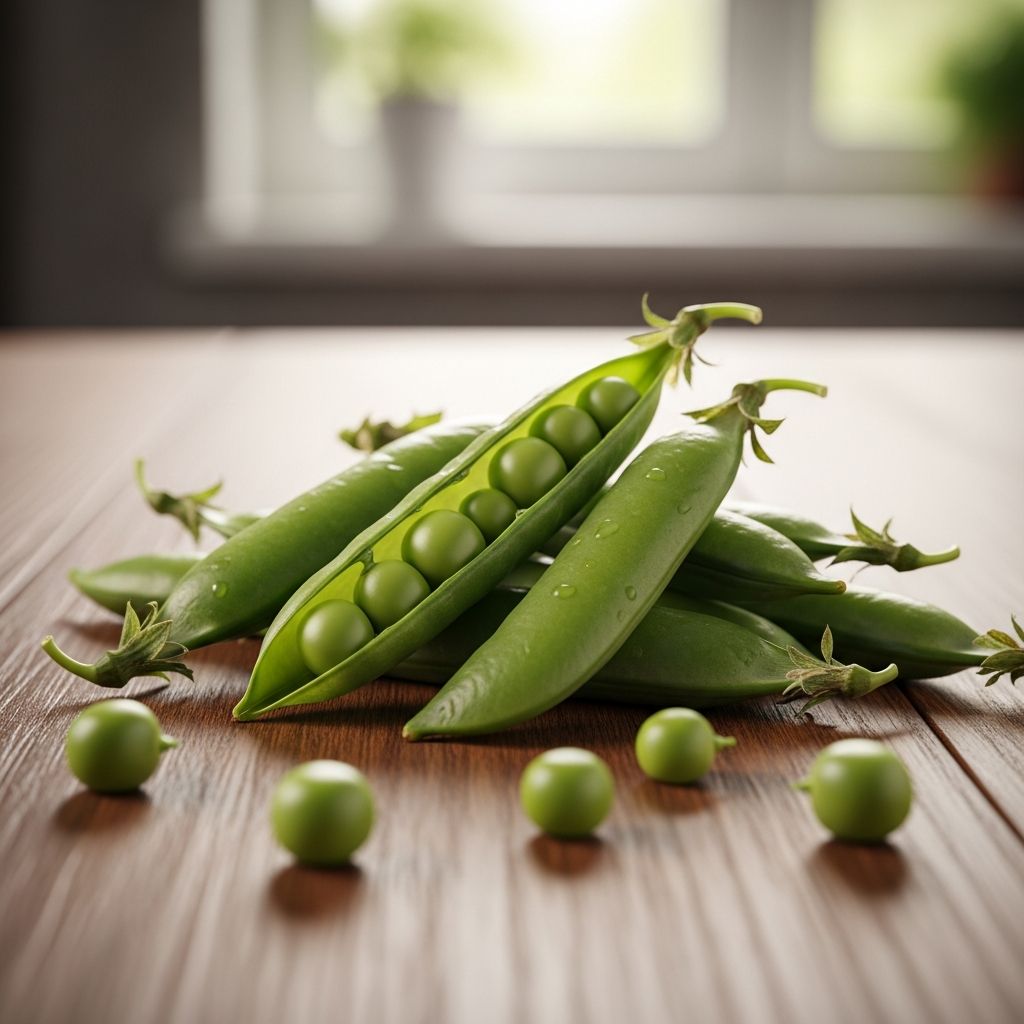
Peas, often overlooked as a simple side dish, are a nutritional powerhouse offering a wide array of health benefits. These small green legumes are loaded with essential vitamins, minerals, fiber, protein, and antioxidants that contribute to overall well-being. From supporting digestive health to aiding in blood sugar regulation and protecting heart health, incorporating peas into your diet can make a significant difference. This article delves into the science-backed advantages of peas, their nutritional profile, versatile uses in cooking, and practical tips for consumption.
What Are Peas?
Peas (Pisum sativum L.) are the seeds of the pea plant, belonging to the legume family. They come in various forms, including fresh green peas, snow peas, snap peas, and dried varieties like split peas. Green peas, the most common type, are harvested young and tender, while mature peas are dried for longer storage. Peas have been a staple in human diets for thousands of years, valued for their versatility and nutrient density. Unlike beans, peas are typically milder in flavor and quicker to cook, making them ideal for everyday meals.
Nutritionally, one cup of cooked green peas (about 160 grams) provides approximately 134 calories, 8-9 grams of protein, 9 grams of fiber, and low levels of fat. They are naturally gluten-free and suitable for various dietary needs, including vegan and vegetarian plans. Peas also contain unique phytochemicals like coumestrol, saponins, and polyphenols that enhance their health-promoting properties.
Peas Nutrition Facts
Peas are a rich source of essential nutrients that support multiple bodily functions. A single serving delivers a potent mix of macronutrients and micronutrients:
- Protein: Around 8 grams per cup, making peas an excellent plant-based protein source that’s easily digestible compared to some animal proteins.
- Fiber: Nearly 9 grams per cup, primarily insoluble fiber that aids digestion and promotes gut health.
- Vitamins: High in vitamins A, C, E, K, and several B vitamins (like folate), which bolster immune function and reduce inflammation.
- Minerals: Contains iron, manganese, phosphorus, magnesium, potassium, and zinc for bone health, blood pressure regulation, and immune support.
- Antioxidants: Lutein, zeaxanthin, catechins, epicatechins, and coumestrol provide protection against oxidative stress.
Here’s a breakdown of key nutrients in one cup of boiled peas:
| Nutrient | Amount per Cup | % Daily Value* |
|---|---|---|
| Calories | 134 | 7% |
| Protein | 8.6g | 17% |
| Fiber | 8.8g | 31% |
| Vitamin C | 22.7mg | 25% |
| Vitamin A | 765 IU | 15% |
| Iron | 2.1mg | 12% |
| Magnesium | 48mg | 12% |
*Based on a 2,000-calorie diet. Data approximated from reliable sources.
Health Benefits of Peas
Eye Health
Peas are rich in lutein and zeaxanthin, two carotenoids that accumulate in the retina and protect eyes from harmful blue light. These antioxidants filter out damaging rays, reducing the risk of cataracts and age-related macular degeneration (AMD). Studies show that diets high in these nutrients correlate with better visual health in older adults.
Digestive Health
The high fiber content in peas, including soluble and insoluble types, promotes regular bowel movements and prevents constipation. Fiber adds bulk to stool and supports a healthy gut microbiome. Additionally, coumestrol in peas has been linked to a 50% reduced risk of stomach cancer in epidemiological studies from Mexico.
Related Stories



Immune Health and Anti-Inflammatory Properties
Antioxidants like vitamins C and E, zinc, catechin, and epicatechin in peas strengthen the immune system by combating free radicals. Anti-inflammatory compounds such as vitamin A, ferulic acid, caffeic acid, and pisumsaponins help lower risks of chronic conditions like diabetes, heart disease, and arthritis. Polyphenols and saponins further enhance these effects.
Blood Sugar Control
With a low glycemic index (GI around 22-51 depending on preparation), peas prevent blood sugar spikes. Their protein and fiber slow starch digestion, making them ideal for diabetes management. Research indicates high-protein legume intake improves post-meal glucose levels in type 2 diabetes patients.
Heart Health
Potassium, magnesium, and omega-3/6 fatty acids in peas help regulate blood pressure and reduce arterial plaque formation by combating oxidation and inflammation. Fiber lowers cholesterol, while overall nutrient profile supports cardiovascular function.
Weight Management
The satiating combination of protein and fiber in peas promotes fullness, reducing overall calorie intake. Studies link pulse consumption to weight loss and maintenance due to these properties.
Cancer Prevention
Phytochemicals like coumestrol, saponins, and polyphenols exhibit anticarcinogenic activity. Peas’ fiber and antioxidants may protect against stomach, colorectal, and other cancers.
How to Add More Peas to Your Diet
Peas are incredibly versatile and easy to incorporate into meals:
- Fresh or Frozen: Add to salads, stir-fries, soups, or pasta for a pop of color and nutrition.
- Soups and Stews: Use split peas for hearty, creamy soups without dairy.
- Snacks: Roasted peas make a crunchy, low-calorie snack seasoned with spices.
- Mashed or Pureed: Blend into dips, spreads, or as a base for veggie burgers.
- Pea Protein Powder: Blend into smoothies for a protein boost; it may aid muscle growth and satiety.
Start with simple swaps: replace half your rice with peas in fried rice or mix into scrambled eggs. Aim for 1/2 to 1 cup daily to reap benefits.
Peas Recipes
Simple Pea Soup
Ingredients (serves 4): 2 cups split peas, 1 onion, 2 carrots, 4 cups vegetable broth, salt, pepper.
- Rinse peas. Sauté onion and carrots.
- Add peas and broth; simmer 45 minutes.
- Blend smooth. Serve hot.
Nutrient-packed and comforting.
Pea Pesto Pasta
Blend 1 cup peas, garlic, basil, nuts, olive oil. Toss with pasta for a vibrant, antioxidant-rich dish.
Roasted Peas Snack
Toss frozen peas with oil, salt, herbs; roast at 400°F for 20 minutes. Crispy and addictive.
Frequently Asked Questions (FAQs)
Are peas good for weight loss?
Yes, peas’ high fiber and protein content promote satiety and support healthy weight management.
Are peas low-carb?
Peas have moderate carbs (11g per cup) but a low GI, making them suitable for blood sugar control.
Can diabetics eat peas?
Absolutely; their low GI and fiber help stabilize blood sugar levels.
Are canned peas healthy?
Opt for low-sodium versions; they’re nutritious but fresh or frozen retain more vitamins.
Do peas cause gas?
Like all legumes, they may; soak dried peas and introduce gradually to minimize.
References
- Health Benefits of Peas — WebMD. 2023-10-15. https://www.webmd.com/diet/health-benefits-peas
- Review of the health benefits of peas (Pisum sativum L.): a meeting point between foods and medicine — PubMed (Food Research International). 2012-11. https://pubmed.ncbi.nlm.nih.gov/22916813/
- Ingredient spotlight: Peas — Main Line Health. 2023-05-22. https://www.mainlinehealth.org/blog/peas
- Nutritional composition and health benefits of peas—a bibliometric analysis (2014–2024) — Frontiers in Nutrition. 2025-01-10. https://www.frontiersin.org/journals/nutrition/articles/10.3389/fnut.2025.1550142/full
- Are Peas Good for You? 7 Benefits of Peas — Cleveland Clinic. 2023-06-12. https://health.clevelandclinic.org/benefits-of-peas
Similar Articles








Read full bio of medha deb