PEComa Pathology: Essential Guide To Diagnosis And Management
Comprehensive overview of perivascular epithelioid cell tumour pathology, including clinical features, histopathology, diagnosis, and management.
Author: Dr Ian McColl, Dermatopathologist, Pathlab Bay of Plenty, Tauranga, New Zealand.
Perivascular epithelioid cell tumour (PEComa) is a rare family of mesenchymal neoplasms composed of perivascular epithelioid cells that show melanocytic and myogenic differentiation. PEComas may be benign, malignant or of uncertain malignant potential.
Introduction
PEComas represent a distinctive group of tumours unified by the presence of perivascular epithelioid cells (PECs), which co-express melanocytic and smooth muscle markers. First described in the late 1990s, these neoplasms arise from a putative cell type associated with vessel walls, exhibiting a spectrum of biological behaviour from benign to highly aggressive malignant forms. Although rare, PEComas occur across multiple anatomical sites, with the uterus, kidney, liver, and soft tissues being most common. Cutaneous involvement is exceptionally rare, often presenting diagnostic challenges due to overlap with melanocytic lesions. Genetic associations, particularly TSC1/TSC2 mutations, link some cases to tuberous sclerosis complex (TSC), influencing mTOR pathway activation and therapeutic targeting.
Terminology
- Perivascular epithelioid cell tumour (PEComa)
- Clear cell “sugar” tumour (CCST) – lung
- Angiolipoma (AL)
- Clear cell myomelanocytic tumour (CCMMT) – falciform ligament/peritoneum
- Primary cutaneous clear cell tumour (CCMT)
- Hydradenoma
- Abdominopelvic sarcoma of perivascular epithelioid cells
These terms encompass the spectrum of PEComa family lesions, each historically described at specific sites but now unified under the PEComa umbrella due to shared histopathological and immunohistochemical features.
Epidemiology
PEComas are exceedingly uncommon mesenchymal neoplasms, comprising less than 1% of soft tissue sarcomas. Incidence data are limited due to their rarity, but reported cases span all age groups with a female predominance (approximately 2:1 ratio), particularly for uterine and abdominopelvic sites. Median age at diagnosis is 40-50 years, though paediatric cases occur, often linked to TSC. Cutaneous PEComas preferentially affect young to middle-aged adults, with lower leg being the most common site. Malignant behaviour is more frequent in sporadic cases (up to 50% in some series) compared to TSC-associated tumours, which tend to be indolent.
Clinical features
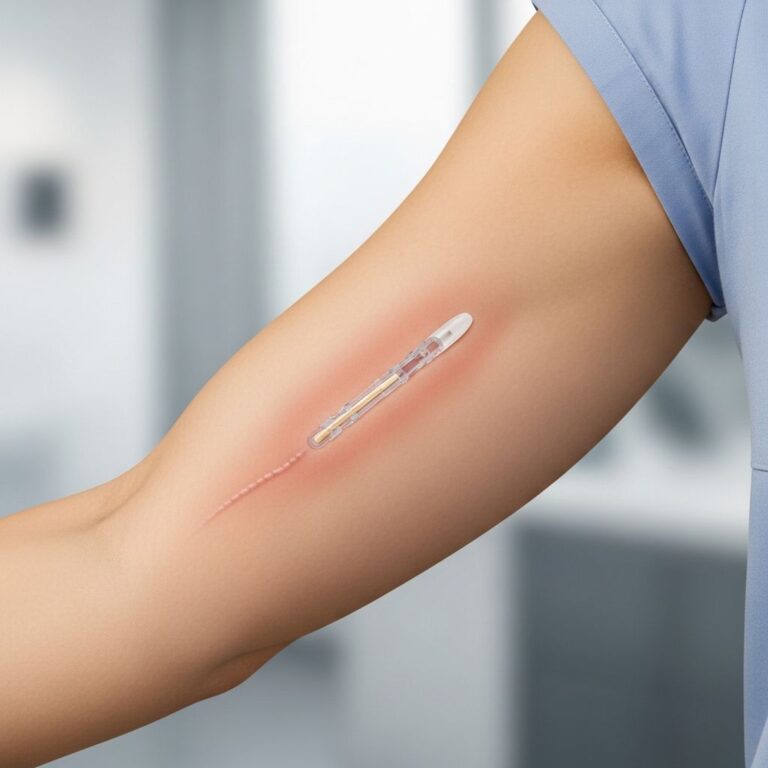
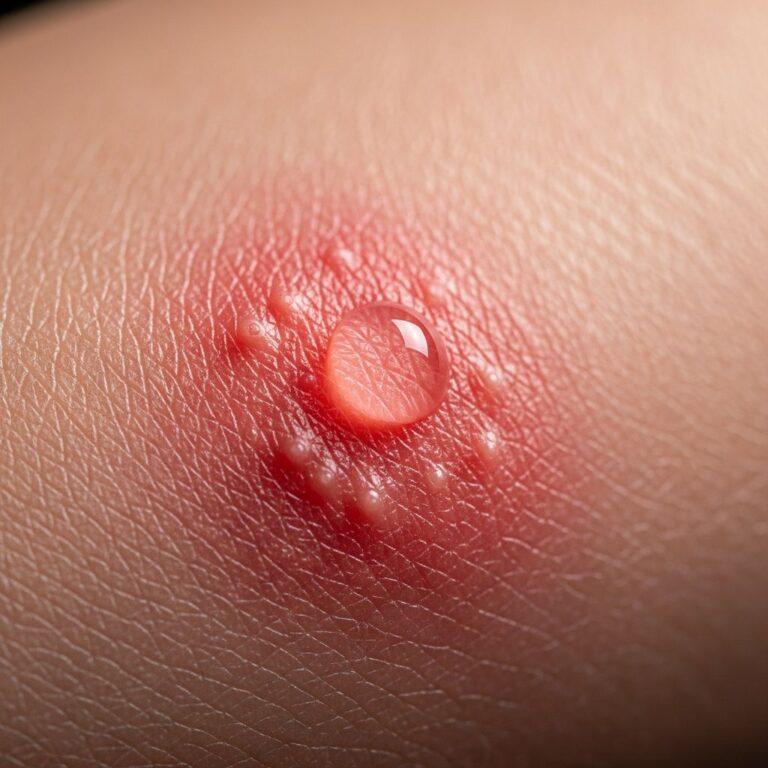
Presentations vary widely by location and behaviour. Superficial soft tissue or cutaneous PEComas manifest as slow-growing, painless subcutaneous nodules, often on extremities. Deep-seated tumours may cause mass effect symptoms: abdominal pain, palpable mass, or organ dysfunction. Uterine PEComas, the most frequent gynaecological site, present with abnormal vaginal bleeding, pelvic pain, or palpable mass, mimicking leiomyoma or endometrial pathology. Gastrointestinal involvement leads to pain, bleeding, obstruction, weight loss, or anaemia. Renal PEComas cause flank pain or haematuria, while hepatic tumours may be asymptomatic or cause right upper quadrant discomfort. Rare acute presentations include rupture or haemorrhage in advanced cases. Many are incidental findings on imaging.
Pathology
Microscopic
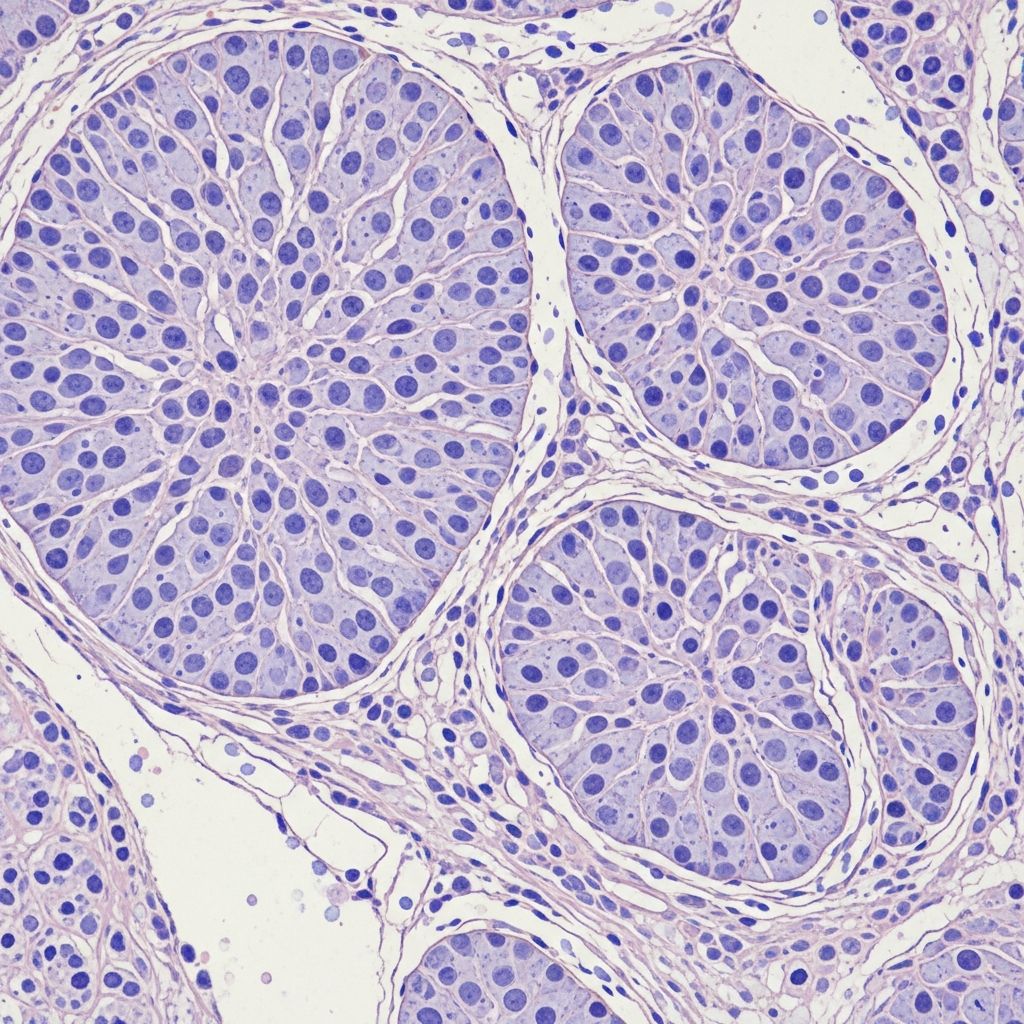
PEComas exhibit a distinctive perivascular growth pattern, with epithelioid or spindle cells nestling against thin-walled vessels. Cells feature clear to granular eosinophilic cytoplasm, round/oval nuclei with mild-moderate atypia, and inconspicuous nucleoli. Architecture varies: nested epithelioid cells in a vascular stroma (classic), diffuse sheets, fascicular spindle cell arrays, or lipomatous differentiation. Stroma is delicate, myxoid, or collagenized. Clear cell morphology predominates in cutaneous and pulmonary variants. Mitotic activity ranges from scarce (<1>5/50 HPF) in malignant ones. Necrosis, haemorrhage, and lymphovascular invasion signal aggressiveness.
Cytology
Fine needle aspirates or core biopsies show dispersed epithelioid cells with fragile clear cytoplasm, prominent vacuoles, and eccentric nuclei. Vessels with tumour cell collars are characteristic. Background displays amorphous myxoid material. Cytological atypia correlates with histological grade.
Related Stories



Histopathology
Low-power scanning reveals circumscribed dermal or subcutaneous nodules filling expanded tissue compartments, imparting a pale, clear cell appearance due to washed-out cytoplasm. Tumour cells aggregate in nests or sheets around delicate vascular networks, trapping collagen wisps. Higher magnification discloses epithelioid cells with abundant clear/pale cytoplasm containing fine vacuoles, central nuclei bearing punctate nucleoli, and scant mitoses. Spindle cell areas mimic smooth muscle. Malignant features include infiltrative borders, pleomorphism, necrosis, and high mitotic rate.
Histopathology images
- Low-power view of PEComa showing pale sheets filling dermis
- Nested clear epithelioid cells around vessels
- HMB-45 immunohistochemistry highlighting tumour cells
Immunohistochemistry
The hallmark of PEComas is dual positivity for melanocytic (HMB-45, Melan-A, MiTF, cathepsin K) and myogenic (SMA, desmin, calponin) markers, with HMB-45 and cathepsin K most consistent (nearly 100% sensitive). SMA is focal in half of cutaneous cases; desmin often negative. Other markers: variable PR/ER in uterine tumours, WT1, CD117 negative. S100, SOX10 typically absent, distinguishing from melanoma. Ki67 proliferation index aids grading.
| Marker | Positivity Rate | Notes |
|---|---|---|
| HMB-45 | ~100% | Diffuse to focal |
| Cathepsin K | ~100% | Highly sensitive |
| Melan-A | 60-80% | Focal |
| SMA | 50-90% | May be absent in cutaneous |
| Desmin | Variable | Often negative in skin |
Genetics
TSC1/TSC2 aberrations underlie ~50% of PEComas, especially TSC-associated and sugar tumours, activating mTORC1. Sporadic cases show similar mutations. Malignant PEComas harbour TFE3 rearrangements (ASPSCR1, SFPQ fusions) defining a distinct subtype with clear cell morphology.
Differential diagnoses
- Melanoma: Epidermal involvement, S100+, SOX10+, lacks myoid markers
- Clear cell sarcoma: Deep soft tissue, EWSR1-ATF1 fusion, S100+
- Leiomyoma/sarcoma: Desmin+, SMA+, melanocytic markers negative
- Alveolar soft part sarcoma: ASPL-TFE3 fusion, PAS+ crystals
- Sugar tumour: Lung-specific, identical IHC
- Adnexal tumours: Ductal differentiation, CK+
Cutaneous PEComas mimic melanoma but lack epidermal involvement and S100; deep PEComas overlap with sarcomas.
Management
Complete surgical excision is mainstay for localized disease. Malignant or high-risk PEComas (size >5cm, mitoses >1/HPF, necrosis, infiltrative growth) warrant wide margins and staging. Adjuvant therapy limited; mTOR inhibitors (sirolimus, everolimus) effective for TSC-associated or metastatic cases due to pathway activation. Chemotherapy/radiotherapy responses poor. Prognosis excellent for benign/sugar tumours; malignant PEComas metastasize in 30-50%, lungs/liver common sites.
Prognosis
Benign PEComas rarely recur post-excision. Malignant variants show 5-year survival ~50%, predicted by size (>5cm), mitoses (>1/mm²), necrosis, grade, and infiltrative growth. TSC-associated tumours often indolent despite multiplicity.
Frequently asked questions
Q. What is PEComa?
A. PEComa is a rare mesenchymal tumour family defined by perivascular epithelioid cells co-expressing melanocytic and myogenic markers.
Q. Is PEComa malignant?
A. Behaviour spans benign to malignant; criteria include size >5cm, high mitoses, necrosis.
Q. How is PEComa diagnosed?
A. By histopathology showing perivascular clear cells and IHC dual positivity (HMB-45 + SMA).
Q. What are treatment options?
A. Surgery primary; mTOR inhibitors for advanced/TSC-linked disease.
References
- Perivascular Epithelioid Cell Neoplasm — NORD (rarediseases.org). 2023-05-15. https://rarediseases.org/rare-diseases/perivascular-epithelioid-cell-neoplasm/
- Malignant Perivascular Epithelioid Cell Tumor (PEComa) of the Uterus — PMC (NCBI). 2024-10-01. https://pmc.ncbi.nlm.nih.gov/articles/PMC12249296/
- Primary Cutaneous PEComa Explained by a Dermatopathologist — YouTube (Educational Video). 2023-01-20. https://www.youtube.com/watch?v=VXpcFYy1cZg
- Rapidly Progressive Malignant Pelvic Perivascular Epithelioid Cell Tumor — PMC (NCBI). 2023-01-10. https://pmc.ncbi.nlm.nih.gov/articles/PMC9830064/
- PEComa — Sarcoma UK. 2024-06-12. https://sarcoma.org.uk/about-sarcoma/what-is-sarcoma/types-of-sarcoma/pecoma/
Similar Articles








Read full bio of Sneha Tete