Pediatric General Surgery Procedures: Comprehensive Care
Comprehensive surgical care for children using advanced minimally invasive techniques.
Pediatric General Surgery Procedures: Comprehensive Care for Children
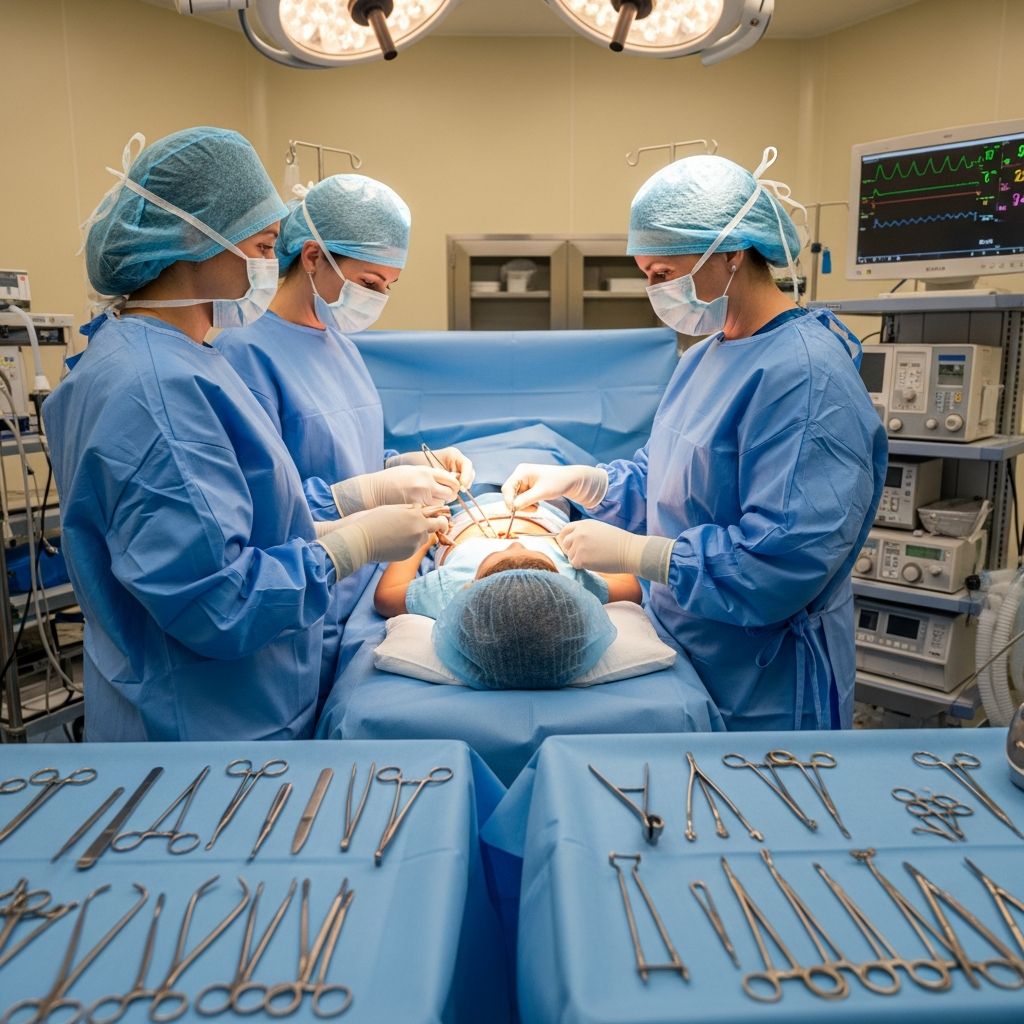
Pediatric general surgery represents a specialized field dedicated to treating surgical conditions in infants, children, and adolescents. All Children’s Hospital provides comprehensive surgical services utilizing state-of-the-art techniques and experienced surgeons trained in the unique needs of young patients. Whether addressing routine conditions or complex congenital disorders, our pediatric surgical team is committed to delivering safe, effective, and compassionate care that minimizes trauma and promotes rapid recovery.
General Surgical Procedures
Our pediatric general surgeons perform a wide range of routine surgical procedures that address common childhood conditions. These procedures are essential for treating acute and chronic abdominal conditions that impact children’s health and quality of life.
Appendectomy
Appendectomy is one of the most frequently performed pediatric surgical procedures, involving the removal of an inflamed or infected appendix. This procedure becomes necessary when appendicitis occurs, a condition characterized by inflammation of the appendix that can lead to serious complications if left untreated. Modern minimally invasive techniques allow surgeons to perform appendectomies through small incisions, typically resulting in reduced pain, shorter hospital stays, and faster recovery times compared to traditional open surgery approaches.
Cholecystectomy
Cholecystectomy involves the surgical removal of the gallbladder, a procedure performed when gallstones or other gallbladder conditions cause pain or complications. While gallbladder disease is less common in children than in adults, it does occur and can significantly impact a child’s comfort and digestive function. Minimally invasive laparoscopic cholecystectomy has become the standard approach, offering excellent outcomes with minimal tissue trauma.
Colectomy
Colectomy refers to the removal of all or part of the colon and may be necessary to treat severe inflammatory bowel disease, familial adenomatous polyposis, or other serious colonic conditions. Pediatric surgeons carefully evaluate each case to determine the appropriate extent of resection while preserving as much normal bowel function as possible.
Splenectomy
Splenectomy involves removal of the spleen and may be performed for various hematologic conditions, including hereditary spherocytosis, immune thrombocytopenia, and other blood disorders. Pediatric surgeons employ careful surgical technique to minimize operative trauma while achieving therapeutic goals.
Hernia Repair
Hernia repair procedures address both inguinal and umbilical hernias, conditions where abdominal contents protrude through weakened muscle walls. These procedures are among the most commonly performed pediatric surgeries. Minimally invasive techniques allow surgeons to repair hernias with tiny incisions, resulting in excellent cosmetic outcomes and rapid healing. Hernia exploration may also be performed to determine the presence and extent of hernia development.
Minimally Invasive Surgical Techniques
All Children’s Hospital prioritizes minimally invasive surgical approaches whenever clinically appropriate. This commitment to advanced surgical technology provides significant benefits for pediatric patients, including smaller incisions, reduced postoperative pain, shorter hospital stays, and faster return to normal activities.
Laparoscopic Surgery
Laparoscopic surgery utilizes a thin camera and specialized instruments inserted through small incisions in the abdomen to perform surgical procedures. The surgeon views the operative field on a video monitor, allowing for precise visualization and manipulation of tissues. This technique has revolutionized pediatric surgery, enabling procedures that previously required large open incisions to be performed with minimal tissue trauma.
Related Stories



Single-Incision Umbilical Surgery
In many abdominal procedures, surgeons can place a single, nearly invisible incision within the belly button, offering exceptional cosmetic results while maintaining the benefits of minimally invasive surgery. This technique is particularly valued by families, as it avoids visible scarring on the abdominal wall.
Congenital Disorder Management
Pediatric surgeons at All Children’s Hospital have extensive experience managing children born with surgical conditions. Early recognition and appropriate surgical intervention are critical for optimizing outcomes in these complex cases.
Diaphragmatic Hernia
Congenital diaphragmatic hernia occurs when the diaphragm fails to develop completely, allowing abdominal organs to enter the chest cavity and compress the lungs. Surgical repair is essential to restore normal anatomy and allow lung expansion. Surgeons carefully reconstruct the diaphragm, with timing and approach individualized based on the severity of the defect and the infant’s respiratory status.
Gastroschisis and Omphalocele
These conditions involve herniation of abdominal contents through the abdominal wall at birth. Gastroschisis presents as an uncovered defect lateral to the umbilicus, while omphalocele involves herniation through the umbilical ring covered by a membrane. Surgical closure requires careful planning and staged approaches when necessary to safely restore abdominal wall integrity.
Intestinal Atresia
Intestinal atresia represents a congenital condition where a segment of the intestine is completely absent or blocked, preventing normal passage of food and stool. Surgical repair involves reconnecting the healthy segments of bowel, with careful attention to restoring normal anatomy and function.
Imperforate Anus and Anorectal Malformations
These birth defects involve abnormal development of the rectum and anus. Posterior sagittal anorectoplasty represents a specialized surgical approach that allows surgeons to anatomically reconstruct these structures, restoring normal bowel function. Complex imaging studies help surgeons plan the optimal surgical approach for each individual case.
Hirschsprung’s Disease
Hirschsprung’s disease is a genetic condition in which newborns lack nerve cells in portions of their intestines, resulting in the inability to pass stool normally. Pull-through procedures involve removing the affected bowel segment and connecting healthy bowel with nerve cells to the anus, restoring normal bowel function.
Esophageal Atresia and Tracheoesophageal Fistula
These serious congenital conditions involve abnormal development of the esophagus and its relationship to the airway. Surgical repair requires meticulous dissection and reconnection of esophageal segments while carefully managing the airway to prevent complications.
Thoracic Surgical Procedures
Thoracic surgery addresses conditions affecting the chest wall, lungs, and mediastinum. Pediatric surgeons at All Children’s Hospital manage a variety of thoracic conditions requiring operative intervention.
Lung Resection
Lung resection involves removal of affected lung tissue to treat congenital lung malformations, infections that do not respond to medical management, or tumors. Surgeons carefully preserve as much healthy lung tissue as possible to maintain respiratory function.
Chest Wall Deformity Correction
The Nuss procedure and Ravitch procedure represent techniques for correcting pectus excavatum and other chest wall deformities. These procedures improve both cosmetic appearance and pulmonary function, allowing normal chest expansion and optimal lung and heart development.
Diaphragmatic Plication
Diaphragmatic plication addresses diaphragmatic paralysis or weakness by folding and securing the diaphragm to improve respiratory mechanics and reduce symptoms of breathing difficulty.
Vascular Access Procedures
Pediatric patients with chronic conditions often require reliable vascular access for medication administration, nutrition delivery, and blood sampling. All Children’s Hospital surgeons place various types of central catheters to reduce the need for repeated needle sticks and improve quality of life.
PICC Line Placement
Peripherally inserted central catheters (PICC lines) involve placement of a long, thin flexible tube into a vein in the arm, leg, or neck, with advancement to a large vein near the heart. PICC lines allow delivery of medications, nutrients, and blood products while minimizing vein irritation.
Temporary Central Lines
Temporary central lines provide short-term vascular access in the neck or groin for acute situations requiring fluid, nutritional, or medication delivery, or for procedures such as dialysis.
Gastrostomy Placement
For children who cannot tolerate oral feeding due to neurologic conditions, structural abnormalities, or other medical issues, surgeons can construct an artificial opening in the stomach to introduce food directly. Gastrostomy tubes provide secure, long-term feeding access while minimizing aspiration risk.
Specialized Procedures
Beyond routine procedures, pediatric surgeons at All Children’s Hospital manage specialized conditions requiring advanced expertise and innovative surgical techniques.
Lymph Node Biopsy
Sentinel lymph node biopsies allow surgeons to sample lymph nodes to detect potential cancer spread in various pediatric malignancies, providing critical information for staging and treatment planning.
Tumor Management
Pediatric surgeons are experienced in managing solid tumors including neuroblastoma, Wilms tumor, hepatoblastoma, and other childhood cancers, employing both open and minimally invasive techniques for safe tumor resection.
Platelet-Rich Plasma Therapy
To optimize wound healing after surgery or manage complex wounds, surgeons may employ platelet-rich plasma injections, which concentrate growth factors to enhance tissue regeneration.
Sympathectomy
For children with excessive sweating (hyperhidrosis), thoracoscopic sympathectomy offers a minimally invasive approach, involving cutting the sympathetic nerves that control sweating through small chest incisions.
Advanced Surgical Technology
All Children’s Hospital continuously invests in cutting-edge surgical technology to improve patient outcomes. Our operating rooms are equipped with state-of-the-art imaging, monitoring equipment, and minimally invasive instruments that enable surgeons to perform complex procedures with precision and safety. Robotic-assisted surgery represents an emerging technology that further enhances surgical capabilities in select cases.
Patient Safety and Perioperative Care
The pediatric surgical team at All Children’s Hospital emphasizes comprehensive perioperative care to ensure optimal outcomes. Careful preoperative evaluation, appropriate anesthetic selection tailored to the child’s age and condition, meticulous operative technique, and attentive postoperative management all contribute to safe, successful surgical experiences. Our team works collaboratively with anesthesiology, nursing, and other specialties to provide coordinated, high-quality care.
Multidisciplinary Collaboration
Complex pediatric surgical cases often benefit from multidisciplinary team approaches involving pediatric surgeons, anesthesiologists, radiologists, intensivists, and other specialists. This collaborative care model ensures comprehensive evaluation and optimal treatment planning for each child’s unique needs.
Frequently Asked Questions
Q: What is the difference between minimally invasive surgery and traditional open surgery?
A: Minimally invasive surgery uses small incisions and specialized instruments with video guidance, while open surgery requires a larger incision to directly access the surgical field. Minimally invasive approaches typically result in less pain, smaller scars, shorter hospital stays, and faster recovery.
Q: Are all pediatric surgical procedures performed using minimally invasive techniques?
A: While surgeons prefer minimally invasive approaches whenever clinically appropriate, some complex conditions or emergency situations may require open surgery. Your surgeon will discuss the best approach for your child’s specific condition.
Q: How long is the typical hospital stay after pediatric surgery?
A: Hospital stay duration varies depending on the procedure, the child’s age, and recovery progress. Minimally invasive procedures typically allow shorter hospital stays, with some children going home the same day or after overnight observation.
Q: What are the common risks associated with pediatric surgery?
A: While pediatric surgery is generally safe, potential risks include infection, bleeding, anesthesia complications, and procedure-specific complications. Your surgical team will discuss specific risks relevant to your child’s procedure.
Q: How can I prepare my child for surgery?
A: Preoperative preparation includes fasting instructions, medication management, and psychological preparation. Your surgical team will provide specific guidelines tailored to your child’s age and procedure.
Q: What should I expect during recovery after minimally invasive surgery?
A: Most children experience rapid recovery with minimally invasive procedures, returning to normal activities within days to weeks. Pain is typically minimal, and complications are less common than with open surgery. Your surgeon will provide specific activity restrictions and follow-up care instructions.
References
- Pediatric Surgery – Overview — Mayo Clinic. 2024. https://www.mayoclinic.org/departments-centers/pediatric-surgery-minnesota/sections/overview/ovc-20534126
- Pediatric Surgical Procedures — Nicklaus Children’s Hospital. 2024. https://www.nicklauschildrens.org/medical-services/pediatric-surgery/surgical-procedures
- Common Surgical Procedures in Childhood — National Center for Biotechnology Information, National Institutes of Health. 2024. https://www.ncbi.nlm.nih.gov/books/NBK587398/
- Pediatric General Surgery — Children’s Healthcare of Atlanta. 2024. https://www.choa.org/medical-services/general-surgery
- Pediatric General Surgery — St. Luke’s University Health Network. 2024. https://www.slhn.org/pediatrics/specialties/general-surgery
Similar Articles








Read full bio of medha deb