Pediatric Orthopaedic Surgery: Specialized Care for Children
Expert pediatric orthopaedic care treating children as unique patients with specialized needs.
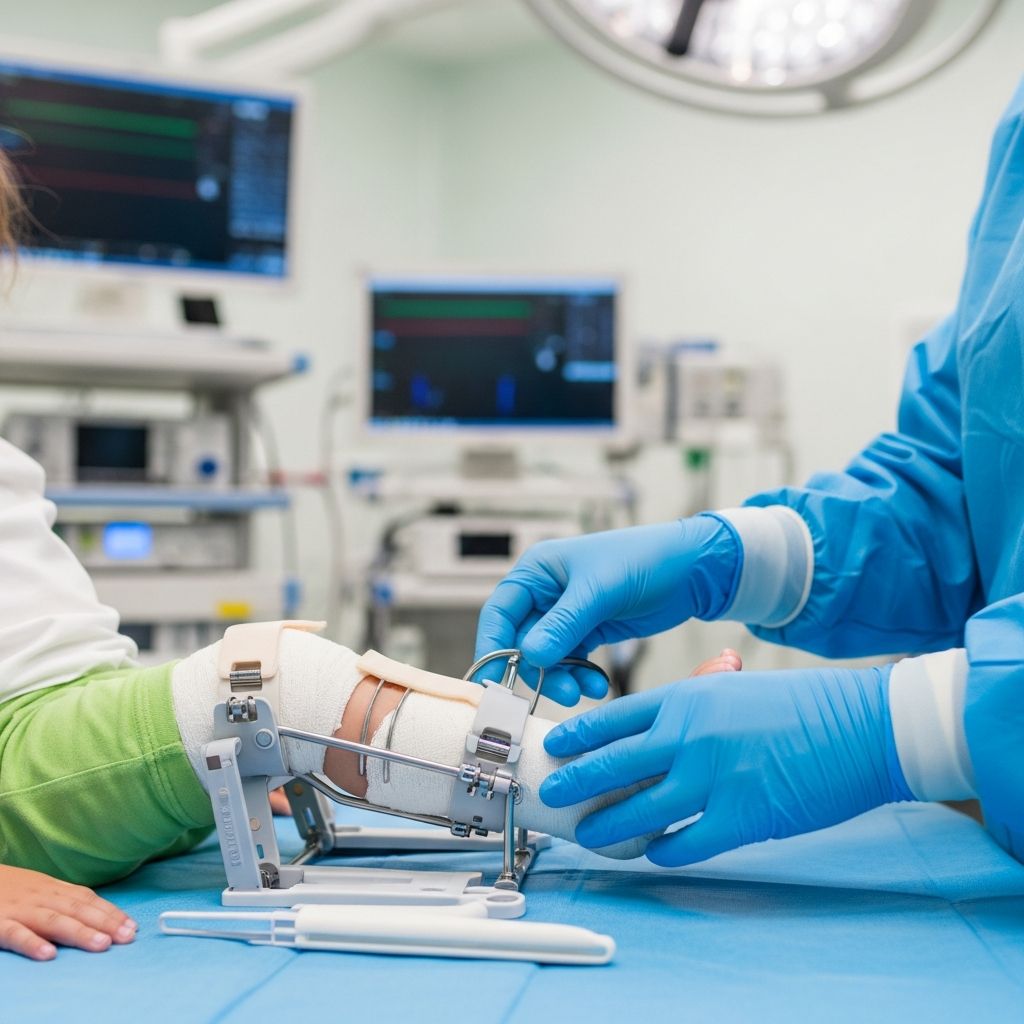
Children are not miniature adults. This fundamental principle guides the approach of pediatric orthopaedic surgeons who understand that a child’s growing skeletal system, developing bones, and unique physiological needs require specialized medical expertise and compassionate care. Pediatric orthopaedic surgery represents a distinct medical specialty focused on diagnosing, treating, and managing musculoskeletal conditions in infants, children, and adolescents. Unlike general orthopaedic surgery that addresses adult patients, pediatric orthopaedics considers the constantly changing anatomy and physiology of young patients, from infants through late adolescence.
Understanding Pediatric Orthopaedic Surgery
Pediatric orthopaedic surgery is a subspecialty that requires extensive training beyond general orthopaedic surgery. Pediatric orthopaedic surgeons complete additional fellowship training specifically focused on children’s bone and joint conditions. This specialized education ensures that these surgeons possess comprehensive knowledge of growth plate injuries, developmental abnormalities, and age-specific conditions that differ significantly from adult orthopaedic problems. The pediatric orthopaedic surgeon’s role extends beyond performing surgical procedures; it includes comprehensive patient education, family communication, and coordinated care that addresses the physical, emotional, and developmental needs of young patients.
Why Children Need Specialized Orthopaedic Care
Children’s musculoskeletal systems undergo continuous change from birth through early adulthood. Growth plates, the areas of growing tissue near the ends of bones, remain open and vulnerable until skeletal maturity. Injuries or conditions affecting these growth plates can impact normal bone development and function. Additionally, children may present with congenital conditions, developmental abnormalities, or acquired disorders that require treatment approaches specifically designed for their growing bodies. The pediatric orthopaedic surgeon’s expertise ensures that treatment plans consider not only immediate symptom relief but also long-term development, function, and quality of life.
Comprehensive Range of Conditions Treated
Pediatric orthopaedic surgeons manage an extensive array of conditions affecting children’s bones, joints, and soft tissues. These conditions span from common injuries to complex developmental disorders, requiring diverse treatment approaches and surgical techniques adapted for young patients.
Common Pediatric Orthopaedic Conditions
Fractures and Trauma: Children’s bones are more flexible than adult bones but still susceptible to fractures from falls, sports injuries, and accidents. Pediatric fractures often heal more quickly than adult fractures, but they require careful management to ensure proper alignment and prevent complications that could affect future growth and function.
Growth-Related Disorders: Conditions such as slipped capital femoral epiphysis (SCFE), Legg-Calvé-Perthes disease, and osteochondrosis dissecans affect the developing skeleton and require specialized intervention to prevent long-term disability and joint damage.
Developmental Dysplasia of the Hip: This condition, present from birth or developing in early infancy, involves abnormal hip joint development. Early detection and treatment are crucial for normal hip function and prevention of arthritis later in life.
Clubfoot and Limb Deformities: Congenital deformities including clubfoot, limb length discrepancies, and angular deformities require specialized surgical and non-surgical interventions to optimize function and appearance.
Scoliosis and Spinal Deformities: Abnormal curvature of the spine affects many children and may require surgical correction to prevent respiratory compromise and functional limitations.
Sports-Related Injuries: Young athletes experience unique injuries involving growth plates, ligaments, and other soft tissues. Specialized pediatric orthopaedic care helps young athletes return to activity safely.
Related Stories



Cerebral Palsy and Neuromuscular Disorders: Children with cerebral palsy, muscular dystrophy, and other neuromuscular conditions often develop secondary orthopaedic complications requiring surgical intervention.
Advanced Surgical Techniques and Technologies
Minimally Invasive Surgery Advantages
Minimally invasive surgical techniques have revolutionized pediatric orthopaedic surgery, offering significant advantages over traditional open surgical approaches. These techniques utilize smaller incisions, specialized instruments, and imaging technology to accomplish surgical goals with reduced tissue trauma. When children need surgery, parents naturally want procedures that are as quick and pain-free as possible. Minimally invasive surgical procedures frequently lead to faster recovery times, reduced postoperative pain, decreased infection risk, and diminished stress for both the patient and family members.
Benefits of Minimally Invasive Approaches:
- Smaller surgical incisions resulting in minimal scarring
- Reduced blood loss and decreased need for transfusions
- Lower infection rates compared to open surgery
- Faster recovery and earlier return to normal activities
- Decreased postoperative pain and discomfort
- Reduced psychological stress for young patients
- Shorter hospital stays or same-day discharge options
- Improved cosmetic outcomes, particularly important for pediatric patients
Arthroscopic Surgery
Arthroscopic techniques allow surgeons to visualize and treat joint problems through small incisions. This approach proves particularly valuable for managing knee and shoulder injuries, ligament injuries, and cartilage problems in young athletes and active children.
Image-Guided Surgery
Advanced imaging technology including fluoroscopy, computed tomography, and real-time navigation systems enhances surgical precision. These technologies ensure accurate implant placement and optimal alignment, particularly important in pediatric patients where precise surgical technique affects long-term outcomes and growth.
Patient and Family-Centered Care Approach
Effective pediatric orthopaedic surgery extends beyond technical surgical skill. Pediatric orthopaedic surgeons recognize that treating a child involves caring for the entire family unit. This family-centered approach includes comprehensive preoperative education, clear communication about surgical procedures and expected outcomes, and strong postoperative support.
Preoperative Preparation
Helping children and families understand what they will encounter on surgery day significantly alleviates fears and anxiety. Pediatric orthopaedic teams provide detailed explanations, often using age-appropriate language and visual aids to help children understand procedures. Many facilities offer preoperative tours and meet-and-greet opportunities with surgical staff, helping children feel more comfortable and secure.
Dedicated Pediatric Teams
Specialized pediatric surgical facilities employ dedicated pediatric surgeons, nurses, and anesthesiologists trained specifically in caring for children. These professionals understand child development, communication techniques appropriate for various ages, and pain management strategies tailored for pediatric patients. The entire surgical environment is designed with children’s needs in mind, from child-friendly waiting areas to recovery rooms equipped for parental presence and participation.
Specialized Surgical Facilities for Pediatric Care
Dedicated pediatric surgical centers represent the gold standard for pediatric orthopaedic surgery. These facilities combine expertise, specialized equipment, and child-friendly environments to provide optimal care. Surgical centers equipped with multiple operating rooms and staffed with pediatric specialists can perform the full spectrum of outpatient and inpatient procedures while maintaining focus on pediatric patients’ special needs.
Operating Room Environment
Pediatric surgical facilities maintain operating rooms specifically configured for children. Specialized equipment sized for small patients, pediatric anesthesia equipment, and instruments designed for children ensure safe and effective surgery. The operating room environment is optimized for pediatric surgery, with staff trained in pediatric surgical techniques and complications management.
Recovery and Postoperative Care
Recovery areas in pediatric surgical centers accommodate parental presence during awakening from anesthesia, reducing child anxiety and providing immediate family reassurance. Nursing staff trained in pediatric pain management, developmental considerations, and family communication ensure smooth postoperative recovery.
Comparison of Treatment Approaches
| Treatment Approach | Indications | Advantages | Recovery Time |
|---|---|---|---|
| Conservative Management | Mild deformities, minor fractures, developmental variations | Non-invasive, no surgical risk, preserves anatomy | Varies (weeks to months) |
| Minimally Invasive Surgery | Moderate conditions, correctable deformities, certain fractures | Small incisions, faster recovery, reduced pain, minimal scarring | Days to weeks |
| Open Surgery | Complex deformities, severe trauma, revision procedures | Direct visualization, extensive correction options, established techniques | Weeks to months |
Frequently Asked Questions About Pediatric Orthopaedic Surgery
Q: At what age can children undergo orthopaedic surgery?
A: Children can undergo orthopaedic surgery at any age, from infancy through adolescence, depending on the specific condition and medical necessity. Experienced pediatric orthopaedic surgeons safely perform procedures on infants and young children when indicated.
Q: How long does recovery typically take after pediatric orthopaedic surgery?
A: Recovery time varies significantly depending on the specific procedure, surgical approach, and individual child factors. Minimally invasive procedures typically involve recovery measured in days to weeks, while more complex open surgeries may require weeks to months of recovery.
Q: Will my child have limitations after orthopaedic surgery?
A: Most children return to normal activities, including sports and recreation, after complete recovery from orthopaedic surgery. Your surgeon will provide specific activity guidelines based on your child’s procedure and recovery progress.
Q: Are there non-surgical treatment options for pediatric orthopaedic conditions?
A: Many pediatric orthopaedic conditions respond well to conservative treatment including bracing, physical therapy, activity modification, and observation. Surgery is recommended when conservative measures prove insufficient or when the condition requires surgical intervention for optimal outcomes.
Q: How can I prepare my child for orthopaedic surgery?
A: Pediatric orthopaedic teams provide comprehensive preoperative preparation including detailed explanations, facility tours, and psychological support. Honest age-appropriate communication, maintaining normal routines when possible, and expressing confidence in the surgical team help children feel secure and prepared.
Q: What qualifications should a pediatric orthopaedic surgeon have?
A: Board-certified pediatric orthopaedic surgeons have completed medical school, orthopaedic surgery residency, and pediatric orthopaedic surgery fellowship training. They maintain current certification and ongoing professional education to stay current with advancing surgical techniques and treatment approaches.
Commitment to Excellence in Pediatric Orthopaedics
Leading pediatric orthopaedic centers combine surgical expertise with compassionate family-centered care, treating children as unique patients with specialized needs. The commitment to excellence extends from surgical technique through comprehensive postoperative support, ensuring that children not only survive surgery but thrive afterward. By understanding that children are not miniature adults and require specialized orthopaedic expertise, these centers provide families with confidence that their children receive optimal care tailored to their developmental stage and individual needs.
References
- Pediatric Surgery: Johns Hopkins Pediatric Surgery at GBMC — Johns Hopkins Medicine. 2025. https://www.gbmc.org/services/pediatric-surgery
- Treating You Like Family: Johns Hopkins Pediatric Orthopaedics — Johns Hopkins Medicine. March 8, 2023. https://www.youtube.com/watch?v=6kpq4O5S238
- American Academy of Orthopaedic Surgeons: Pediatric Orthopaedic Surgery — AAOS. 2025. https://www.aaos.org
Similar Articles








Read full bio of Sneha Tete