Pediatric Pink Eye: 4 Types, Symptoms, And Treatment
Expert strategies for identifying, treating, and preventing conjunctivitis in children to ensure swift recovery and school return.
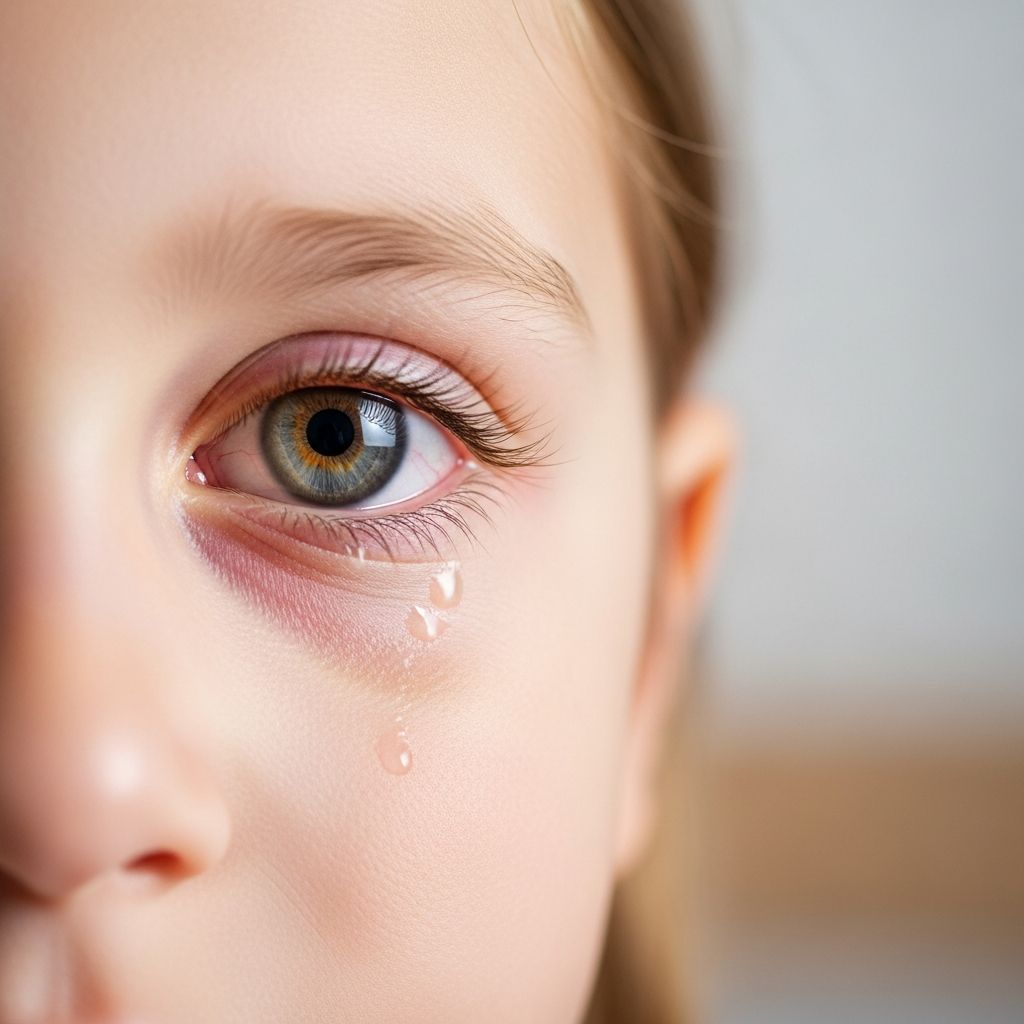
Conjunctivitis, commonly known as pink eye, affects the thin membrane covering the white part of the eye and inner eyelids in children frequently. This condition can stem from bacterial, viral, or allergic causes, each requiring distinct management approaches to alleviate symptoms and promote healing.
Understanding Conjunctivitis in Young Patients
The conjunctiva serves as a protective layer for the eye, and when inflamed, it leads to redness, irritation, and discharge. In pediatric cases, symptoms often include watery eyes, crusting lids, and discomfort, prompting urgent parental concern. Accurate identification of the cause is crucial since treatments vary significantly.
Prevalence is high in school-aged children due to close contact in classrooms and playgrounds. Most episodes resolve without intervention, but distinguishing types prevents unnecessary antibiotic use and targets effective relief.
Key Types of Pink Eye in Children
- Bacterial Conjunctivitis: Features thick, yellow-green pus-like discharge that causes lids to stick together, especially upon waking. Often affects one eye initially, spreading to both.
- Viral Conjunctivitis: Produces clear, watery discharge with significant redness and light sensitivity. Highly contagious, frequently accompanies upper respiratory infections.
- Allergic Conjunctivitis: Bilateral itching, tearing, and swelling triggered by allergens like pollen or pet dander. No pus, but intense itchiness distinguishes it.
- Other Forms: Includes neonatal cases from chlamydia or gonorrhea, requiring immediate systemic treatment.
Diagnostic Approaches for Accurate Identification
Diagnosis relies on clinical history and eye exam. Parents report symptom onset, discharge nature, and exposures. Physicians check for preauricular lymph nodes (suggesting viral), membrane thickness, or foreign bodies.
No routine swabs are needed for typical cases, but severe or non-resolving ones warrant culture. Differentiating bacterial from viral is challenging but vital; bacterial shows more purulent matter, while viral links to colds.
| Type | Discharge | Itch | Contagiousness | Associated Symptoms |
|---|---|---|---|---|
| Bacterial | Thick, yellow-green | Mild | Moderate | Lid sticking |
| Viral | Watery, clear | Sometimes | High | Cold symptoms |
| Allergic | Watery | Severe | None | Nasal congestion |
Treatment Strategies by Cause
Bacterial Conjunctivitis Management
Bacterial pink eye self-resolves in 7-10 days, but antibiotics hasten recovery, reduce symptoms, and curb spread. Studies show treated children improve in 3.8 days versus 5.7 untreated.
Safe options for kids over one year include topical drops like trimethoprim-polymyxin B, erythromycin ointment, or fluoroquinolones such as moxifloxacin. Apply 1-2 drops every 2-4 hours initially, tapering as symptoms fade. Avoid aminoglycosides due to corneal risks. Neonates need erythromycin ointment prophylactically and systemic therapy if infected.
Viral Conjunctivitis Care
Viral cases demand supportive measures: cool compresses, artificial tears, and hygiene. Antibiotics are ineffective here; duration is 1-2 weeks. Isolate affected children to prevent outbreaks.
Allergic Conjunctivitis Relief
Avoid triggers first. Use artificial tears to flush allergens, then topical antihistamines like olopatadine or azelastine. Severe cases may need short-term steroids (under supervision, max 7 days). Oral antihistamines aid systemic relief.
Supportive Therapies for All Types
- Cool or warm compresses to soothe inflammation.
- Lid hygiene with baby shampoo dilutions.
- Artificial tears for lubrication.
- Pain relief via acetaminophen or ibuprofen.
- Avoid contact lenses and makeup.
When to Escalate Care
Seek immediate help if vision blurs, pain intensifies, light sensitivity worsens, or symptoms persist beyond a week. Preseptal cellulitis or corneal involvement signals emergency. Newborns with discharge need urgent evaluation for gonococcal risk.
Related Stories



Prevention and Hygiene Protocols
Handwashing is paramount. Discourage eye rubbing; teach proper coughing. Disinfect toys and surfaces. School policies vary, but AAP advises no antibiotic mandate for return once comfortable.
Vaccinations against adenovirus and hygiene education reduce incidence. For allergies, identify triggers via patch testing.
Common Parental Questions
FAQs
Can my child go to school with pink eye?
Yes for allergic; no for bacterial/viral until treated 24 hours or non-contagious. Check local rules.
Are antibiotic drops safe for toddlers?
Most are, from age one, but confirm allergies and cooperation.
How long until improvement?
Bacterial: 1-2 days with antibiotics; viral: 7-14 days.
What’s the best home remedy?
Cool compresses and tears for comfort across types.
Does pink eye cause vision loss?
Rarely in uncomplicated cases; prompt care prevents complications.
Emerging Insights and Guidelines
Recent studies affirm antibiotics’ role in bacterial cases, shortening duration and symptom burden. Variability in protocols underscores need for standardized approaches. CDC emphasizes symptom relief for viral. Johns Hopkins lists broad-spectrum options.
For neonates, prophylaxis prevents gonococcal ophthalmia. Allergic management steps from lubricants to dual-action drops.
Parents should partner with providers, tracking symptoms and adhering to regimens. Early intervention minimizes discomfort and transmission.
References
- Acute Conjunctivitis Treatments Are Inconsistent Between Pediatric Practices — Optometry Advisor. 2023. https://www.optometryadvisor.com/features/acute-conjunctivitis-treatments-are-inconsistent-between-pediatric-practices/
- Pediatric Conjunctivitis: A Review of Clinical Manifestations — PMC (NCBI). 2023-05-25. https://pmc.ncbi.nlm.nih.gov/articles/PMC10217501/
- Conjunctivitis — Johns Hopkins ABX Guide. Accessed 2026. https://www.hopkinsguides.com/hopkins/view/Johns_Hopkins_ABX_Guide/540141/all/Conjunctivitis
- Conjunctivitis in Children — Stanford Medicine Children’s Health. Accessed 2026. https://www.stanfordchildrens.org/en/topic/default?id=conjunctivitis-in-children-90-P02078
- Conjunctivitis Management in Children — NHS Greater Glasgow and Clyde. Accessed 2026. https://www.clinicalguidelines.scot.nhs.uk/nhsggc-guidelines/nhsggc-guidelines/ophthalmology/conjunctivitis-management-in-children/
- How to Treat Pink Eye — CDC. Accessed 2026. https://www.cdc.gov/conjunctivitis/treatment/index.html
Similar Articles








Read full bio of medha deb