Blood in Urine: Causes and When to See a Doctor
Discover the common and serious causes of blood in urine (hematuria), from UTIs to cancer, and learn when to seek immediate medical attention.
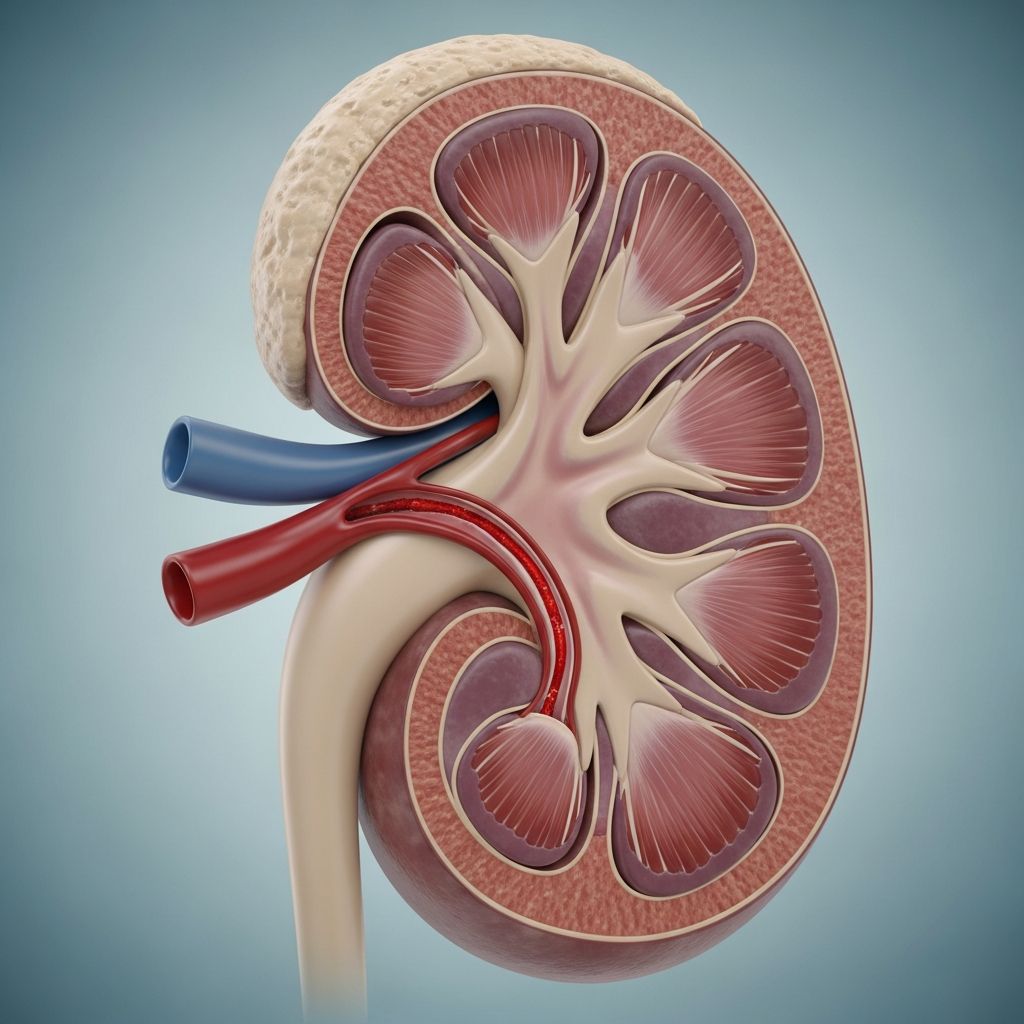
Blood in urine, medically known as hematuria, is a concerning symptom that can range from harmless to life-threatening. It occurs when red blood cells leak into the urine, turning it pink, red, or brown. Hematuria is classified as gross (visible to the naked eye) or microscopic (detectable only under a microscope). While it affects millions annually, many cases resolve with treatment, but prompt evaluation is essential to rule out serious conditions like cancer.
This article examines the primary causes, associated symptoms, diagnostic approaches, and action steps, drawing from expert sources to help you understand when peeing blood warrants immediate care.
What Does Blood in Urine Look Like?
Blood in urine may appear as a pinkish tinge, bright red streaks, or dark cola-colored fluid, depending on concentration and mixing with urine. It may come and go, appearing in one urination and not the next. Importantly, foods like beets or medications (e.g., rifampin) can mimic this color change without actual blood—always confirm with a doctor.
- Gross hematuria: Noticeable discoloration; often the first sign prompting medical visits.
- Microscopic hematuria: Found during routine urinalysis; affects up to 13 million Americans yearly, per estimates from urology experts.
Common Causes of Blood in Urine
Hematuria stems from issues anywhere along the urinary tract: kidneys, ureters, bladder, prostate (in men), or urethra. Here’s a breakdown of frequent culprits.
1. Urinary Tract Infections (UTIs)
UTIs are among the most common causes, especially in women but also affecting 20% of men lifetime. Bacteria irritate the bladder lining, causing inflammation and bleeding. In men, risk rises with age due to prostate issues.
Symptoms:
- Burning or pain during urination
- Frequent, urgent need to pee
- Cloudy or foul-smelling urine
- Lower abdominal pain
Treatment involves antibiotics; untreated UTIs can lead to kidney infections.
2. Kidney or Bladder Stones
Hard mineral deposits form in kidneys or bladder, scraping tissues as they move, causing painless or painful bleeding. Men are more prone due to prostate enlargement.
Symptoms:
- Severe flank pain radiating to groin
- Nausea/vomiting
- Frequent urination
- Blood clots in urine
Small stones pass naturally; larger ones require shock wave therapy or surgery.
3. Injury or Trauma
Blunt force from accidents, sports, or falls can damage kidneys, bladder, or urethra, leading to hematuria without other symptoms initially.
Common scenarios:
- Car crashes
- Contact sports (e.g., football)
- Straddle injuries to genitals
Imaging confirms damage; rest and monitoring suffice for minor cases.
4. Vigorous Exercise
Intense activities like marathon running cause ‘exercise-induced hematuria’ in up to 25% of participants, due to bladder trauma or dehydration. It’s usually microscopic and resolves in 72 hours.
No treatment needed if it clears; hydrate and ease into workouts.
Less Common but Serious Causes
5. Enlarged Prostate (Benign Prostatic Hyperplasia – BPH)
Common in men over 50, an enlarged prostate presses on the urethra, irritating tissues and causing bleeding.
Symptoms: Weak stream, dribbling, frequent nighttime urination. Medications like alpha-blockers or surgery treat it.
Related Stories



6. Medications and Inherited Conditions
Blood thinners (e.g., warfarin), NSAIDs, or chemotherapy can thin blood or irritate tracts. Genetic issues like sickle cell disease or polycystic kidney disease damage kidneys over time.
7. Kidney Infections (Pyelonephritis)
UTIs ascending to kidneys cause fever, back pain, and hematuria. Requires IV antibiotics.
8. Cancers
Painless gross hematuria is a hallmark of bladder cancer (80% of cases present this way), kidney, or prostate cancer. Risk factors: smoking, age >55, chemical exposure.
Red flags: Persistent bleeding, weight loss, fatigue. Cystoscopy and imaging diagnose; early detection improves survival.
Blood in Urine in Children
In kids, causes mirror adults but include hypercalciuria (high urine calcium) or glomerulonephritis (kidney inflammation). Often benign and transient.
- Test with urinalysis; monitor if microscopic.
- See a pediatrician for gross hematuria or pain.
Diagnosis: Tests Your Doctor May Order
Don’t self-diagnose—seek evaluation promptly.
| Test | Purpose |
|---|---|
| Urinalysis | Confirms RBCs, checks for infection/protein |
| Urine Culture | Identifies bacteria |
| Imaging (CT/MRI/Ultrasound) | Detects stones, tumors, structural issues |
| Cystoscopy | Camera views bladder/urethra |
| Blood Tests | Assesses kidney function |
When to See a Doctor Immediately
Any visible blood requires urgent care—don’t wait for pain.
- Blood clots blocking flow
- Fever >101°F with pain
- Recent trauma
- Recurrent episodes
- Men >40 or smokers: higher cancer risk
Women often dismiss as UTI; men attribute to prostate—both errors delay diagnosis.
Treatment Options by Cause
- Infections: Antibiotics (3-7 days).
- Stones: Pain meds, alpha-blockers, lithotripsy.
- Cancer: TURBT surgery, immunotherapy, chemotherapy.
- BPH: Medications, TURP procedure.
Lifestyle: Stay hydrated (2-3L/day), limit NSAIDs, quit smoking.
Frequently Asked Questions (FAQs)
Is blood in urine always serious?
Not always—exercise or mild UTI may resolve alone, but evaluation rules out cancer or stones.
Can dehydration cause blood in urine?
Indirectly, by concentrating urine or promoting stones, but not directly.
What if there’s no pain?
Painless hematuria heightens concern for bladder/prostate cancer; see a urologist promptly.
How is bladder cancer diagnosed?
Urine cytology, cystoscopy, biopsy confirm it.
Does blood in urine mean kidney failure?
Rarely alone; paired with protein/swelling suggests glomerular disease.
Prevention tip: Annual checkups catch microscopic hematuria early. Hydration and healthy weight reduce stone risk.
References
- Blood in Urine: 9 Causes and When to Call a Doctor — Healthline. 2023-05-15. https://www.healthline.com/health/blood-in-urine-male-no-pain
- Hematuria (Blood in Urine) — HealthyChildren.org (American Academy of Pediatrics). 2024-02-10. https://www.healthychildren.org/English/health-issues/conditions/genitourinary-tract/Pages/Blood-in-Urine-Hematuria.aspx
- Blood in urine with no pain: Causes and treatment — Medical News Today. 2024-08-20. https://www.medicalnewstoday.com/articles/blood-in-urine-no-pain
- Blood in the Urine (Hematuria) Causes — eMedicineHealth (WebMD). 2023-11-05. https://www.emedicinehealth.com/blood_in_the_urine_hematuria/article_em.htm
- UTI or Cancer: What To Know About Blood in the Urine — Memorial Sloan Kettering Cancer Center. 2024-06-12. https://www.mskcc.org/news/uti-cancer-what-know-about-blood-urine
Similar Articles








Read full bio of Sneha Tete