Peelers: Practical Tools for Paring Produce
Discover how peelers simplify peeling fruits and vegetables, save time, reduce waste, and unlock creative kitchen techniques for better meal prep.
Peelers are indispensable
kitchen tools
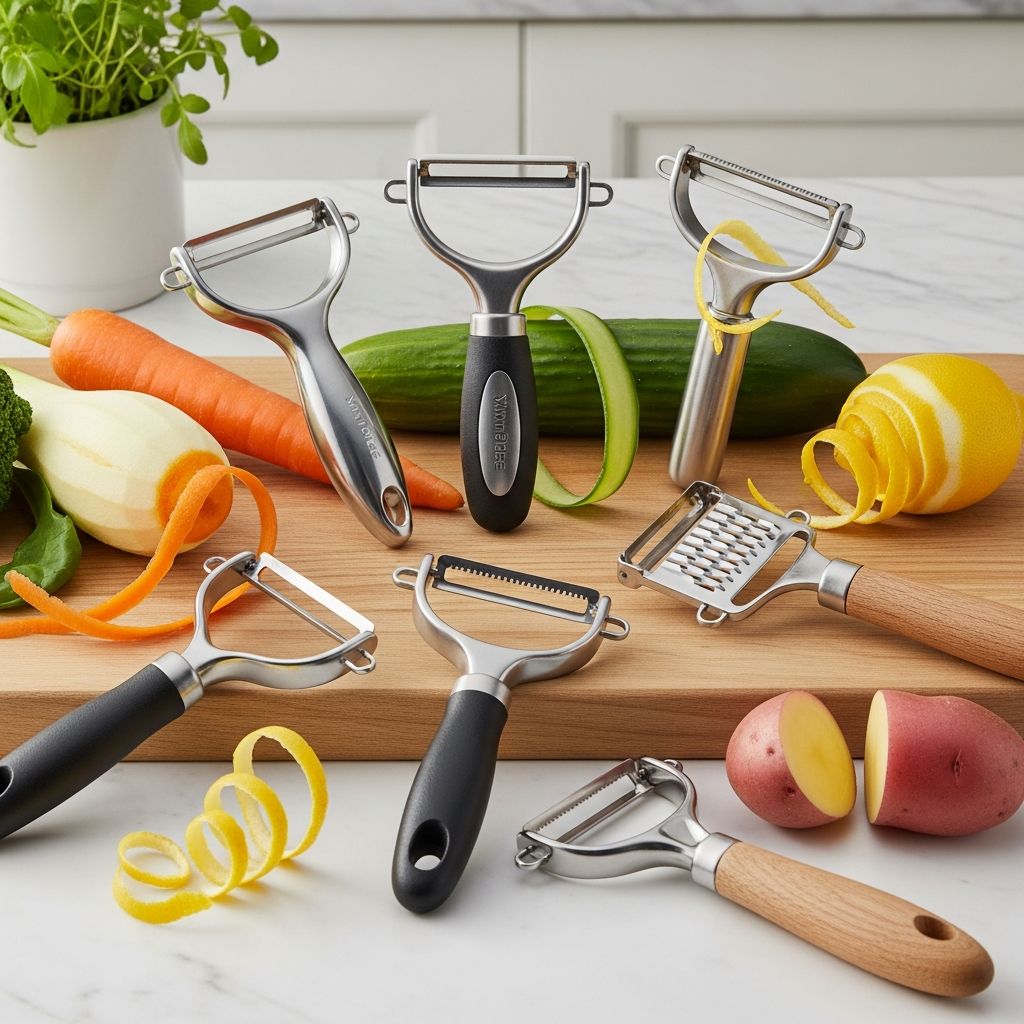
that streamline the process of removing skins from fruits and vegetables, making food preparation faster, safer, and more efficient. Unlike knives, which can lead to uneven cuts and higher waste, peelers precisely strip away only the outer layer, preserving the nutrient-rich flesh beneath while minimizing effort. These simple devices come in various designs tailored to different produce types, from soft tomatoes to tough potatoes, enhancing productivity in home and professional kitchens alike.Why Use a Peeler?
Using a peeler offers multiple advantages over traditional methods like knives. Primarily, it
saves time and energy
; studies and practical tests show peelers can reduce peeling time by up to 50% compared to manual knifing, allowing more focus on cooking and creativity. Peelers waste less food by removing just the thin epithelium, retaining valuable nutrients concentrated in the outer layers of many produce items.Additionally, peelers improve
texture and appearance
. For vegetables with tough or waxy skins, peeling creates a smoother, more uniform surface that’s easier to cook, eat, or incorporate into dishes. This is particularly useful for items like potatoes, carrots, and apples, where irregular skins can detract from the final presentation. Safety is another key benefit—ergonomic designs reduce hand strain and the risk of cuts, making them ideal for all skill levels.- Time efficiency: Faster peeling for bulk prep.
- Waste reduction: Precise cuts preserve more edible portions.
- Safety: Less slippage and injury risk than knives.
- Versatility: Handles diverse produce shapes and textures.
Types of Peelers
Selecting the right peeler depends on the produce and task. Here’s a breakdown of common types, each with unique strengths for paring
produce
effectively.| Type | Best For | Pros | Cons |
|---|---|---|---|
| Swivel Peeler | Irregular shapes: potatoes, apples, cucumbers | Pivots around curves; precise; beginner-friendly | Blade may dull faster |
| Y-Peeler | Large/round: potatoes, carrots, pumpkins | Comfortable grip; bi-directional peeling; versatile | More pressure for tough skins |
| Straight Peeler | Uniform shapes: carrots, zucchini | Simple, affordable; basic tasks | Less effective on curves |
| Serrated Peeler | Waxy/slippery: tomatoes, peppers | Grips tough skins; no slip | May ridge soft produce |
| Julienne Peeler | Strips/garnishes: salads, veggies | Creates thin strips; adds texture | Limited to strips |
| Rotary/Electric | Bulk peeling: apples, potatoes | Effortless; fast for volume | Less precise; higher cost |
Swivel peelers excel with their rotating blades that follow contours, ideal for bumpy surfaces.
Y-peelers
, a favorite among chefs, offer superior leverage for thick skins and can create ribbons or shred cabbage. Julienne models combine peeling with grating for garnishes, while electric options suit high-volume tasks but sacrifice some control.Choosing the Right Peeler
When selecting a peeler, prioritize
blade material
, handle ergonomics, and versatility. Stainless steel blades, like those in the Kuhn Rikon Original Swiss Peeler, provide sharpness, durability, and rust resistance, skimming smoothly over surfaces. Opt for ultra-sharp edges that require minimal force and ensure clean cuts without slipping.Ergonomic handles reduce fatigue—Y-shaped designs minimize wrist motion, preventing issues like carpal tunnel, and accommodate larger hands. Multi-functional peelers with interchangeable blades handle diverse tasks, from butternut squash to julienne strips, saving space.
Related Stories



Consider your needs: everyday users benefit from versatile Y or swivel models; pros may prefer heavy-duty stainless options. Popular picks include the Swissmar Classic for its scalpel-like blade and colors.
- Blade: Stainless steel for longevity and precision.
- Handle: Non-slip, ergonomic for comfort.
- Features: Swivel, serrated, or multi-blade for adaptability.
Care and Maintenance
Proper care extends a peeler’s life and maintains performance. Hand-wash with warm soapy water immediately after use to prevent residue buildup; avoid dishwashers, which dull blades. Dry thoroughly to inhibit rust.
Sharpen blades regularly using fine-grit honing steel or sandpaper for a razor edge. Store in a drawer organizer or hung to prevent damage. Inspect for wear—replace blades if they snag or rust.
These habits ensure consistent efficiency, reducing replacement frequency and keeping peels thin and uniform.
Additional Uses
Beyond basic peeling, peelers unlock creative applications. Remove skins from eggplant, mango, or butternut squash effortlessly. Shave
thin slices
of chocolate, citrus peels, or cheese for garnishes.The pointed tip of sword-shaped peelers cores strawberries or de-seeds jalapeños. Julienne peelers produce strips for salads, enhancing flavor absorption due to increased surface area. Y-peelers shred cabbage for coleslaw or ribbon zucchini for pasta alternatives.
- Shaving chocolate or cheese for desserts.
- Citrus zest for baking.
- Vegetable ribbons for salads/stir-fries.
- De-seeding peppers or coring fruit.
These techniques elevate dishes visually and texturally, proving peelers’ multi-purpose value.
Frequently Asked Questions (FAQs)
Q: What are the benefits of Y-shaped peelers?
Y-shaped peelers provide better leverage and control, ideal for large vegetables like potatoes. They peel efficiently in both directions with less wrist strain.
Q: How do stainless steel peelers improve efficiency?
Ultra-sharp stainless steel requires minimal force, prevents slipping, and delivers clean cuts across various produce, speeding up prep.
Q: Are electric peelers worth it?
Yes for bulk tasks—they cut time by 50%—but manual offers more precision for detailed work.
Q: Best peeler for slippery tomatoes?
Serrated peelers grip waxy skins securely without slipping.
Q: How to maintain peeler sharpness?
Hand-wash, dry immediately, and hone regularly with steel.
References
- Choosing the Perfect Fruit and Vegetable Peeler — Loyal Machine. 2023. https://loyal-machine.com/blog/fruit-peeler/
- Different Types of Vegetable Peeler and Its Uses — thinKitchen. 2024. https://www.thinkitchen.in/blogs/latest/types-of-vegetable-peeler
- Vegetable Peelers: The Complete Guide — Misen. 2024. https://misen.com/blogs/news/vegetable-peelers-the-complete-guide-to-choosing-the-best-vegetable-peeler
- Peelers: Practical Tools for Paring Produce — Academy of Nutrition and Dietetics. 2023-01-29. https://www.eatright.org/food/food-preparation/kitchen-tools/peelers-practical-tools-for-paring-produce
- 5 Vegetable Peelers — Clean Eating Magazine. 2023. https://www.cleaneatingmag.com/clean-pantry/5-vegetable-peelers/
Similar Articles








Read full bio of medha deb