Peeling Skin: Causes, Symptoms & Treatment
Understanding peeling skin: causes, symptoms, and effective treatment options explained.
Understanding Peeling Skin
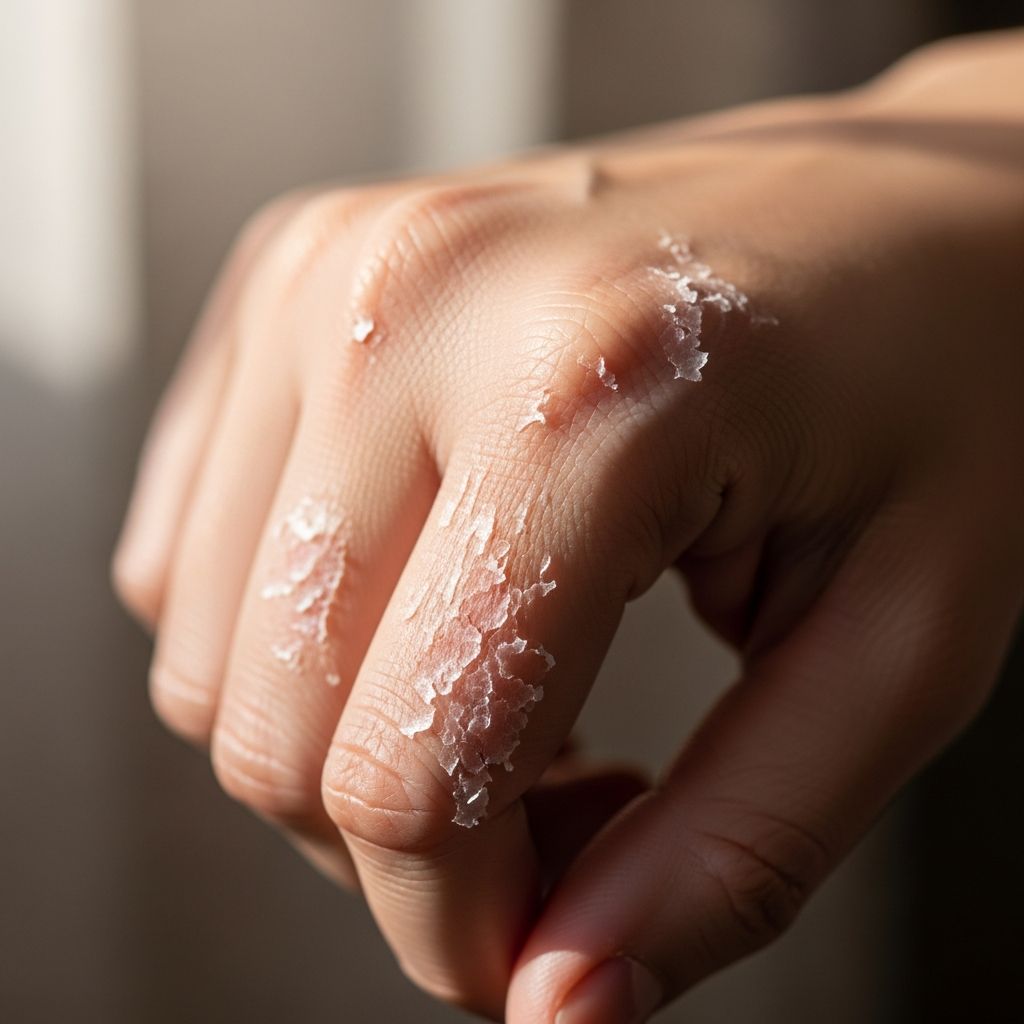
Peeling skin is a common condition that affects many people at some point in their lives. It occurs when the outer layer of your skin sheds or flakes away, often accompanied by dryness, irritation, or discomfort. While peeling skin can be temporary and resolve on its own, it may also indicate an underlying skin condition that requires medical attention. Understanding the causes, symptoms, and treatment options can help you manage this condition effectively and determine when to seek professional care.
What Is Peeling Skin?
Peeling skin refers to the shedding or flaking of the epidermis, the outermost layer of your skin. This process is a natural part of skin renewal, as your body constantly sheds dead skin cells. However, when peeling becomes excessive or accompanied by other symptoms, it may indicate a problem that needs addressing. The severity of peeling skin can range from mild flaking to large areas of skin separation, depending on the underlying cause.
Common Causes of Peeling Skin
Peeling skin can result from various factors, ranging from environmental conditions to serious medical conditions. Identifying the underlying cause is essential for determining the appropriate treatment approach.
Dry Skin
One of the most common causes of peeling skin is dryness. Dry skin occurs when your skin loses moisture and hydration, causing rough, flaky, or scaly patches. This can happen due to environmental factors such as cold weather, low humidity, or excessive sun exposure. Additionally, harsh soaps, frequent bathing, and certain medications can strip your skin of its natural oils, leading to dryness and peeling.
Eczema
Eczema is an inflammatory skin condition that causes itchy, red, and dry patches of skin. The inflammation can trigger the top layer of skin to become red, flaky, and itchy, resulting in peeling. Eczema can affect any part of the body, including the face, hands, feet, and other areas. This chronic condition often requires ongoing management and professional treatment.
Psoriasis
Psoriasis is another inflammatory skin condition that causes peeling skin. When psoriasis affects the hands or feet, it’s known as palmoplantar psoriasis. This condition creates dry areas or patches that can become flaky or peel. Psoriasis is an autoimmune condition that typically requires long-term management and medical supervision.
Fungal Infections
Fungal infections, such as athlete’s foot, can cause peeling skin, particularly on the feet and between the toes. These infections thrive in warm, moist environments and can cause redness, itching, and peeling. Over-the-counter antifungal creams are often effective for treating these infections, but persistent cases may require professional treatment.
Sunburn
Sunburn is a common cause of peeling skin. When your skin becomes sunburned, it damages your skin cells, causing redness and swelling. As the swelling begins to subside, typically about three days after the burn, your outer layer of skin—which consists of dead skin cells—doesn’t shrink along with your healthy skin. Instead, it eventually peels away as part of your skin’s natural healing process.
Related Stories



Dehydration
Dehydration can contribute to peeling skin by inhibiting your skin barrier in various ways. When your body lacks sufficient hydration, your skin may become dry, flaky, and prone to peeling. Drinking adequate water throughout the day and maintaining a healthy, balanced diet can help prevent dehydration-related skin issues.
Age-Related Changes
As we age, our skin undergoes natural changes. Collagen production decreases, which can increase how dehydrated your skin becomes. Additionally, aging skin doesn’t hold moisture as effectively as younger skin, leading to dryness, flaking, and peeling. These age-related changes are a normal part of skin aging but can be managed with appropriate skincare and moisturization.
Hyperhidrosis
Hyperhidrosis is a condition characterized by excessive sweating. When you sweat excessively, particularly on your feet, it can lead to itching, inflammation, and even cracked or peeling skin. Managing sweating through appropriate clothing and foot care can help reduce peeling associated with this condition.
Other Medical Conditions
Certain medical conditions can contribute to peeling skin. For example, diabetes can cause poor blood flow in the feet, making it harder to heal cuts, sores, or other injuries, which may result in peeling. Additionally, serious conditions like toxic epidermal necrolysis (TEN) can cause extensive peeling and blistering as a life-threatening reaction to medications.
Symptoms Associated with Peeling Skin
The symptoms accompanying peeling skin depend on the underlying cause. Common symptoms include:
- Flaking or scaling of the skin
- Dryness and roughness
- Itching and irritation
- Redness or inflammation
- Cracked or fissured skin
- Sensitivity to touch or products
In more severe cases, peeling may be accompanied by pain, blistering, open sores, or signs of infection such as pus, increased swelling, and tenderness. If you experience any of these more serious symptoms, it’s important to seek medical attention promptly.
Treatment Options for Peeling Skin
Treatment for peeling skin varies depending on the underlying cause. Here are common approaches to managing this condition:
Moisturization
Applying a moisturizer to affected areas is one of the most fundamental treatments for peeling skin. Regular moisturization helps restore hydration to your skin and can significantly reduce flaking and dryness. For best results, apply moisturizer to clean, slightly damp skin to lock in moisture.
Topical Treatments
Depending on the cause, various topical treatments may be recommended:
- Antifungal creams: For fungal infections like athlete’s foot, over-the-counter topical antifungal creams are often effective.
- Corticosteroid creams: For inflammatory conditions like eczema and psoriasis, topical corticosteroids can reduce inflammation and peeling.
- Retinoids: These vitamin A derivatives can improve skin texture but may cause dryness and peeling as side effects initially.
Lifestyle Modifications
Several lifestyle changes can help prevent and reduce peeling skin:
- Avoid harsh soaps and cleansers with strong dyes and fragrances
- Keep skin clean and dry, especially in areas prone to moisture
- Wear breathable cotton socks to help manage foot moisture
- Apply foot powder to help control sweat and moisture
- Use sunscreen with at least SPF 30 to prevent sun damage
- Stay hydrated by drinking adequate water daily
- Maintain a healthy, balanced diet
Sun Protection
Preventing sunburn is crucial for avoiding peeling skin. Use broad-spectrum sunscreen regularly and reapply as needed. For hard-to-reach areas like feet, spray sunscreen may be easier to apply. If your feet are already sunburned and peeling, keep the skin moisturized and watch for signs of infection.
When to Seek Medical Attention
While many cases of peeling skin can be managed at home, certain situations warrant professional medical evaluation:
- Peeling persists for more than two weeks despite home treatment
- The peeling is accompanied by severe itching, pain, or discomfort
- Signs of infection appear, including pus, increased redness, swelling, or crusting
- The peeling covers a large area of your body
- You develop fever or systemic symptoms
- The condition interferes with your daily activities
- You have underlying medical conditions like diabetes that may complicate healing
Special Considerations for Different Areas
Peeling Feet and Toes
Feet are particularly prone to peeling due to moisture, friction, and fungal infections. Regular foot care is essential. Wash your feet daily and dry them thoroughly, especially between the toes. If you have diabetes or other conditions that affect healing, consider seeing both a dermatologist and a podiatrist for comprehensive care.
Newborn Skin Peeling
Newborns commonly experience peeling skin during their first two weeks of life. This is a normal process similar to molting, where the outer layer of skin peels off to reveal healthy skin underneath. The peeling typically occurs on the arms and legs but may also appear on the belly, back, or buttocks. Most newborn peeling resolves on its own without special medical treatment within two weeks. However, if peeling persists beyond two weeks or is accompanied by redness, discomfort, or fever, contact your pediatrician.
Frequently Asked Questions
Q: Is peeling skin always a sign of a serious condition?
A: No, peeling skin is often caused by common, easily treatable conditions like dry skin or sunburn. However, persistent or severe peeling may indicate an underlying condition requiring medical attention, so it’s important to monitor your symptoms.
Q: Can I prevent peeling skin?
A: Yes, you can reduce your risk by maintaining proper hydration, using appropriate skincare products, protecting your skin from the sun, and avoiding triggers specific to your skin condition. Regular moisturization and sun protection are particularly important preventive measures.
Q: How long does it typically take for peeling skin to resolve?
A: This depends on the cause. Sunburn-related peeling typically resolves within a week or two, while chronic conditions like eczema or psoriasis may require ongoing management. Home treatments can help accelerate healing for mild cases.
Q: What should I do if peeling skin is accompanied by infection signs?
A: If you notice pus, increased redness, swelling, warmth, or crusting, seek medical attention promptly. These signs may indicate infection requiring professional treatment to prevent complications.
Q: Are there any over-the-counter treatments that work well for peeling skin?
A: Yes, over-the-counter moisturizers, antifungal creams for fungal infections, and sunscreen are effective for many cases. However, if home treatments don’t improve your condition within two weeks, consult a dermatologist for professional evaluation.
References
- Toxic Epidermal Necrolysis (TEN): Causes, Symptoms & Treatment — Cleveland Clinic. 2024. https://my.clevelandclinic.org/health/diseases/21616-toxic-epidermal-necrolysis-ten
- Why Are My Feet and Toes Peeling? — Cleveland Clinic. 2024. https://health.clevelandclinic.org/why-are-my-feet-peeling
- Why Your Newborn Has Peeling Skin — Cleveland Clinic. 2024. https://health.clevelandclinic.org/newborn-skin-peeling
- How to Treat a Peeling Sunburn — Cleveland Clinic. 2024. https://health.clevelandclinic.org/is-it-bad-to-peel-sunburn
- Dry Skin (Xeroderma): Symptoms, Causes, Treatment & Prevention — Cleveland Clinic. 2024. https://my.clevelandclinic.org/health/diseases/16940-dry-skin
- Chemical Peels: Types of Peels, Conditions Treated, What to Expect — Cleveland Clinic. 2024. https://my.clevelandclinic.org/health/treatments/11010-chemical-peels
Similar Articles








Read full bio of Sneha Tete